Territories

34 results
Aegean Thrace
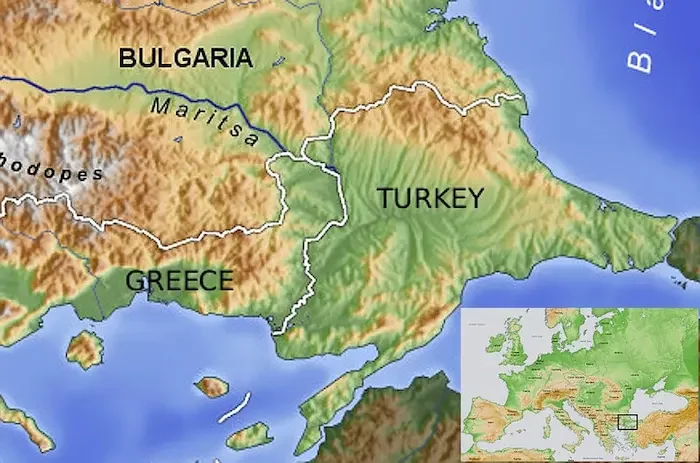
Aegean Thrace is a geographical and historical region in the southern Balkan Peninsula, along the shores of the Aegean Sea. It has witnessed numerous historical events and changes, passing over the centuries under the rule of various states and empires, including the Byzantine Empire, the Ottoman Empire and the Bulgarian states. Following the Balkan Wars of 1912–1913, Aegean Thrace became part of the Bulgarian state.
Bessarabia
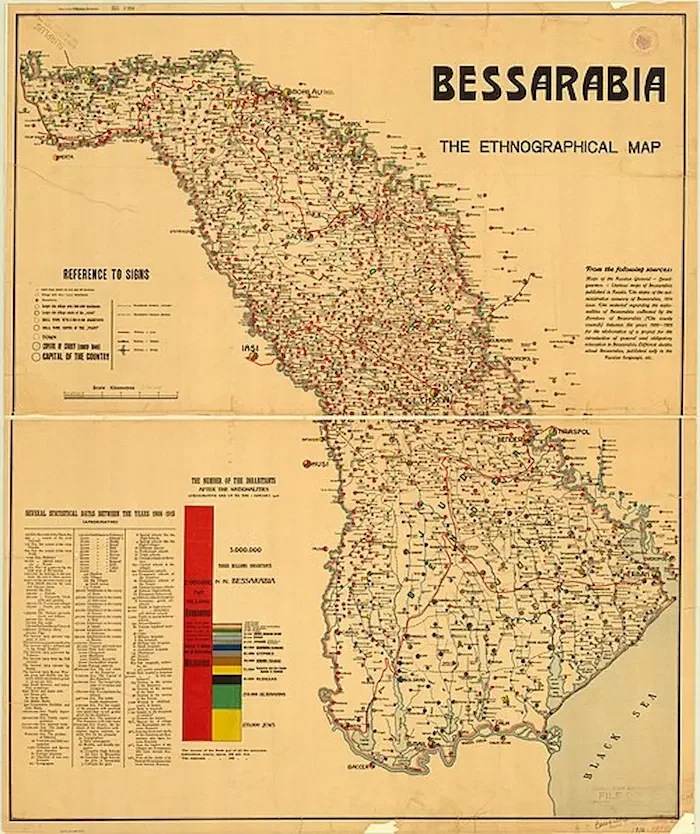
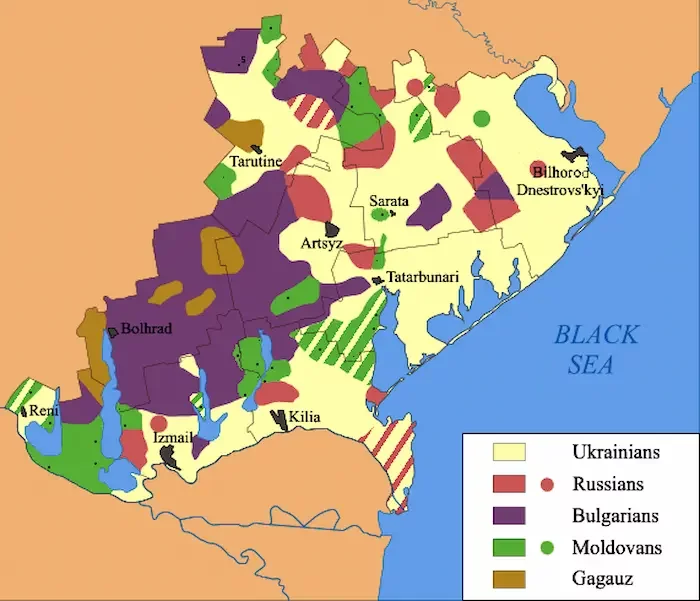
Bessarabia, a historical region between the Prut and Dniester rivers, now part of the Republic of Moldova and southern Ukraine, is one of the most significant centres of the Bulgarian diaspora beyond Bulgaria's ethnic boundaries. From the late eighteenth century, the region became a refuge for thousands of Bulgarians who left their homeland in search of freedom, land and a new beginning. After the Russo-Turkish wars of the late eighteenth and early nineteenth centuries, particularly the war of 1806–1812, the Russian Empire occupied Bessarabia and actively encouraged Orthodox Slavs to settle in the region.
Braničevo
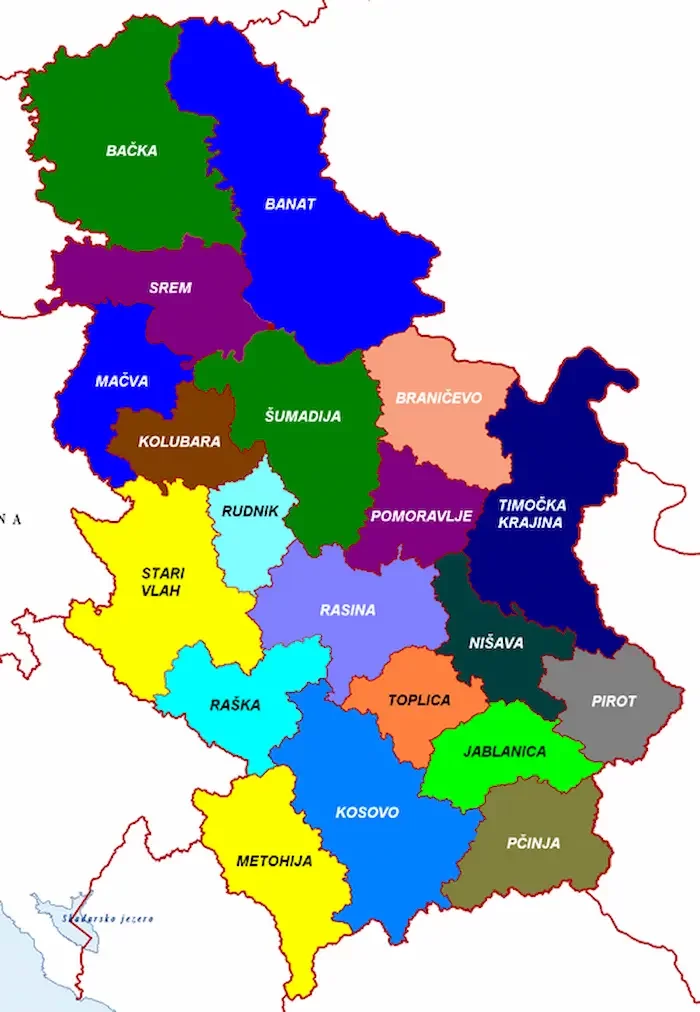
Braničevo is a historical region along the lower course of the Great Morava River, near its confluence with the Danube, in modern eastern Serbia. During the Middle Ages, Braničevo was of key importance to the Bulgarian states, serving both as a fortified defensive centre and as a base for military operations in the region. In late antiquity, the area around Braničevo lay within the Roman province of Moesia and later became part of Byzantium.
Budjak
Budjak is a historical and geographical region between the Dniester and Danube rivers and the northern Black Sea coast. Today, it lies within Ukraine's Odesa region and partly in Moldova, but over the centuries it has played an important role in Bulgarian history, particularly during the First and Second Bulgarian Empires, Ottoman rule and the Bulgarian National Revival. The earliest known Bulgarian traces in Budjak date to Khan Asparuh in the seventh century.
Dobruja
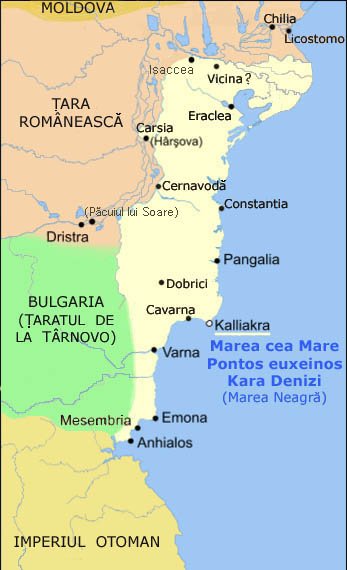
Dobruja is a historical and geographical region in eastern Bulgaria, situated south of the Danube and west of the Black Sea. It covers around 23,000 square kilometres. Rich in history and cultural diversity, it is also an important geopolitical area.
Eastern Rumelia
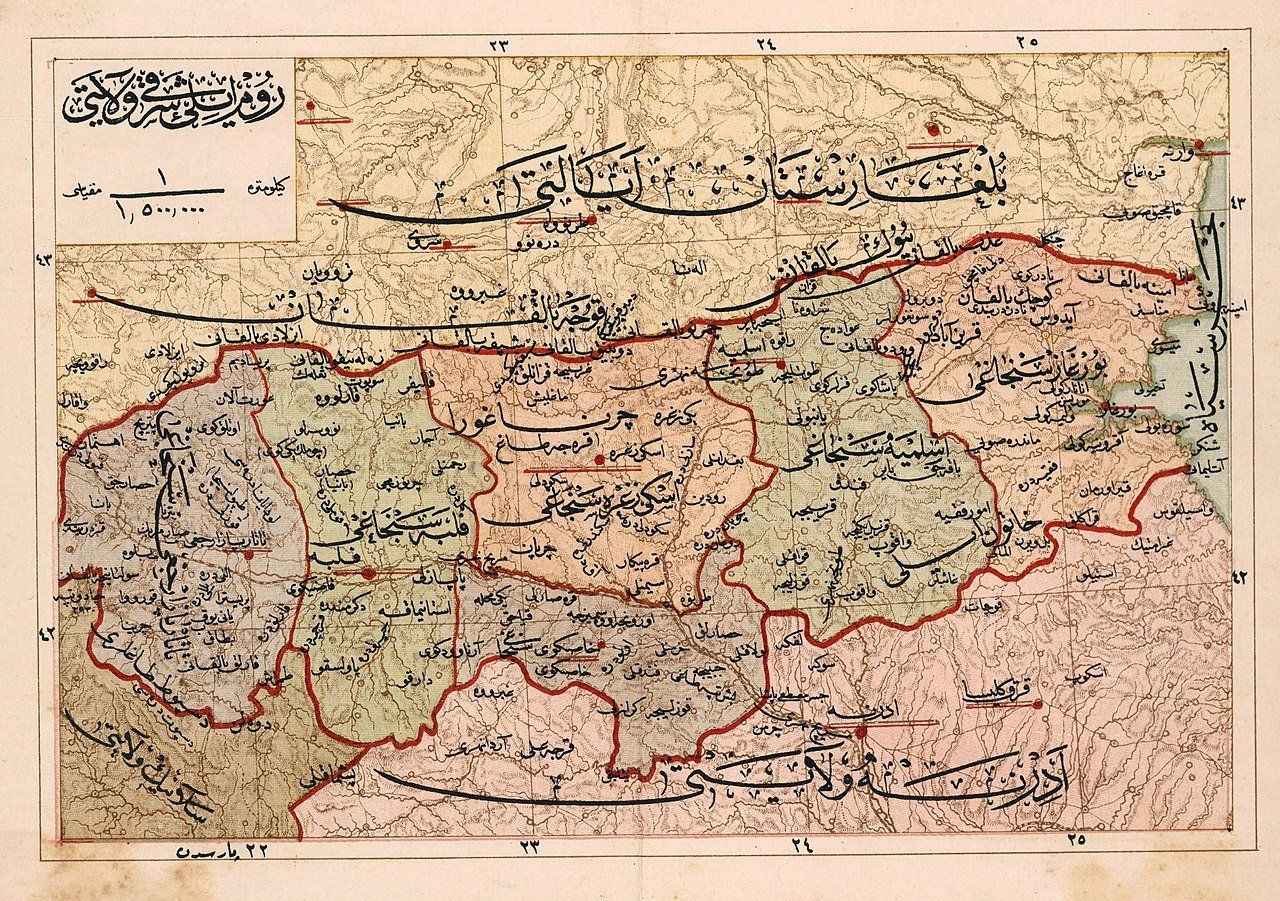
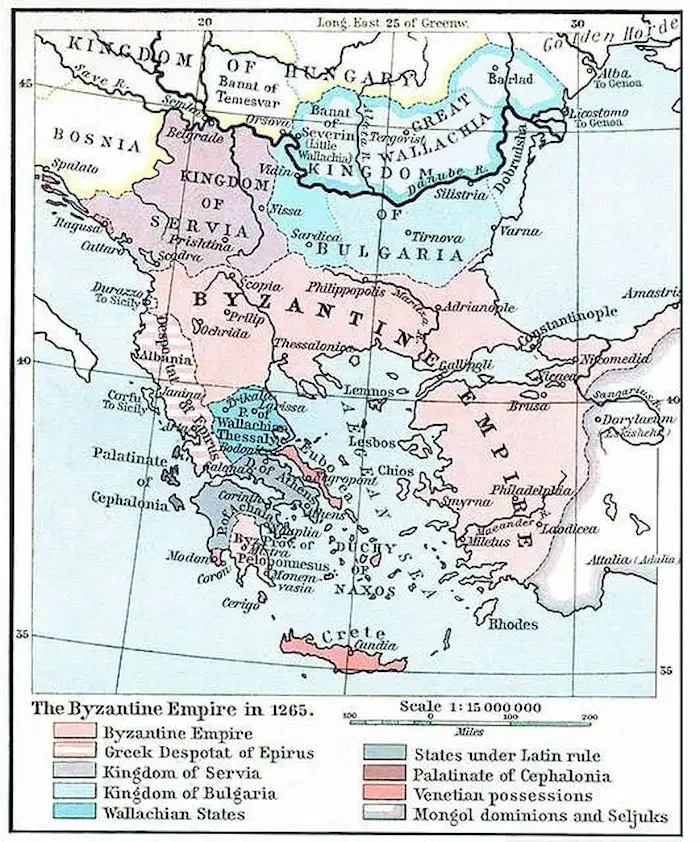
Eastern Rumelia was an autonomous province established in southern Bulgaria under the Treaty of Berlin of 1878, which existed until its Unification with the Principality of Bulgaria in 1885. Its territory was defined in the Treaty of Berlin: bounded to the east by the Black Sea, its northern frontier followed the Balkan Mountains, descended towards the Topolnitsa River, passed east of Samokov and reached the Black Sea north of Tsarevo. Eastern Rumelia was an Ottoman province combining extensive self-government with financial obligations to the Ottoman Empire and no right to an independent foreign policy.
Kutmichevitsa
Kutmichevitsa is a historical region of exceptional importance to the development of Bulgarian culture, education and church organisation in the ninth and tenth centuries. Situated in the south-western part of the First Bulgarian Empire, it encompassed territories in modern south-western Macedonia and parts of Albania and north-western Greece. Under Prince Boris I (852–889) and later Tsar Simeon the Great (893–927), Kutmichevitsa became one of the Bulgarian state's spiritual and cultural pillars.
Lerin
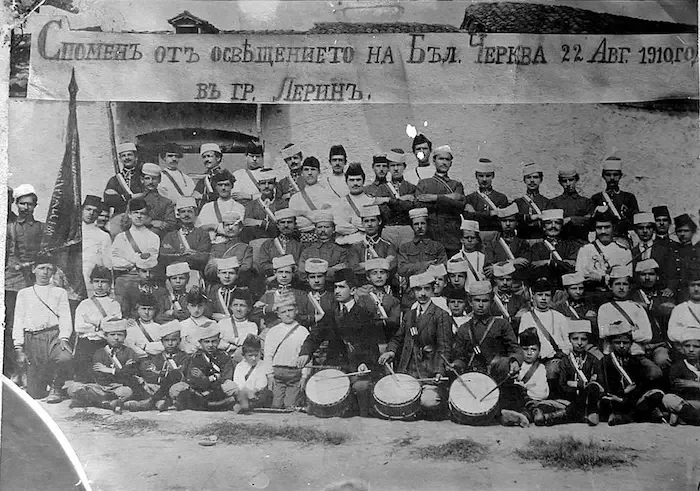
Lerin, now known as Florina in northern Greece, is a town with deep historical roots and particular significance for Bulgarian history, especially during the Middle Ages and later periods. The territory around Lerin was inhabited by ancient Thracian tribes and later entered the Roman Empire's sphere. In the early Middle Ages, after the Roman Empire broke apart, the area came under Byzantine control.
Macedonia
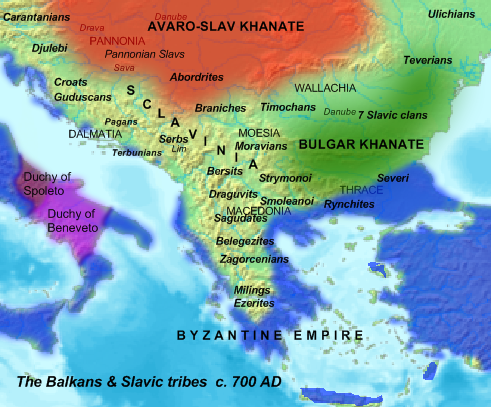
During the First Bulgarian Empire (681–1018), the territory of Macedonia in Bulgaria was one of the state's important regions. Macedonia encompasses a large part of today's north-western and western Bulgarian lands, including the regions around cities such as Skopje, Bitola and Ohrid. Even before the establishment of the First Bulgarian Empire, in the second half of the seventh century, some Bulgar tribes led by Khan Kuber settled in the area of modern Macedonia.
Moesia
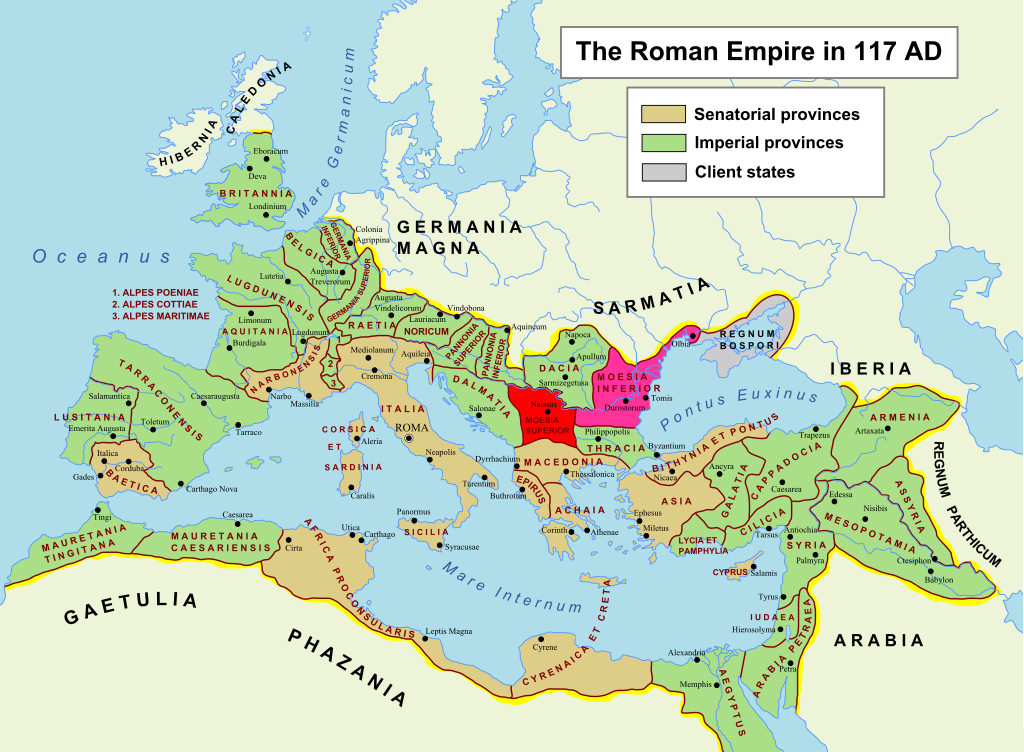
Moesia is the name Roman authors used for the ancient historical region and province on the southern bank of the Danube. Its name derives from the Thracian tribe of the Moesi. The region includes territories now lying within Romania, Bulgaria and Serbia.
Mraka
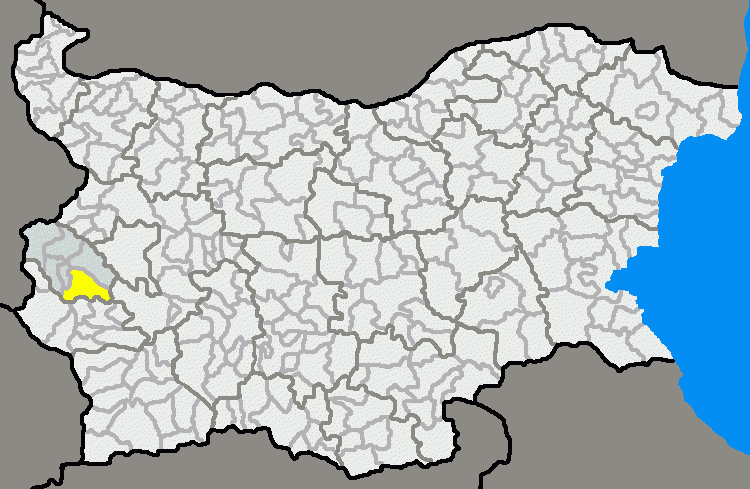
Mraka is a historical and geographical region in modern western Bulgaria, encompassing the north-eastern slopes of the Konyavska and Zemen Mountains. It also includes the Radomir Plain. During Ottoman rule (1396–1878), Mraka, like other parts of western Bulgaria, came directly under the Ottoman administrative system.
Pannonia
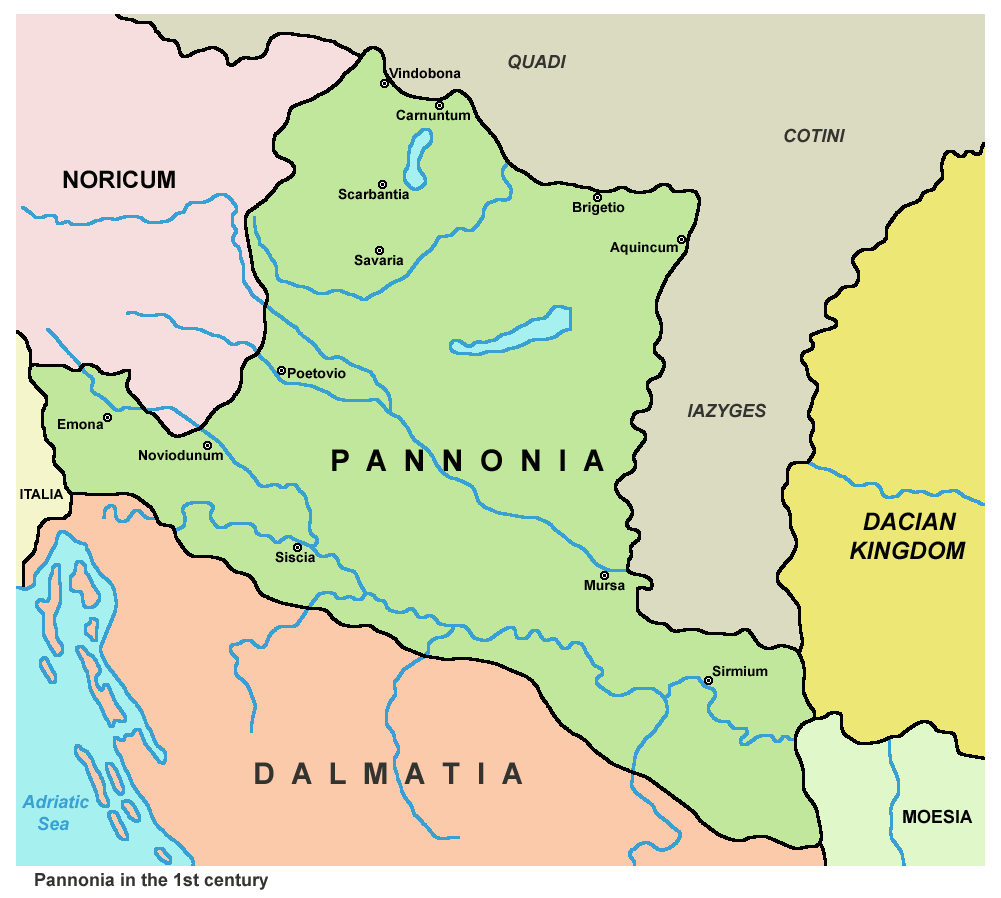
Pannonia is an ancient region in Central Europe, roughly corresponding to modern Hungary, eastern Austria, northern Croatia, western Serbia and parts of Slovenia. For centuries, it was a strategic crossroads between the barbarian world and Roman civilisation, and between the Latin West and the Slavic and Turkic East. As early as the first century BC, the Romans turned their attention to this strategically situated, resource-rich region.
Paristrion
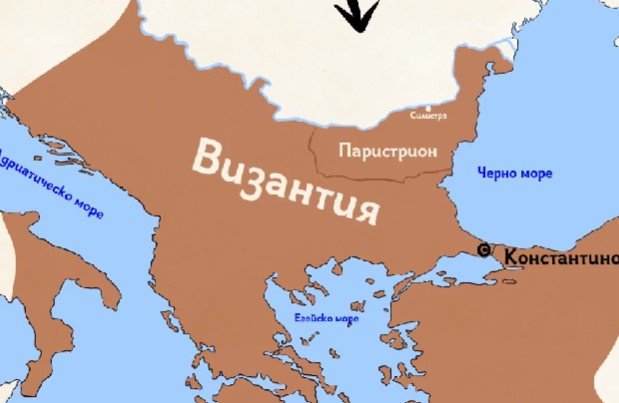
The territory of the Theme of Paristrion, also known as the Danubian region, was part of Bulgaria under Byzantine rule. It covered the area between the Danube and the Balkan Mountains, including what is now northern Bulgaria. The Theme of Paristrion was established after Emperor Basil II, known as the Bulgar Slayer, conquered north-eastern Bulgaria, generally dated to the early 11th century.
Prespa
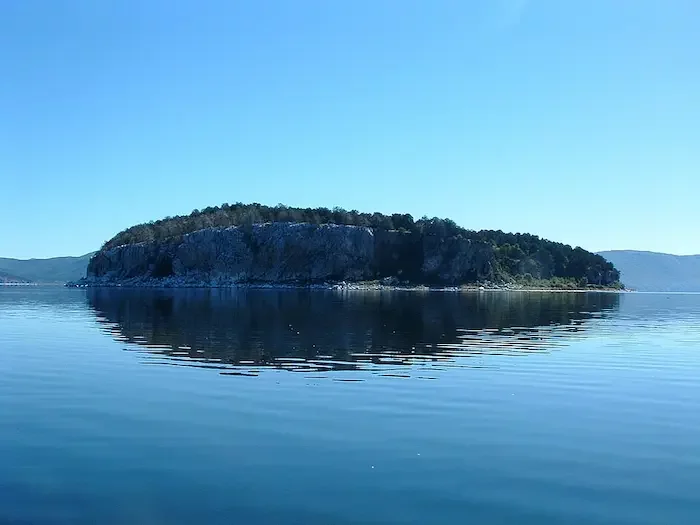
Prespa was one of Bulgaria's most significant historical and cultural centres in the final period of the First Bulgarian Empire, particularly during the reign of Tsar Samuel (997–1014). This region, situated in present-day North Macedonia, was a centre of political power, culture and religion in the western part of the Bulgarian state. Prespa lies in the western Balkan Peninsula, in the valley between the Jakupica and Šar Mountains.
Shopluk
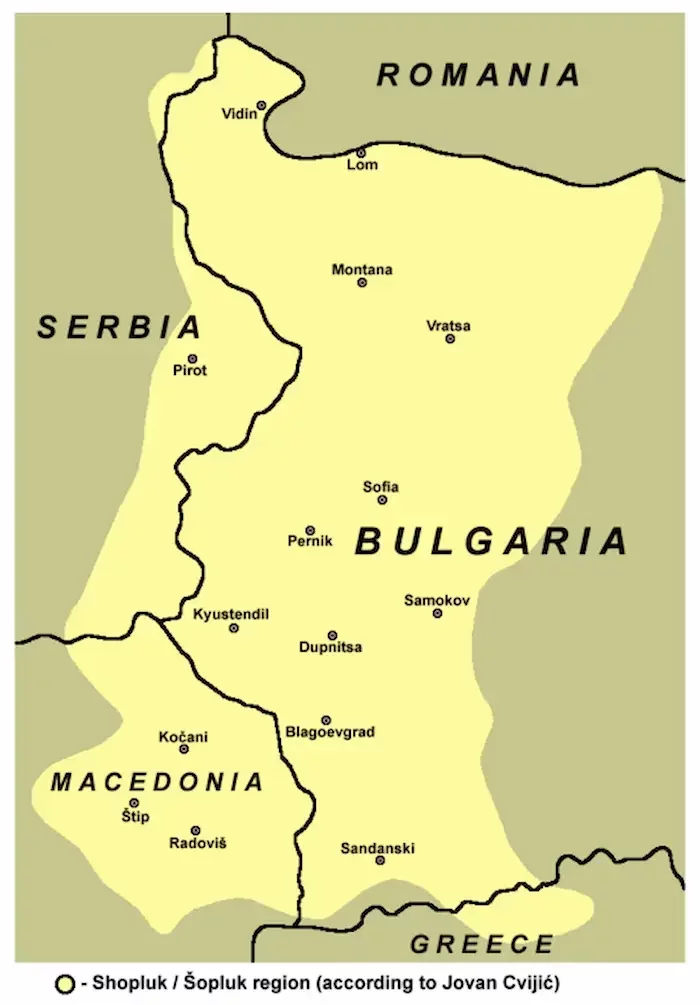
Shopluk is a historical and ethnographic region in western Bulgaria, embodying deep layers of the Bulgarian people's cultural and historical heritage. Often described as a symbol of defiance, humour and distinctiveness, Shopluk encompasses territories that today include Sofia, Pernik, Dragoman, Godech, Breznik and Kyustendil, as well as parts of Serbia and North Macedonia. Shopluk's history is inseparable from the Thracian tribes, the Roman province of Dacia Mediterranea and, later, the First and Second Bulgarian Empires.
Sredets
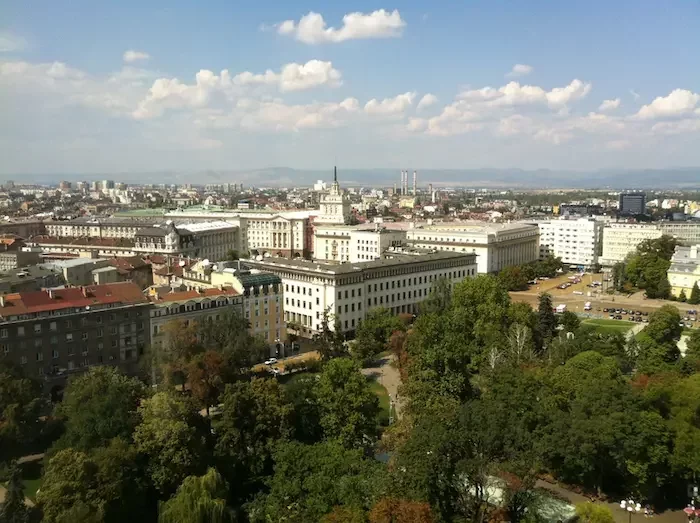
Sredets is a historical region centred on Bulgaria's modern capital, Sofia. This territory has played a key role in Bulgarian history since the early Middle Ages, passing through various periods of development, rule and events connected with the Bulgarian state. The area around Sredets formed part of the Bulgarian lands from the establishment of the First Bulgarian Empire by Khan Asparuh in 681.
Srem
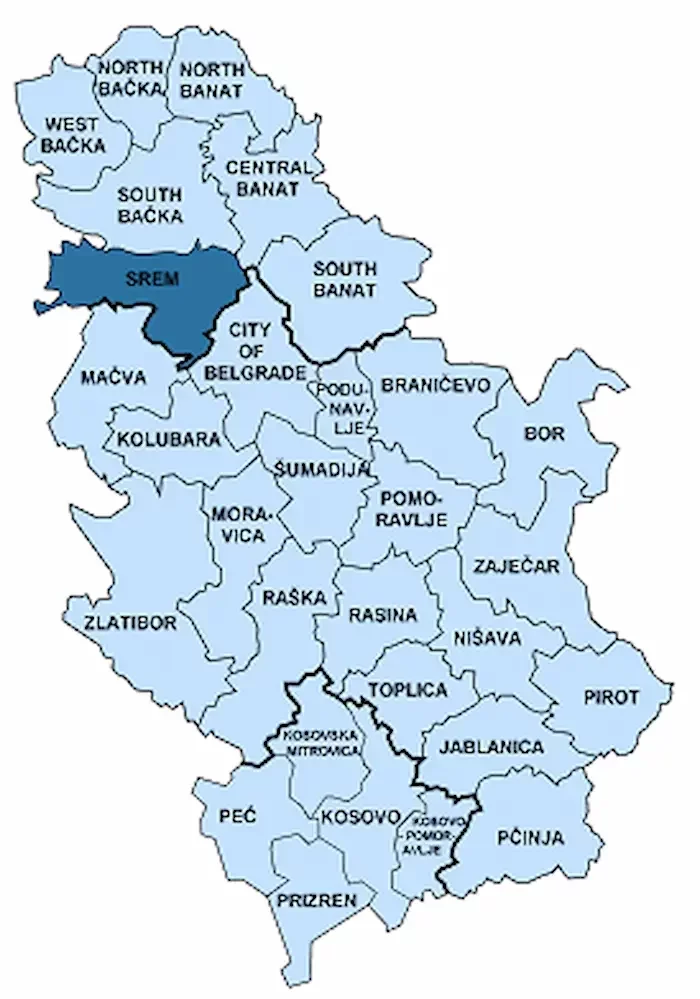
Srem is a historical region in modern Serbia, known as the Srem region. At different times during the Middle Ages, the territory was subject to the influence and control of various states, including the First Bulgarian Empire. Under the Bulgarian rulers Prince Boris I and Tsar Simeon the Great, Srem was under Bulgarian rule.
The Belgrade Region
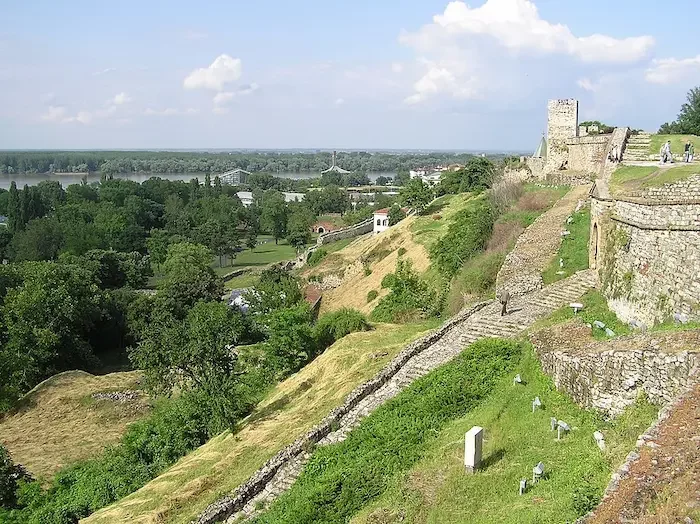
The Belgrade region, in modern Serbia around the confluence of the Sava and Danube rivers, was an important strategic territory on the western periphery of the First Bulgarian Empire. During the tenth and eleventh centuries, it repeatedly came under Bulgarian control, most significantly under Tsar Peter I (927–969) and Tsar Samuel (997–1014). The Belgrade region encompasses lands along the middle course of the Morava, the Toplica River and the modern area of Belgrade, strategically situated where the Sava joins the Danube.
The Crimean Peninsula
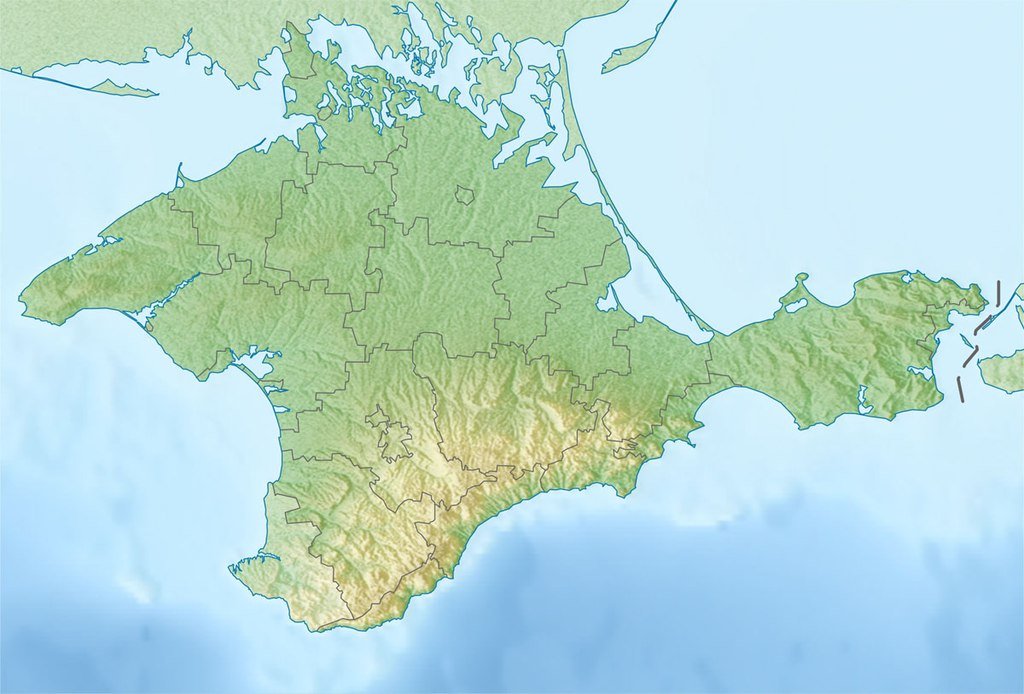
The Crimean Peninsula, also known as Crimea, is a geographical region in the northern Black Sea, south-west of the Sea of Azov. To the north, it connects to the East European Plain through the narrow Isthmus of Perekop, up to 8 kilometres wide. To the east, Crimea is separated by the Kerch Strait, while to the west its narrowing portion forms the Tarkhankut Peninsula.
The Kastoria Region
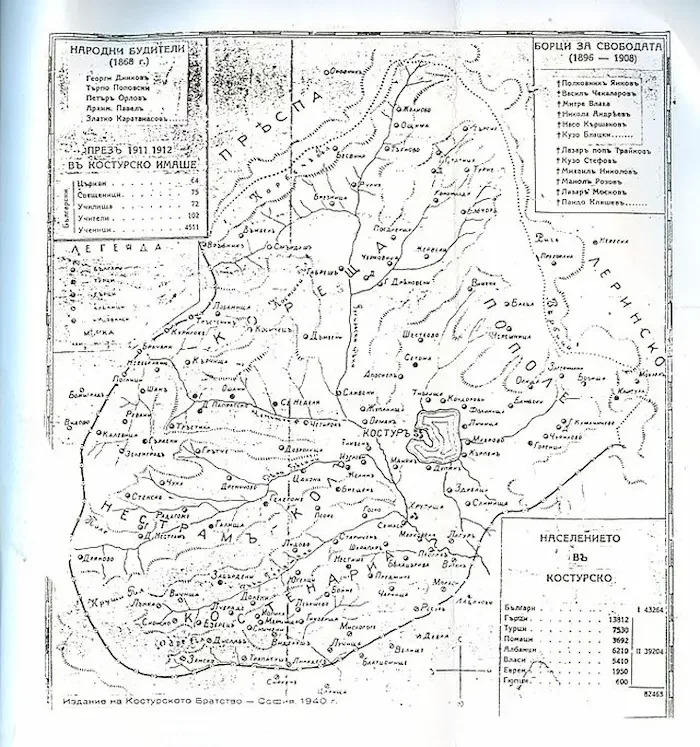
The Kastoria region, known in Bulgarian as Kostursko, around the modern town of Kastoria in north-western Greece, holds a special place in Bulgarian history and cultural memory. Despite its present political affiliation, for centuries it formed an integral part of the Bulgarian ethnic, linguistic and spiritual sphere. In the tenth century, under Tsar Samuel (997–1014), the Kastoria region was incorporated into the First Bulgarian Empire.
The Lower Danube
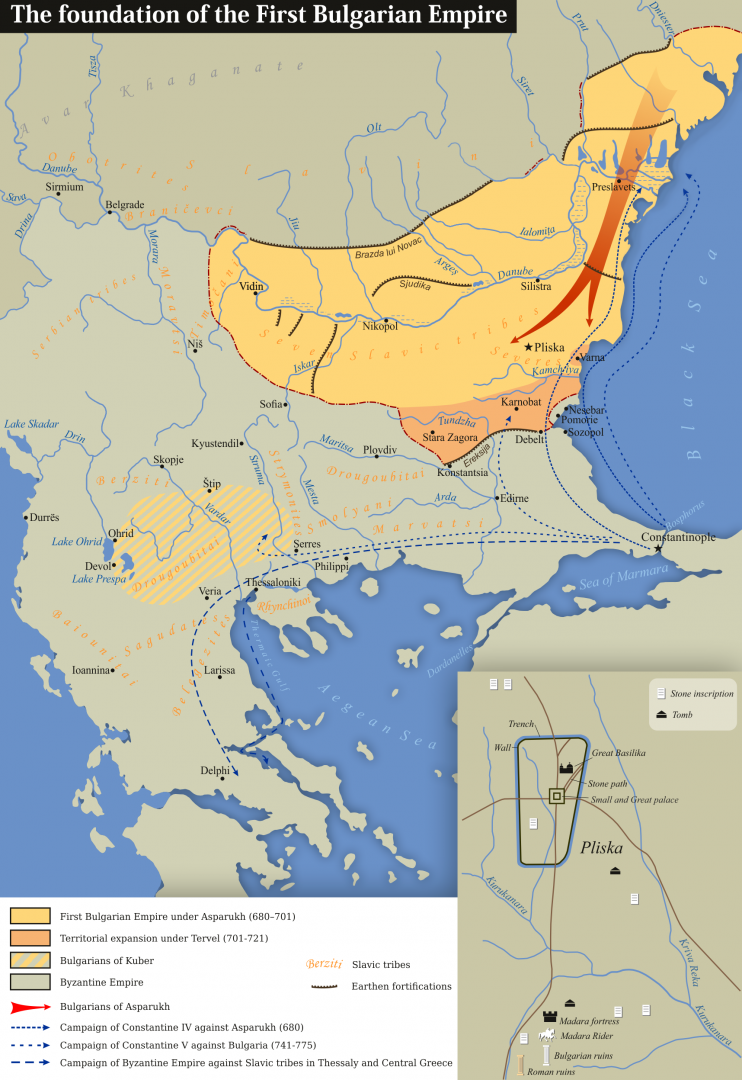
During the First Bulgarian Empire, which existed from 681 to 1018, the Lower Danube region in Bulgaria was of exceptional strategic importance. The Lower Danube served as a natural boundary to the south and south-east of the Bulgarian state and played an important role in the historical and military events of this period. After Khan Asparuh founded the Bulgarian state in 681, the territories south of the Lower Danube were conquered by the Bulgarians following their successful military operations against Byzantium.
The Morava Region
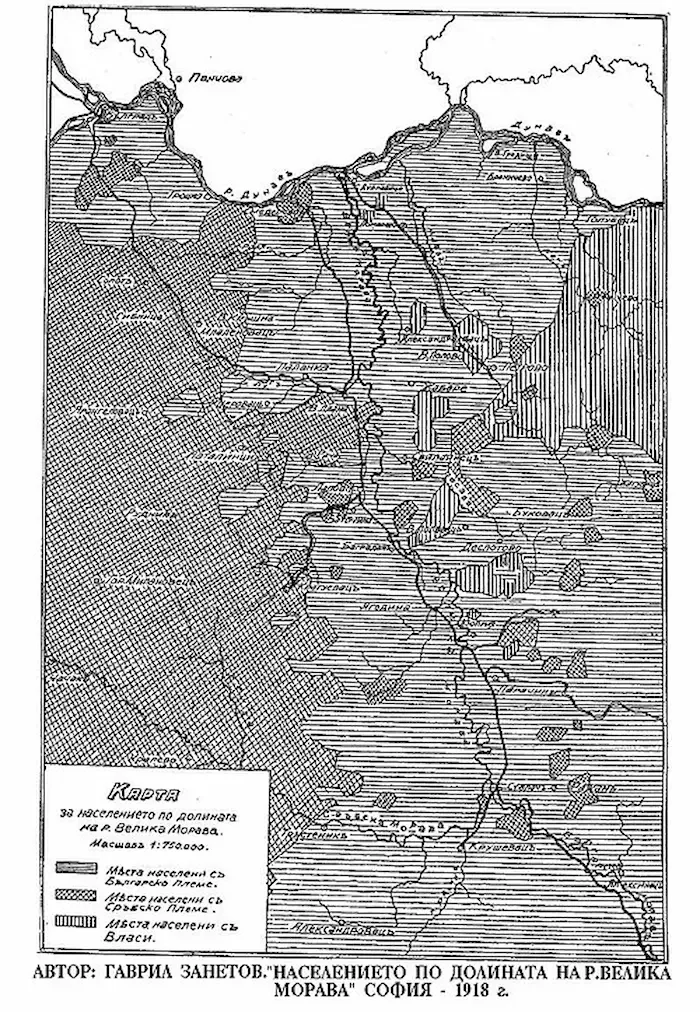
Morava is a region along the valley of the Great Morava, the largest river flowing entirely within modern Serbia. During the Middle Ages, the region occupied a key position in the struggle for influence between Bulgaria and Byzantium. Under Tsar Simeon the Great and, later, Tsar Samuel, it was an important part of Bulgarian territory and a military stronghold in the western part of the empire.
The Niš Region
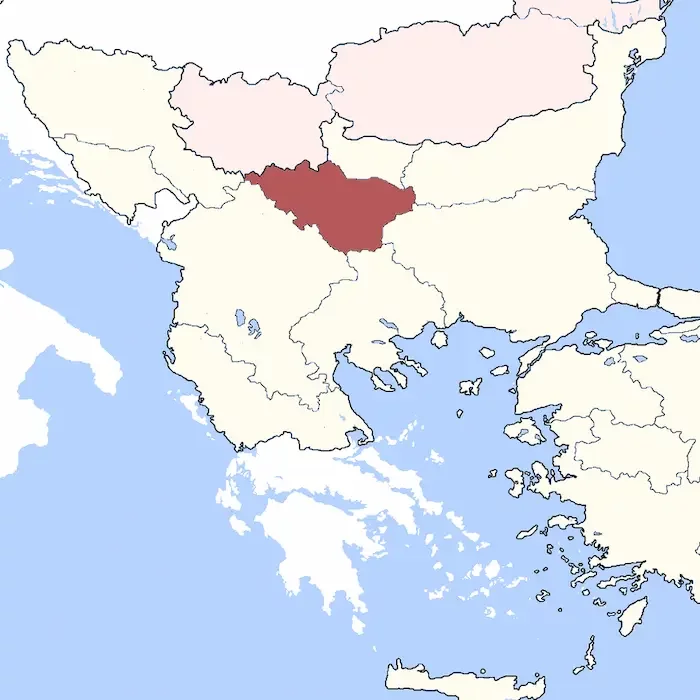
The Niš region, centred on the city of Niš, is a historical and geographical area with close ties to the Bulgarian state. As early as the beginning of the seventh century, under Khan Krum, the region came under Bulgarian control, and Niš became established as a strategic centre. Under Tsar Simeon the Great and Tsar Kaloyan, the city formed part of the territory governed by the Bulgarian state.
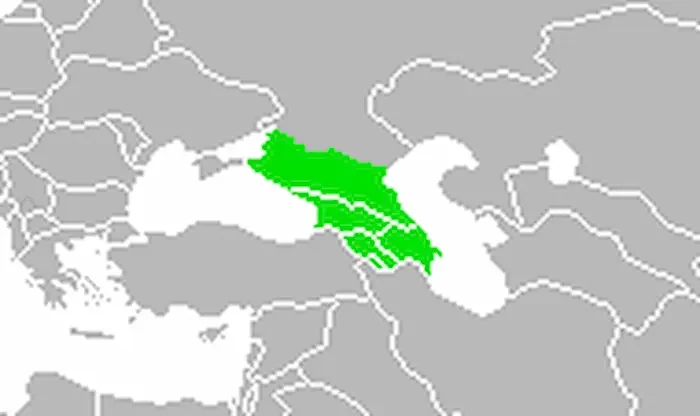
The North Caucasus
In the seventh century, Khan Kubrat succeeded in uniting numerous Bulgar tribes and founded Old Great Bulgaria, a powerful state extending from the areas around the North Caucasus to the lands between the Black and Caspian seas. Kubrat ruled Old Great Bulgaria until his death around 665. After his death, the state broke into several parts, and some Bulgar tribes settled permanently in the North Caucasus.