Sredets

Sredets
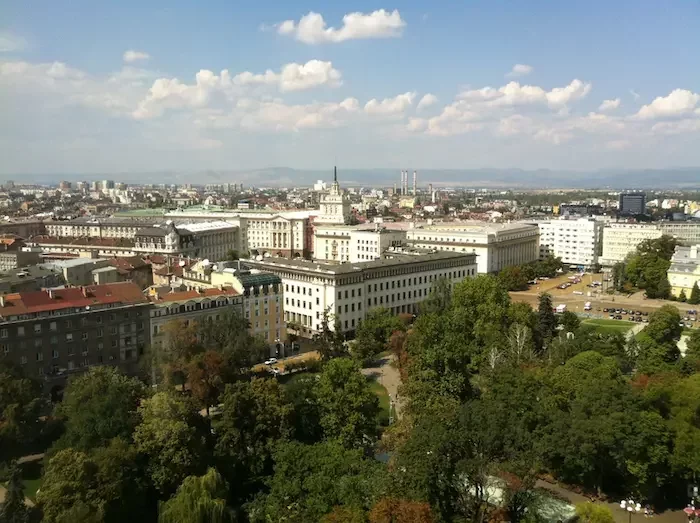
Sredets is a historical region centred on Bulgaria's modern capital, Sofia. This territory has played a key role in Bulgarian history since the early Middle Ages, passing through various periods of development, rule and events connected with the Bulgarian state.
The area around Sredets formed part of the Bulgarian lands from the establishment of the First Bulgarian Empire by Khan Asparuh in 681. Sofia and its surroundings were an important strategic point, located at the crossroads between the Balkan Peninsula and Central Europe.
In the ninth century, under Prince Boris I (852–889), who adopted Christianity as the Bulgarians' official religion around 864, Sredets developed as a significant cultural and administrative centre. Under Tsar Simeon the Great (893–927), the area around Sredets participated in the Golden Age of the First Bulgarian Empire, when Bulgaria's cultural and political influence reached its height.
In 1018, after the Byzantine Empire's victory over the First Bulgarian Empire, the Sredets region came under Byzantine rule. The Byzantines established their administration, but the Bulgarian spirit in the region survived.
In 1185, the Asen dynasty restored Bulgarian statehood and founded the Second Bulgarian Empire. Sredets and its surrounding lands once again became part of the Bulgarian state. During this period, Sofia (Sredets) became an important city, frequently mentioned in chronicles for its strategic significance.
Tsar Ivan Asen II (1218–1241) expanded and strengthened the Bulgarian state, and the Sredets region formed part of this powerful, stable state controlling extensive areas of the Balkans.
In the second half of the fourteenth century, however, the Second Bulgarian Empire began to weaken, and towards the century's end Sredets fell under Ottoman rule.
After Bulgaria fell under Ottoman rule around 1396, Sredets, centred on modern Sofia, was incorporated into the Ottoman vilayet system. The city retained its strategic and administrative importance and acquired its Turkish name, Sofia, during this period.
The Bulgarian population of the region preserved its culture and Orthodox faith, with churches and monasteries becoming centres of resistance and national consciousness.
In the nineteenth century, during the Bulgarian National Revival, Sredets again became the scene of Bulgarian cultural and political renewal. Bulgarian schools, community cultural centres and churches were established in the city and its surroundings, supporting the development of national consciousness.
In 1877–1878, during the Russo-Turkish War and following the signing of the Treaty of San Stefano, Bulgaria regained its independence and Sofia became the capital of the newly liberated Principality of Bulgaria.
Sredets is a historical region with a long and rich history, tracing the Bulgarian state's fortunes from its establishment in the seventh century through the golden ages of the First and Second Empires, Ottoman rule and the Bulgarian National Revival, to the Liberation and its emergence as the modern capital, Sofia. This territory has witnessed numerous historical events and processes that shaped Bulgarian national identity.
Share:


