Shopluk

Shopluk
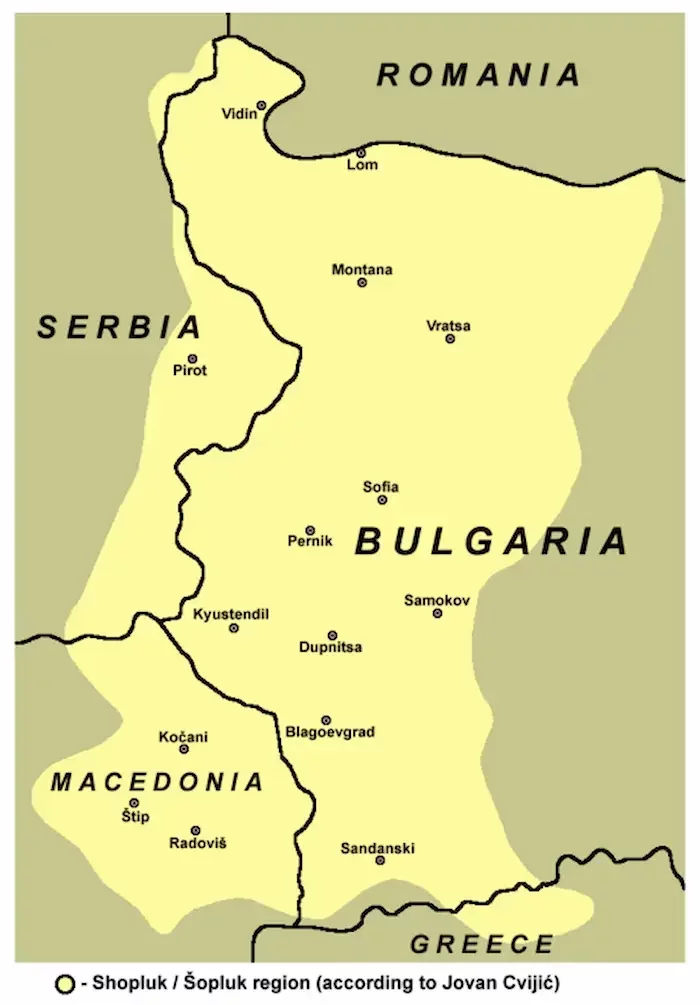
Shopluk is a historical and ethnographic region in western Bulgaria, embodying deep layers of the Bulgarian people's cultural and historical heritage. Often described as a symbol of defiance, humour and distinctiveness, Shopluk encompasses territories that today include Sofia, Pernik, Dragoman, Godech, Breznik and Kyustendil, as well as parts of Serbia and North Macedonia.
Shopluk's history is inseparable from the Thracian tribes, the Roman province of Dacia Mediterranea and, later, the First and Second Bulgarian Empires. During the Ottoman period, the region retained a relatively high degree of autonomy because of its mountainous terrain and difficult access. This made it a natural refuge for hajduks and revolutionaries.
In the late nineteenth and early twentieth centuries, Shopluk's inhabitants played an active part in the struggles for national liberation and the formation of the new Bulgarian state.
During the National Revival and after the Liberation, Shop settlements became centres of education and resistance. The Shops played a significant, though often overlooked, role in the uprisings, as well as in Bulgaria's Unification and Independence.
Today, Shopluk lives on through its language, music, dances and folk costumes. Festivals such as the Shop Festival in Elin Pelin bring together thousands of people in traditional dress to the sound of bagpipes and large drums.
Share:


