Capitals

18 results

Bilyar
The city was founded by the Bilyar tribe and existed from the tenth to the thirteenth century. It stood on the Maly Cheremshan River in the Alexeyevsky district of the Republic of Tatarstan. Historical accounts describe it as a trading city.
Read more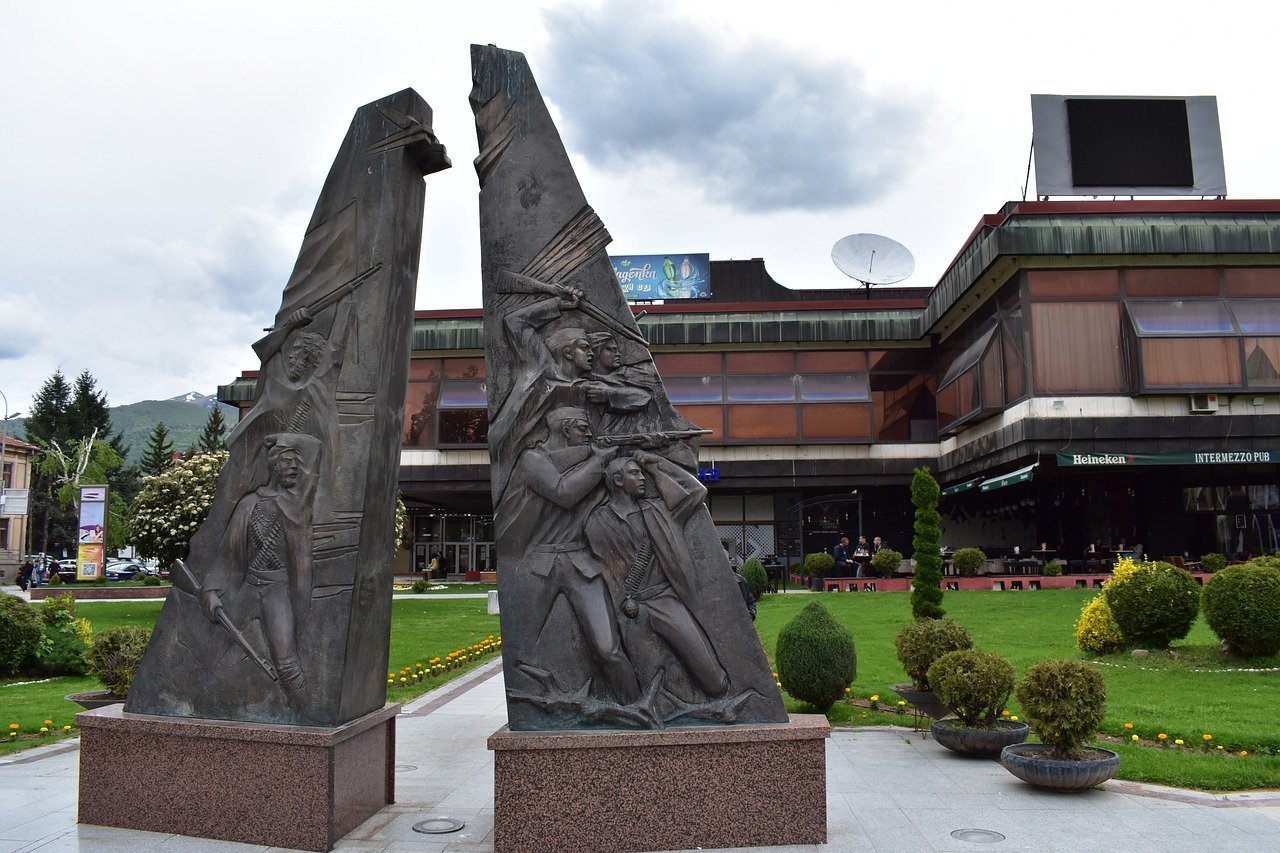
Bitola
Bitola was chosen as the capital of the First Bulgarian Empire after Ohrid fell under Byzantine rule in 1015. By decision of the reigning Bulgarian tsar, Ivan Vladislav, it became the centre of power. This period is reflected in the Bitola inscription, carved on his orders.
Read more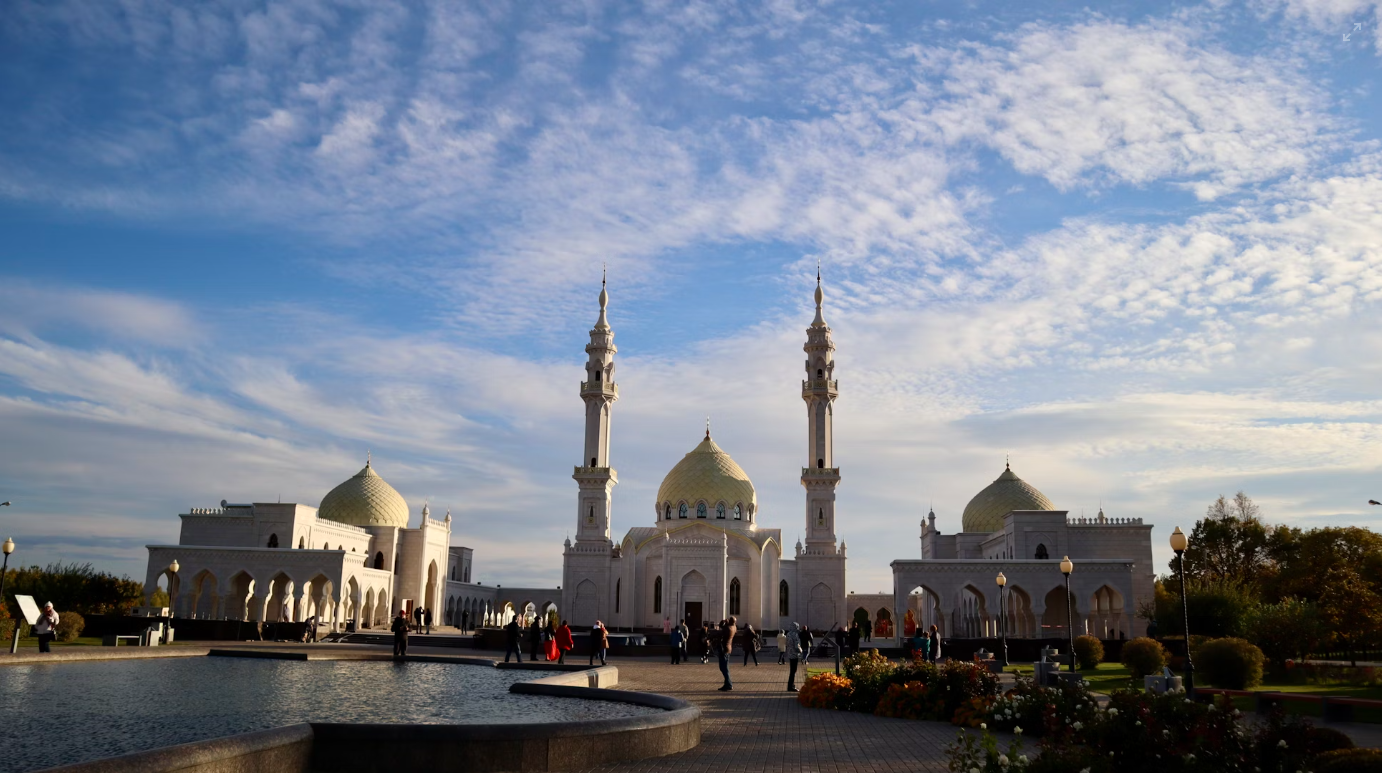
Great Bolgar
Great Bolgar was a medieval city in what is now the Republic of Tatarstan, Russia. It is included in a UNESCO World Heritage property. It stood on the left bank of the Volga, locally its southern bank, approximately 70 kilometres south of present-day Kazan.
Read more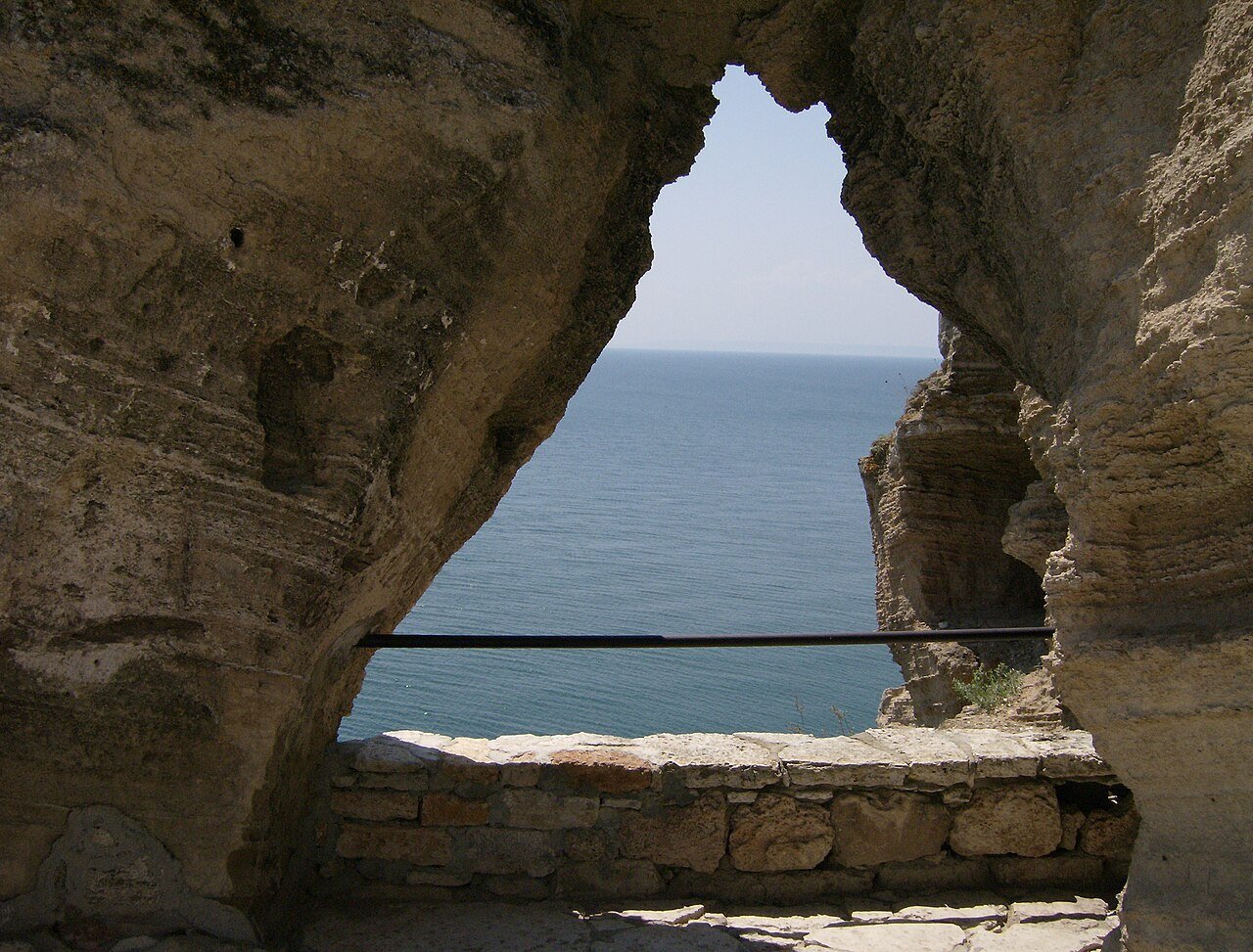
Kaliakra
In the second half of the fourteenth century, Kaliakra was chosen as the capital of the Despotate of Dobruja, which functioned as an independent Bulgarian state. The surrounding region grew remarkably and became a highly developed port and commercial centre. The despotate's successive rulers were Balik, Dobrotitsa and Ivanko.
Read more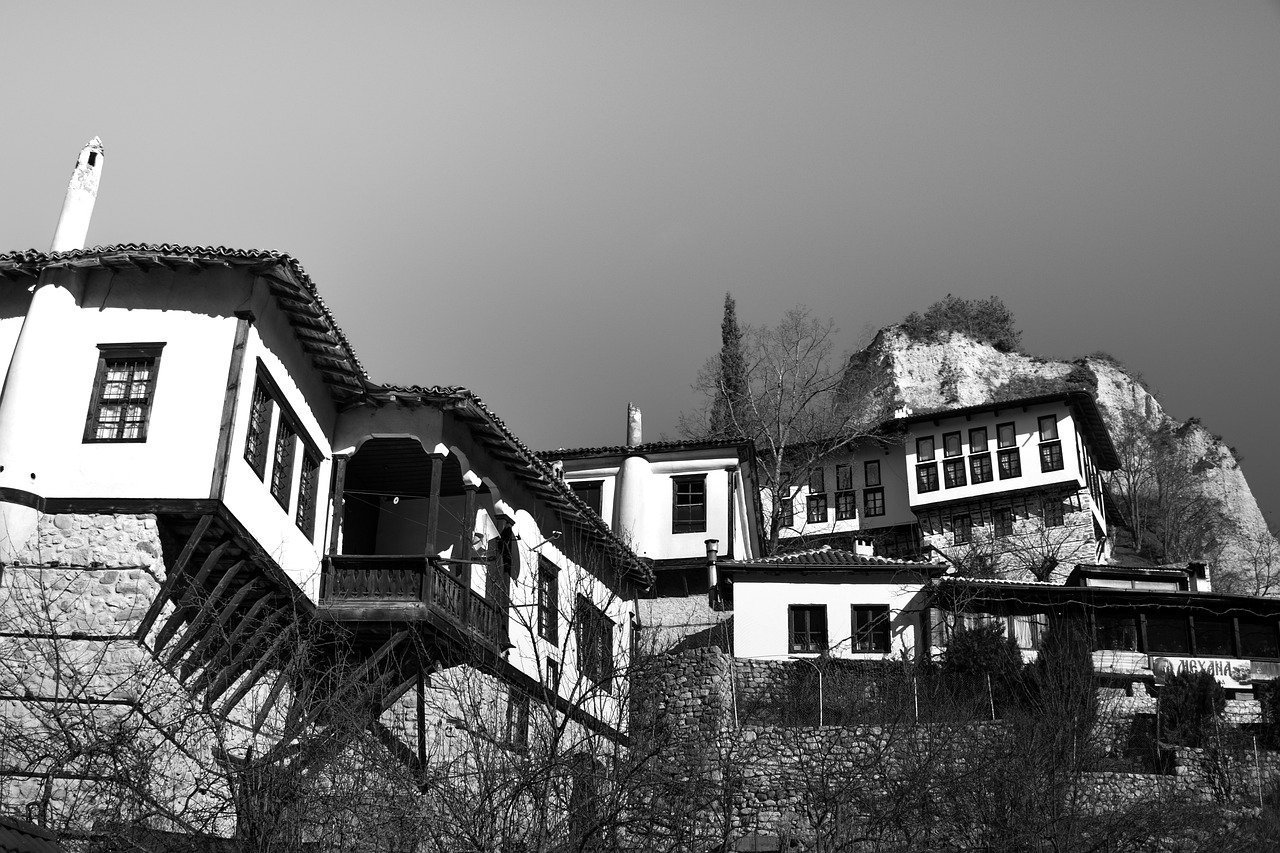
Melnik
In the early 13th century, Melnik was the capital of the lands ruled by Despot Alexius Slav, a nephew of the brothers Peter, Asen and Kaloyan. In 1207, after the murder of Tsar Kaloyan, Alexius Slav opposed the usurper Boril and withdrew to his lands in the Rhodope–Pirin region as an independent Bulgarian ruler. Archaeological finds from this period testify to an intense building boom.
Read more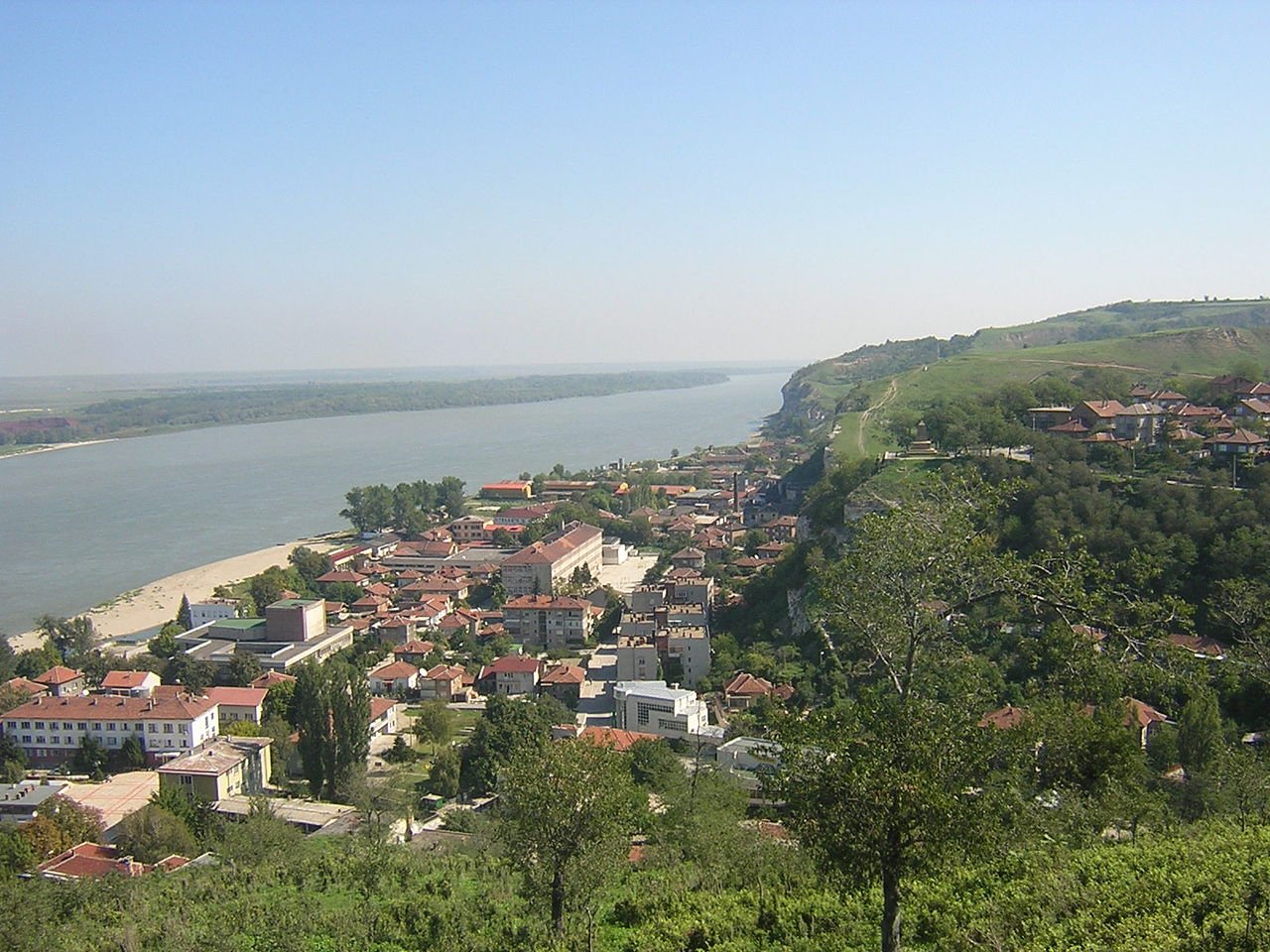
Nikopol
Between 1393 and 1395, Nikopol became Bulgaria's capital after Tarnovgrad fell under Ottoman rule and Tsar Ivan Shishman settled in Nikopol's fortress. This brief period ended in 1395, when the Turks captured the fortress and beheaded the Bulgarian tsar. Today, Nikopol is a town and the administrative centre of Nikopol Municipality in Pleven Province.
Read more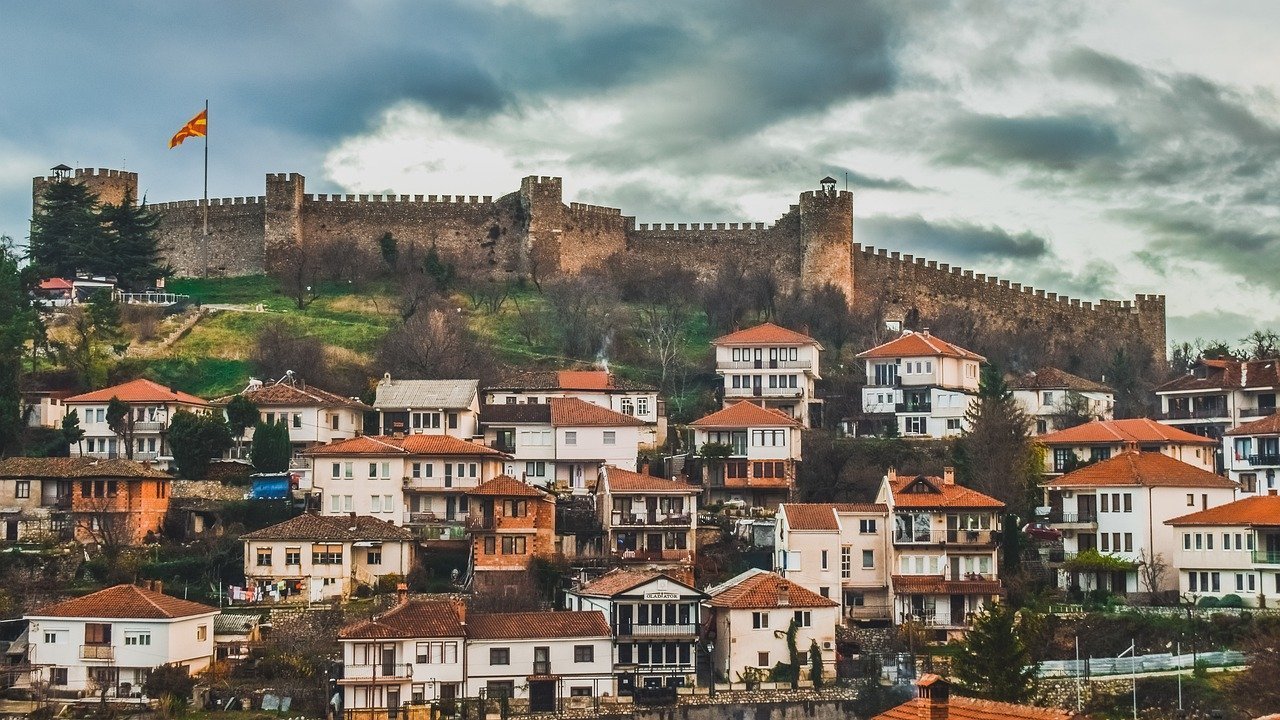
Ohrid
Ohrid was one of the most developed cultural centres of the First Bulgarian Empire, particularly during the period known as the Golden Age. Clement of Ohrid, sent as a teacher to the region of Kutmichevitsa and later Bishop of Ohrid, laid the foundations of the Ohrid Literary School together with Naum of Preslav. In the second half of the ninth century, Ohrid became a Bulgarian literary capital, creating the conditions for Bulgarian writing and culture to flourish.
Read more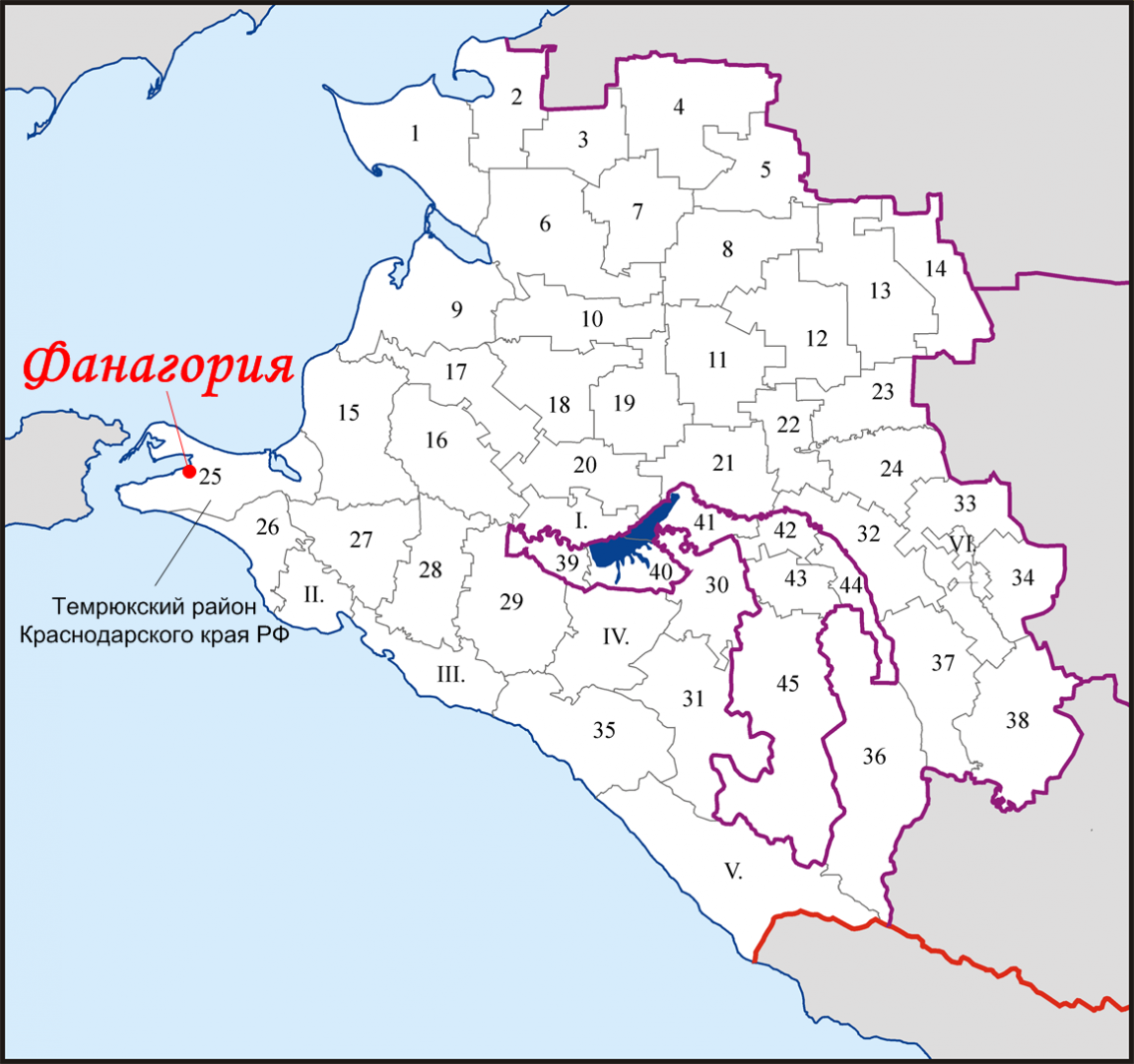
Phanagoria
Phanagoria is an ancient city on the Taman Peninsula in present-day Russia. It existed intermittently from the sixth century BC to the fifteenth century. In antiquity, it was an exceptionally important trading centre and, together with Panticapaeum, one of the principal cities of the Bosporan Kingdom.
Read more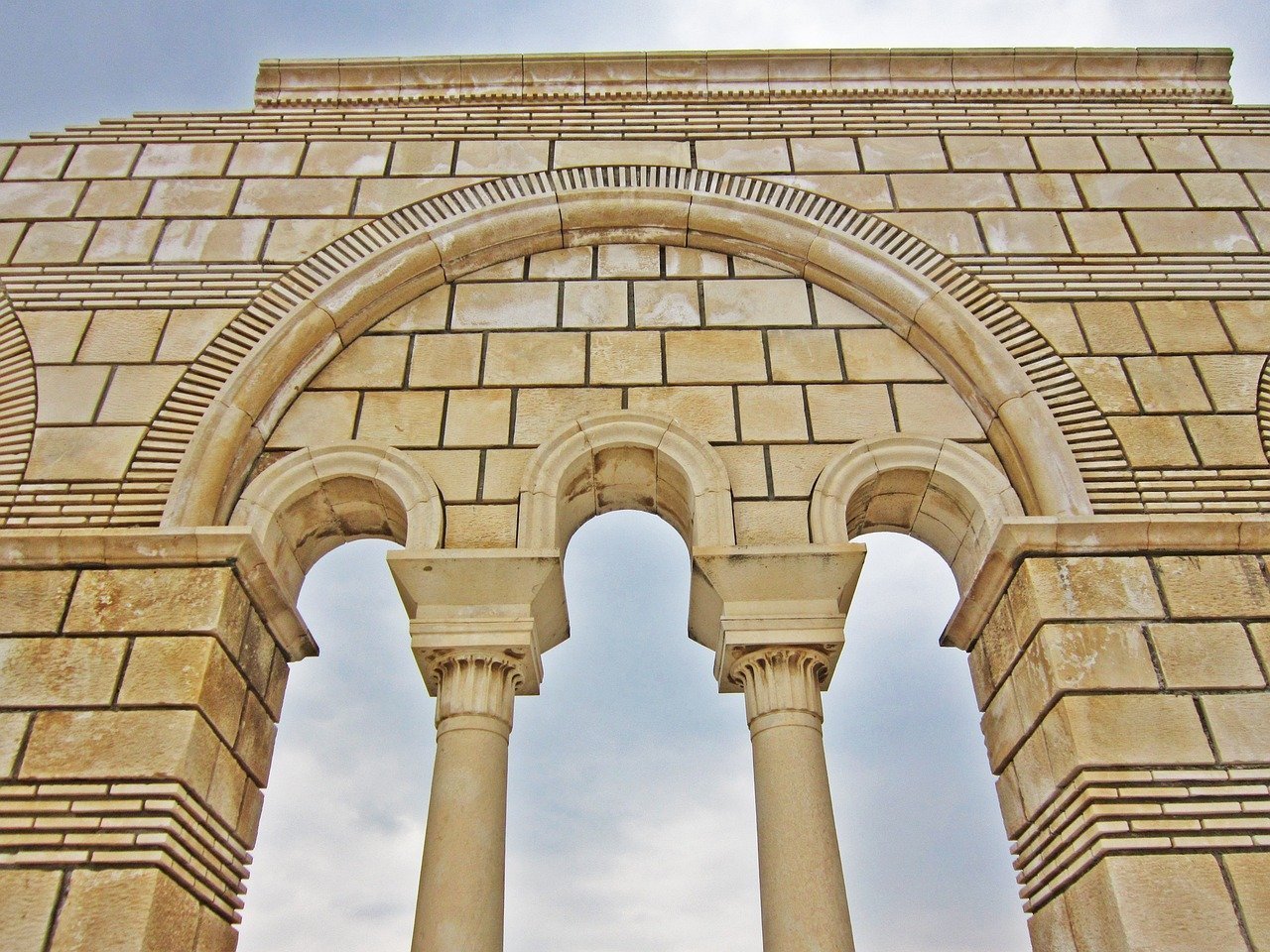
Pliska
Pliska is regarded as Bulgaria's first capital. For two centuries, from 681 to 893, it was the heart of the Bulgarian state's political, military, cultural and economic life. It also left an enduring legacy as one of the most impressive monuments of medieval European town planning.
Read more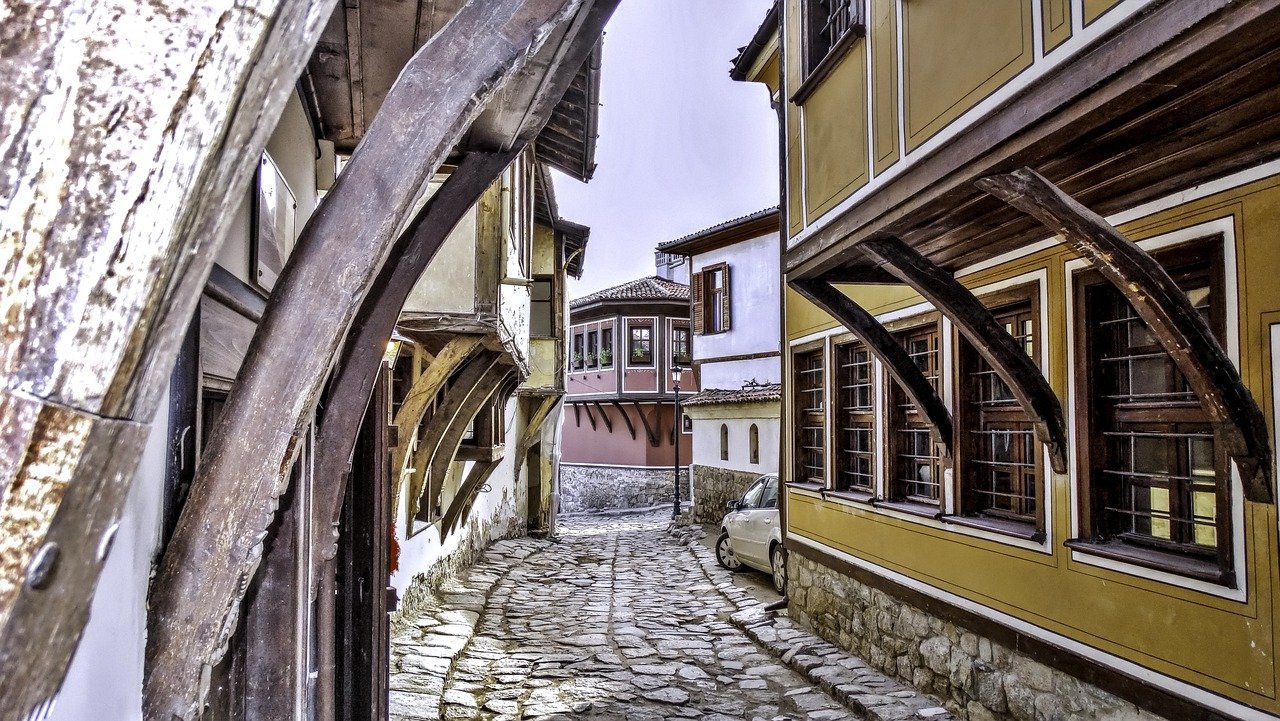
Plovdiv
In 1878, after Liberation, Plovdiv became the capital of Eastern Rumelia, the part of Bulgaria that remained within the Ottoman Empire as an autonomous province for seven years. Today, Plovdiv is one of Bulgaria's largest cities and a popular visitor destination thanks to its wealth of cultural and historical attractions. In 2019, it held the title of European Capital of Culture.
Read more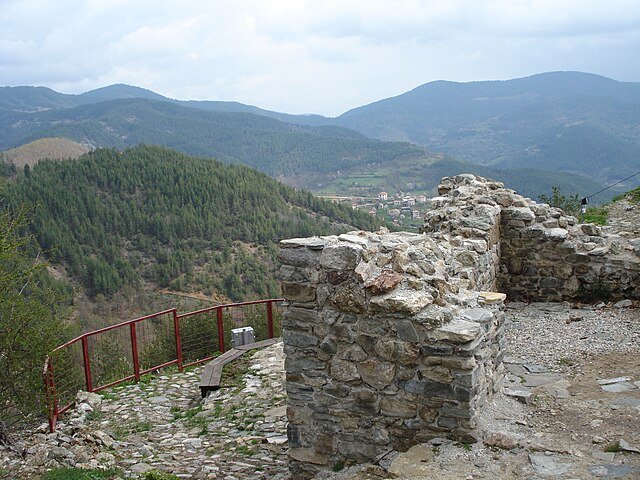
Podvis
Podvis was the first capital of Momchil, a Bulgarian feudal ruler, in the first half of the fourteenth century. Momchil, also known as Momchil the Hero, rose from an ordinary boy of the people to sebastokrator through his bravery and military achievements. His domains in the Western Rhodopes and the Aegean region were vassals of Byzantium.
Read more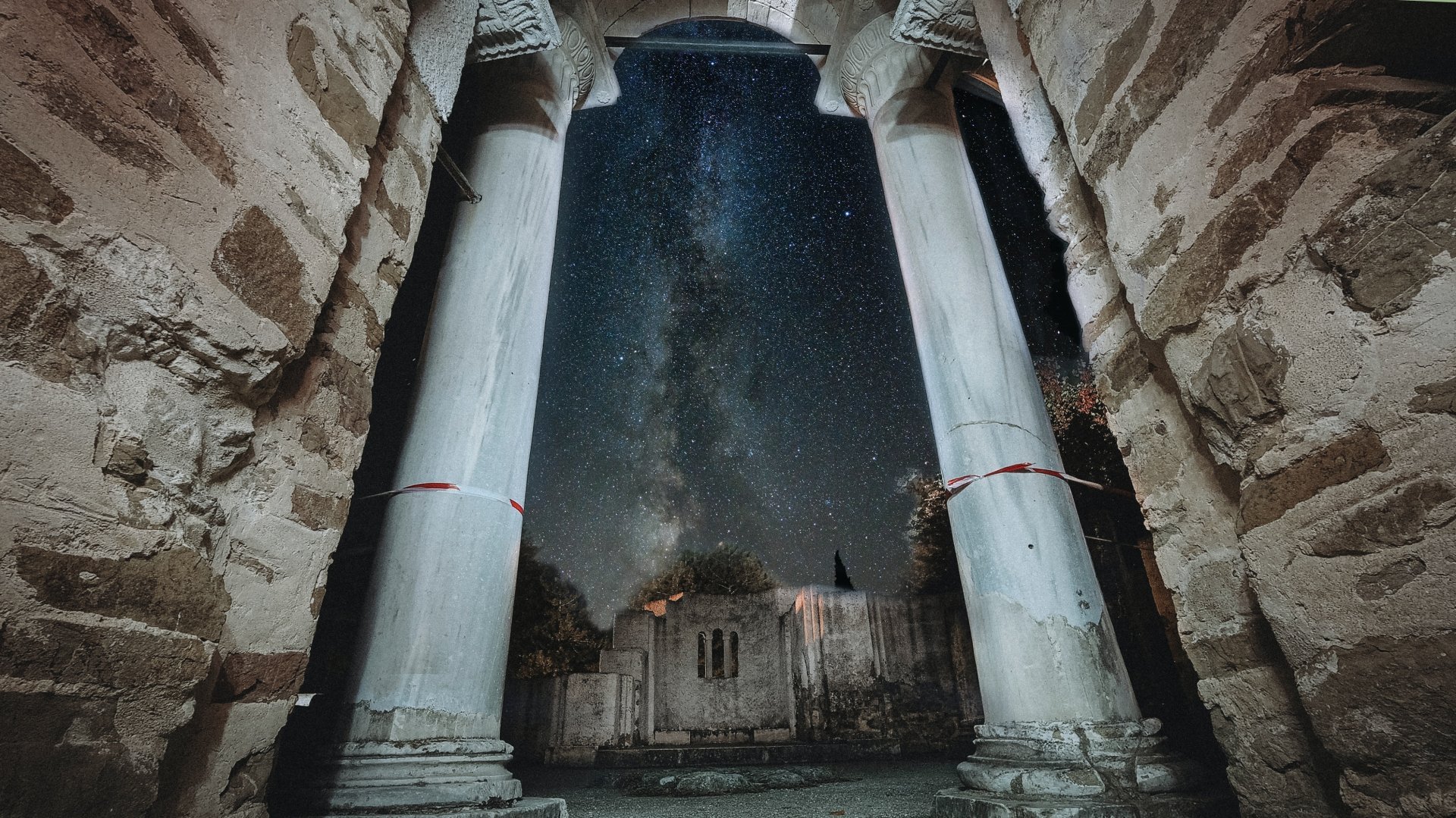
Preslav
Veliki Preslav was Bulgaria's second capital. Founded in the first half of the ninth century during Khan Omurtag's reign, it became a military camp with a fortified palace and garrison. Tsar Simeon I moved the capital of the First Bulgarian Empire from Pliska to Preslav.
Read more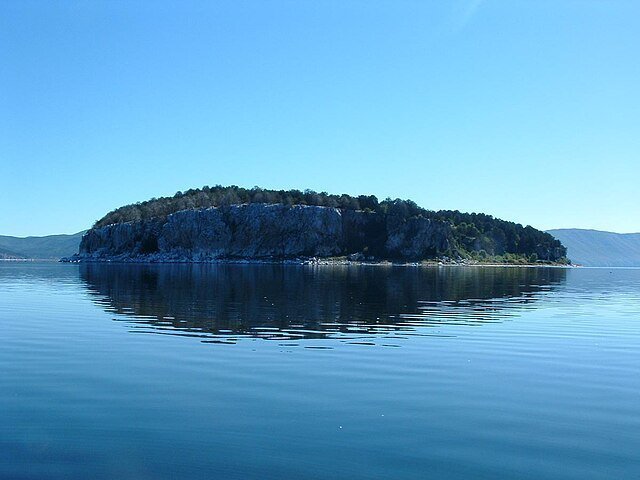
Prespa
In 971, the Bulgarian capital Veliki Preslav came under Byzantine control, after which Prespa became an important political centre. It was one of the centres of the Cometopuli uprising against Byzantine rule in the western Bulgarian lands. Prespa is thought to have been the residence of the Cometopulus David before his death in 976.
Read more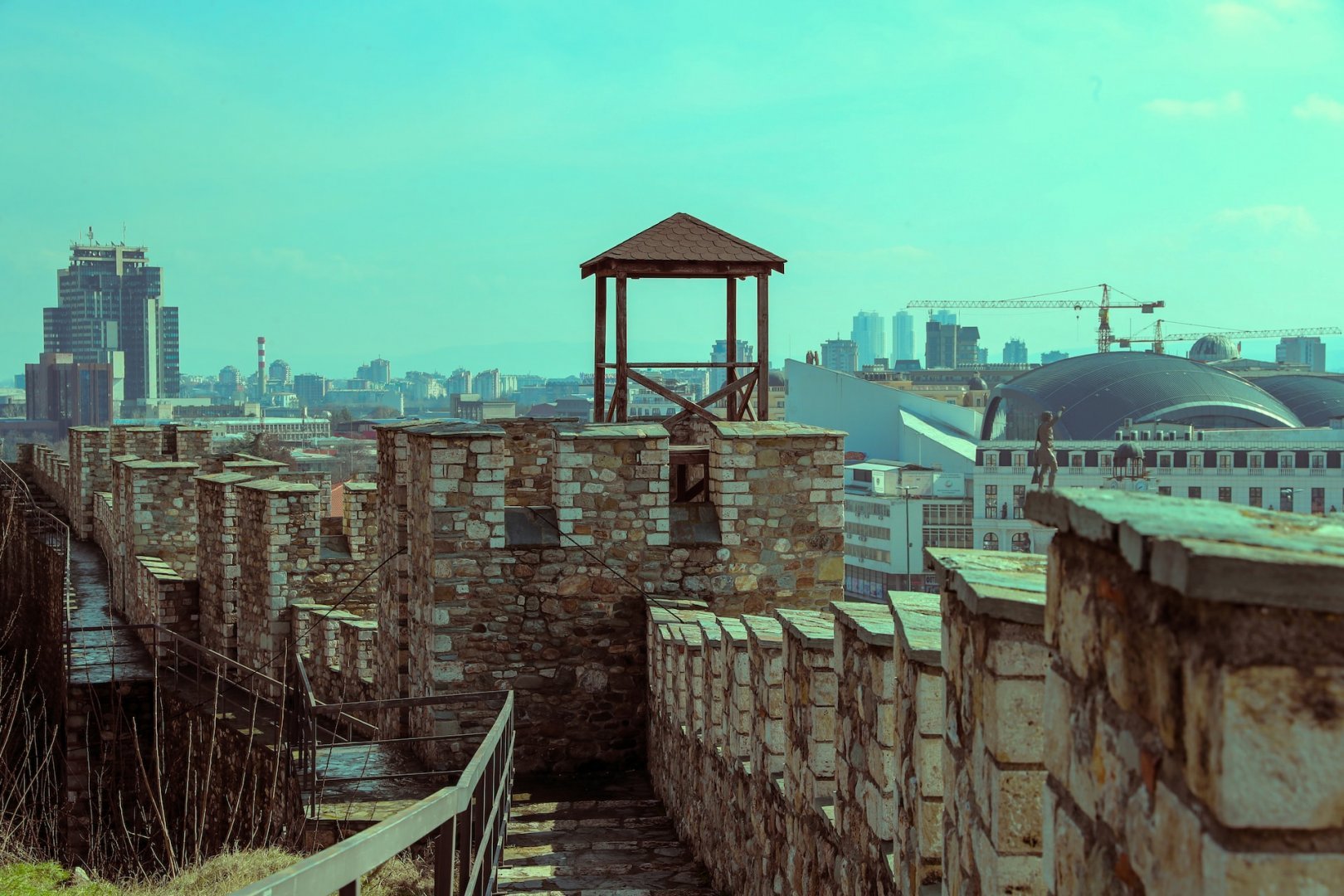
Skopje
Skopje is today the capital of the Republic of Macedonia, but many scholars consider it to have been the third capital of the First Bulgarian Empire, although Macedonian historians dispute this. The city's name comes from the Greek word skopios, translated as a tower or lookout, owing to its former location. Under Presian I and his son St Prince Boris-Michael, Bulgarian territory reached the Adriatic Sea, and Skopje was the centre of one of its nine major military and administrative districts, or komitati.
Read more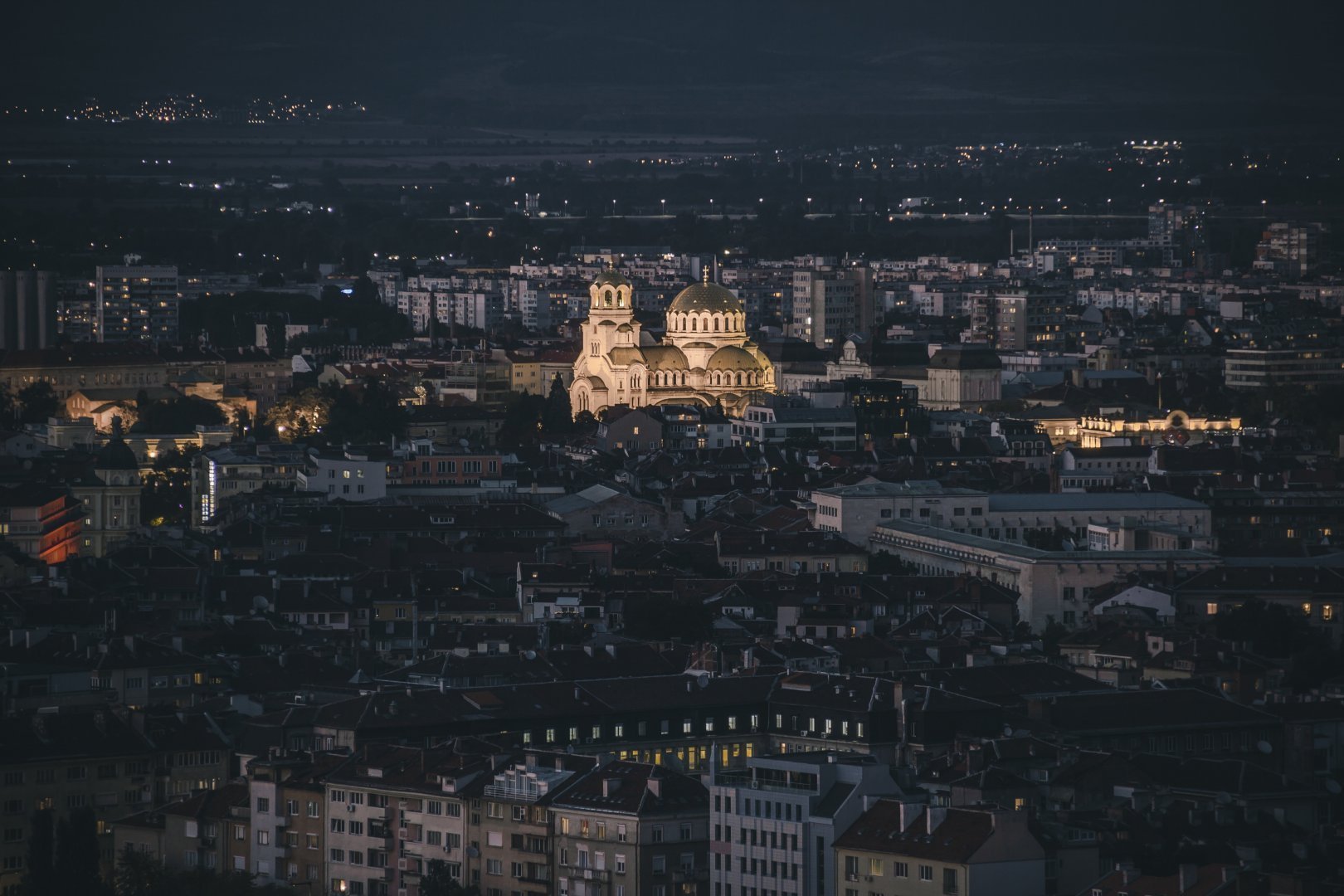
Sofia
Sofia is Bulgaria's most populous city and its present capital. It was officially proclaimed the capital on 3 April 1879 by the deputies of the Constituent Assembly, held in Tarnovo from 10 February to 16 April 1879. The decision to make Sofia the capital of the Principality of Bulgaria was unanimous.
Read moreSuvar
Suvar was the last capital of Volga Bulgaria. It became the capital after Ghazi-Baraj Burundai overthrew his predecessor, Khan Altyrbek Alan, making an agreement with the Mongols and deposing him through an attack and siege. He moved the capital from Bilyar to Suvar.
Read more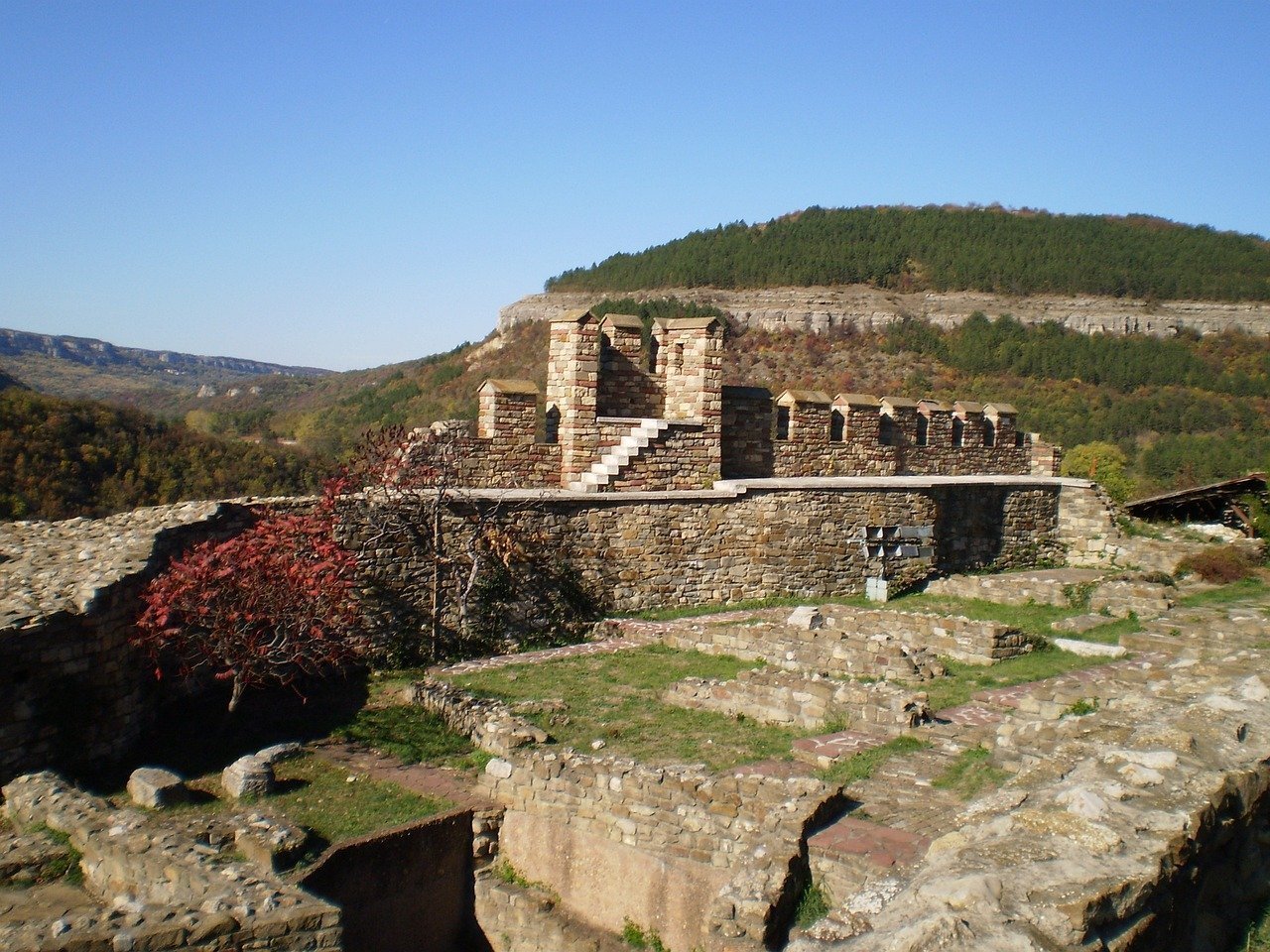
Tarnovo
Veliko Tarnovo was Bulgaria's fifth capital and the first capital of the Second Bulgarian Empire. Tarnovgrad stands on three hills of the Balkan Mountains: Tsarevets, Trapezitsa and Sveta Gora. It became the capital after the successful uprising of the brothers Asen and Peter.
Read more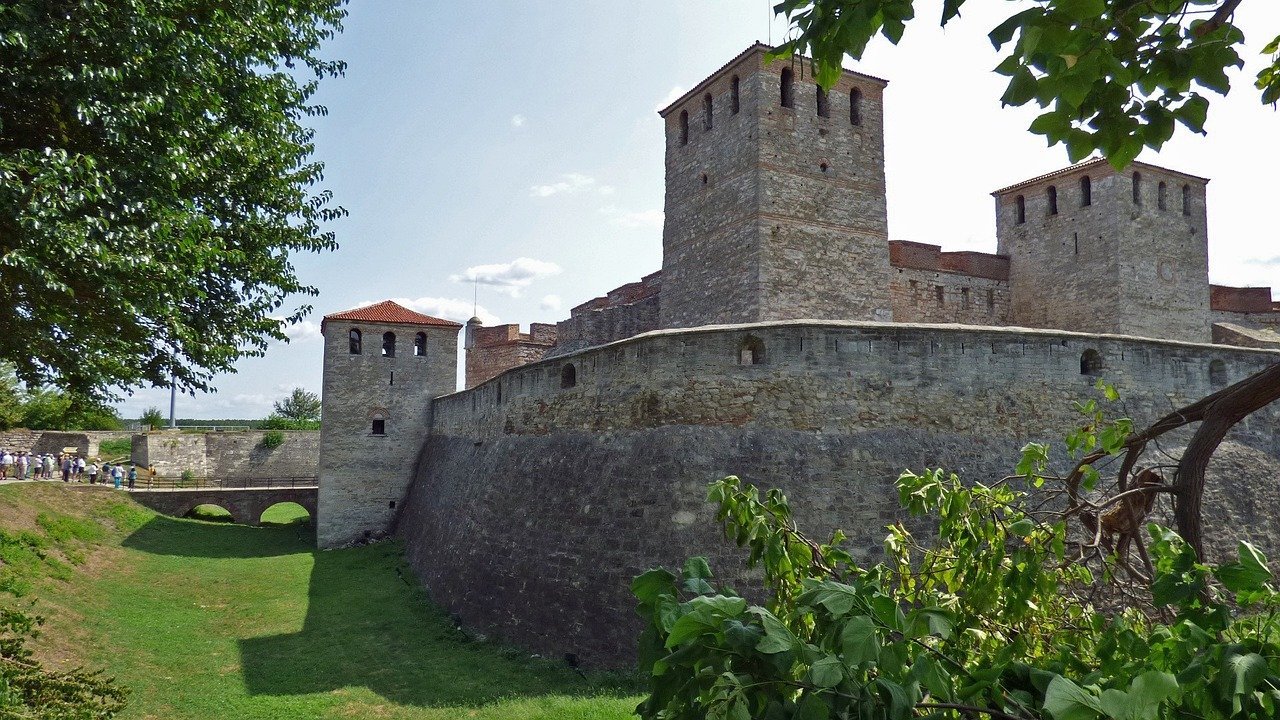
Vidin
In the mid-fourteenth century, Tsar Ivan Alexander decided to divide the Bulgarian state into two parts: the Tsardom of Vidin, with its capital at Vidin, and the Tsardom of Tarnovo. His son from his first marriage, Ivan Sratsimir, took the Vidin throne and ruled from 1356 to 1396. After Ivan Alexander divided Bulgaria, the Tsardom of Vidin became an important political and military centre in north-western Bulgaria.
Read more