Third Bulgarian State

Third Bulgarian State
Third Bulgarian State
Approximate reading time: 4 minutes
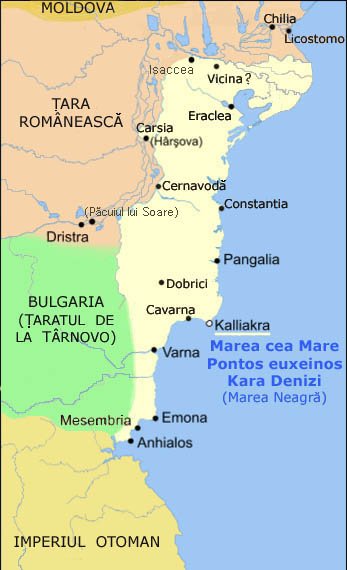
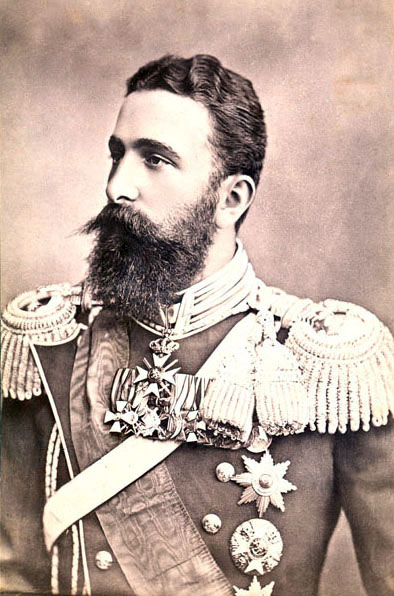
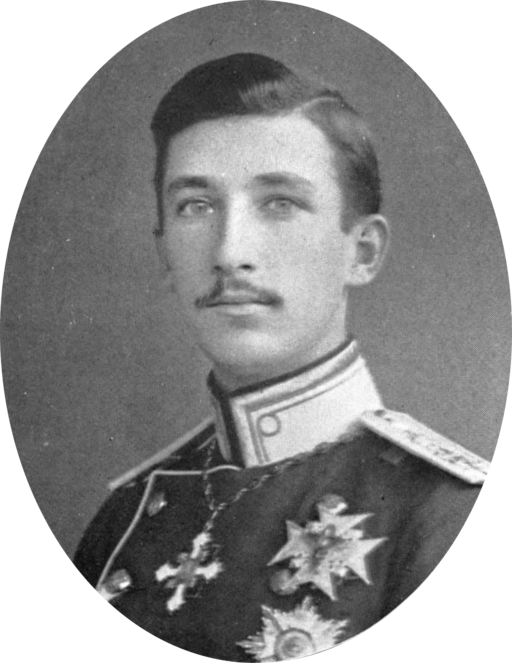
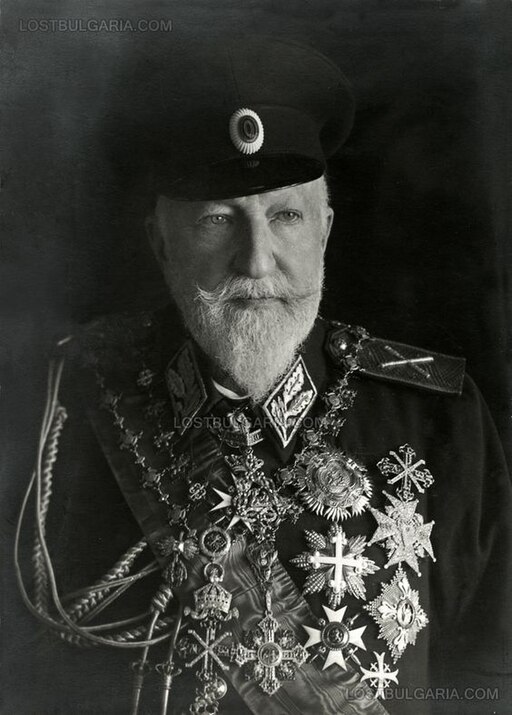
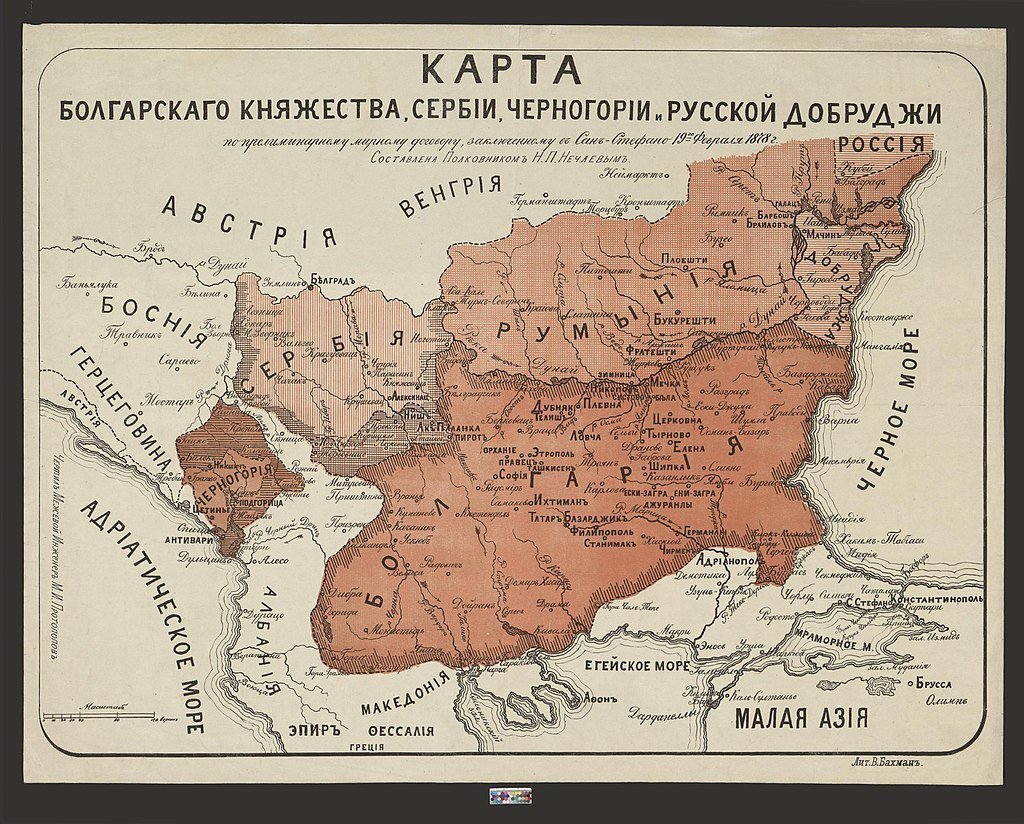
The Third Bulgarian State formally began with the liberation of the Bulgarian lands from Ottoman rule and the Treaty of San Stefano, signed on 3 March 1878. Military action for Bulgaria's liberation began with the April Uprising of 1876, organised by the Giurgiu Revolutionary Committee. Although unsuccessful, it marked a high point of Bulgarian national consciousness in the struggle for freedom. The Russo-Turkish War of Liberation of 1877–1878 was the final stage of military operations to free Balkan territories, including the Bulgarian lands, from Ottoman rule. The Treaty of San Stefano recognised a Bulgarian state extending from the Black Sea to Lake Ohrid and from the Danube to the Aegean. Territories outside its borders, including the Niš region and Northern Dobrudja as far as the Danube's mouth, were granted to Serbia and Romania respectively. Growing Russian power in the Balkans prompted the Great Powers to revise San Stefano. After the Congress of Berlin, a new treaty established Bulgaria's revised territory. Moesia and the Sofia Plain formed the Principality of Bulgaria, a vassal of the Ottoman Empire. Eastern Rumelia remained an autonomous province under Ottoman rule, with Plovdiv as its administrative centre. Macedonia and the Adrianople region of Thrace also remained Ottoman. Following the signing of the Treaty of Berlin, the First Constituent National Assembly was convened in Veliko Tarnovo on 16 April 1879 and adopted the Tarnovo Constitution, marking the rebirth of the Bulgarian state. Legislative power lay with the prince and the National Assembly. Prince Alexander I of Battenberg (1879–1886) and the two main political currents, Liberals and Conservatives, sought to restore the borders proposed at San Stefano. The Liberals looked to Russia for assistance, while the Conservatives and the prince relied on the West. On 6 September 1885, the Unification of Eastern Rumelia and the Principality of Bulgaria was proclaimed in Plovdiv. Bulgaria continued to seek full independence. In 1886, military officers supported by Russia staged a coup against Alexander I. Stefan Stambolov's attempts to restore him were unsuccessful, and a regency council headed by Stambolov was appointed. It governed until the election of a new prince, Ferdinand I of Saxe-Coburg and Gotha, by the Third Grand National Assembly in 1887. He ruled as prince until 1908, when independence was proclaimed and he became Tsar of the Bulgarians.
Share:


Rulers during this period