Roman and Byzantine rule

Roman and Byzantine rule

Roman and Byzantine rule
Approximate reading time: 2 minutes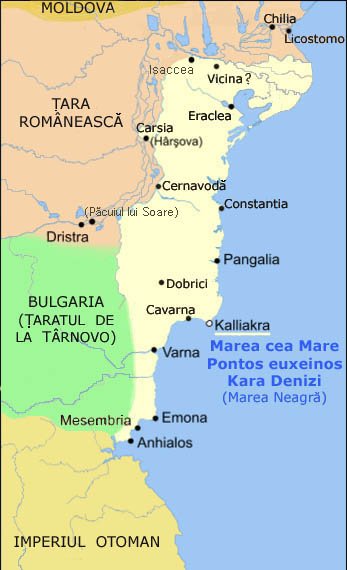
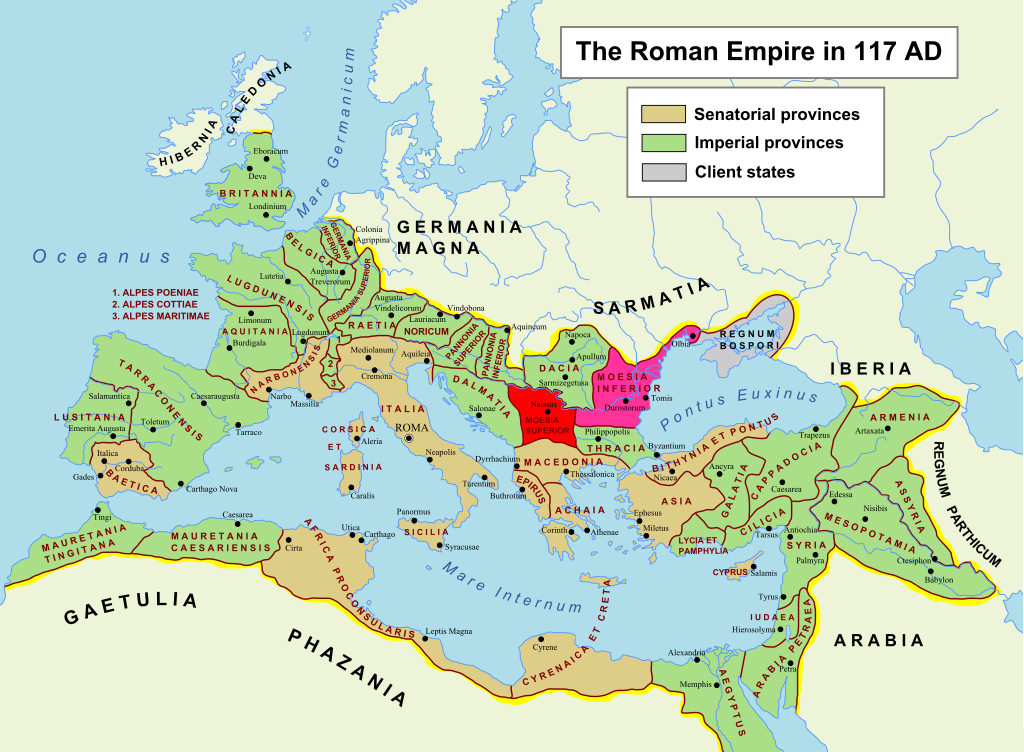
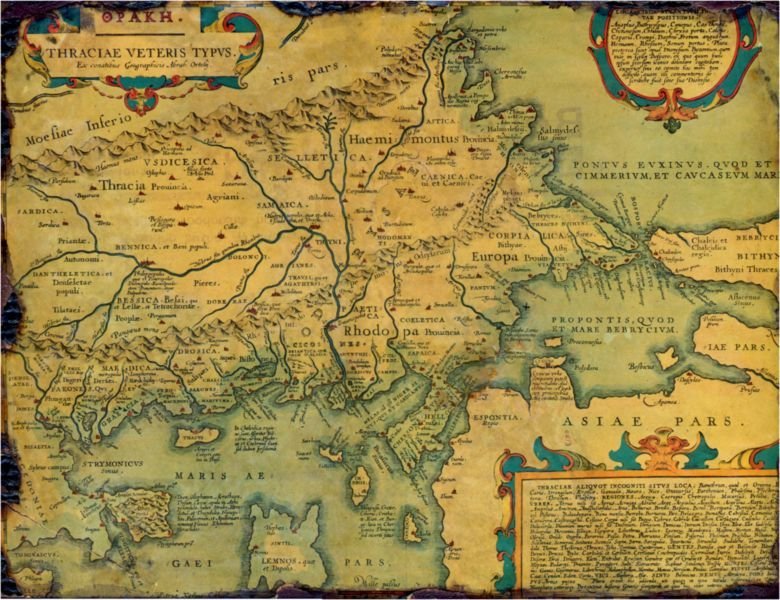
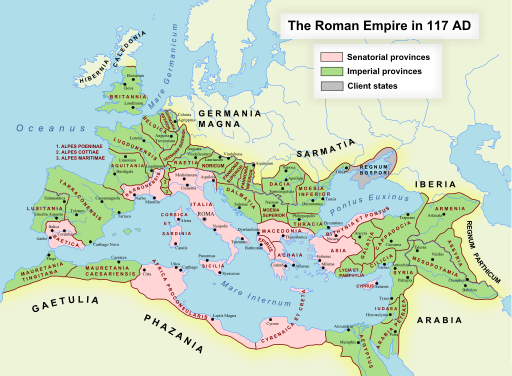
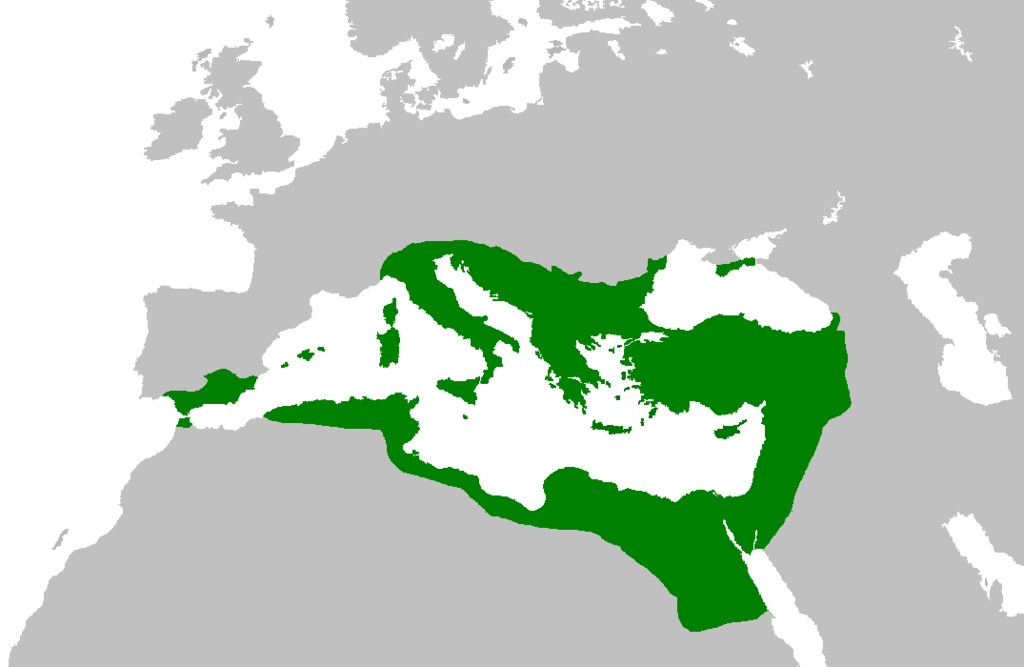
Roman authority in the territory of present-day Bulgaria began to take hold during the Roman Empire. The final conquest of Thrace took place in 29–27 BC, when the Roman commander Marcus Licinius Crassus launched a major campaign. Initially, the northern Thracian lands were administered as a military district, or prefecture, under the governor of Macedonia, covering a relatively narrow strip along the Danube. Around AD 15, these territories were formally constituted as the Roman province of Moesia. East of the Yantra, as far as the Black Sea coast and the Danube's mouth, lay the lands of the Getae. These were initially granted to the Odrysian Kingdom, Rome's ally. This arrangement lasted until AD 45, when Emperor Claudius annexed the kingdom and formed the province of Thrace. The reforms of Diocletian and Constantine the Great in the late third and early fourth centuries stabilised the Roman Empire. Administrative changes increased the number of provinces and grouped them into larger units, such as dioceses and prefectures. Five new provinces were created from the former Upper and Lower Moesia, and four from the former province of Thrace. Constantine introduced important changes, including moving the imperial capital from Rome to Byzantium, now Istanbul, subsequently renamed Constantinople. The Thracian provinces became immediate neighbours of the new capital. This brought temporary economic revival and stronger defences against renewed barbarian invasions. In 313, Constantine issued an edict permitting Christianity as an official religion of the Roman Empire. Later in the fourth century, it became the dominant religion throughout the empire.
Share:


Rulers during this period
