Mraka

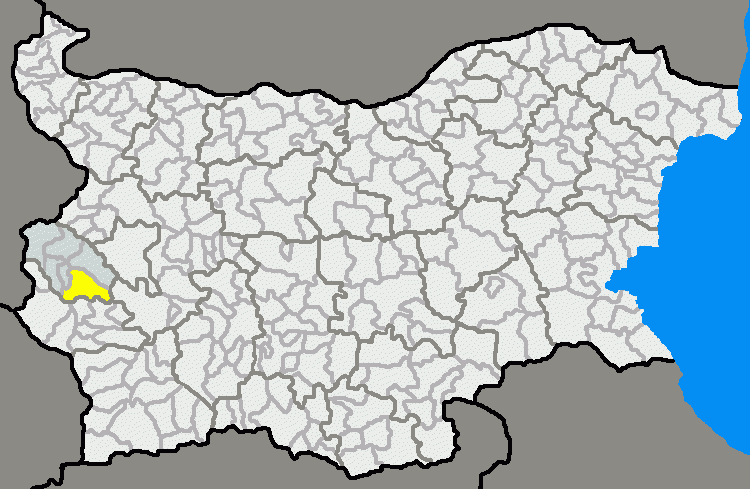
Mraka is a historical and geographical region in modern western Bulgaria, encompassing the north-eastern slopes of the Konyavska and Zemen Mountains. It also includes the Radomir Plain.
During Ottoman rule (1396–1878), Mraka, like other parts of western Bulgaria, came directly under the Ottoman administrative system. The region formed part of the Sanjak of Kyustendil within the Eyalet of Rumelia. During this period, its villages suffered from heavy taxation and periodic attacks by Circassians and bashi-bazouks. The local population frequently joined the hajduk movement, and the Konyavska and Zemen Mountains sheltered numerous hajduks and members of revolutionary detachments.
During the uprising of 1850, the struggle for liberation revived in western Bulgaria, with active centres of discontent in Mraka as well. In the late nineteenth century, during preparations for the April Uprising of 1876, some villages in the Radomir region became centres of revolutionary committee activity.
Following the Liberation, during the Third Bulgarian Kingdom (1878–1946), Mraka was quickly integrated into the newly established administrative structure of the Principality of Bulgaria. The Radomir Plain became a centre of agriculture and crafts. During the First World War, the celebrated Radomir Republic emerged in the region in September 1918, headed by Aleksandar Stamboliyski, symbolically proclaiming the overthrow of the monarchy. Government forces quickly suppressed the revolt, but it left a lasting mark on Bulgaria's political history.
During the Second Balkan War and the world wars, many inhabitants of the region gave their lives at the front. In the 1930s and 1940s, the area developed economically and culturally, with schools, community cultural centres and cooperatives established in Radomir and its surrounding villages.
Share:


