Historic sites

181 results
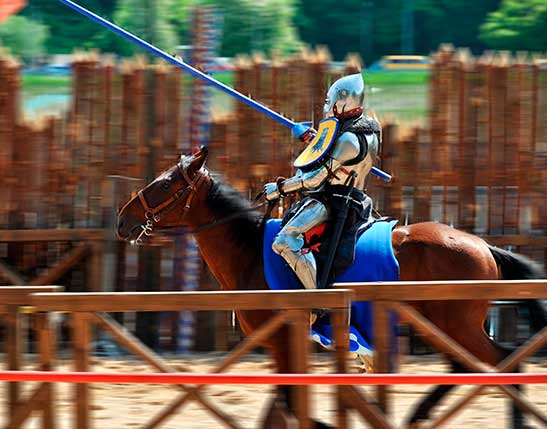
Aglikina Polyana
Aglikina Polyana is a historic locality thirty-eight kilometres northwest of Sliven in the Sliven Balkan Mountains. It is a broad meadow surrounded by centuries-old oak and beech trees, near the Vratnik mountain pass and approximately one to two kilometres east of the mountain pasture. During Ottoman rule, Aglikina Polyana became known as a gathering place for hajduks.
Sliven Balkan Mountains, No information
Read moreAkra Early Byzantine Fortress
In the late fifth century, during Emperor Anastasius's reign, a defensive wall was built at Cape Akra, enclosing the cape's narrow southern section. This fortress played a key role in protecting the population of St Nicholas Peninsula, within Chernomorets's territory. In 2012–2013 a team from the National Museum of History, led by Associate Professor Dr Ivan Hristov, investigated the wall and the area inside the cape.
St Nicholas Peninsula near Chernomorets, Sixth century
Read more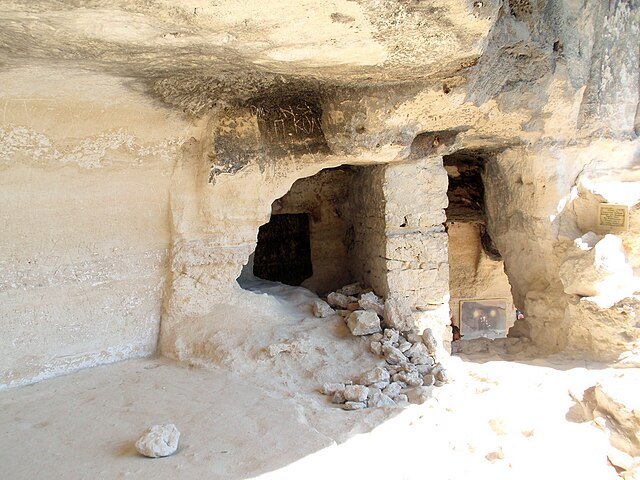
Aladzha Monastery
Aladzha Monastery is a medieval rock-hewn monastery in Bulgaria. Its caves are cut on several levels into a twenty-five-metre-high vertical karst cliff near the upper edge of the Franga Plateau, and the complex includes two small nearby catacombs. Its old Christian name is unknown, but according to a tradition recorded by Karel Škorpil, its patron was St Spas, from Christ the Saviour.
Varna Province, 3 km from Golden Sands resort, Twelfth–thirteenth century
Read moreAlbotin Rock Monastery
The Albotin, or Albutin, Rock Monastery is an inactive medieval rock-cut monastery within the Kula ecclesiastical district of the Vidin Diocese. It lies in the Albotin, or Albutin, locality along the River Topolovets, between the villages of Gradets and Rabrovo, near Deleyna. The monastery is reached by a steep, narrow sandy path, at the foot of which stands the Hayduk Fountain.
Northwestern Bulgaria, 14th century
Read more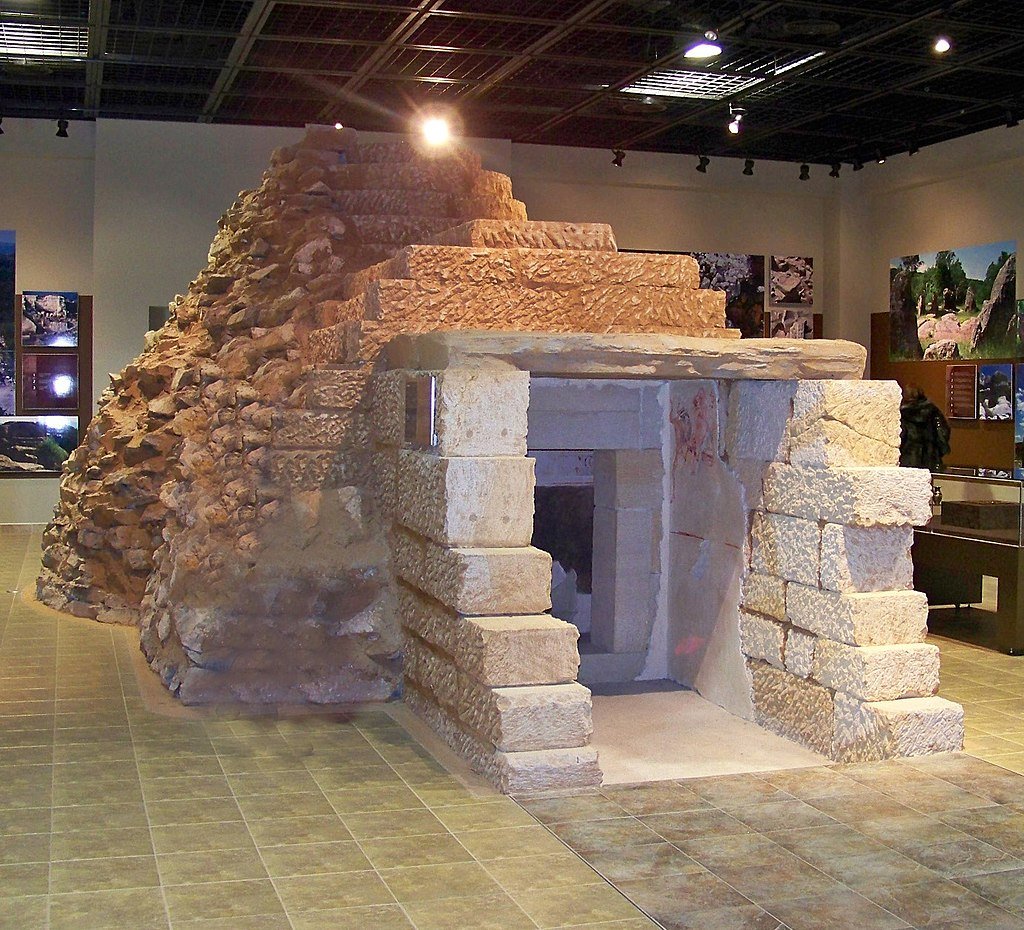
Aleksandrovo Tomb
The Aleksandrovo Tomb, discovered in 2000 in the Roshavata Chuka mound near the village of Aleksandrovo in Haskovo Province, is a historical treasure dating to the fourth century BC. Containing the remains of a Thracian king or high-ranking aristocrat, it has been looted over time but attracts attention for its unique wall paintings. The tomb lies in the Roshavata Chuka mound, approximately 500 metres east of Aleksandrovo.
Haskovo Province, near Aleksandrovo, Fourth century BC
Read moreAncient City of Heraclea Sintica
In antiquity the Thracian tribe of the Sinti, or Sintians, inhabited the territory of present-day Petrich Municipality. As early as the fifth century BC, they lived south of the Maedi, extending northwest between the Maedi and Paeonians. Social and economic relations among the Sintians of the Struma valley appear to have been advanced, leading to the creation of urban settlements in their territory.
Petrich Municipality, Fifth century BC
Read more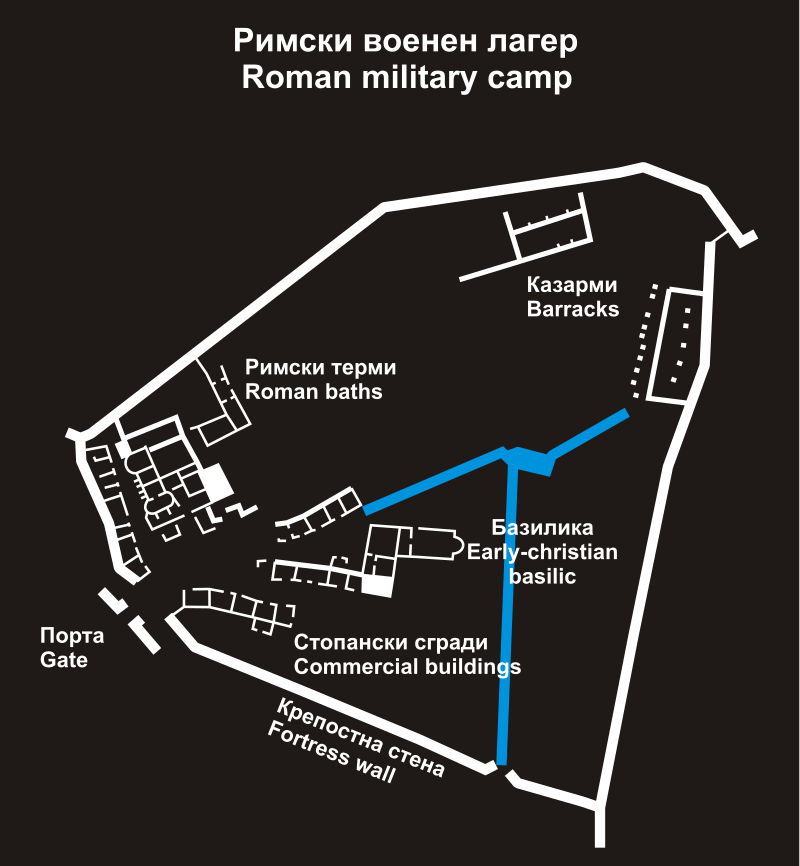
Ancient City of Kabile
The ancient city of Kabile was founded around the fourth century BC at the foot of Zaychi Vrah, near the bend of the Tonzos, or Tundzha, River. The region is an important crossroads of ancient routes linking different parts of Thrace with the Danube valley. The city flourished in the fifth–fourth century BC, establishing trading links with various cities of the Aegean world.
Yambol Province, Around the fourth century BC
Read more
Ancient City of Nessebar
Nessebar is an ancient town and one of the principal resorts on Bulgaria's Black Sea coast, situated in Burgas Province. It is the administrative centre of Nessebar Municipality. Often called the "Pearl of the Black Sea", Nessebar is a rich museum town shaped by more than three millennia of constantly changing history.
Burgas Province, Nessebar, 3000 BC
Read more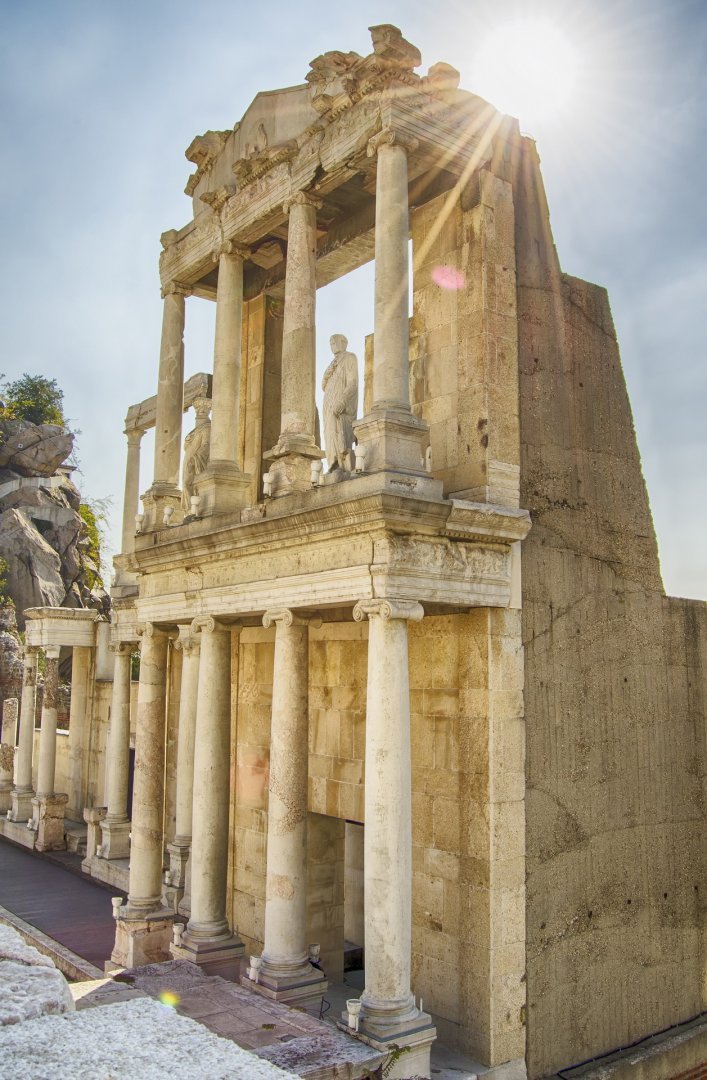
Ancient Theatre of Plovdiv
The Ancient Theatre of Philippopolis is exceptionally well preserved and is one of Plovdiv's most impressive architectural monuments. Situated between Dzhambaz Tepe and Taksim Tepe, it was built during the reign of the Roman emperor Marcus Ulpius Trajan, around the second century AD. The theatre faces south, offering a spectacular view of the ancient town and the Rhodope Mountains.
Plovdiv, AD 108–114
Read moreAquae Calidae Settlement
Aquae Calidae, formerly Therma and Thermopolis, is a historic settlement in the territories of Burgas's Vetren and Banevo districts. During the Middle Ages it was also known as Thermopolis. Its mineral baths were visited by historical figures including Philip II of Macedon, the Byzantine emperors Justinian I and Constantine IV Pogonatos, the Byzantine empress Ino Anastasia, the Bulgarian kan Tervel and Sultan Suleiman the Magnificent.
Burgas, From the first millennium BC
Read more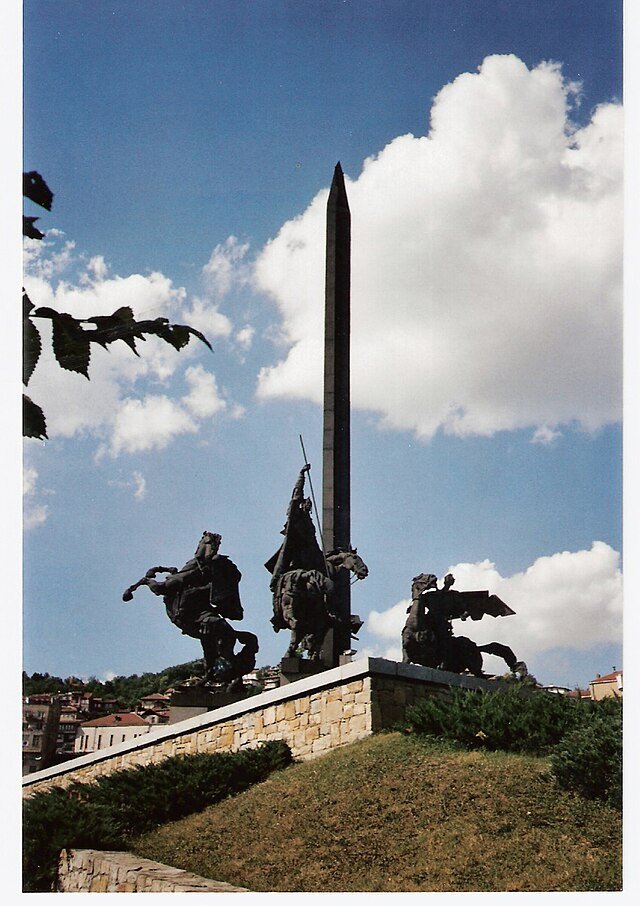
Asen Dynasty Monument
The Asen Dynasty Monument, also known as the Monument to the Asen Dynasty or the Horsemen, is an imposing monument in Veliko Tarnovo dedicated to the Bulgarian tsars Asen, Peter, Kaloyan and Ivan Asen II. This remarkable monument stands in the Boruna locality, on a rocky promontory by the River Yantra, creating the impression of a natural amphitheatre. Situated near the Boris Denev State Art Gallery and Stambolov Bridge, the monument forms part of the city's historic landscape.
Veliko Tarnovo, 16 November 1985
Read more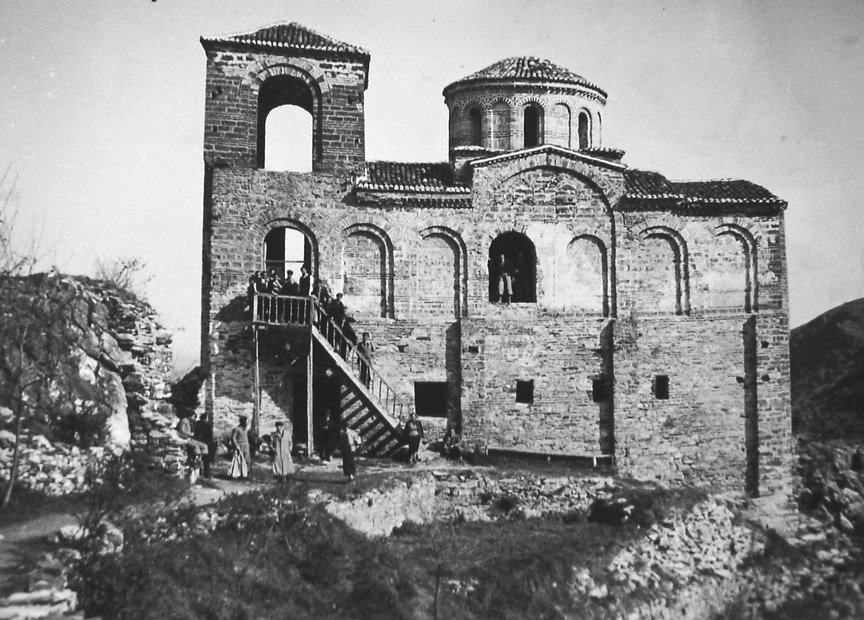
Asen’s Fortress
Asen’s Fortress stands in the Rhodope Mountains, 2 km from Asenovgrad. It consists of a defensive wall enclosing an inner fortification, or citadel. In addition to the wall, the fortress was protected by its strategic position.
Southern Bulgaria, Second half of the 9th century
Read more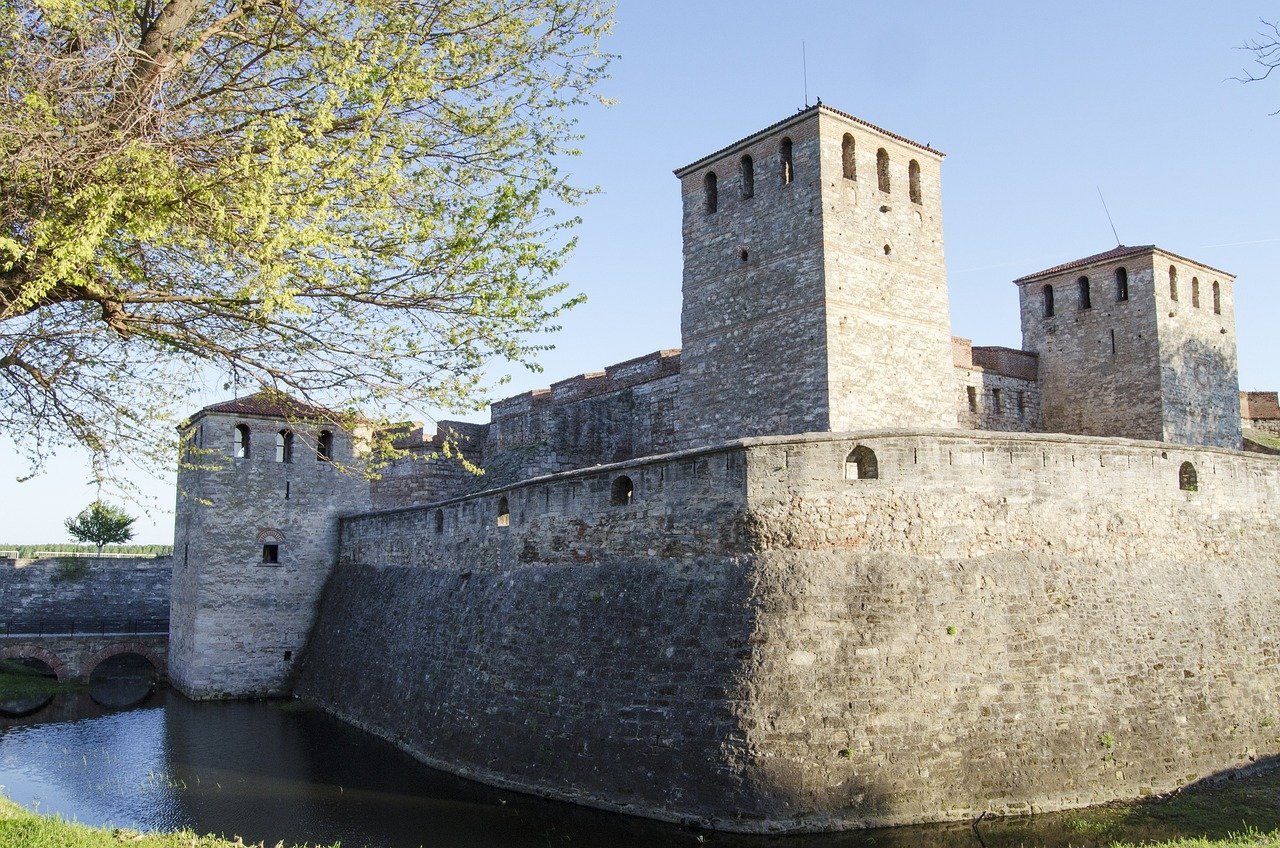
Baba Vida Fortress
Baba Vida is a medieval fortress in Vidin, regarded as Bulgaria's only fully preserved fortress. It performed many functions in different historical periods, including serving as the local ruler's castle and as an arsenal and prison under Ottoman rule. The fortress is also known as "Grandmother Vida's Towers", a name derived from a legend about the sisters Vida, Kula and Gamza, who inherited the local ruler's possessions.
Northwestern Bulgaria, Vidin, Tenth century
Read more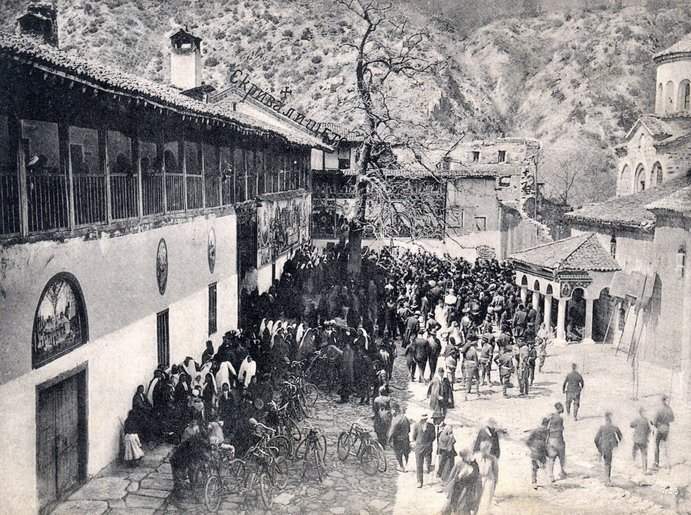
Bachkovo Monastery
The Bachkovo Monastery of the Dormition of the Mother of God is Bulgaria's second-largest monastery after Rila. It lies near Bachkovo in Asenovgrad Municipality, Plovdiv Province. The monastery is stavropegial, which means that it is autonomous and subordinate only to its own administration, rather than to the Church.
Plovdiv Province, near Bachkovo, Eleventh–twentieth century
Read more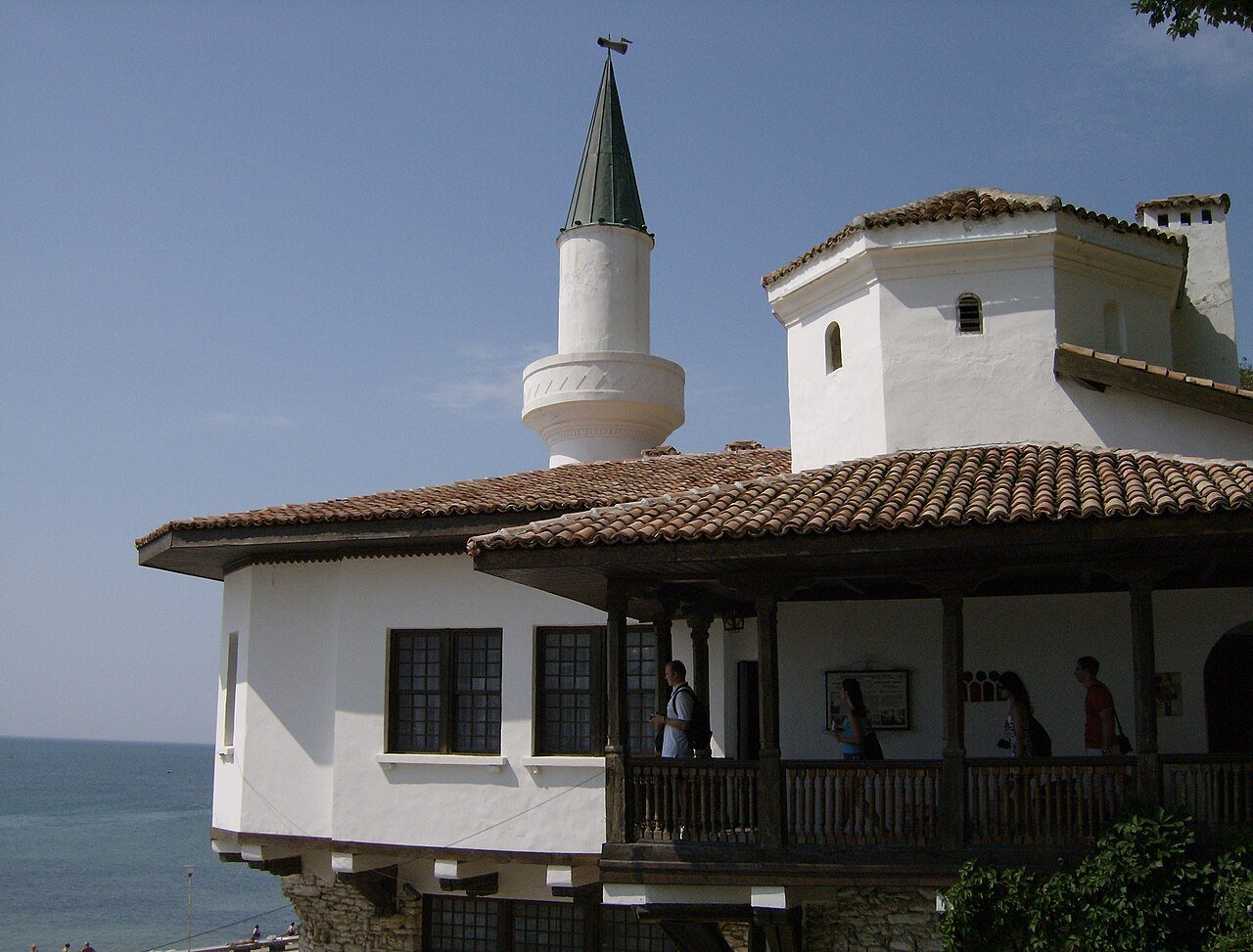
Balchik Palace
The Palace architectural and park complex lies about 2 km southwest of central Balchik, in Dobrich Province. The complex includes villas and other buildings on the Black Sea shore and is one of the main tourist attractions on the northern Black Sea coast. Following the return of Southern Dobruja in 1940, the palace came within Bulgaria's borders.
Balchik, 1924
Read more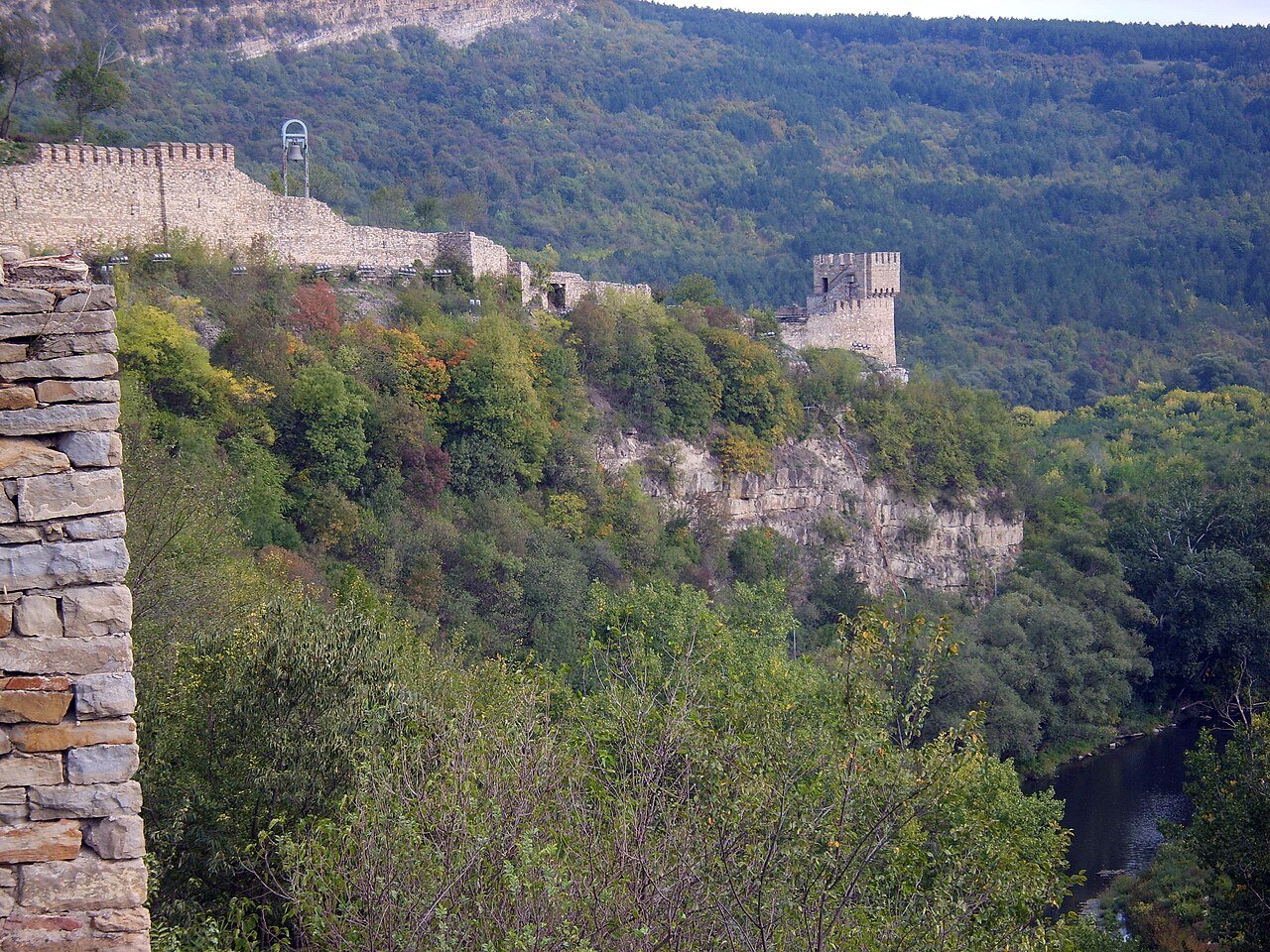
Baldwin's Tower
Baldwin's Tower, in the Tsarevets Architectural and Museum Reserve in Veliko Tarnovo, is a southeastern defensive tower intended to protect the most vulnerable points of the Tsarevgrad Tarnovo fortress: the Frenkhisar Gate and the water source at the Yantra River. The tower's name is associated with medieval legends about the Latin emperor Baldwin of Flanders. According to some traditions, Baldwin vanished without trace after the Battle of Adrianople in 1205; others say that he was captured by the Bulgarian tsar Kaloyan and met his death in this tower.
Tsarevets Fortress, Veliko Tarnovo, Twelfth–fourteenth century
Read more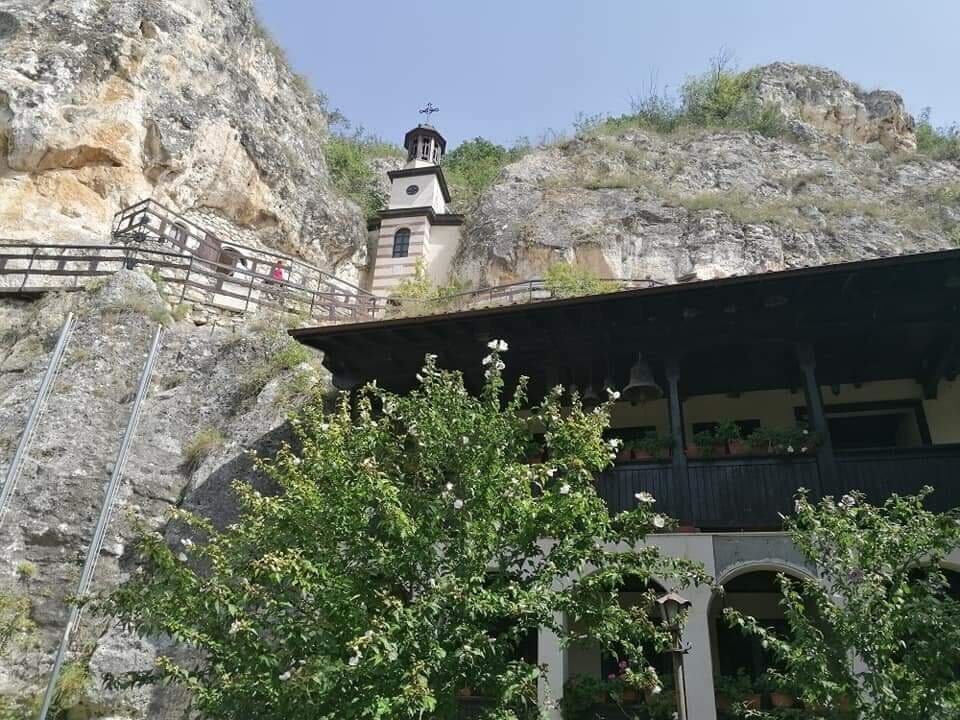
Basarbovo Monastery
The Basarbovo Monastery of St Dimitar of Basarbovo is a unique rock-hewn monastery in Bulgaria, the only one of its kind in the country whose church is accessible to visitors every day. It stands in the Rusenski Lom River valley near Basarbovo in Ruse Municipality, ten kilometres from Ruse. In 1978 it was declared an archaeological cultural monument of local significance.
Ruse Municipality, near Basarbovo, Twelfth–fourteenth century
Read moreBatoshevo Monastery
The Monastery of St John the Forerunner lies approximately 17 km south of Sevlievo, 22 km west of Gabrovo and 50 km southwest of Veliko Tarnovo. It stands on a high slope west of the Rositsa River, around four kilometres south-southwest of Batoshevo and one kilometre west of Popska. Historical evidence indicates that it was founded in the thirteenth century during Michael II Asen's reign.
Gabrovo Province, Batoshevo village, Thirteenth century
Read moreBegliktash
Begliktash, or Beglik Tash, is situated on Bulgaria's Black Sea coast, five kilometres from Primorsko and forty kilometres from Burgas, in the Strandzha foothills. It is a natural ensemble of syenite blocks of different sizes and shapes, formed in situ by spheroidal weathering of rocks of the Rosen pluton. It is also one of Bulgaria's largest prehistoric megalithic sanctuaries, near the Zigra River valley.
Near Primorsko, Fourteenth century BC–fifth century AD
Read more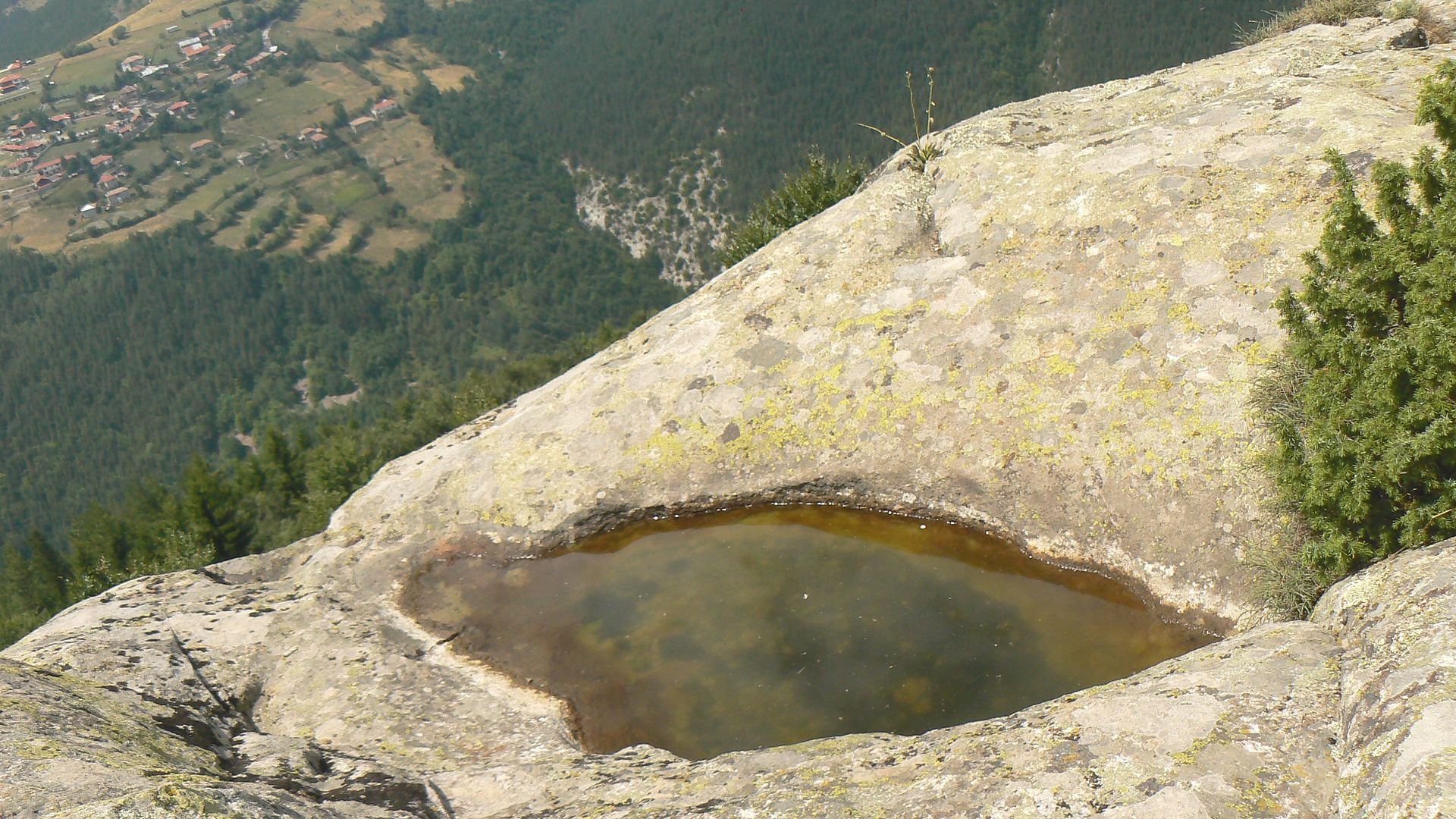
Belintash
Belintash is a rock formation in the Rhodope Mountains shaped like a small plateau and bearing traces of human activity. It is thought to be a religious site used for rituals during the Chalcolithic. Circular holes, channels, niches and steps are cut into its upper platform, forming what some believe to be a map of the starry sky.
Plovdiv Province, Rhodope Mountains, Fifth century BC
Read more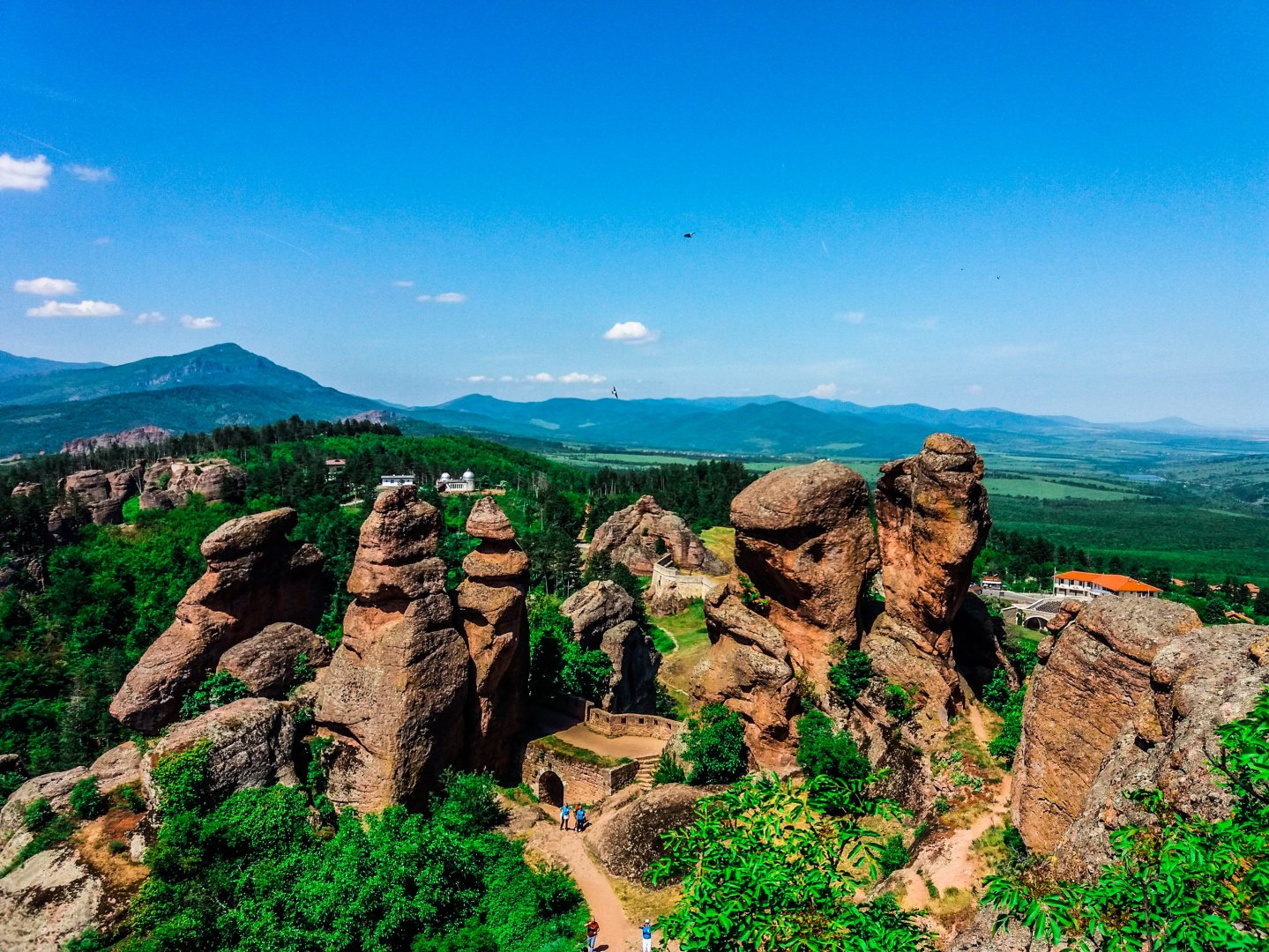
Belogradchik Rocks
The Belogradchik Rocks are an exceptionally impressive natural formation in the western Fore-Balkan, situated at the southern foot of the Belogradchik Ridge. This unique site extends for about 30 km and is 3–5 km wide, stretching from Vedernik Peak to the vicinity of Belotintsi. Distinguished by their remarkable size and shapes, these beautiful natural formations were created over millions of years by erosion through water, wind and fluctuations in temperature.
Western Fore-Balkan, Vidin Province, 27 January 1949
Read moreBelovo Basilica
The Belovo Basilica of the Ascension of the Lord, or St Spas, is an ancient Christian church near Belovo in Pazardzhik Province, Bulgaria. Existing in the Early Middle Ages, it forms part of the ruined Late Antique and medieval fortified town of Leuke. It survived until the seventeenth century, when the Ottomans destroyed it during the conversion to Islam of Bulgarians from the Chepino villages.
Pazardzhik Province, near Belovo, Late fifth century
Read more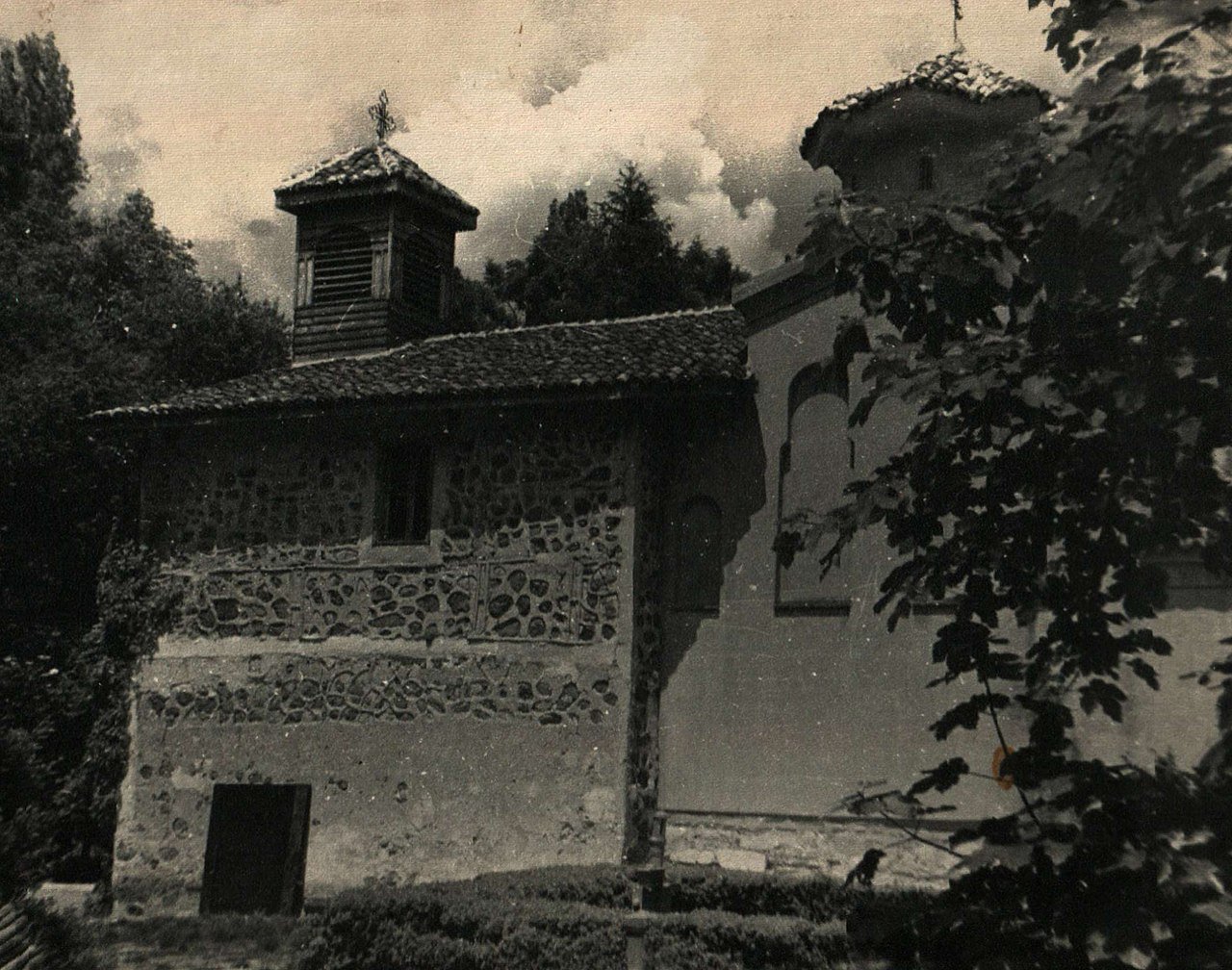
Boyana Church
The Church of St Nicholas and St Panteleimon at Boyana is a medieval Bulgarian church in Sofia's Boyana district, at the foot of Mount Vitosha. A symbol of Bulgarian culture and history, it was inscribed on UNESCO's World Cultural and Natural Heritage List in 1979 under number 42. It has been a branch of the National Museum of History since 2003.
Sofia, Late tenth century
Read moreBoyar's House
The Boyar's House, also known as the Fortified House or Byzantine House, is a medieval building in Melnik, Bulgaria. It is regarded as the country's most remarkable surviving example of 13th-century medieval residential architecture. The house stands on Chatala Hill and has been declared a cultural monument.
Melnik, 13th century
Read more