The Crimean Peninsula

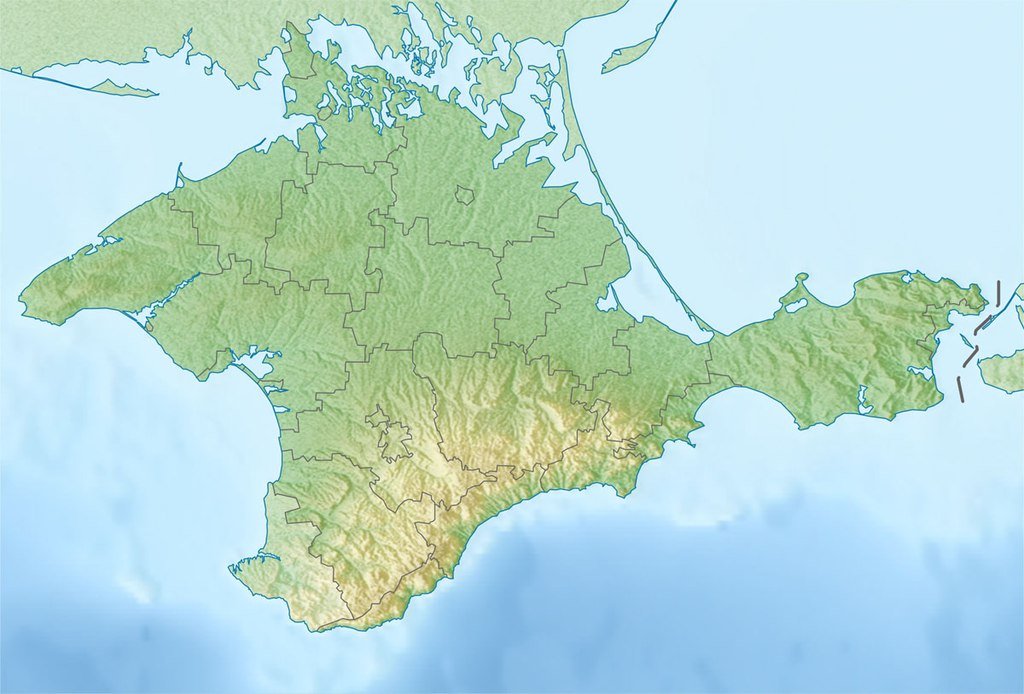
The Crimean Peninsula, also known as Crimea, is a geographical region in the northern Black Sea, south-west of the Sea of Azov. To the north, it connects to the East European Plain through the narrow Isthmus of Perekop, up to 8 kilometres wide. To the east, Crimea is separated by the Kerch Strait, while to the west its narrowing portion forms the Tarkhankut Peninsula. Another peninsula, the Kerch Peninsula, lies between the Black Sea and the Sea of Azov.
In the seventh century, the Crimean Peninsula was an important part of Old Great Bulgaria, an early medieval state founded by the Bulgars under Khan Kubrat around 632. The state encompassed extensive territories in what is now southern Ukraine, including northern Crimea. At that time, Crimea was a strategic location, providing control over Black Sea trade routes and access to Byzantium and the Caucasus.
Kubrat, an ally of Byzantium, received the title of patrician from Emperor Heraclius (610–641), strengthening international recognition of his state. After Kubrat's death around 665, Old Great Bulgaria broke apart under pressure from the Khazars. Some Bulgars, led by his son Batbayan, remained in northern Crimea and along the Dnieper, but came under the authority of the Khazar Khaganate.
Another of Kubrat's sons, Khan Asparuh, led his group of Bulgars westward and founded Danubian Bulgaria around 680–681, while continuing to maintain ties with the eastern territories, including some groups in Crimea.
Over the following centuries, Crimea remained inhabited by various Bulgar tribes and was frequently contested by Byzantium, the Khazars and, later, Kievan Rus'. Bulgar influence endured in the area: some medieval Armenian and Arabic sources mention “Bulgars” in the Crimean region as late as the twelfth century.
The Crimean region also played a role in the development of Volga Bulgaria, which existed from the tenth to the thirteenth century, as some trade and migration routes between the Volga and the Black Sea passed through the peninsula.
Share:


