Byzantine rule

Byzantine rule
Byzantine rule
Approximate reading time: 2 minutes
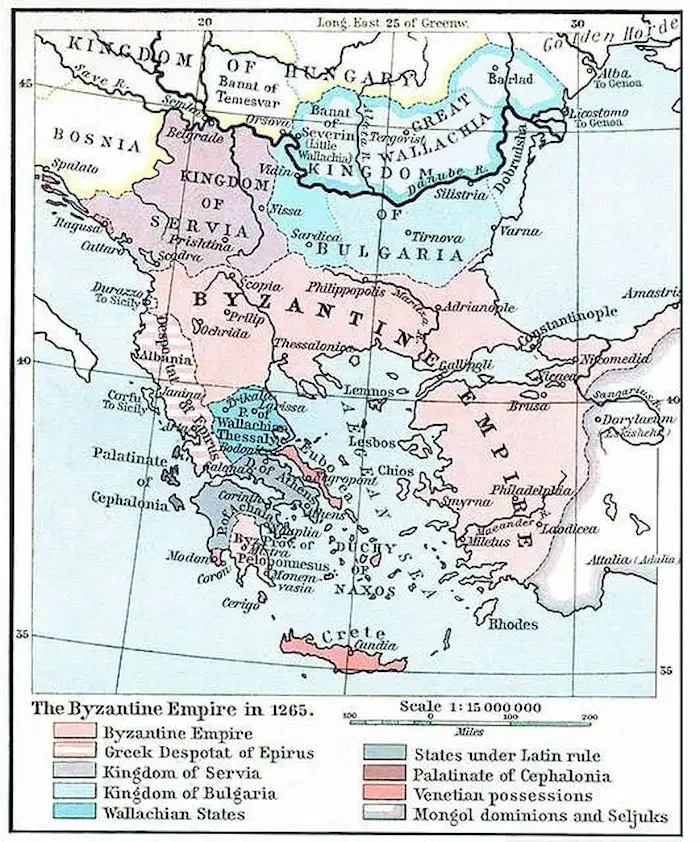
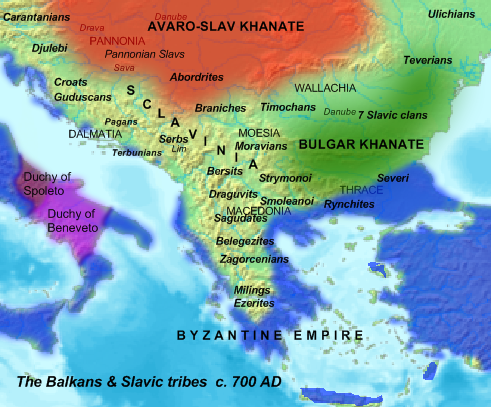
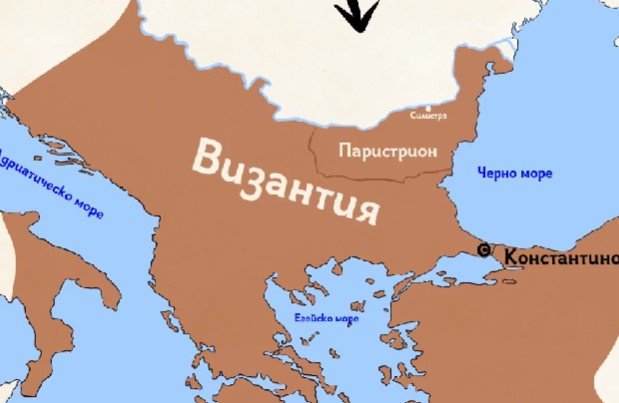



Byzantine rule was the period from 1018 to 1185 when the Bulgarian lands were governed by Byzantium.
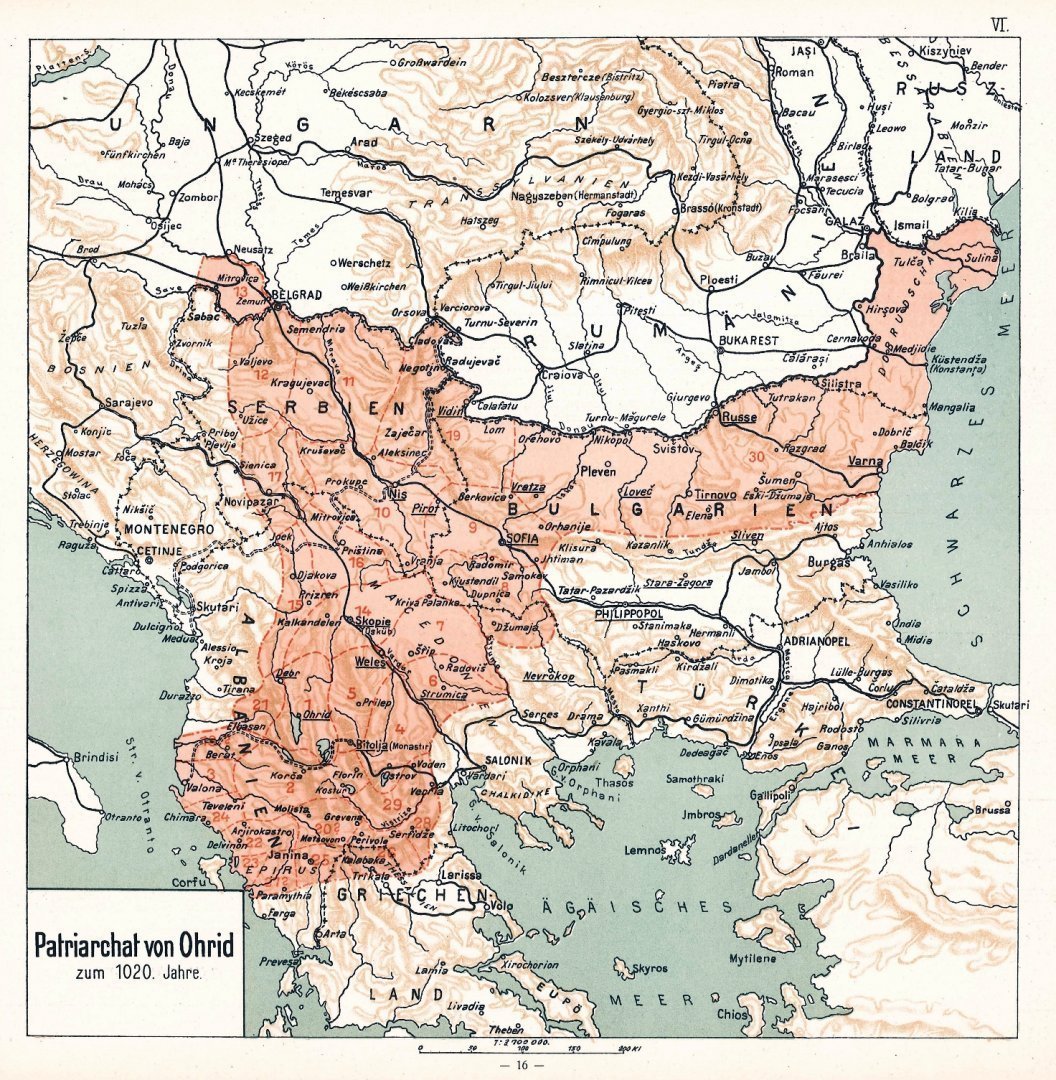
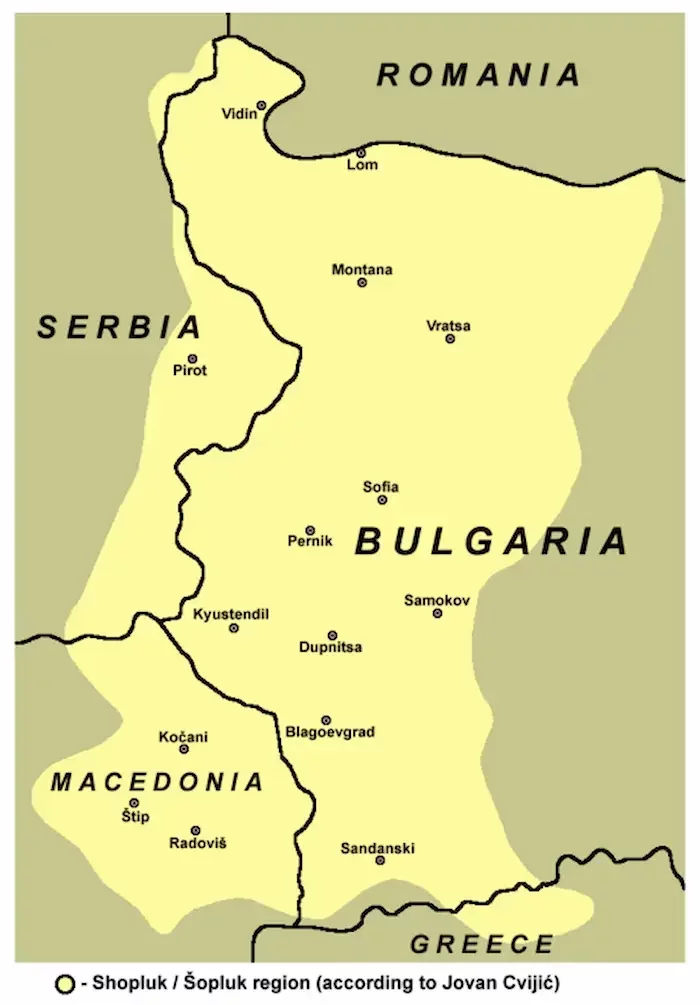
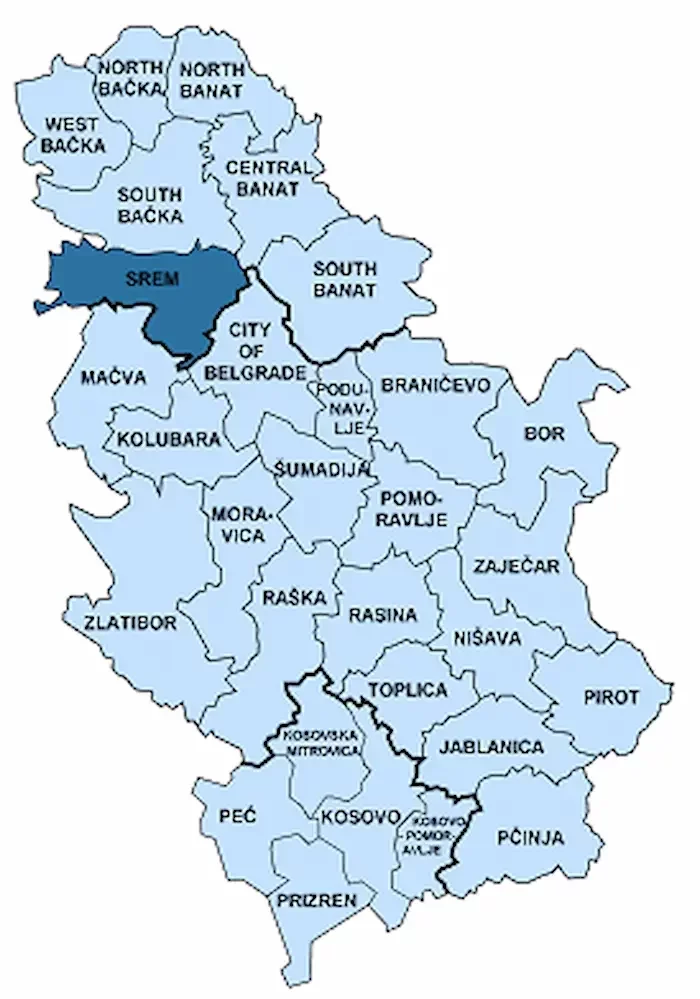
After the First Bulgarian Empire fell in 1018, Emperor Basil II introduced Byzantine state administration into the Bulgarian lands. The territory was divided into themes, each with its own administrative centre. The south-western lands formed part of the Theme of Bulgaria, centred on Skopje. Paristrion covered the area between the Balkan Mountains and the Danube. The third theme, Sirmium, now Sremska Mitrovica, included the north-western Bulgarian lands. The remaining territories were allocated to the Byzantine themes of Nevpatska, Macedonia and Boleron. The Bulgarian Patriarchate was reduced to an archbishopric. Byzantine imperial policy aimed at the gradual assimilation of the Bulgarian population. Many members of the Bulgarian nobility were relocated to Georgia and Armenia to prevent possible coups or attempts to restore Bulgarian statehood.
The former capitals Pliska and Preslav, and towns with established craft traditions, gradually declined. In the eleventh and twelfth centuries, the Bulgarian population worked chiefly in agriculture, while towns linked commercially to Byzantine markets, such as Vidin, Nikopol, Cherven and Drastar, developed.
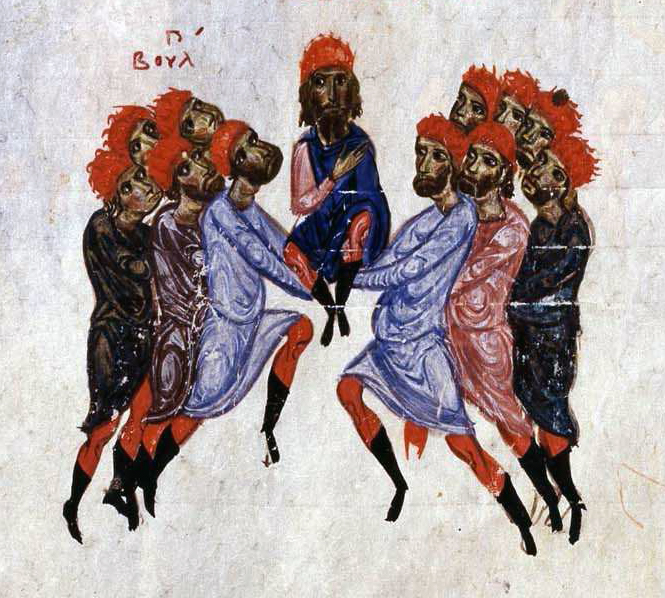
The passage of the First and Second Crusades through the Bulgarian lands in 1096–1097 and 1147–1149 caused serious devastation and worsened living conditions. This contributed to a series of uprisings against Byzantine rule and attempts to restore the Bulgarian state. Two major uprisings came first: Peter Delyan's in 1040–1041 and Georgi Voyteh's in 1072–1073.
This revised text integrates the keywords from the title 'Byzantine rule' naturally, without duplicating content.
Share: