The Morava Region

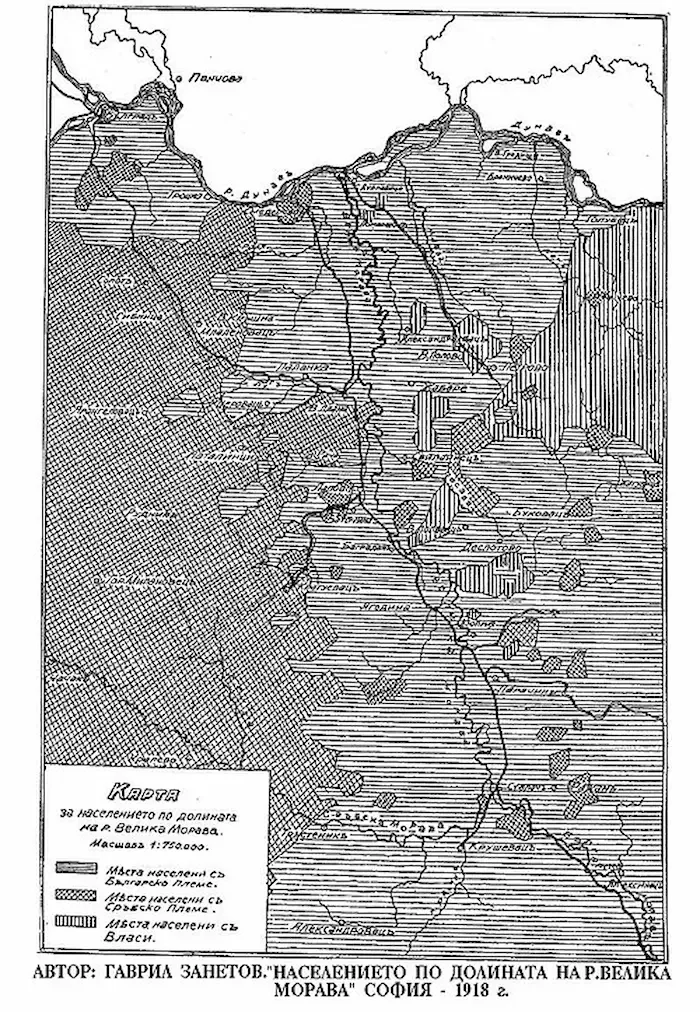
Morava is a region along the valley of the Great Morava, the largest river flowing entirely within modern Serbia. During the Middle Ages, the region occupied a key position in the struggle for influence between Bulgaria and Byzantium. Under Tsar Simeon the Great and, later, Tsar Samuel, it was an important part of Bulgarian territory and a military stronghold in the western part of the empire.
During the reign of Simeon I (893–927), Bulgaria reached the height of its territorial expansion. Following successful wars against Byzantium, the Bulgarian state extended from the Adriatic to the Black Sea and from the Carpathians to the Aegean. The Morava region, including parts of modern Pomoravlje and towns such as Niš, Leskovac and Prokuplje, was incorporated into the Bulgarian Empire as part of its western possessions. The area was significant both strategically and culturally. Situated at the crossroads between the Balkans and Central Europe, it formed a key defensive territory in conflicts with the Magyars and other powers to the north-west.
Under Tsar Samuel (997–1014), Morava played an even more important role. After the loss of the eastern Bulgarian territories to Byzantium, Samuel strengthened the western part of the empire, building fortresses and administrative centres in the Morava Valley. Towns such as Niš, Skopje, Prizren and others around the Morava Valley became strongholds of Bulgarian resistance to the Byzantine advance. Military campaigns were organised from here, capitals were relocated, and contact was maintained with the other free Bulgarian lands.
After the fall of the First Bulgarian Empire in 1018, the Morava region came under Byzantine influence. The Bulgarian population preserved its cultural and linguistic identity. For centuries, the region remained influenced by Bulgarian spiritual traditions: language, Orthodox faith, literature and customs.
Today, the Morava Valley lies within Serbia, but its historical connection with Bulgarian statehood and culture, particularly under Tsars Simeon and Samuel, remains indisputable. It symbolises a time when Bulgaria was a leading power in south-eastern Europe and Bulgarian culture and statehood extended far beyond the modern borders of the Republic of Bulgaria.
Share:


