Treaties

14 results
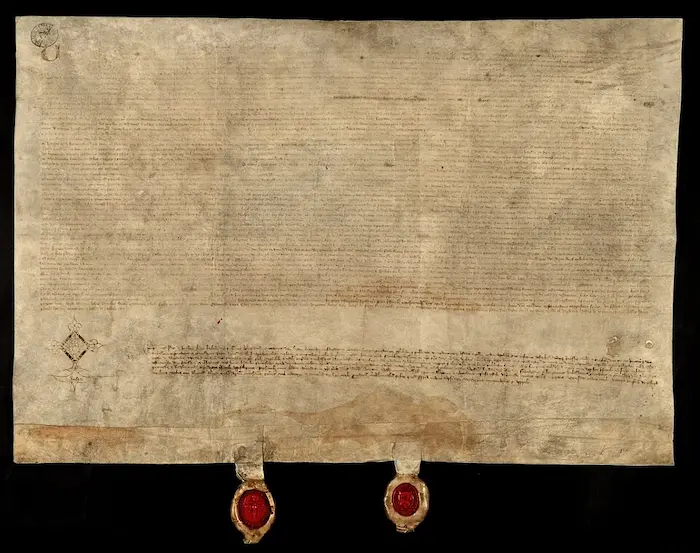
Bulgarian–Byzantine Treaty
In 716, Bulgaria and Byzantium concluded one of their most important diplomatic treaties of the early Middle Ages: an alliance between Khan Tervel and the Byzantine emperor Theodosius III. The agreement was significant for relations between the two states and consolidated Bulgaria’s growing influence in the Balkans.
Byzantine–Bulgarian Treaty of 815
The beginning of the 9th century presented considerable challenges to the two greatest powers on the Balkan Peninsula: Bulgaria and the Byzantine Empire. After a series of severe conflicts and political upheavals, a peace treaty was concluded in 815, confirming the borders, easing tensions and laying the foundations for regional stability.
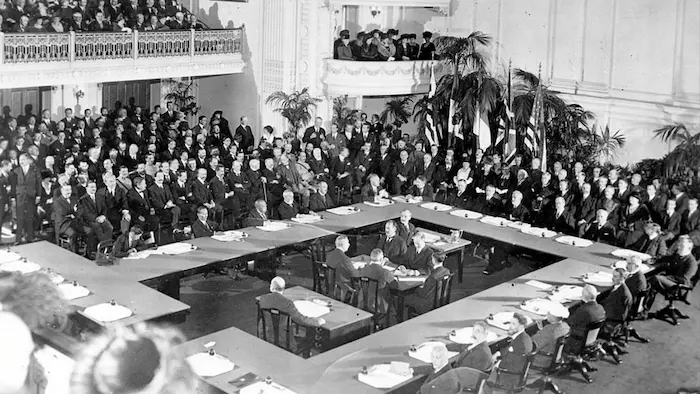
Paris Peace Treaty
After the Second World War ended, its territorial, political and economic consequences had to be settled. One of the most important documents used to do so was the Paris Peace Treaty, signed on 10 February 1947 at the Quai d’Orsay in France.
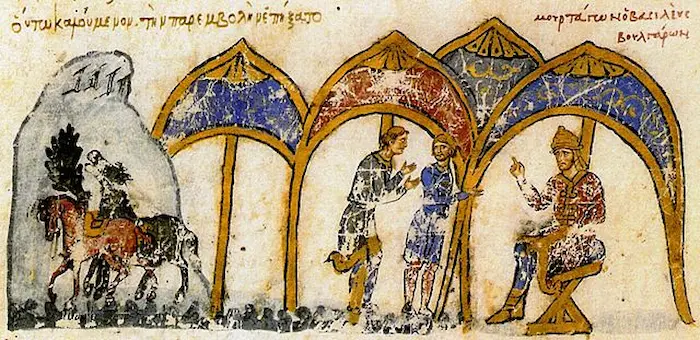
Peace treaty between Byzantium and Bulgaria
In 681, Byzantium officially recognised the existence of the Bulgarian state—an event regarded as the beginning of Bulgarian statehood. This recognition resulted from Khan Asparuh’s victory over the Byzantine forces led by Emperor Constantine IV Pogonatos at the Battle of Ongal (680).
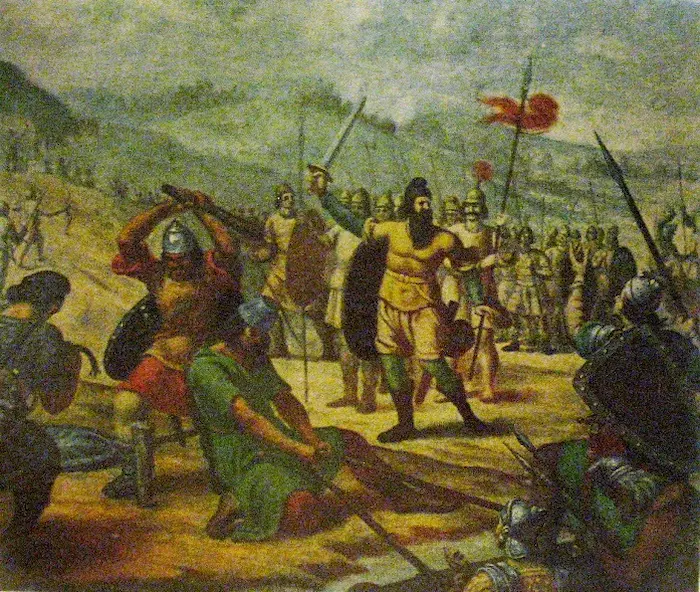
Preliminary Treaty of San Stefano
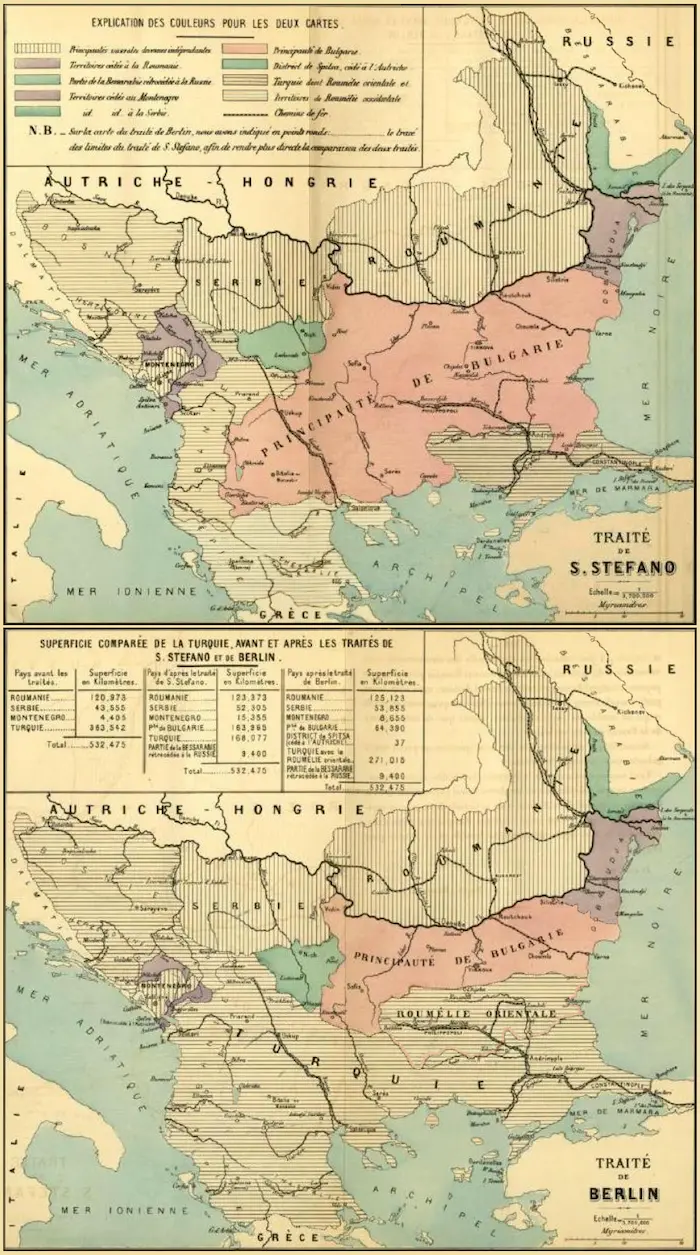
The Treaty of San Stefano was signed in a small, beautiful house on the outskirts of San Stefano on 3 March 1878, changing the destiny of the Bulgarian people. Signed after the end of the Russo-Turkish War (1877–1878), it laid the foundations for the restoration of Bulgarian statehood after nearly five centuries of Ottoman rule.
Tophane Agreement
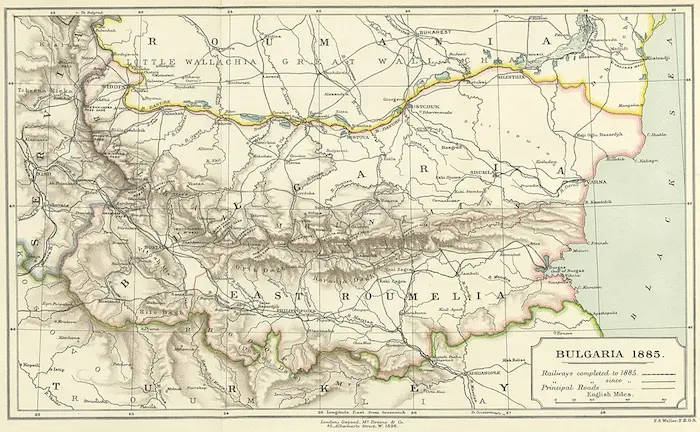
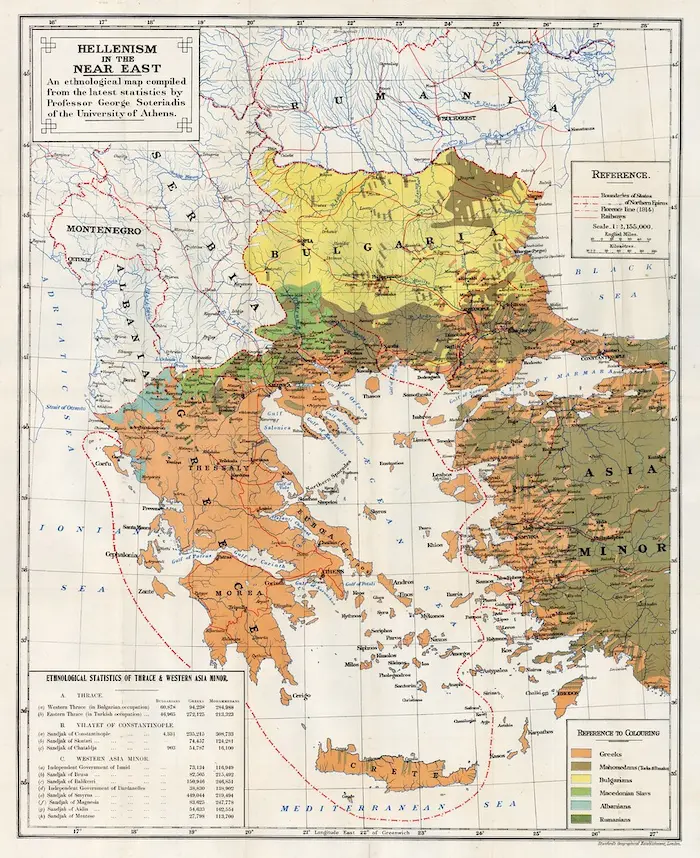
On 6 September 1885, Bulgaria experienced an important historical moment: the Unification of the Principality of Bulgaria and Eastern Rumelia. This was a unilateral act that took the Great Powers and the Ottoman Empire by surprise, as it had been carried out without their consent.
Treaty of Angora
The Treaty of Angora, signed on 18 October 1925 in Angora (present-day Ankara), was an important agreement between the Kingdom of Bulgaria and the Republic of Turkey. It was signed by Foreign Ministers Atanas Burov of Bulgaria and Tevfik Rüştü Aras of Turkey and definitively settled questions concerning population exchanges, refugees and minority rights after the Balkan Wars and the First World War.
Treaty of Berlin
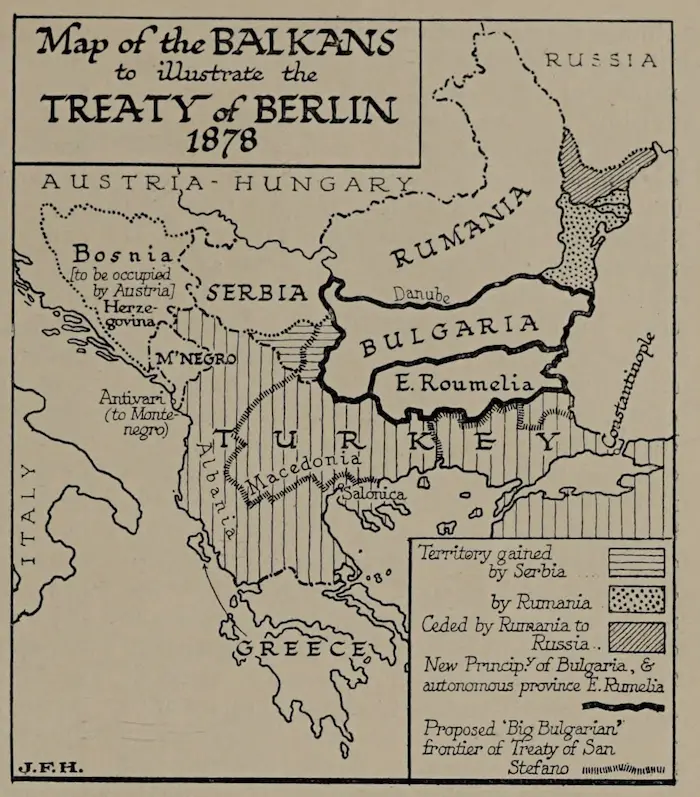
After the end of the Russo-Turkish War (1877–1878), a treaty was signed at the Radziwiłł Palace on 13 July 1878, revising the preliminary agreement reached at San Stefano on 3 March that year. The Treaty of San Stefano had envisaged a large, autonomous Bulgarian state, but this caused serious concern among the Great Powers, particularly Great Britain and Austria-Hungary, which feared Russia’s growing influence in the Balkans.
Treaty of Bucharest
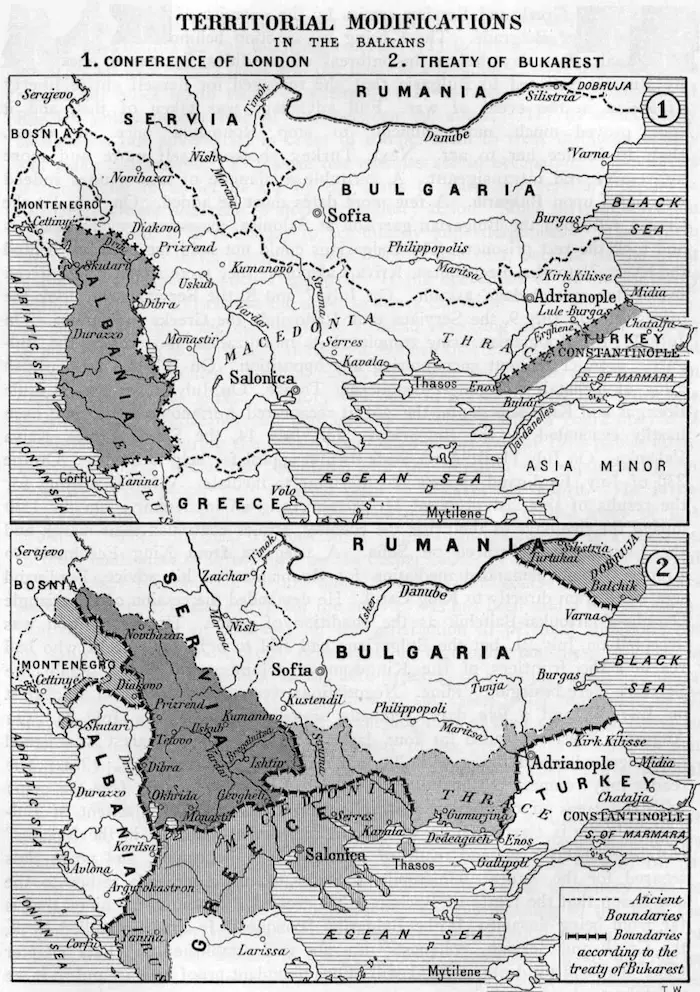
The Treaty of Bucharest was signed on 10 August 1913, ending the Second Balkan War, also known as the Inter-Allied War (29 June–10 August 1913). The conflict broke out after the unjust division of territories conquered by the Balkan League in the First Balkan War.
Treaty of Constantinople
The Treaty of Constantinople, signed on 16 September 1913, officially ended the military conflict between the Kingdom of Bulgaria and the Ottoman Empire that had arisen during the Second Balkan War. At that time, Bulgaria was ruled by Tsar Ferdinand I of Saxe-Coburg and Gotha, and the Ottoman Empire by Sultan Mehmed V.
Treaty of Craiova
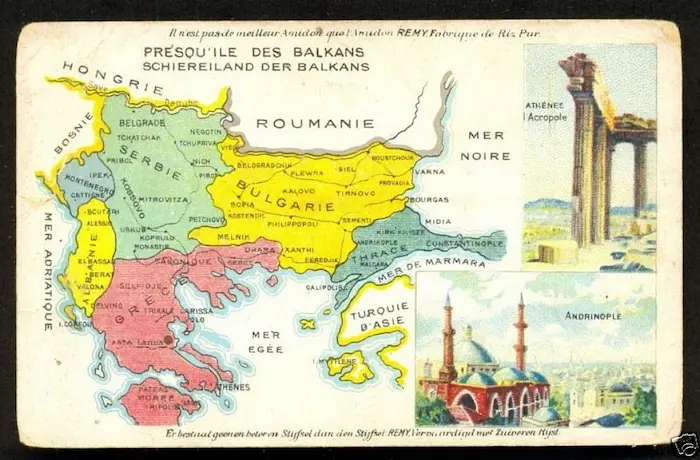
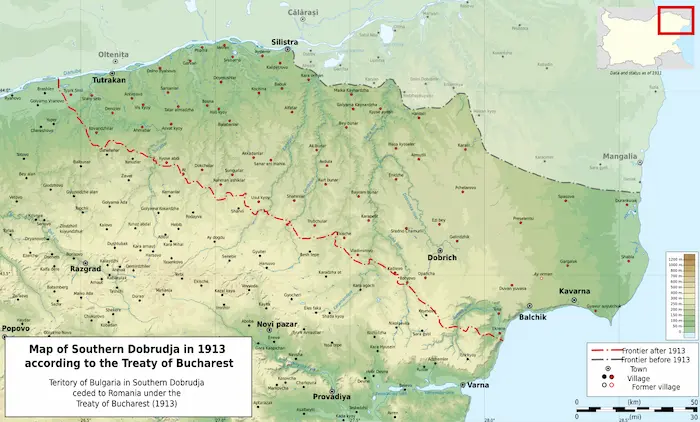
The Treaty of Craiova was an important agreement between the Kingdom of Bulgaria and the Kingdom of Romania through which Bulgaria recovered some of the territories it had lost in the First World War. The document was signed in Craiova on 7 September 1940 by Bulgarian Foreign Minister Bogdan Filov and his Romanian counterpart Mihail Sencianu.
Treaty of London
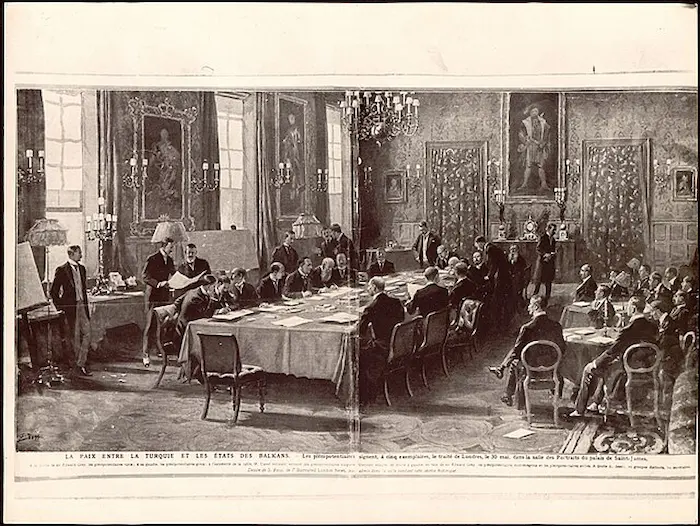
The Treaty of London was signed at St James’s Palace in London on 30 May 1913, officially ending the First Balkan War. This conflict pitted the Balkan League—Bulgaria, Serbia, Greece and Montenegro—against the Ottoman Empire, with the aim of liberating territories inhabited by Christians.
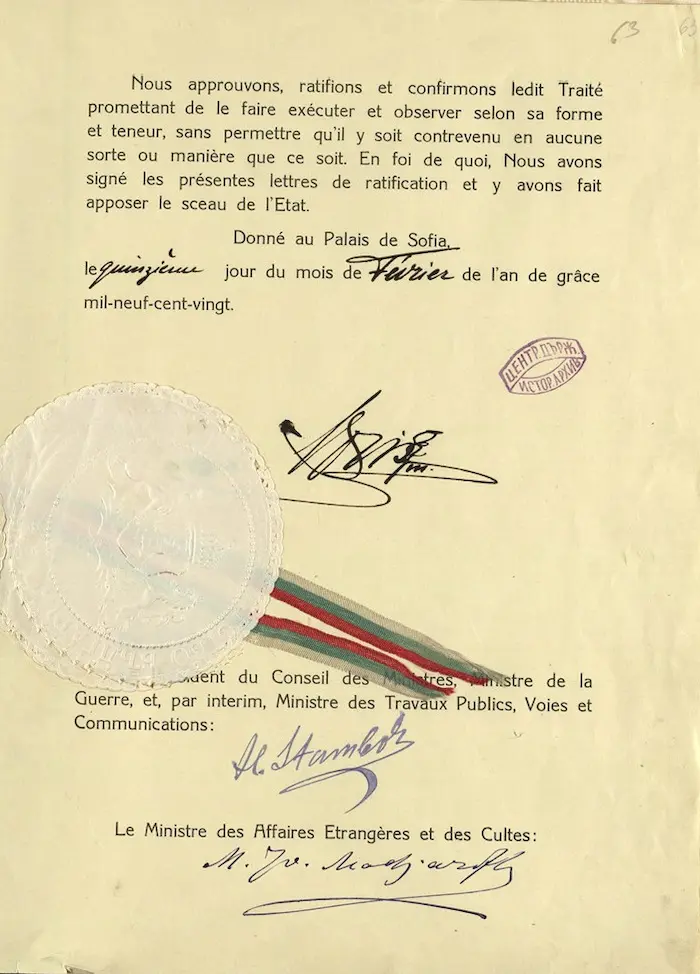
Treaty of Neuilly
The Treaty of Neuilly was signed on 27 November 1919 in the Paris suburb of Neuilly-sur-Seine. It ended the Kingdom of Bulgaria’s participation in the First World War.
Union with the Latins
In the first half of the 13th century, the Second Bulgarian Empire reached its height under Tsar Ivan Asen II, one of the greatest rulers in Bulgarian history. The year 1230 is recorded as a turning point for the Balkans, when events connected with the union with the Latins and the overwhelming victory at Klokotnitsa changed the region’s political map.
