Battles

302 results
Andronikos III defeats the Bulgarian army
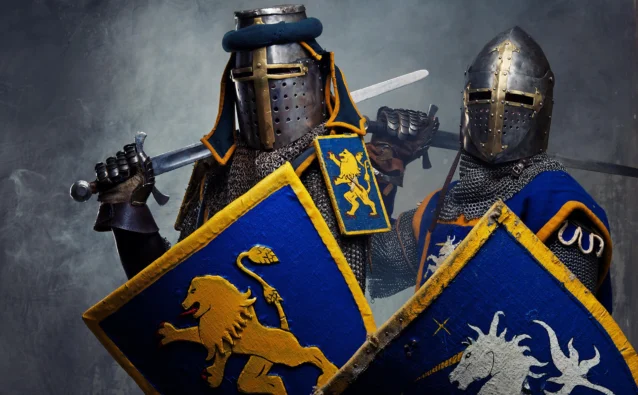
The Bulgarian army was defeated in a night battle by Emperor Andronikos III Palaiologos's forces. After the capture of Plovdiv, Tsar George II Terter sent Bulgarian detachments towards Adrianople, where they began devastating the surrounding fortresses.
Attacks in the Southwestern Balkans
In the preceding year, the Bulgarians, led by Khan Malamir and Kavhan Isbul, entered Thrace and captured a number of fortresses, including Plovdiv. The following year, Kavhan Isbul attacked and conquered the lands of the Slavic Smolyani tribe in the Rhodope Mountains.

Austrian Operation
The Austrian Operation formed part of the Bulgarian First Army's participation in the Patriotic War against the Third Reich in 1944–1945. It took place from 30 April to 9 May 1945.
Balaton Operation
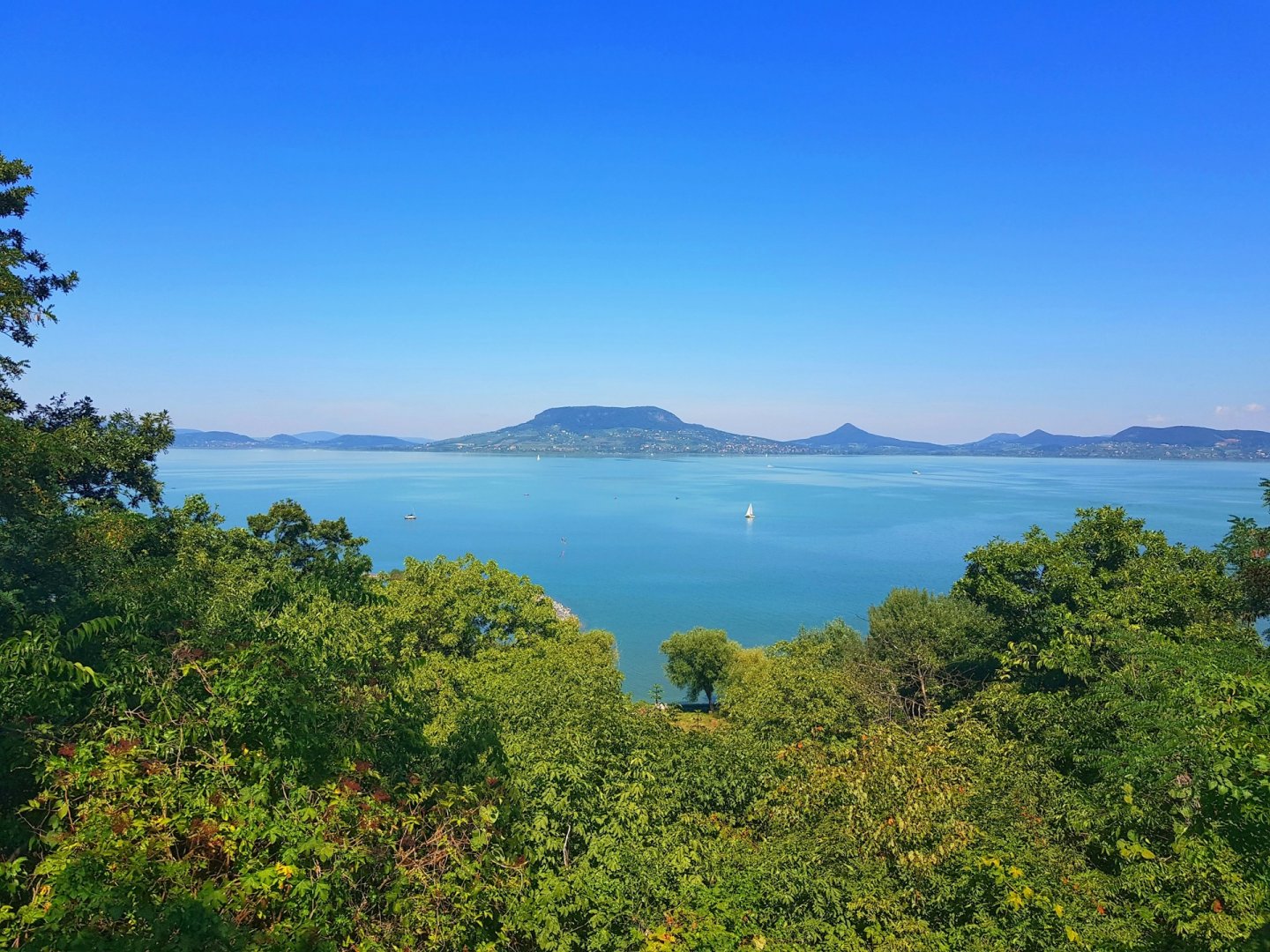
The Balaton Operation, also called "Operation Spring Awakening", took place during the Second World War. In Germany it is known as the "Partisan Offensive", and in the USSR as the "Balaton Defensive Operation".
Basil II captures Moglena
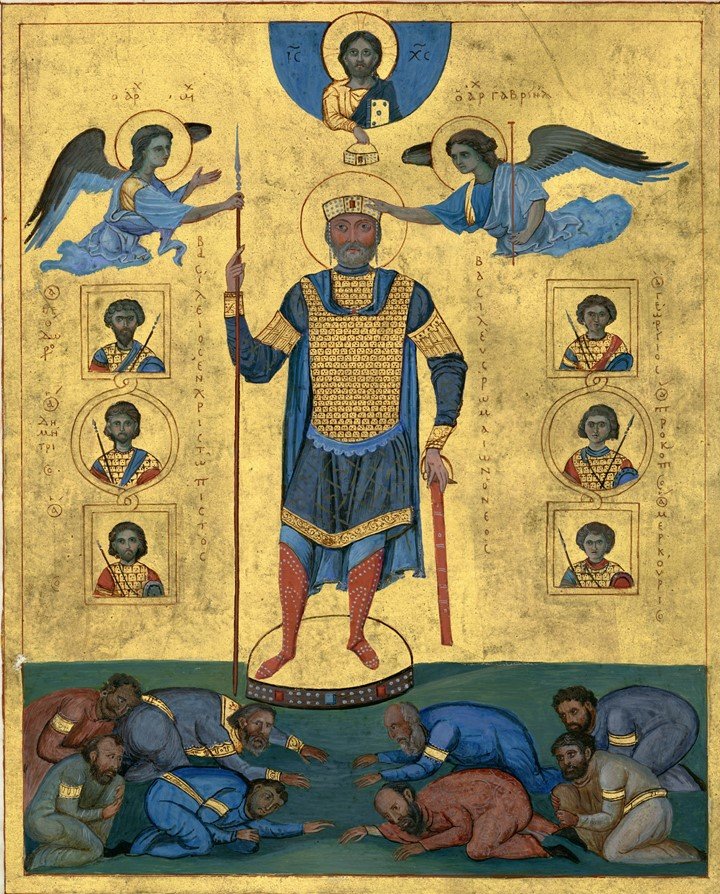
Emperor Basil II and his army captured Moglena fortress. The kavhan Dometian and the town's governor, Ilitsa, were taken prisoner.
Basil II captures Preslav
Emperor Basil II reimposed Byzantine rule on north-eastern Bulgaria. With a large army, he captured the former Bulgarian capital of Preslav without opposition.
Batak massacre
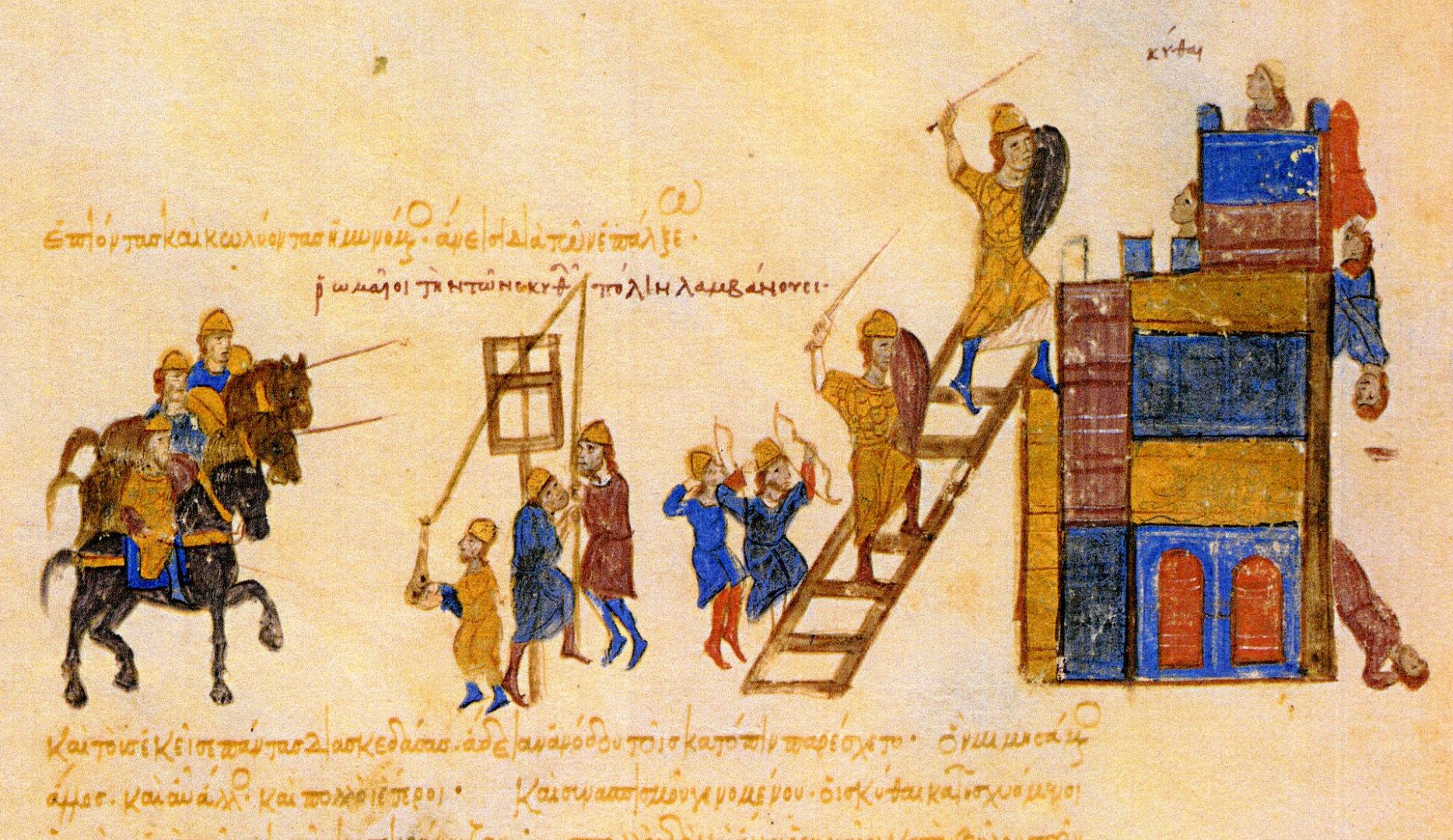
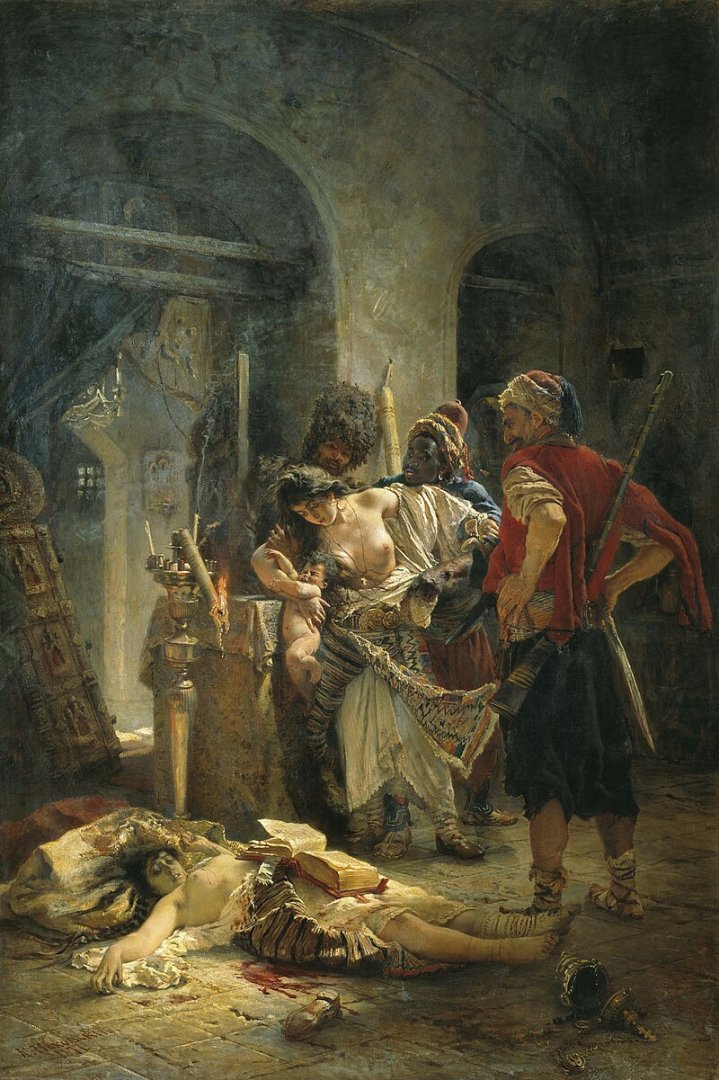
The Batak massacre was the killing of a substantial part of the Bulgarian Christian population of Batak, in the Peshtera region, during the suppression of the April Uprising. Ottoman bashi-bazouks from neighbouring Pomak villages carried it out under Ahmed Agha Barutanli.
Battle against Aldimir
Sebastokrator Radoslav, the brother of Tsar Smilets, marched with an army from Thessaloniki towards the Despotate of Kran. Aldimir defeated his army in battle, and Radoslav was captured and blinded.
Battle against the Serbs
Bulgarian troops entered and attacked Serbian lands.
Battle at Krakra's fortress
The Byzantine army besieged Pernik fortress, but its defence, led by the boyar Krakra, proved impossible to overcome. After heavy losses, the emperor withdrew, convinced of the strength of the troops and Krakra's abilities.
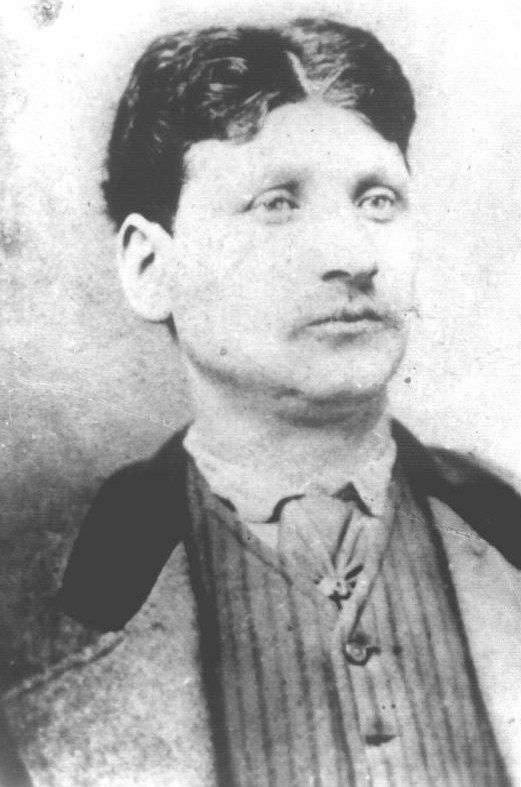
Battle fought by Tanyo Stoyanov
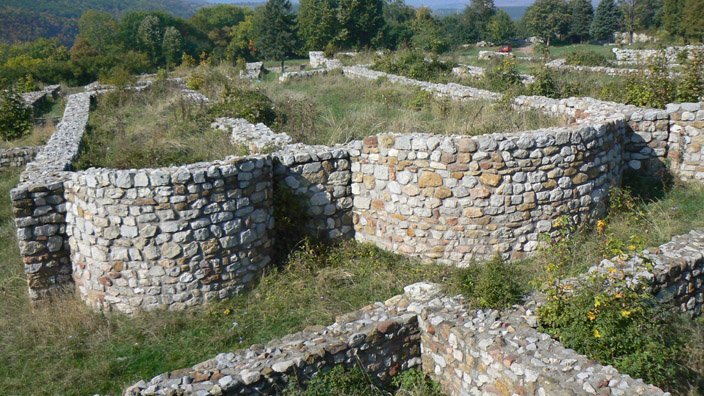
Tanyo Stoyanov's band fought near Ayazlar village. After shaking off their pursuers, the men took up a position on Kerchan Bair, where the battle continued.
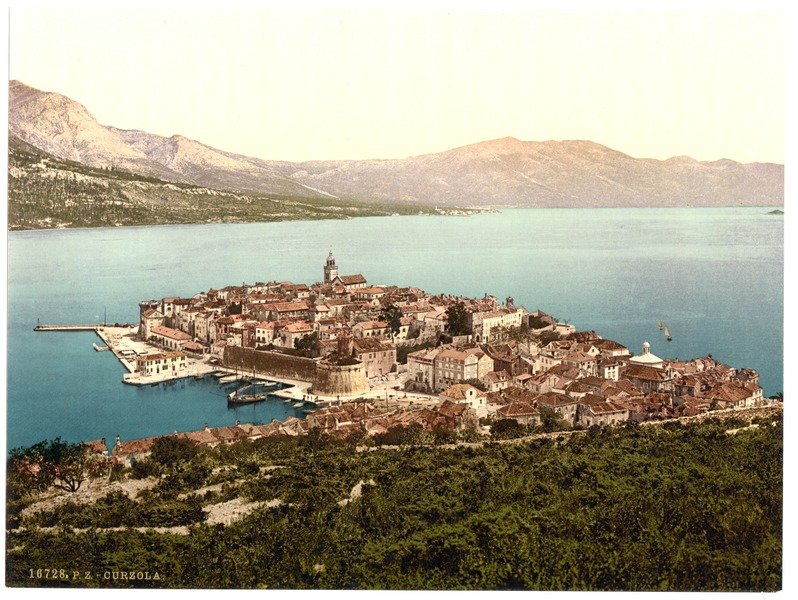
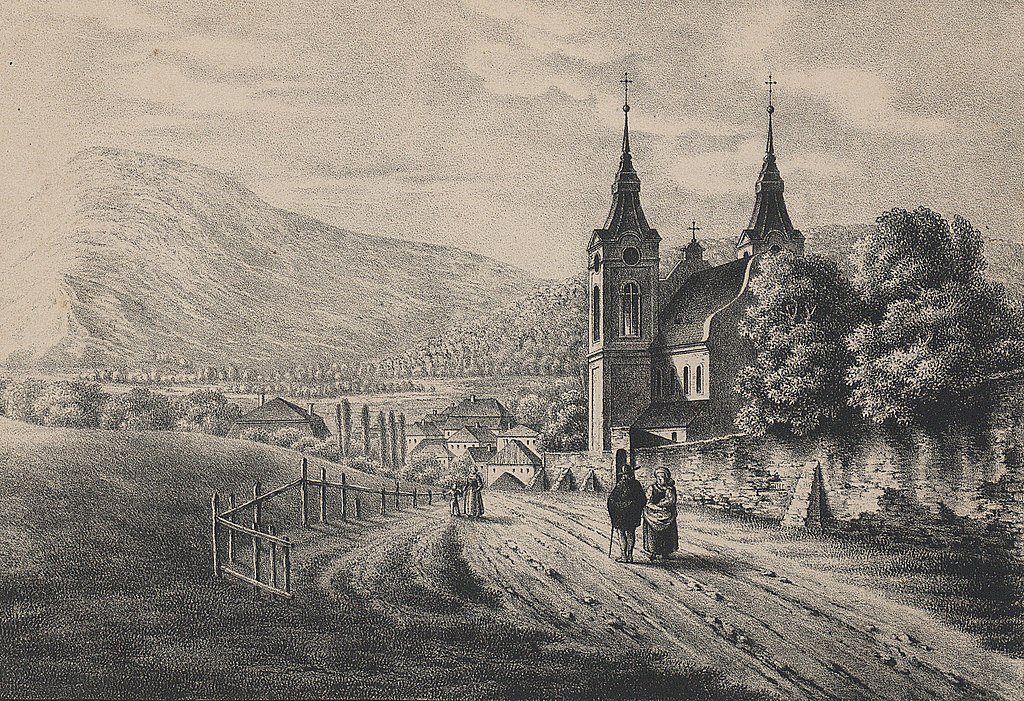
Battle in Dalmatia
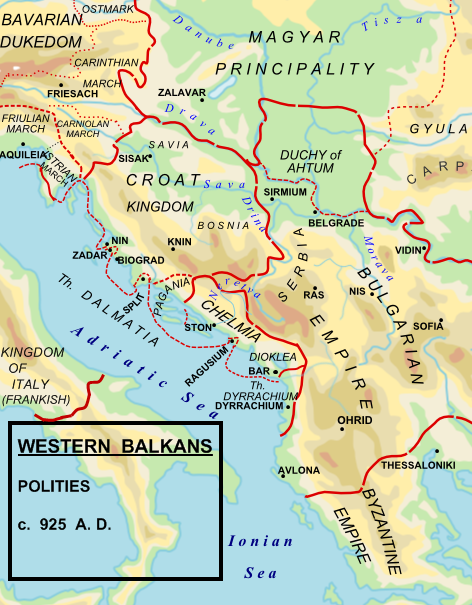
A very long and difficult war began between the Bulgarian tsar Simeon I and the Byzantine emperor Romanos I Lekapenos, who wanted to take over the Byzantine Empire. Under intense Bulgarian pressure and suffering defeat after defeat, Byzantium began negotiations with Serbia and Croatia to create an alliance against the Bulgarians.
Battle in Duklja
After his defeat by the Byzantines at the Spercheios in 995, the Bulgarian tsar Samuel turned his attention to the Serbian and Croatian principalities to the northwest, where Byzantine influence was strong. In 998, he attacked the Serbian principality of Duklja, ruled by Prince Jovan Vladimir.
Battle in Illyricum
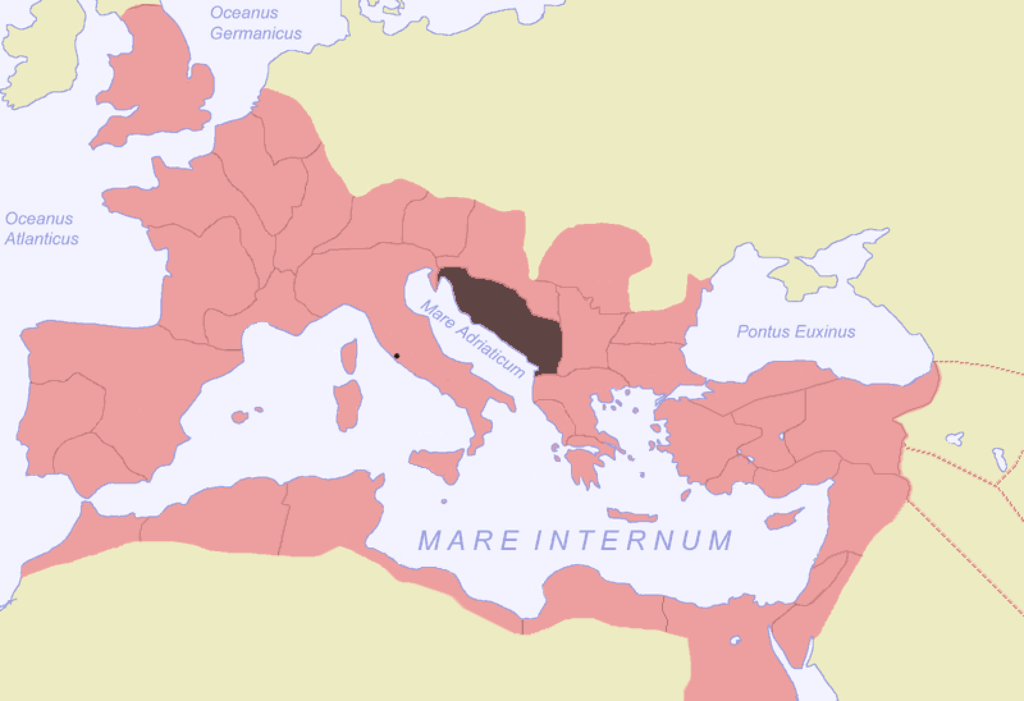
In 513–515, the Bulgars took part in the rebellion of Vitalian, commander of the foederati. This rebellion demonstrated the Bulgars' ties to the Balkan provinces of the Byzantine Empire.
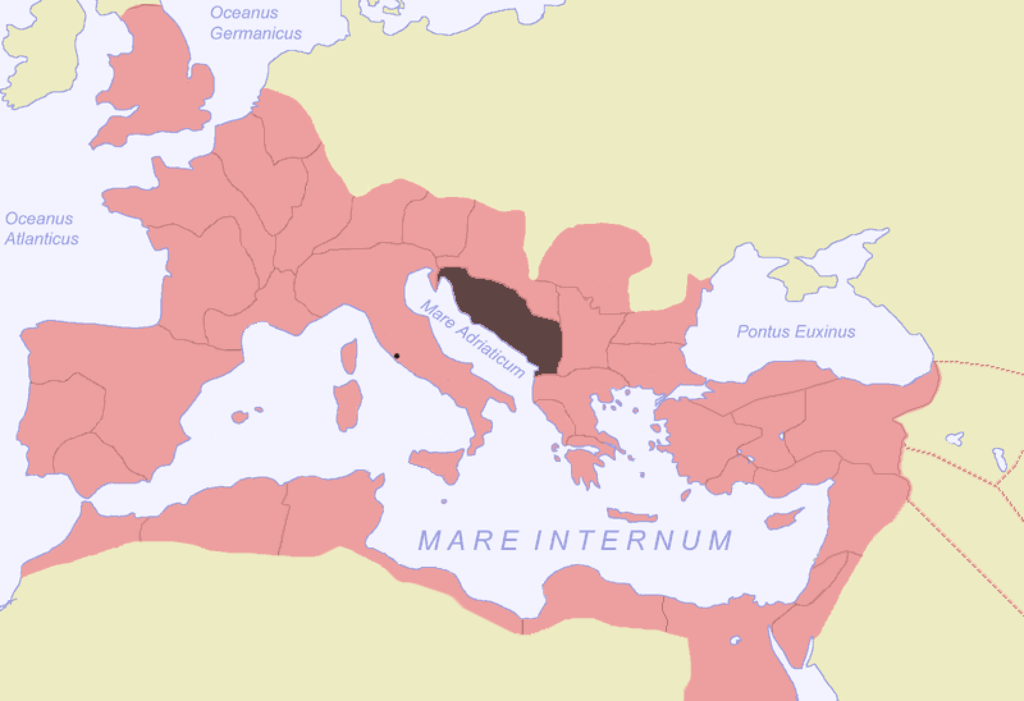
Battle in Illyricum, 551
In 551, tensions between the Germanic Gepid and Lombard peoples in Pannonia intensified considerably. The Gepids appealed to the Kutrigurs for military assistance, and they sent an army of 12,000 men under their chief Chinialon.
Battle in Northern Dobrudja
After taking the throne, Simeon decided to end the long peace with Byzantium established by his father. The conflict arose from the transfer of the market for Bulgarian goods from Constantinople to Thessaloniki and the imposition of heavy taxes by Emperor Leo VI the Philosopher, apparently influenced by his mistress Zoe Zaoutzaina and her father Stylianos Zaoutzes.
Battle in Thrace
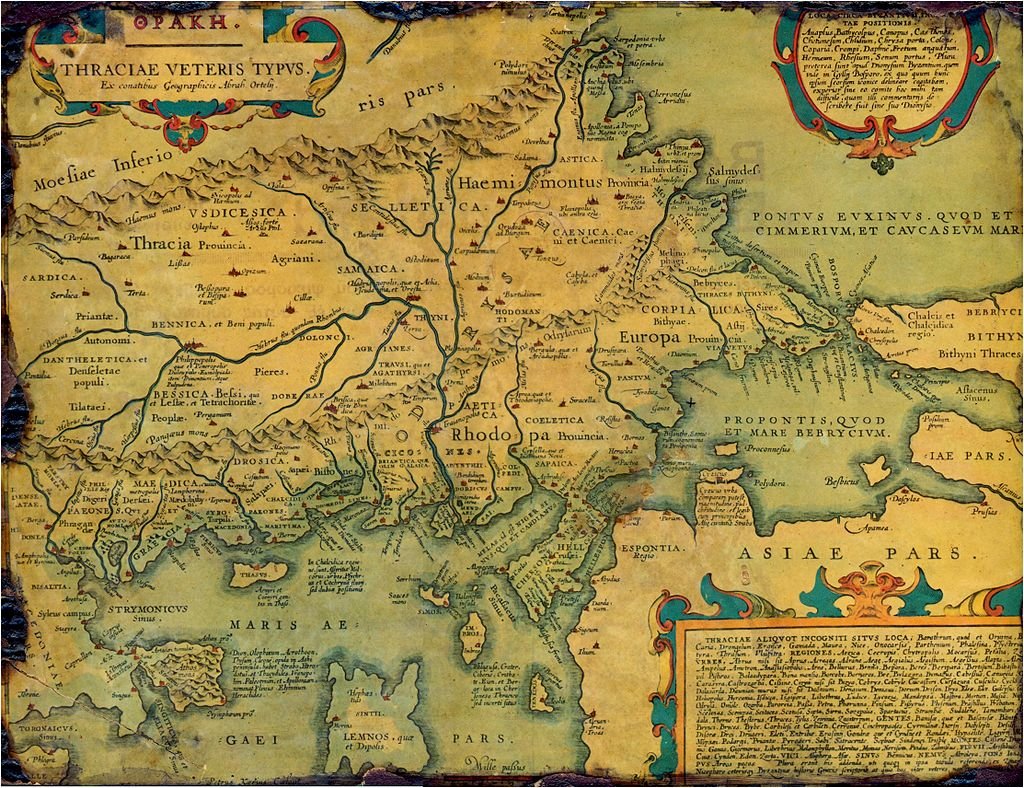
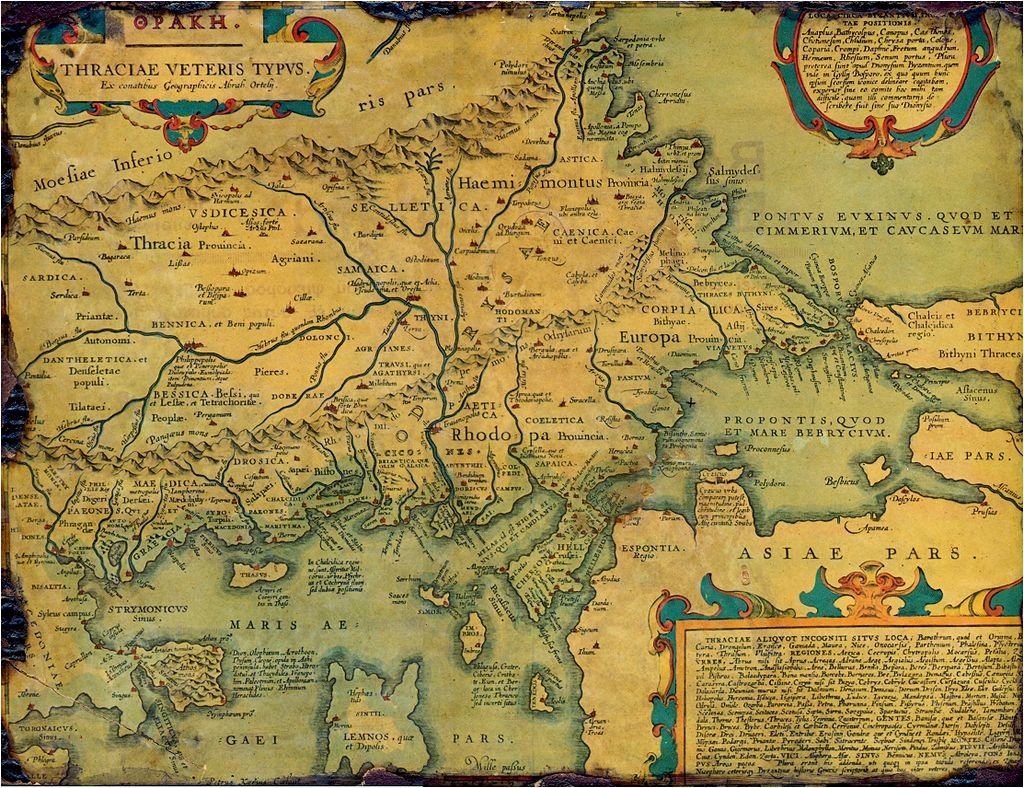
The first account of Bulgar involvement in geopolitical events in the Balkan Peninsula states that in 479 the Byzantine emperor Zeno first allied himself with the "so-called Bulgars", who inhabited the area between Constantinople and the Adriatic coast. John of Antioch records this fact.
Battle in Thrace, 502
In 502, the Bulgars invaded Thrace and the western parts of the Balkan Peninsula. The attack met no resistance from the local population, which was poorly protected and unprepared to repel such an assault.
Battle in Thrace, 538
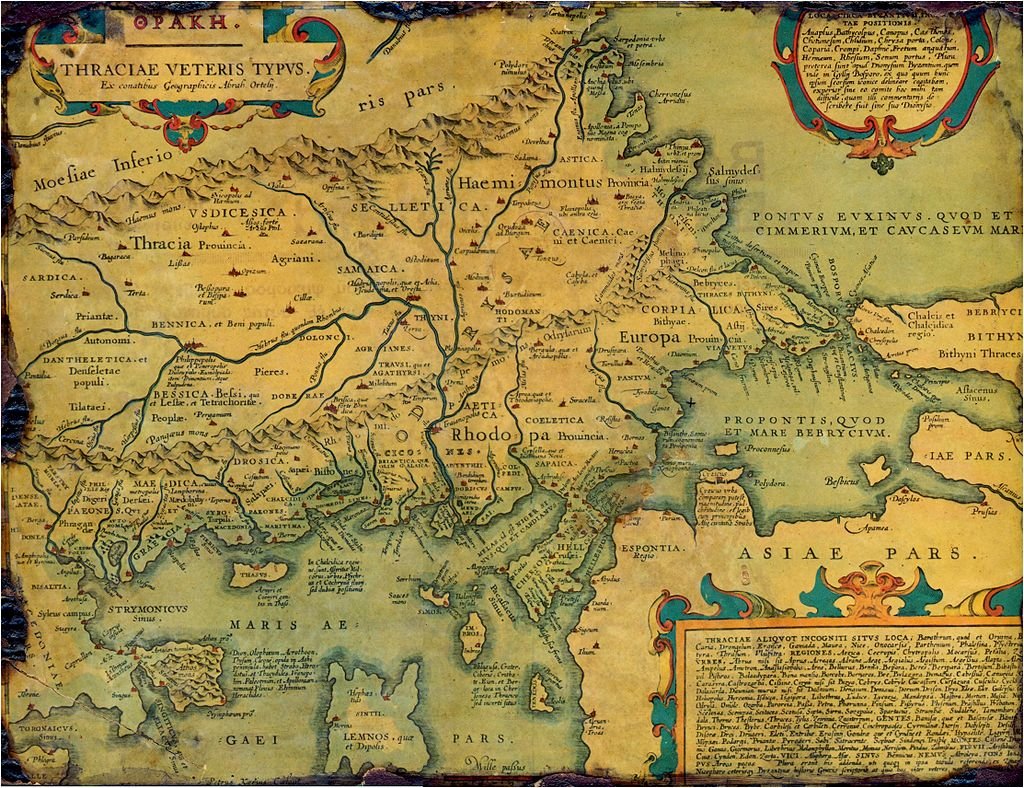
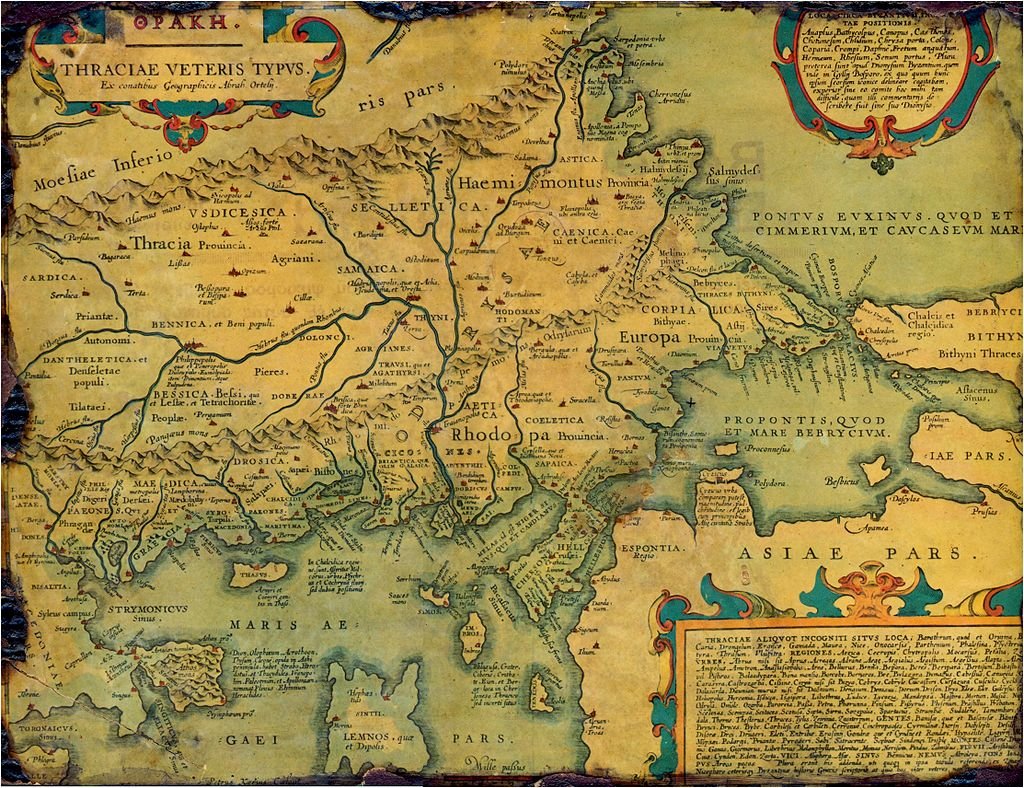
In 538, a large body of Bulgars led by two chiefs called "kings", Bulgar and Drong, attacked the regions of Scythia Minor and Moesia. They defeated the Byzantine army sent against them under the commander Justin, who died in the battle.
Battle in Thrace, 548
In the mid-sixth century, the Balkan Peninsula was a battlefield of major ethnic and military upheavals. In the spring of 548, the Slavs and Bulgars, led by their ruler Zaber, jointly organised an attack on Byzantine territories in Eastern Thrace.
Battle in Wallachia
Between 1227 and 1232, Hungarian efforts to Christianise the Cumans and draw them into the kingdom, combined with Tsar Ivan Asen II's alliance with the Byzantines, led to conflict between Bulgaria and Hungary. In 1232, the Hungarians occupied western Wallachia, known as Oltenia, and proclaimed the Banate of Severin.
Battle near Constantinople, 558
During the winter of 558–559, the Kutrigur tribes rallied around their chief, Zaber Khan, after recovering from the previous blow. Taking advantage of the frozen Danube, a vast army of Kutrigurs and Slavs penetrated deep into the Balkan Peninsula that winter.
Battle near Didymoteichon fortress
The armies of the emperors John VI Kantakouzenos and John V Palaiologos, once again at war, fought near Didymoteichon fortress. Bulgarian and Serbian troops supported John V, while Süleyman's Ottoman forces fought on the other side.
Battle near Lyutibrod
Botev’s revolutionary detachment fought in the Rashov Dol area near Lyutibrod. Georgi Apostolov and another 10 members of the detachment were killed in the fighting.