Old Great Bulgaria

Old Great Bulgaria
Old Great Bulgaria
Approximate reading time: 3 minutes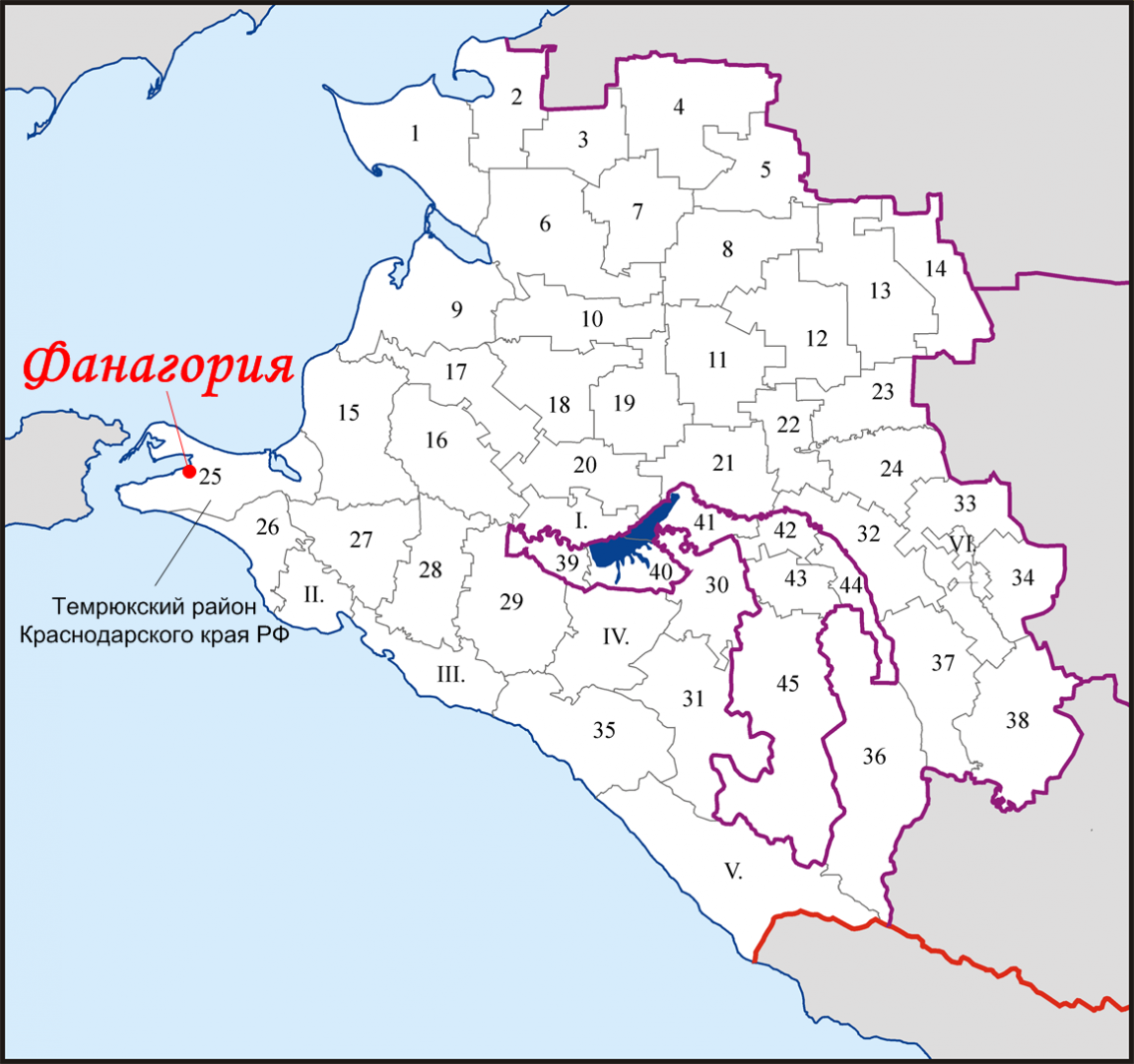
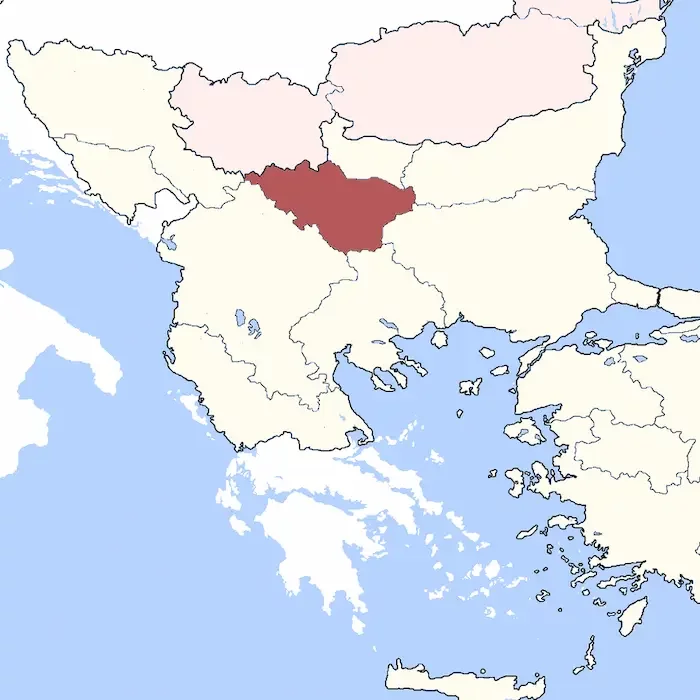
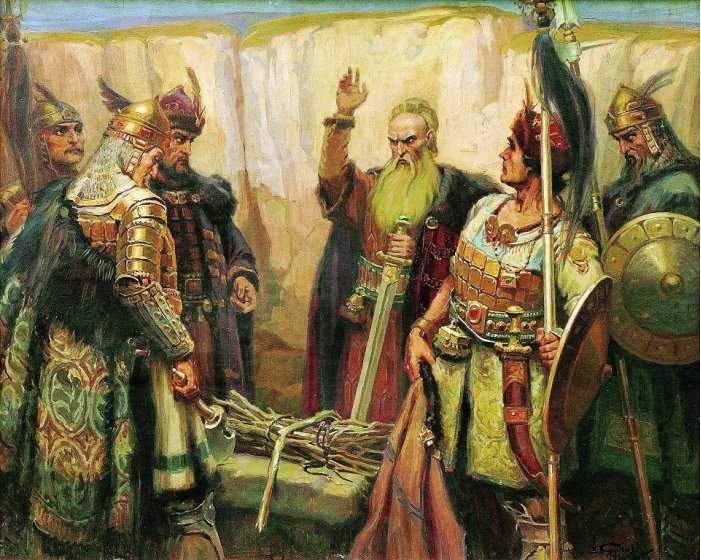
The origins of the Bulgarian state go back to 632 and Khan Kubrat's Bulgaria.
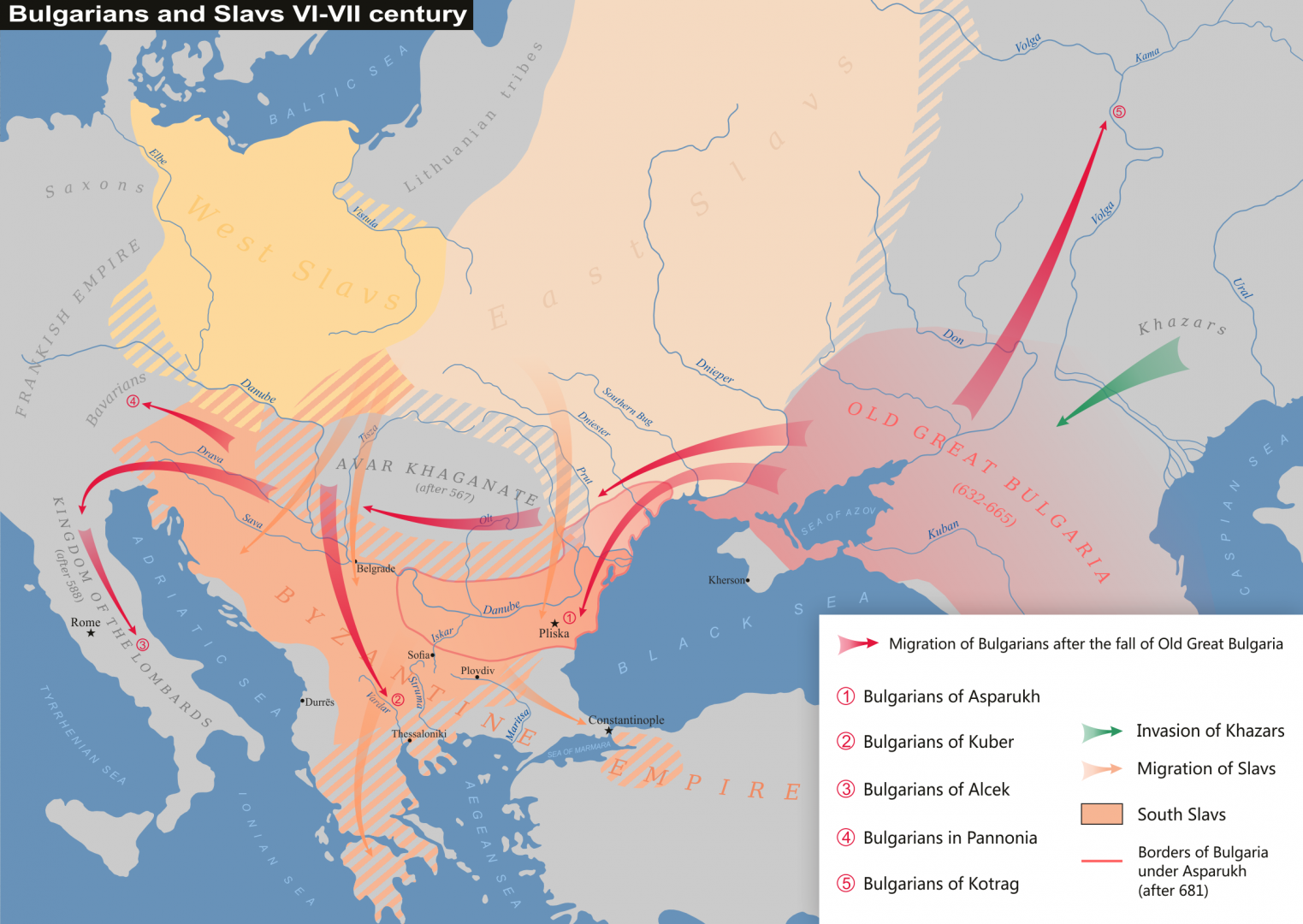
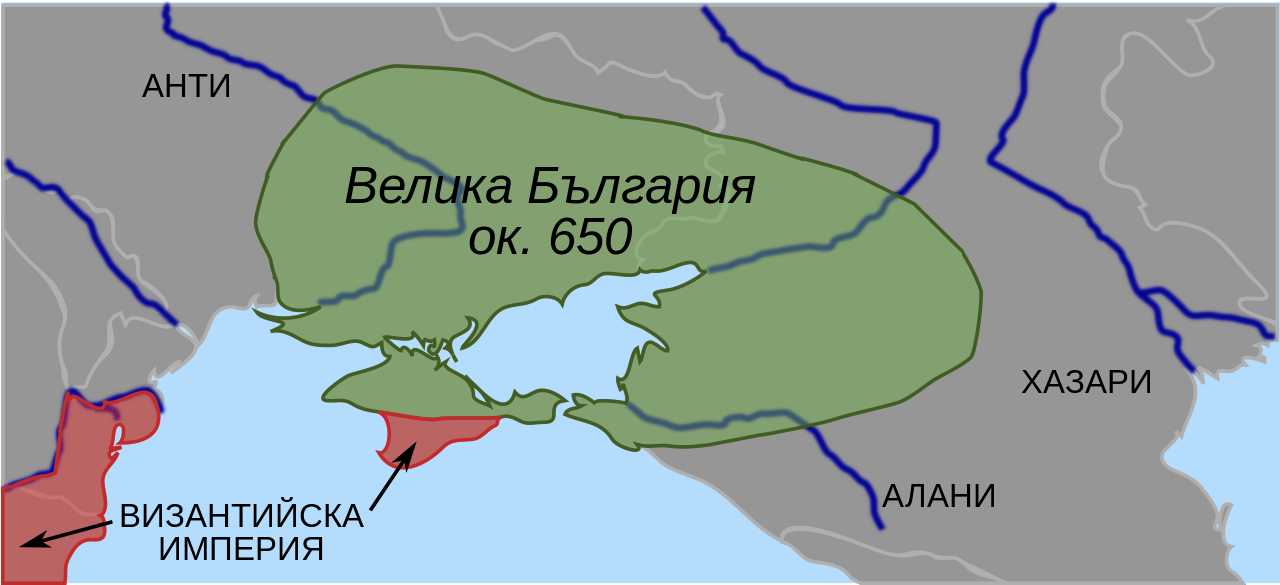
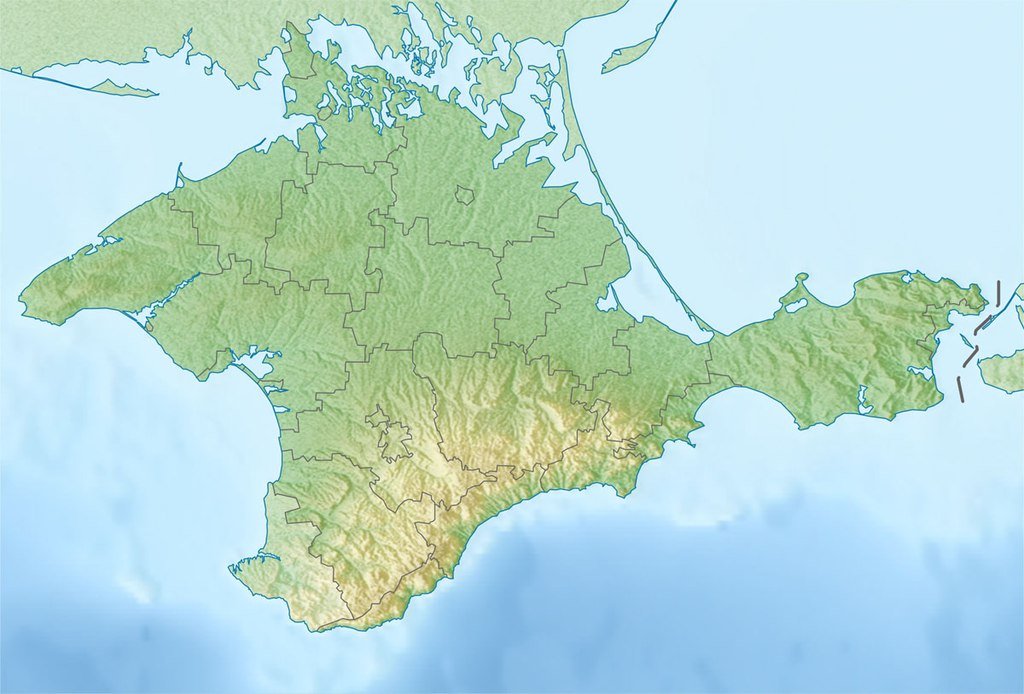
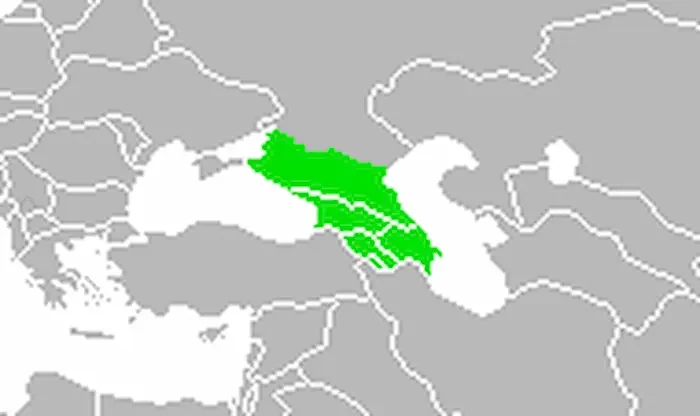
In the 630s, Bulgar tribes of the Western Turkic Khaganate united around the Onogundur tribe, led by Kubrat. This union encompassed lands north of the Black Sea, bounded by the Carpathians, the Caucasus and the Volga, and was known in historical sources as Volga Bulgaria or Great Bulgaria. The precise year of its recognition as a state is disputed; some place it as early as 635 under Kubrat. Some sources identify Phanagoria as its capital, although archaeological excavations do not support this. The khanate was a military and tribal union of Bulgars and related peoples previously subject to the Avar and Western Turkic khaganates. The borders of the First Bulgarian Empire extended from the Kuban in the east to the Donets in the north, including lands around the Sea of Azov and the Black Sea to the south, but excluding southern Crimea. Its western boundary was the Dnieper.
After establishing an independent state, Khan Kubrat renewed the treaty of 619 with Emperor Heraclius. The new agreement was concluded in Constantinople in 635. Besides peace, it contained provisions for cooperation.
The state's system of government is thought to have resembled those of its neighbours. It was probably not strictly centralised, but it was certainly ruled by the Dulo clan, which possessed its own lands and pastures. Nomadic tradition held that all authority should remain within one 'charismatic' lineage. Accordingly, Kubrat appointed his sons to lead individual Bulgar tribes. Avar-Turkic tribes incorporated later were also redistributed, bringing different ethnic groups together. Although part of the state, they retained their internal government and came under Kubrat's command only during warfare. This system had been widespread in neighbouring lands since antiquity. Central authority belonged to one lineage, with all other tribes and peoples placed lower in the hierarchy. It was called the 'paternal family'.
After Kubrat's death in 665, his eldest son Batbayan took over Great Bulgaria. In 668, the state finally fell under Khazar rule.
Share: