Battles

302 results
The Battle at the Mouth of the Danube
A new power appeared in the Balkans during this period: Kievan Rus', which allied with Byzantium. In August 968, Prince Sviatoslav of Kiev, encouraged by Byzantium, invaded Bulgaria with an army of sixty thousand and defeated a Bulgarian force half that size, which withdrew to Silistra.
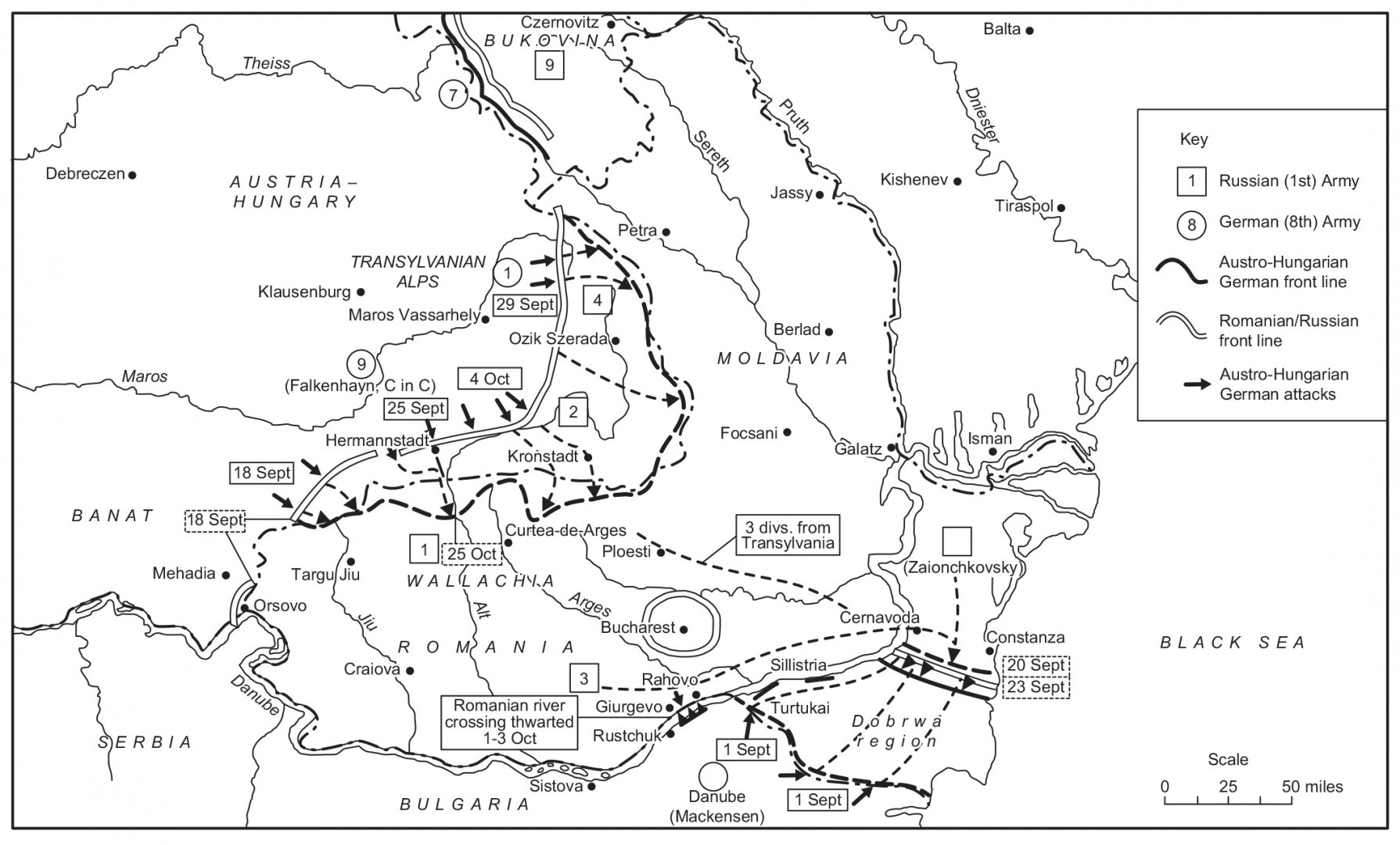
The Battle for Dobrich
Romanian, Russian and Serbian units attacked Dobrich. Despite the enemy's considerable numerical superiority, units of the 8th Primorski Infantry Regiment repelled it.
The Battle for Edirne
Edirne Fortress was besieged at the beginning of the First Balkan War. The siege was divided into four sectors: Eastern, on the left banks of the Tundzha and Maritsa; Southern, on the right banks of the Maritsa and Arda; Western, along the left bank of the Arda as far as the Maritsa; and North-Western, along the right bank of the Tundzha as far as the Maritsa.
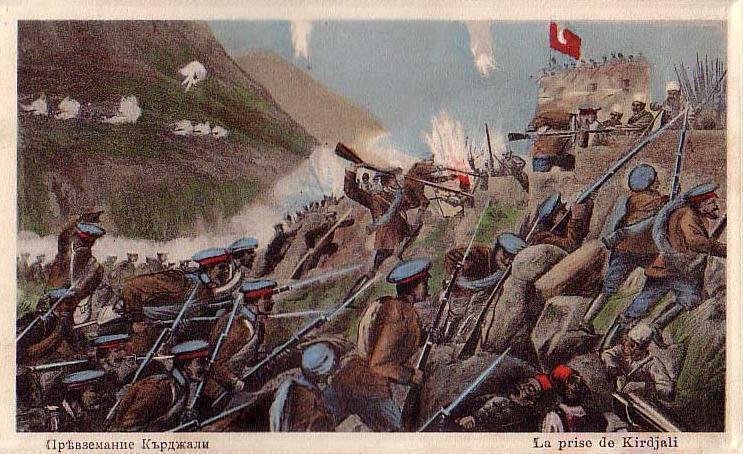
The Battle for Kardzhali
Immediately after the outbreak of the First Balkan War, the Bulgarian command took steps to secure the Kardzhali region, as Ottoman troops were dangerously close to the rear of the Bulgarian armies advancing into Eastern Thrace. The Haskovo Detachment was formed and tasked with driving the enemy, Yaver Pasha's Kardzhali Corps, south of the Arda River.
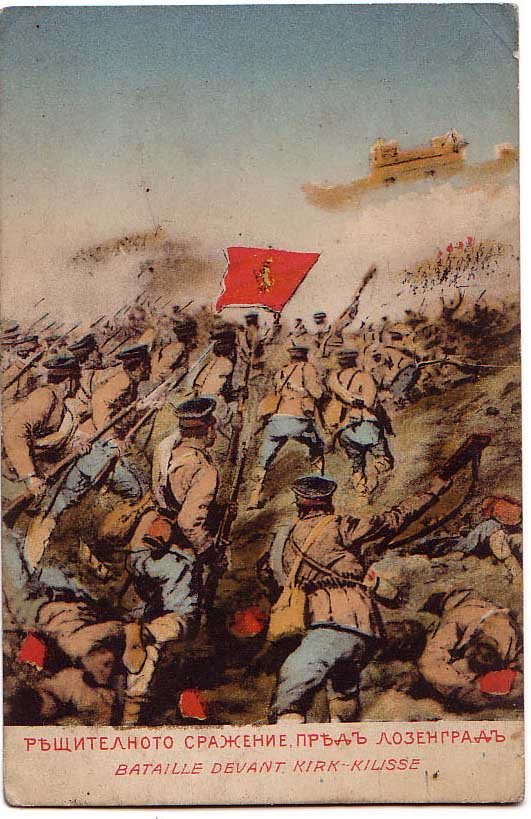
The Battle for Lozengrad
The Lozengrad Operation was the Bulgarian army's first major battle in the First Balkan War. It took place in Eastern Thrace from 9 to 11 October 1912.
The Battle for Pirot
Following the victory at Slivnitsa, the Bulgarian army launched a counteroffensive that soon brought it to the approaches to Pirot. The Serbian Nišava Army had taken defensive positions on the heights east of the town.
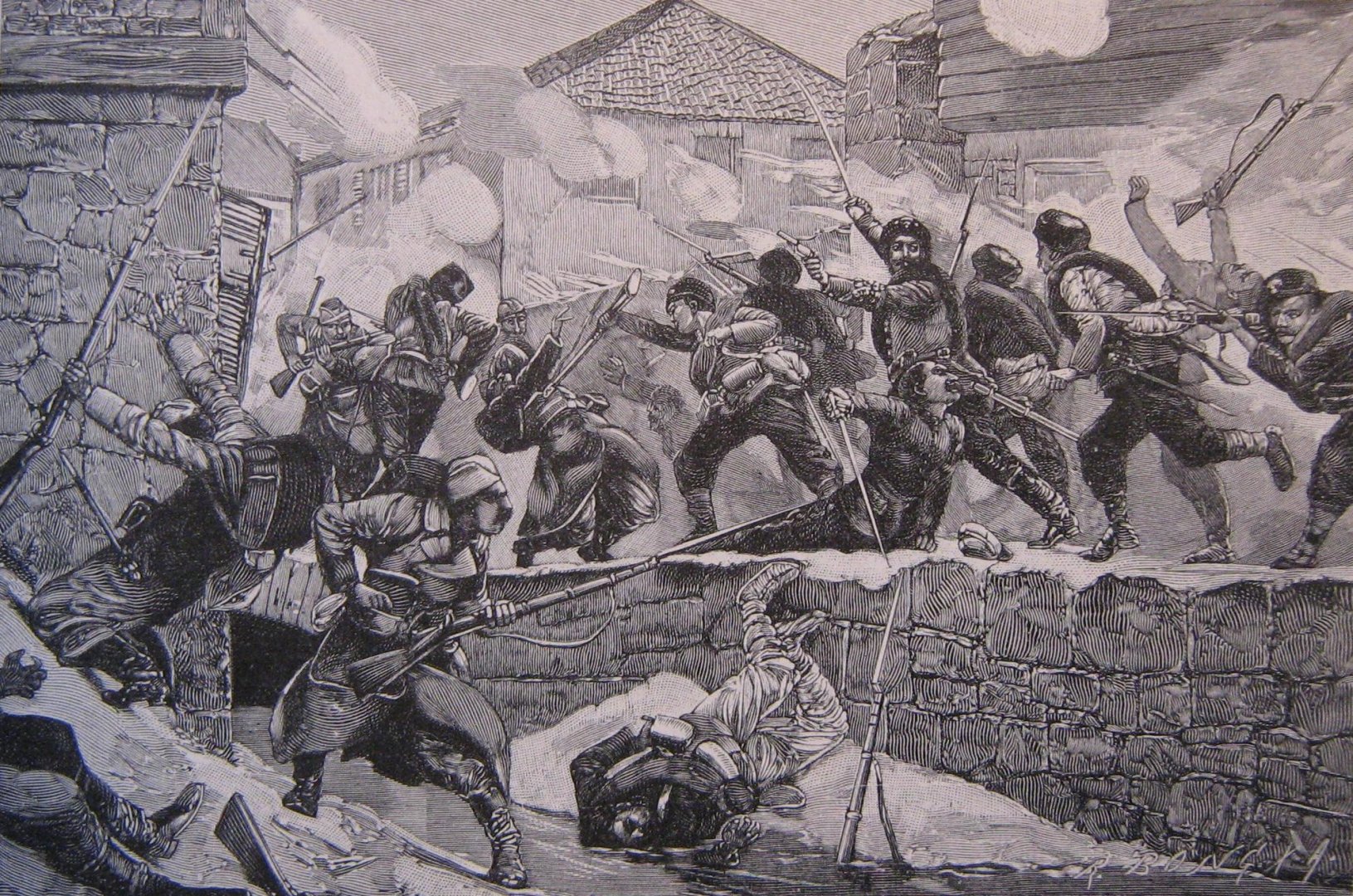
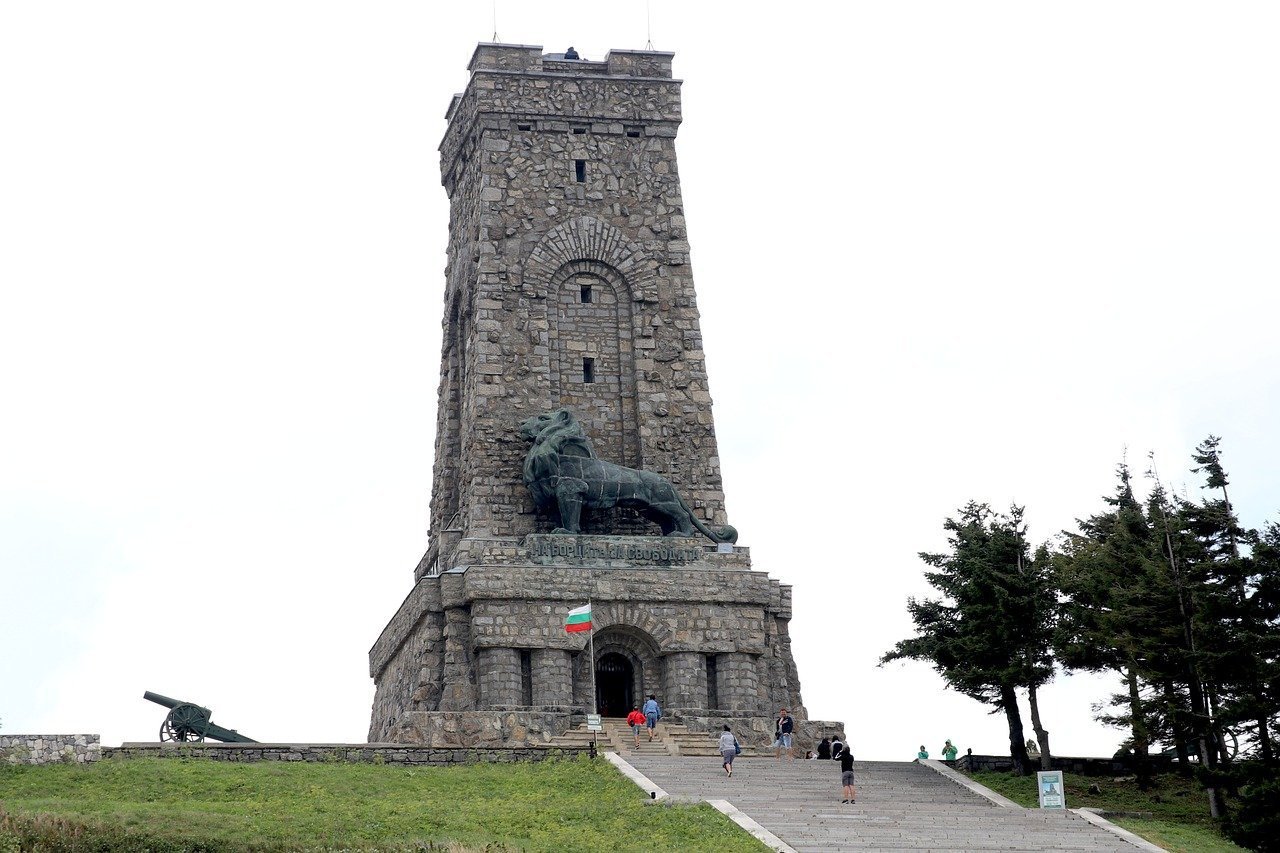
The Battle for Shipka Pass
After heavy fighting in southern Bulgaria, the Russian command decided to withdraw and organise the defence of Shipka Pass. The 36th Oryol Infantry Regiment, 35th Bryansk Infantry Regiment, and 1st, 2nd, 4th and 5th Bulgarian Volunteer Battalions were assigned to this task.
The Battle for the Kresna Gorge
After the victory at Kalimantsi, the Bulgarian command redirected the Second and Fourth Armies towards the Greek front. The forces deployed along the Mount Golak–Gorna Dzhumaya–Yakoruda line were ordered to advance on 14 July 1913 and encircle the Greek troops in the Kresna Gorge.
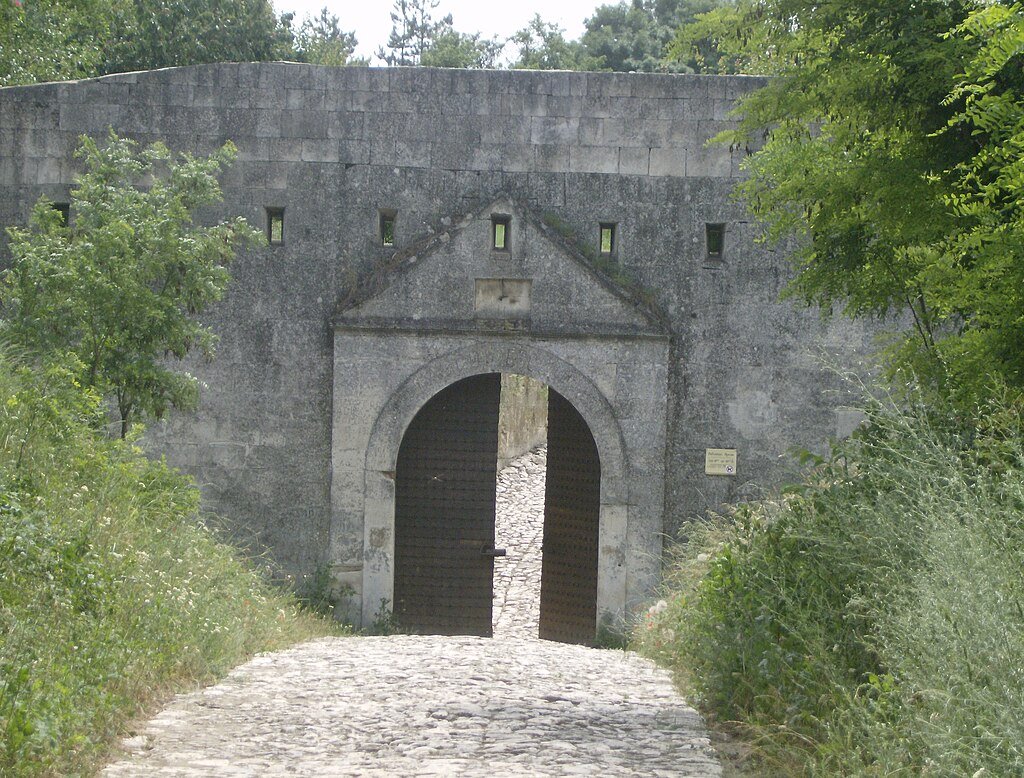
The Battle for Tutrakan
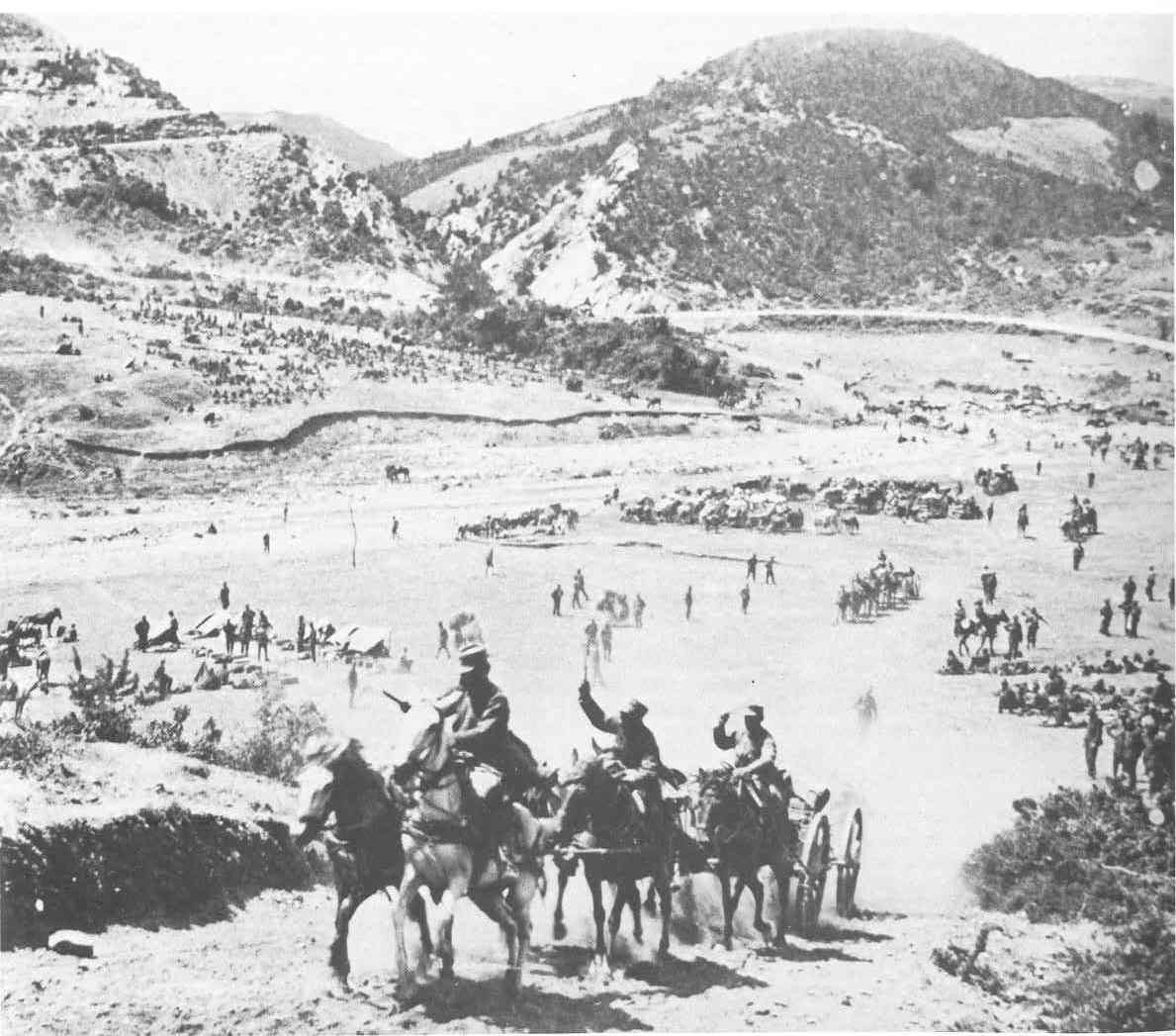
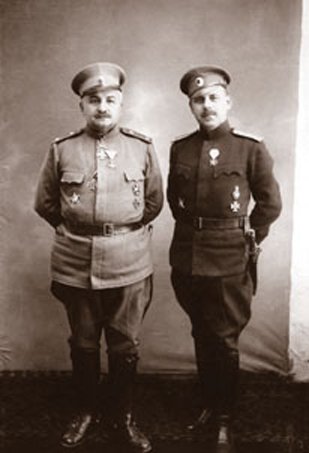
After 1913, Southern Dobruja was incorporated into Romania. The Tutrakan fortified area, with its large and well-armed garrison, was a pillar of Romanian defence.
The Battle for Vidin
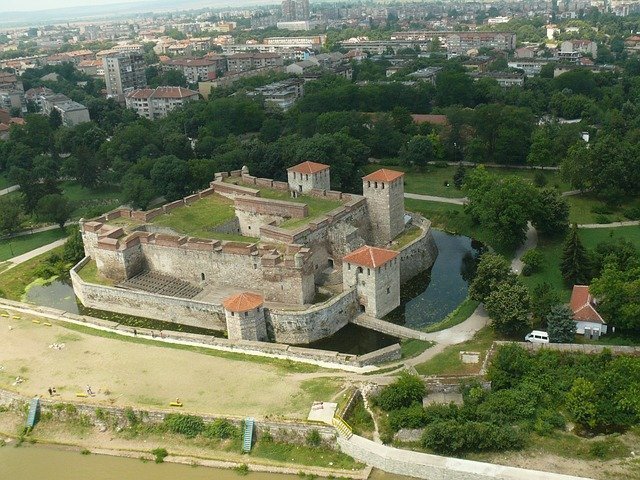
On the eve of the Serbo-Bulgarian War, a formation called the Northern Detachment was established to defend north-western Bulgaria. The Serbian command assigned the Timok Army to invade the north-western Bulgarian lands.
The Battle in Macedonia
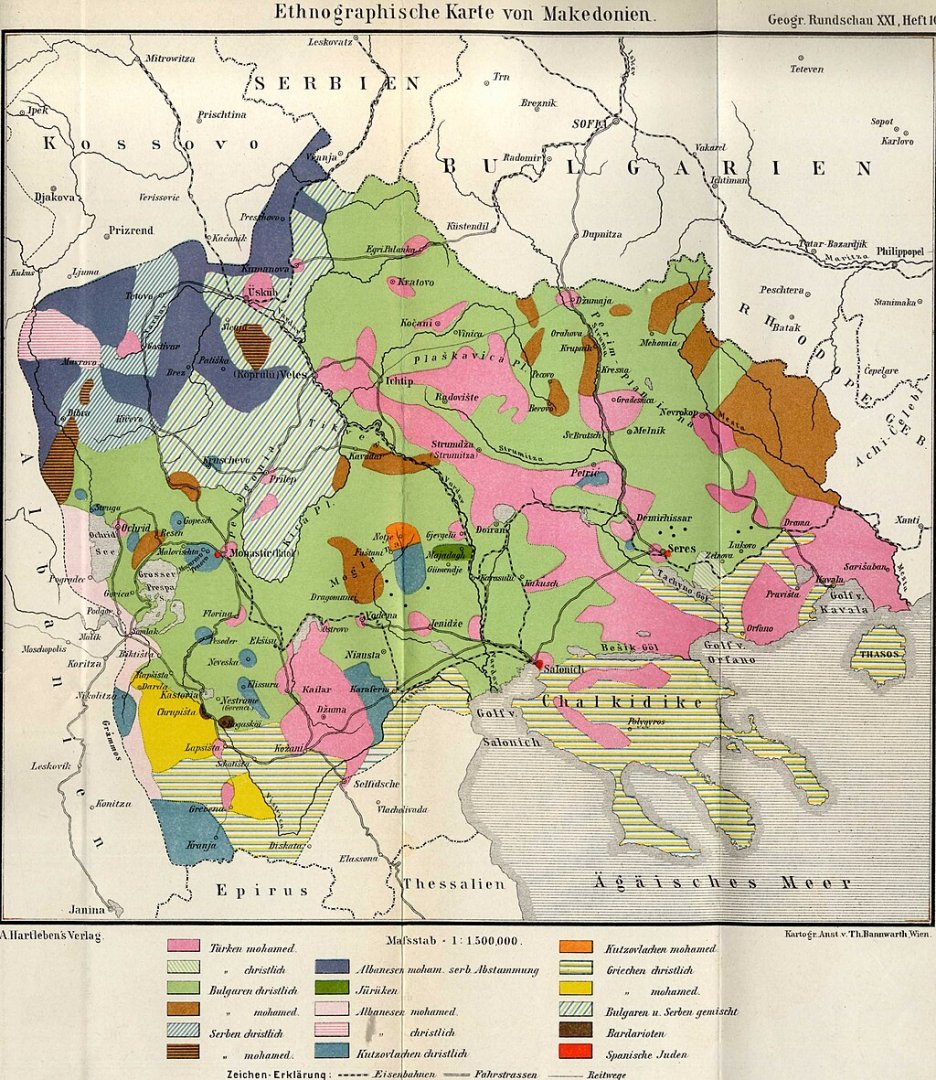
At this time, Byzantium was weakened by fierce warfare with Italy and threats to its borders from Arab armies. Tsar Simeon exploited this weakness and attacked Byzantine territory in 894.
The Battle near Constantinople
After an unsuccessful attempt to capture Constantinople, Simeon tried several more times. One attempt came in 921.
The Battle near Preslav
After defeating Bulgarian forces on the Danube in 968, the Rus' prince was forced to return to Kievan Rus' because of a Pecheneg attack on Kiev, in which Bulgarian involvement has been suggested. The following year, however, he returned to Bulgaria intending to destroy the Bulgarian Empire.
The Battle of Achelous
Bulgaria's steadily growing geopolitical importance in the Balkans caused deep concern in Byzantium. Constantinople decided to halt all other military operations and direct every available force against Bulgaria with the aim of destroying it.
The Battle of Adrianople
After his victory at Varbitsa Pass and territorial expansion westwards, Khan Krum also turned his attention to the south-east. Adrianople was an important strategic fortress obstructing control of those territories.
The Battle of Anchialos
After the Bulgarian victory at Rish Pass in 759, rival clans struggled over succession to the Bulgarian throne. The ruling Vokil clan was replaced by the Ugain clan, and Khan Telets of the Ugain clan ascended the throne.
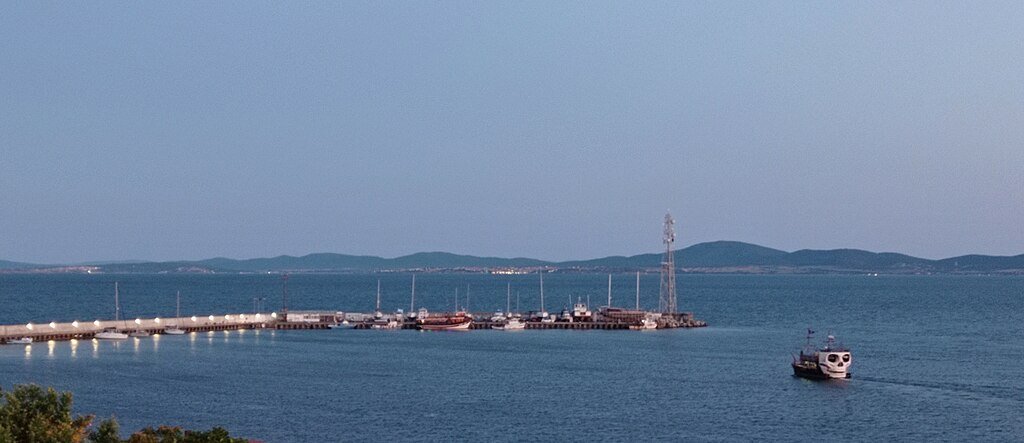
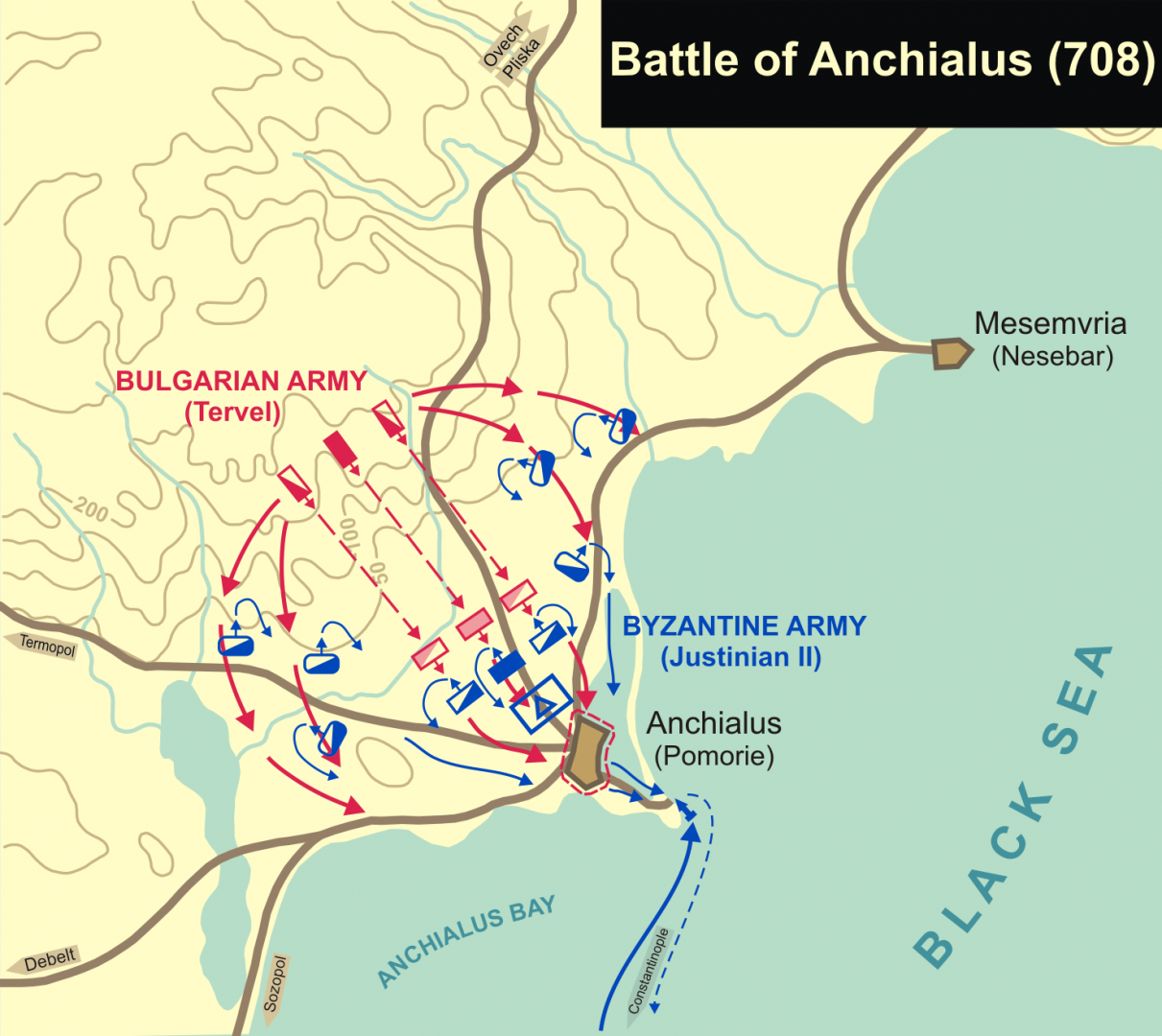
The Battle of Anchialos
Three years after Emperor Justinian II rewarded Khan Tervel with gold, silver, silk, the title of caesar and the region of Zagore, he attempted to recover Zagore by attacking it.
The Battle of Ashtatgizma Pass
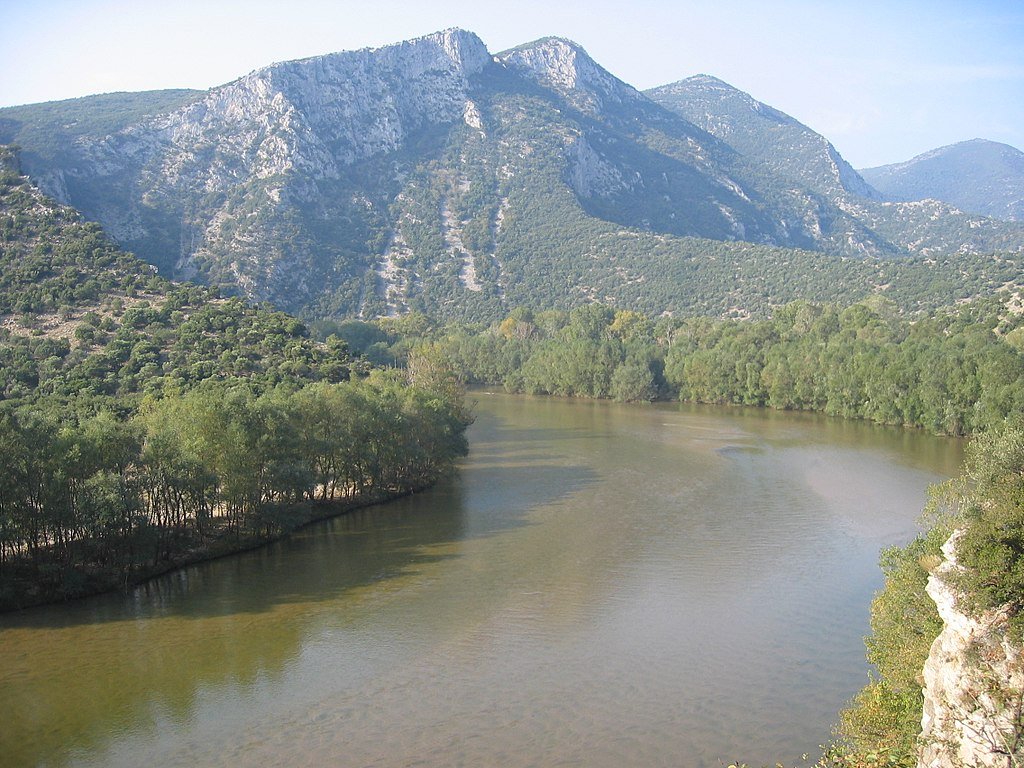
The battle took place in Ashtatgizma Pass, at the mouth of the Rentina River. There, Asparuh's Bulgarians came to assist Kuber's forces.
The Battle of Berzitia
In 774, Khan Telerig decided to support the Berziti tribe of Macedonia in its attempt to win autonomy from Byzantine rule. The battle took place in 774 in Berzitia, North Macedonia, but involved no substantial military action.
The Battle of Boruy
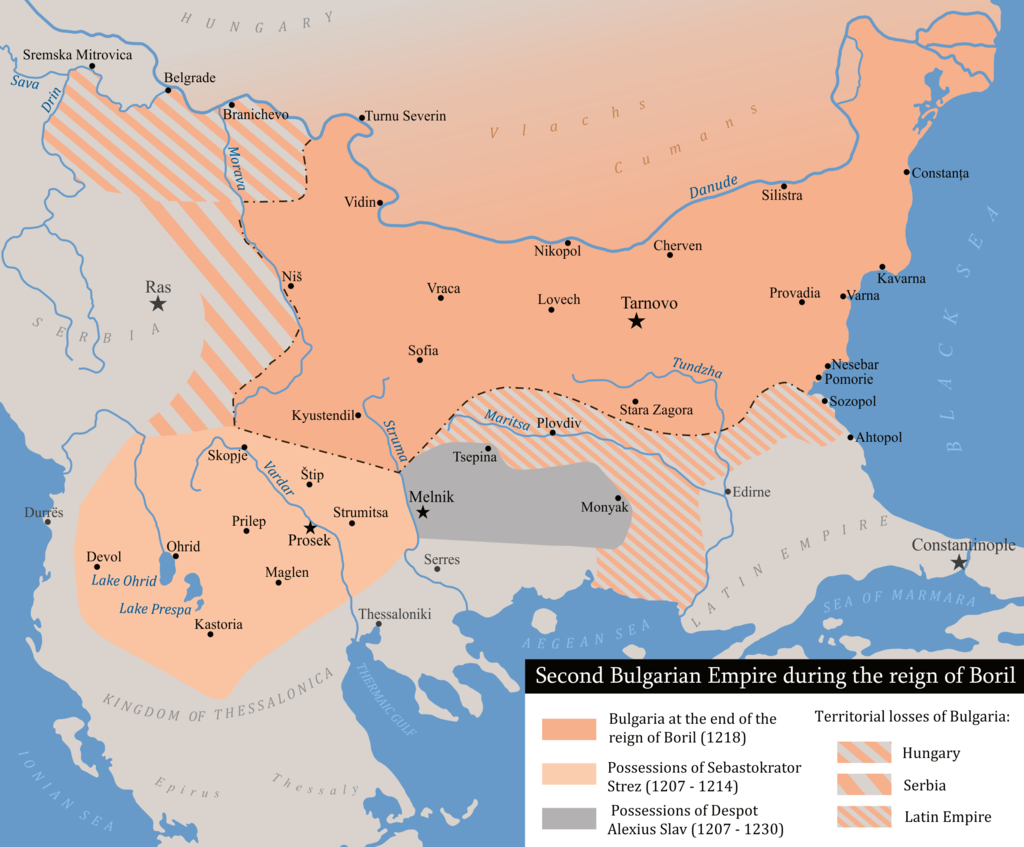
After Tsar Kaloyan was killed in a coup, Boril was proclaimed tsar. He began persecuting descendants of the Asen dynasty, some of whom escaped abroad, while attempting to consolidate the country.
The Battle of Bulair
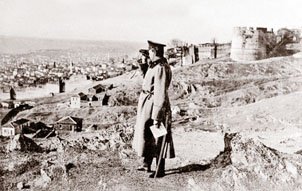
The Battle of Bulair formed part of the offensive launched after the Young Turk coup, intended to break into Eastern Thrace towards besieged Edirne. A Turkish attack by one division began early on 8 February 1913 but was halted immediately before the Bulgarian trenches.
The Battle of Bulgarophygon
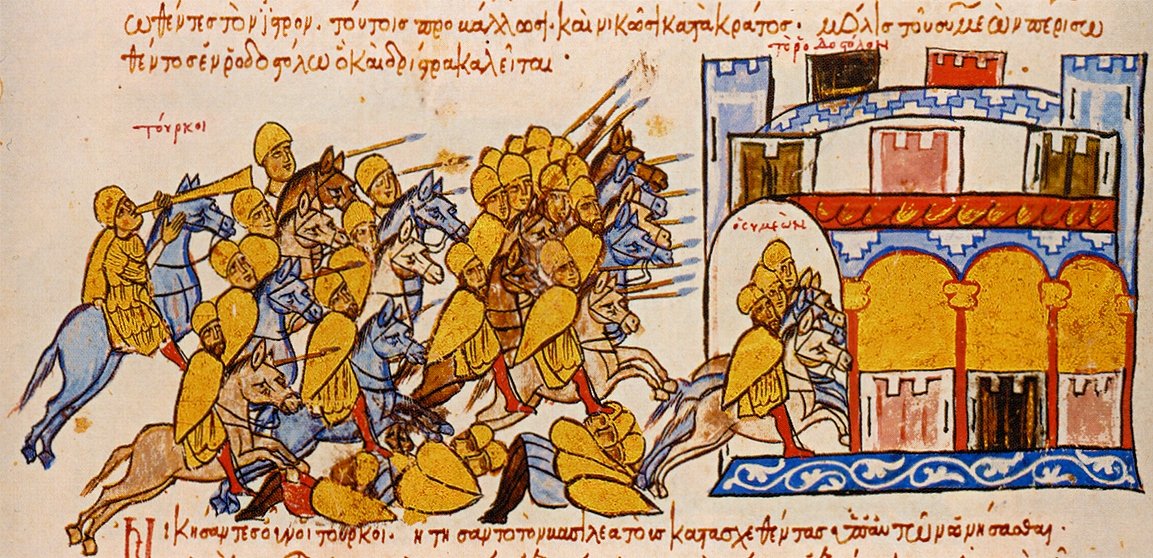
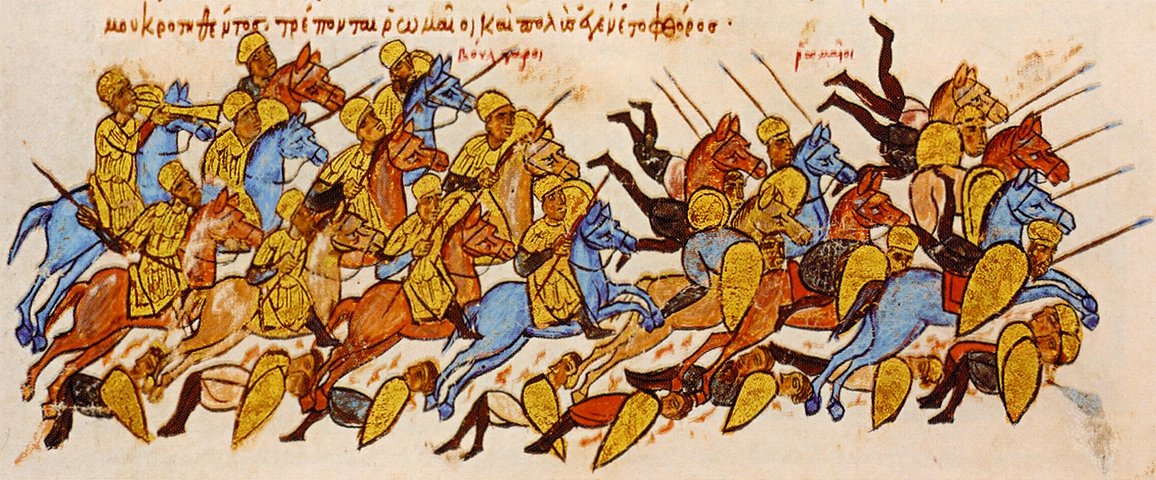
The fighting took place during the Bulgarian-Byzantine war that began in 894 over the relocation of Bulgarian merchants and increased charges imposed on them in Byzantium. Victory at the Southern Bug enabled Simeon to consolidate his position.
The Battle of Burdizon
The Battle of Burdizon, or Bulgarophygon, in 756 was fought between Bulgarians led by Khan Kormisosh and Byzantine troops under Emperor Constantine V. Kormisosh reached the walls of Constantinople but suffered a heavy defeat at the hands of the Byzantine army.
The Battle of Cobadin
Following defeats at Tutrakan and Dobrich in early September 1916, Russian and Romanian troops in Dobruja withdrew to the Rasova–Cobadin–Tuzla defensive line. Its flanks rested on the Danube and the Black Sea.