Kan Tervel

Kan Tervel
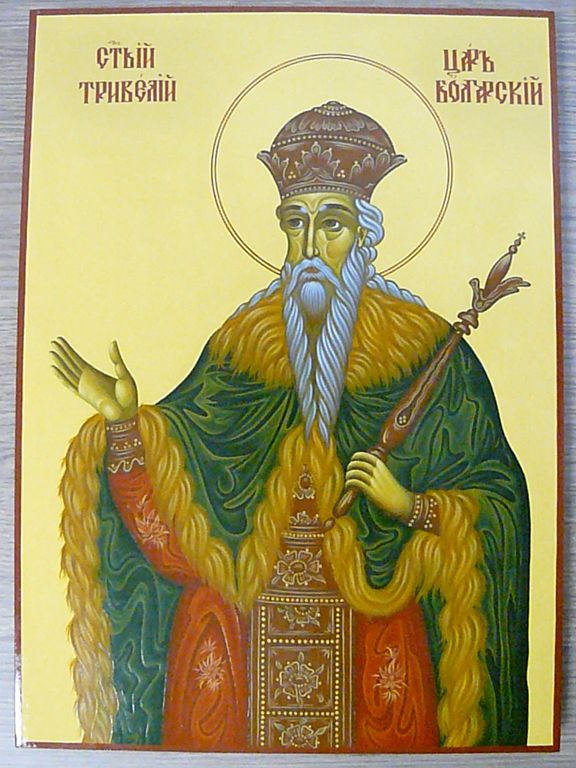
Tervel
Khan Tervel was a son of Khan Asparuh. He inherited the throne in 701 and ruled the First Bulgarian state until 721. His policy towards Byzantium was particularly active. Tervel established several strategic foreign-policy objectives that were also pursued by his successors. The first was to expand Bulgaria’s territory south of the Balkan Mountains. The second was to secure recognition and the right to possess the Bulgarian territories. Tervel came into contact with every Byzantine emperor who ruled during his reign. To some extent, all these rulers turned to the Bulgarian ruler for assistance in various military or diplomatic disputes. The only successful assistance Tervel was able to provide was in 705, when he helped Justinian II return to the throne.
An important event was the signing of a peace treaty between Bulgaria and Byzantium, which is reflected in the inscription at the Madara Rider near Shumen. Important gains for Bulgaria under this treaty were the region of Zagore and the title of Caesar, bestowed on Khan Tervel. In the 8th century, the dignity of Caesar ranked second only to that of emperor. Soon afterwards, however, the Byzantine emperor decided to withdraw his gifts to the Bulgarian ruler and launch a campaign against the Bulgarians. In 708, the Byzantine army was defeated by the Bulgarians at the Battle of Anchialus. In 711, Emperor Justinian II again appealed to Khan Tervel for help, through which the Byzantine emperor consolidated his position on the throne.
Khan Tervel provided important support to the Byzantine emperor in the fighting against the Arabs in 717–718. With the Bulgarian ruler’s help, they were repelled and prevented from gaining a foothold on European territory.
Khan Tervel is the only ruler who is not portrayed negatively in any of the historical sources. According to some authors and researchers, he was the first to accept Christianity “symbolically”.
Share:


