Bulgarian–Byzantine Treaty

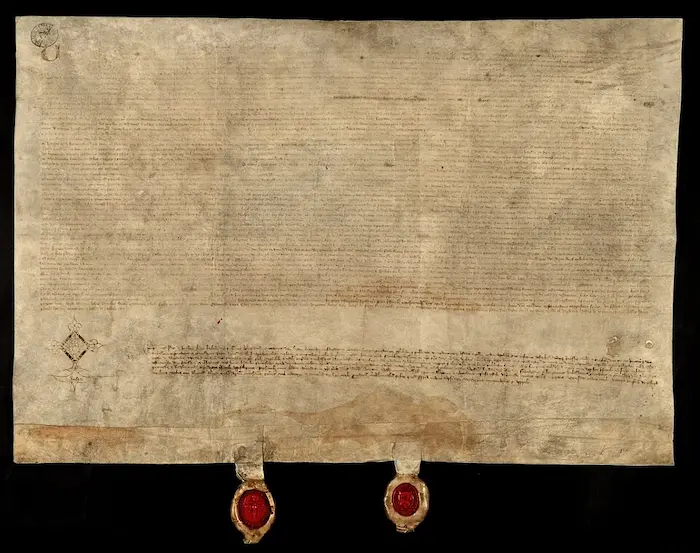
Bulgarian–Byzantine Treaty
In 716, Bulgaria and Byzantium concluded one of their most important diplomatic treaties of the early Middle Ages: an alliance between Khan Tervel and the Byzantine emperor Theodosius III. The agreement was significant for relations between the two states and consolidated Bulgaria’s growing influence in the Balkans.
Following the official recognition of the Bulgarian state in 681, relations between Bulgaria and Byzantium alternated between tension and temporary rapprochement. In the early 8th century, Byzantium was torn by internal crises, frequent changes of emperor and an increasing Arab threat from the east. In this unstable situation, Emperor Theodosius III sought allies against the Arabs, who were already preparing to besiege Constantinople.
In 716, near Constantinople, Byzantium and Bulgaria signed an alliance treaty under which Bulgaria undertook to provide military assistance against an Arab threat, while Byzantium agreed to pay the Bulgarians annual tribute. The agreement also established a precisely defined boundary between the two states. It provided for an exchange of prisoners and the protection of merchants from both countries.
The alliance proved vital in 717–718. The Arab Caliphate besieged Constantinople with a huge fleet and army. Honouring the treaty, Khan Tervel responded and dealt a crushing blow to Arab forces in the Golden Horn area. Bulgarian intervention was crucial to saving the Byzantine capital and halted Arab expansion towards Europe.
Share:


