Treaty of Angora

Treaty of Angora
The Treaty of Angora, signed on 18 October 1925 in Angora (present-day Ankara), was an important agreement between the Kingdom of Bulgaria and the Republic of Turkey. It was signed by Foreign Ministers Atanas Burov of Bulgaria and Tevfik Rüştü Aras of Turkey and definitively settled questions concerning population exchanges, refugees and minority rights after the Balkan Wars and the First World War.
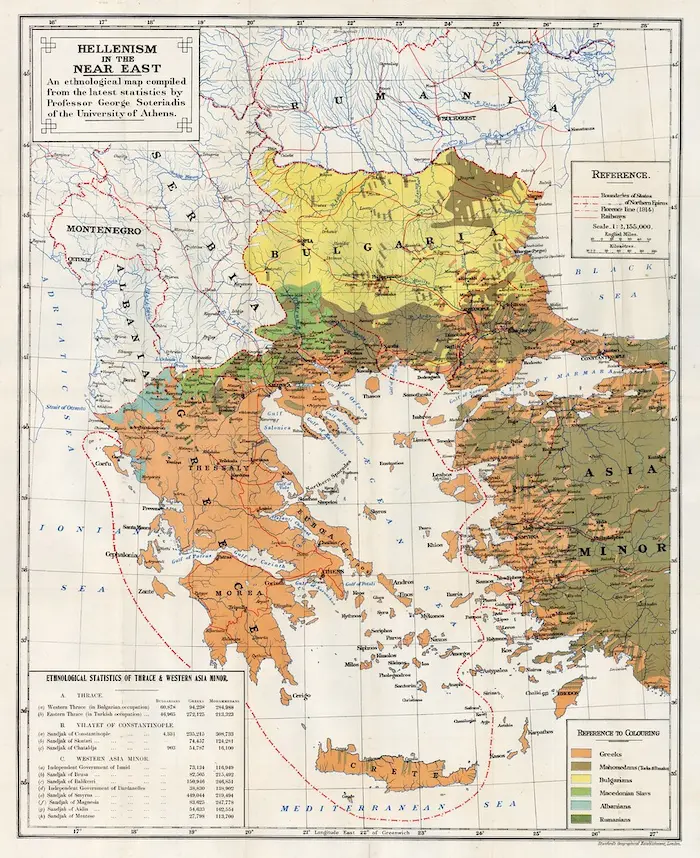
After the Second Balkan War and the First World War, many Bulgarians from Eastern Thrace remained outside the Kingdom of Bulgaria and were forced to leave their homes because of the new borders imposed by the Treaty of Constantinople (1913). Under that treaty, the Bulgarians of Eastern Thrace had the right to return to their homes, but the Republic of Turkey did not honour this right. Between 1923 and 1925, tensions between the two countries increased because of unregulated refugee movements and pressure on minorities.
The Treaty of Angora settled the final population exchange between the two countries. Approximately 70,000 Eastern Thracian Bulgarians would not be allowed to return to the sanjaks of Edirne and Lozengrad, while Turkish refugees from the new Bulgarian territories, numbering about 30,000, settled in their place. This exchange was intended to reduce ethnic conflicts and stabilise the border between the two states.
The treaty provided for the protection of the rights of the remaining minorities and guaranteed freedom of religion. Bulgaria undertook to ensure equal rights for Muslims within its borders, including exemption from military service, continuing practices established in earlier treaties.
Share:


