Battles

302 results
Battle of Rovine
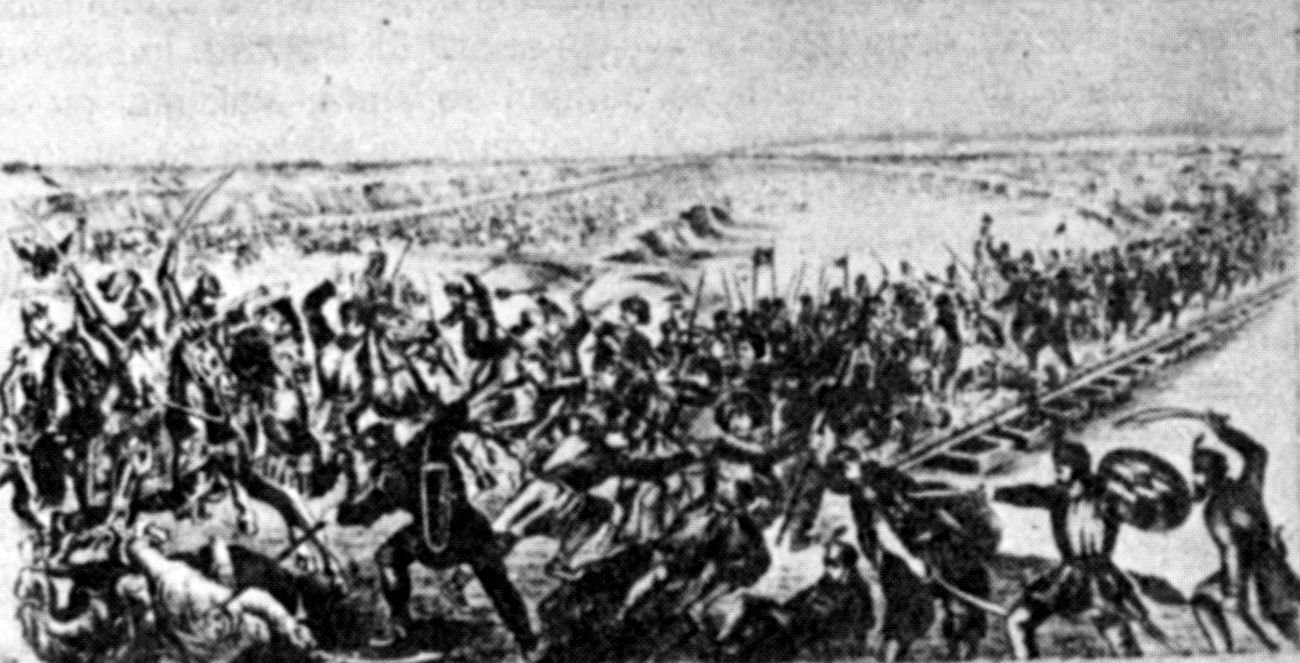
The Battle of Rovine was fought on 17 May 1395. The campaign that preceded it began after the fall of Tarnovo in July 1393.
Battle of Rusion
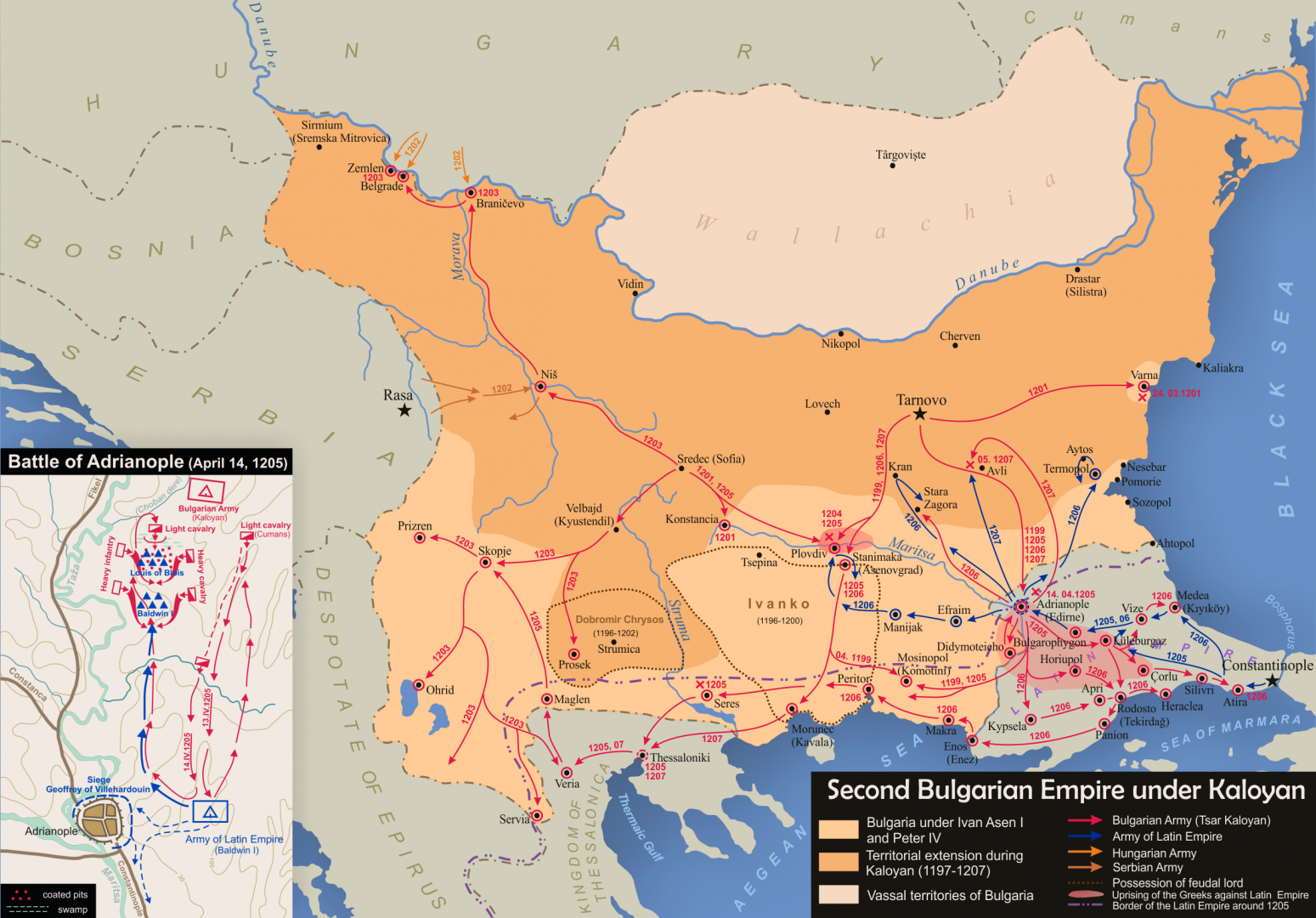
The Battle of Rusion was an engagement in the Bulgarian–Latin wars. In mid-January 1206, the Bulgarian army advanced south.
Battle of Rusokastro
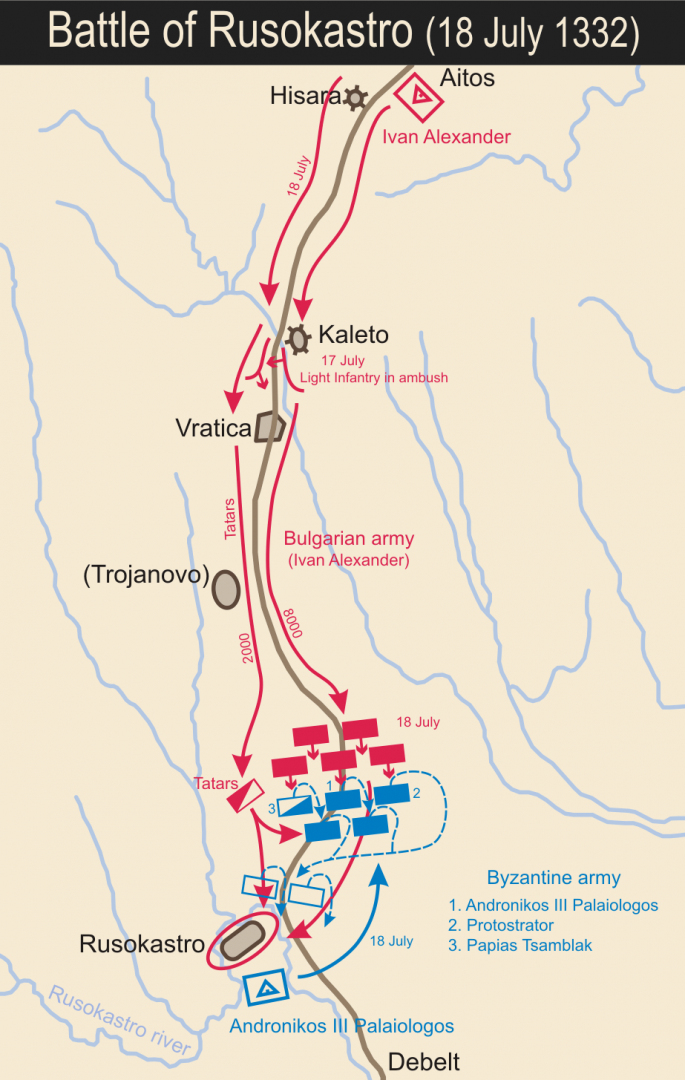
In the summer of 1332, a rebellion broke out in Bulgarian territory under the boyar Belaur, brother of Michael III Shishman. At this time, the Byzantine emperor Andronikos III saw an opportunity to recover the fortresses south of the Balkan Mountains by exploiting the unrest in the neighbouring state.
Battle of Samara Bend
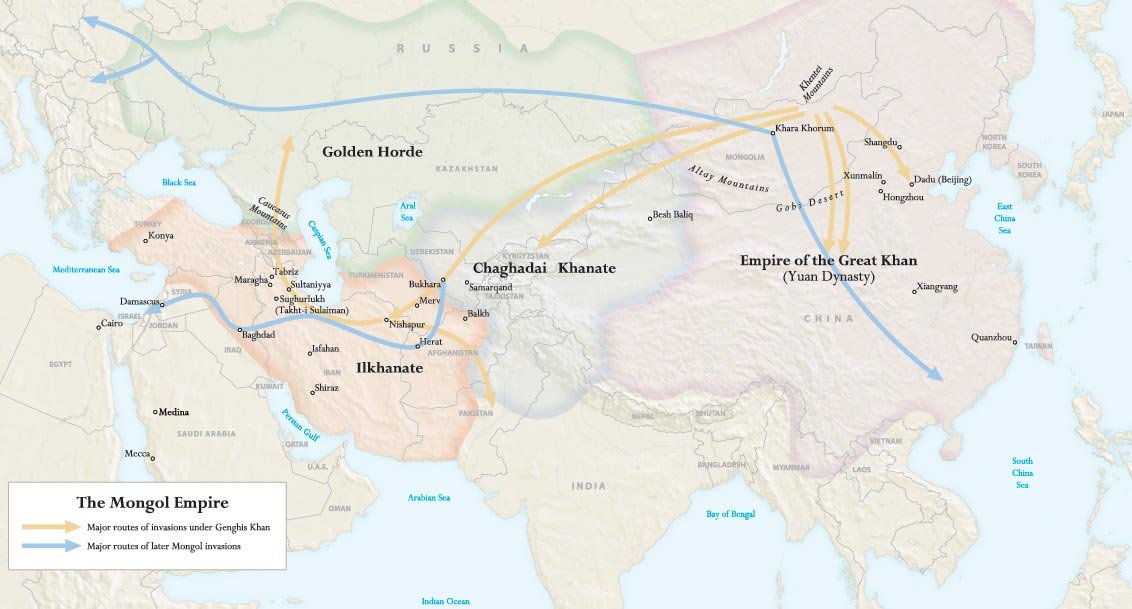
The Battle of Samara Bend, or the Battle of the Rams, was a clash between Volga Bulgaria and the Mongols. It took place in the autumn of 1223 and was the first encounter between Volga Bulgaria and the Mongols led by Genghis Khan.
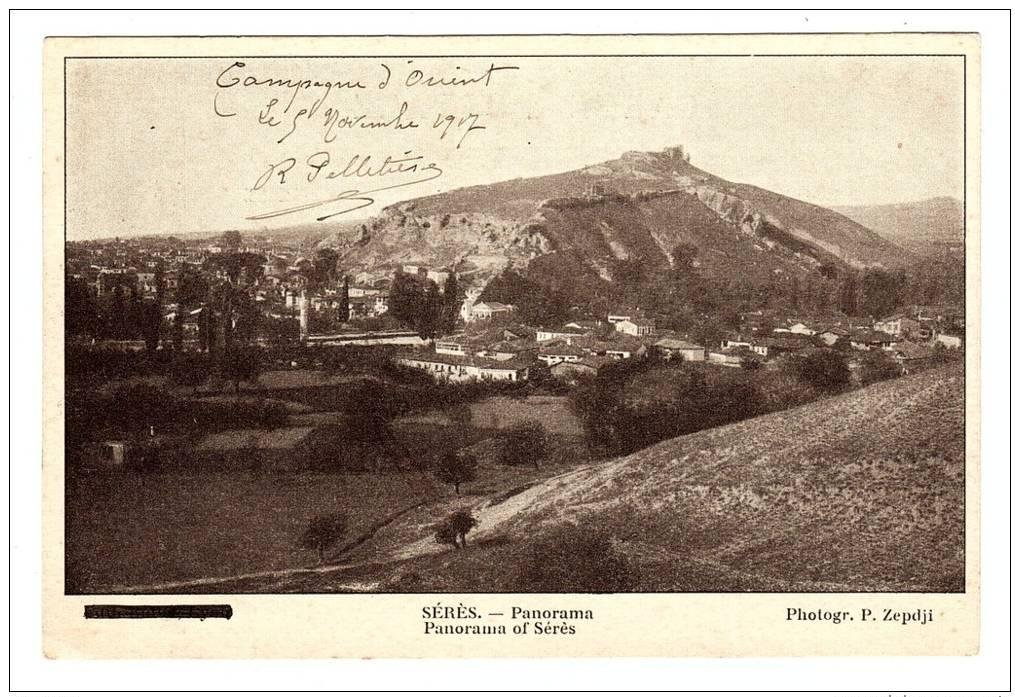
Battle of Serres, 808
In 808, Krum sent troops south along the Struma River. There they attacked a Byzantine detachment.
Battle of Setina
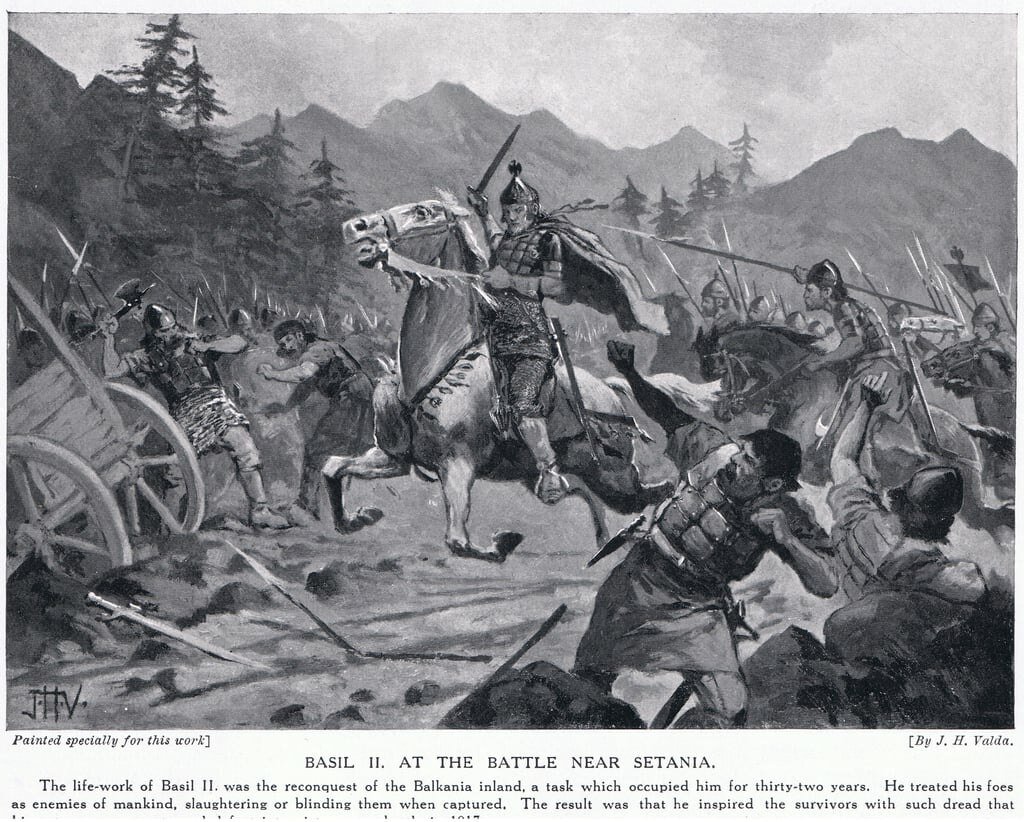
After decades of fighting to subjugate Bulgaria, Basil II won a decisive victory near Belasitsa in the summer of 1014. Taking advantage of the destabilisation of the Bulgarian state after Tsar Samuel's death on 6 October 1014, the Byzantines penetrated deep into Macedonia and captured a number of fortresses.
Battle of Sheynovo
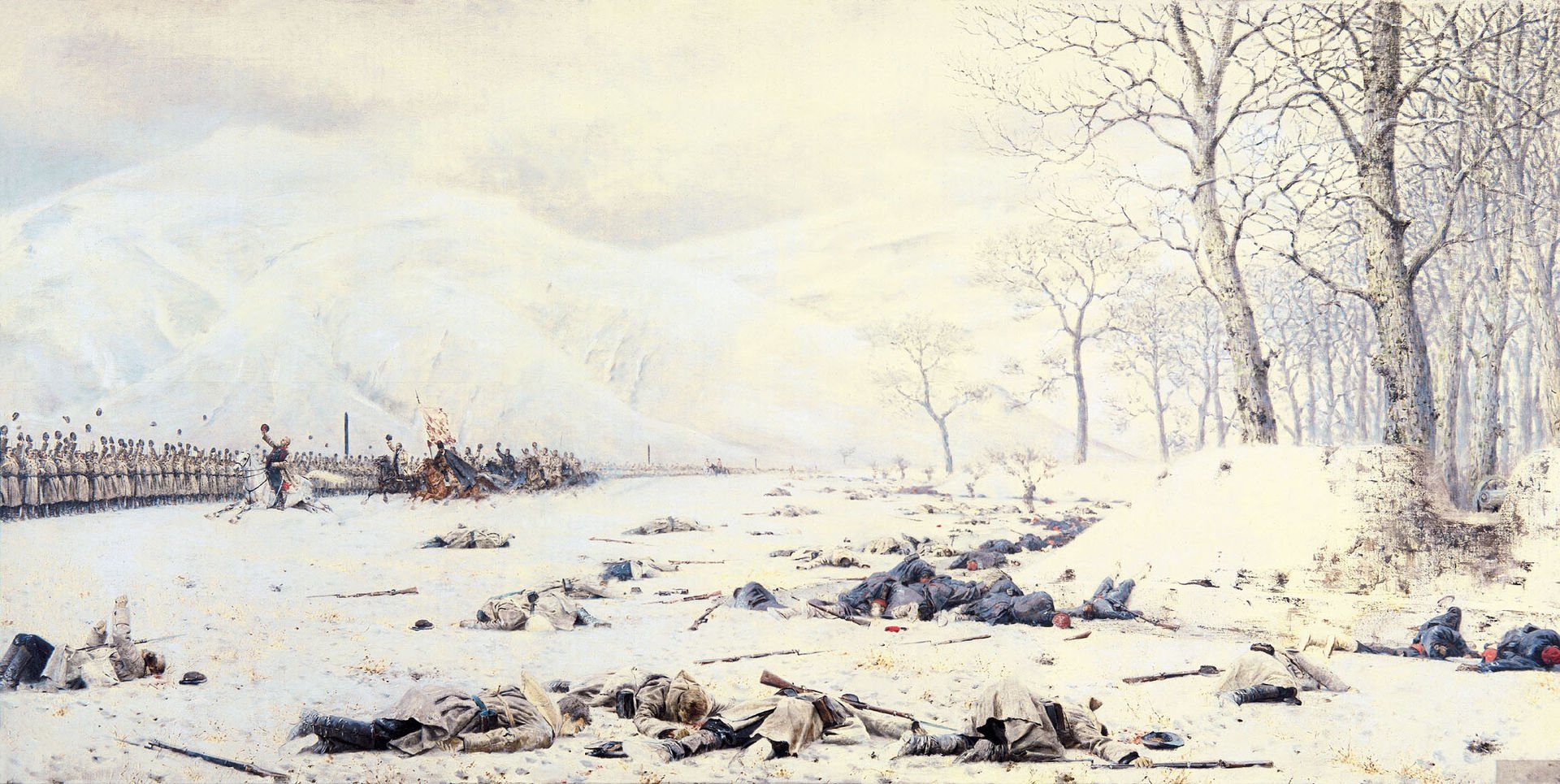
The Battle of Sheynovo was the Russian Southern Detachment's final action in defeating the Ottoman Central Army during the Russo-Turkish War of 1877–1878. The fall of Pleven freed substantial Russian forces to advance into the eastern territories of the Ottoman Empire.
Battle of Simitli
The battle took place at the beginning of the Balkan War. It was a clash between Bulgarian and Ottoman troops.


Battle of Singidunum
The Battle of Singidunum, fought in 488, was an important and dramatic episode in the early history of the Bulgars and Slavs in the Balkans. It took place near the ancient city of Singidunum, now known as Belgrade, the capital of Serbia.
Battle of Sirmium
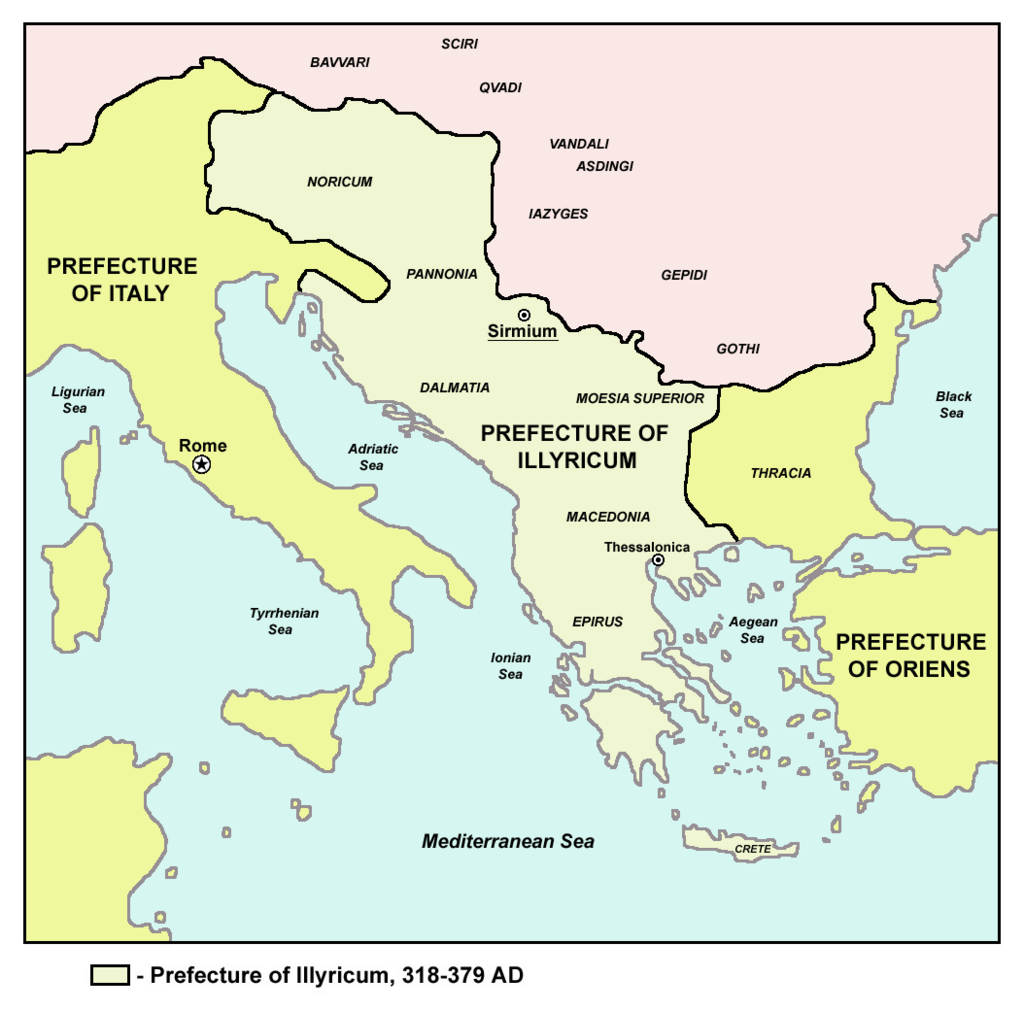
In the late fifth and early sixth centuries, the Bulgars penetrated the Balkan Peninsula, carrying out devastating invasions of Byzantine territory. Their intensifying attacks on the peninsula's interior caused serious concern for the security of the imperial capital, Constantinople, and its surroundings.
Battle of Skafida
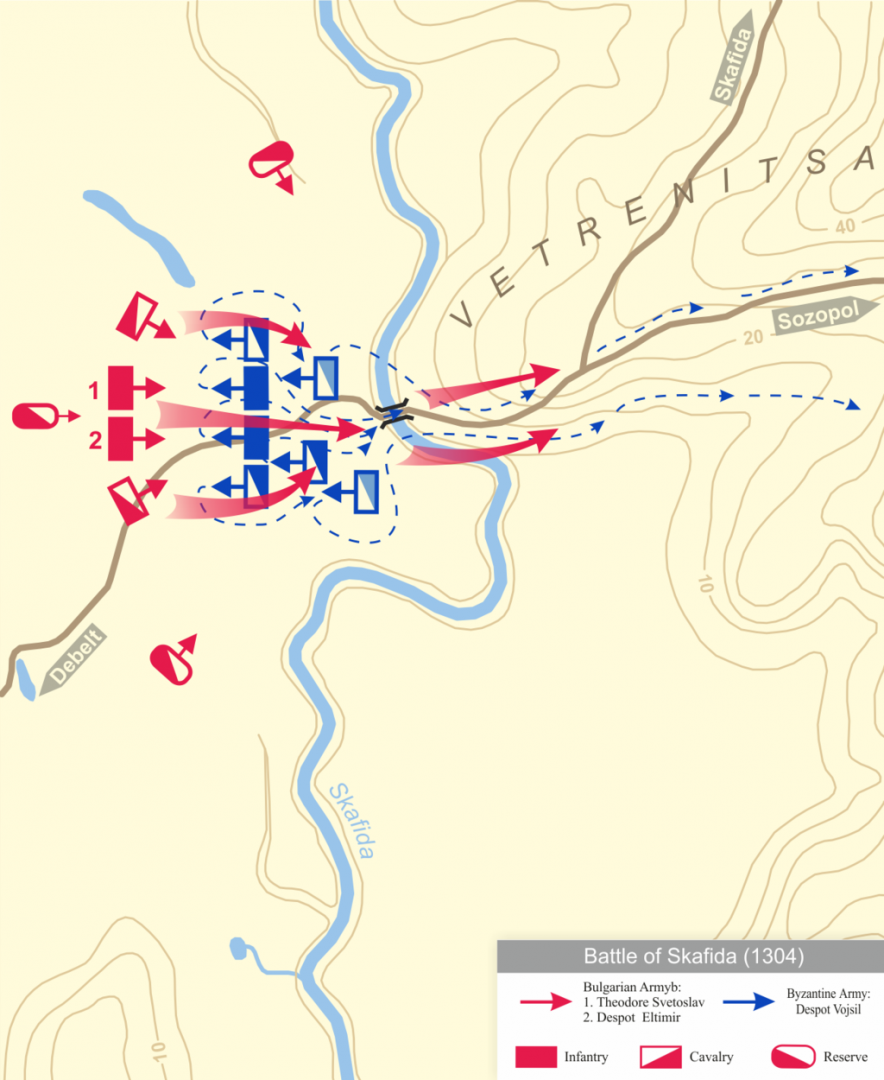
The Battle of Skafida took place near Poros (Burgas), Bulgaria, in 1304. After being proclaimed tsar in 1300, Theodore Svetoslav turned his attention to avenging the Tatar attacks against the country over the previous 20 years.
Battle of Sofia
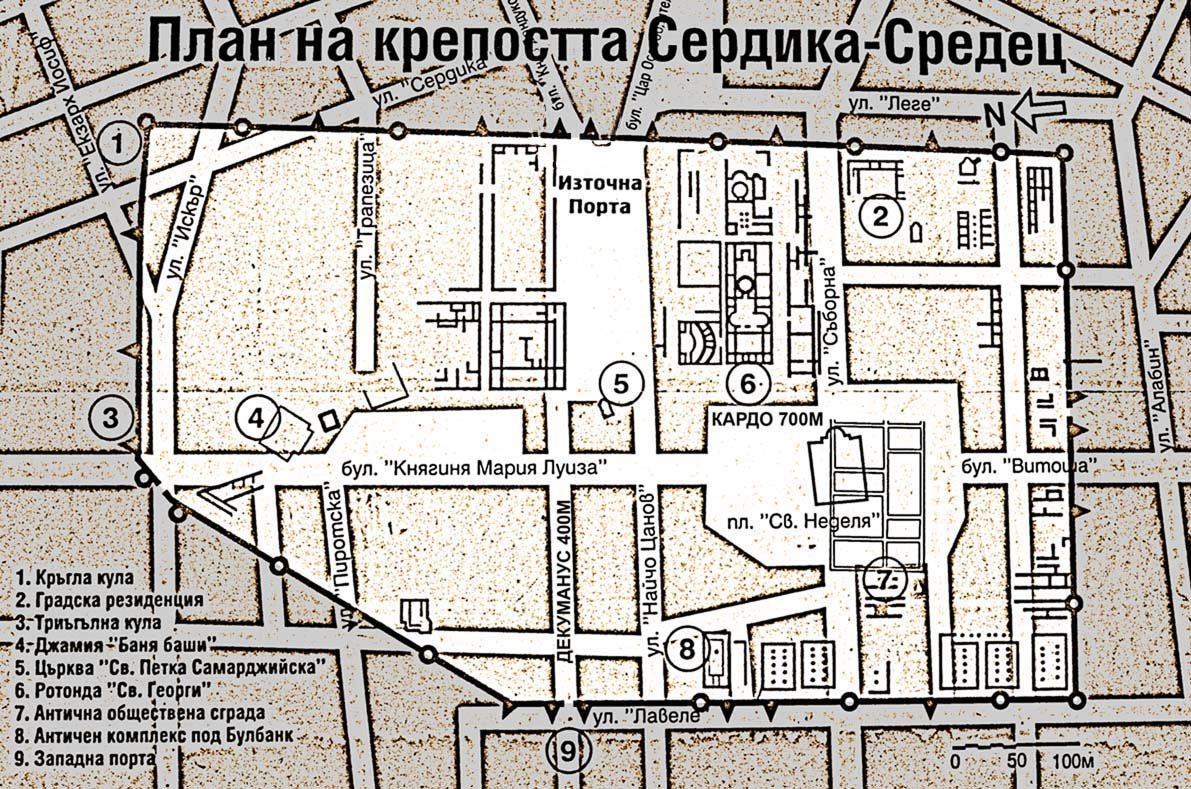
The Battle of Sofia in 1349 was an engagement between the forces of Prince Ivan Asen IV and Süleyman Pasha Ghazi in the Sofia area. In 1349, Süleyman Pasha Ghazi invaded Bulgarian territory with a force of 20,000 cavalrymen, and the Bulgarian troops under Prince Ivan Asen IV met him.
Battle of Stara Zagora
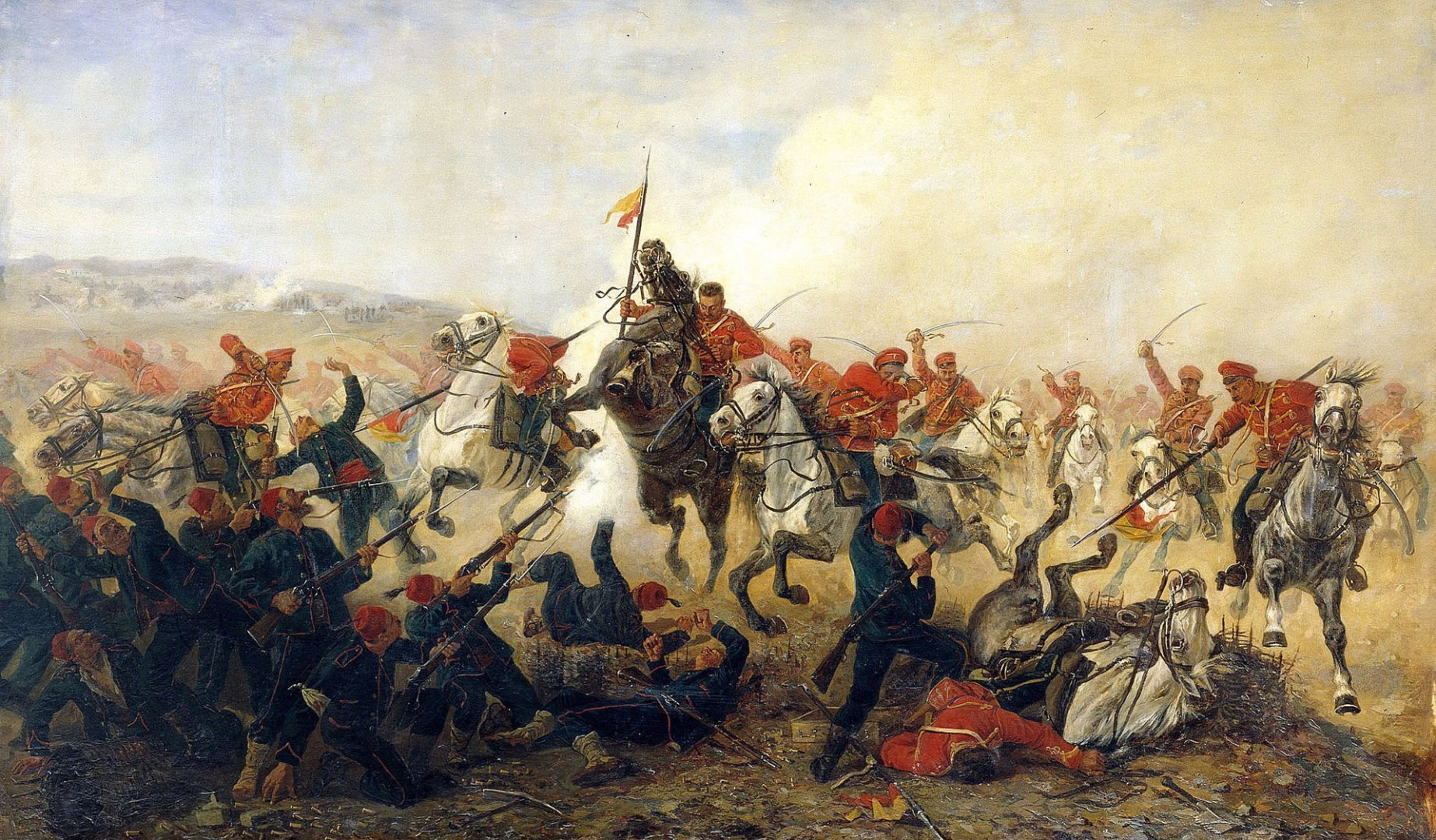
The Battle of Stara Zagora was significant both for the Russo-Turkish War of 1877–1878 and for Bulgarian history. Although it ended in an Ottoman victory, it is also associated with mass killing and brutal reprisals against the Bulgarian population of the town and surrounding area.
Battle of Struga
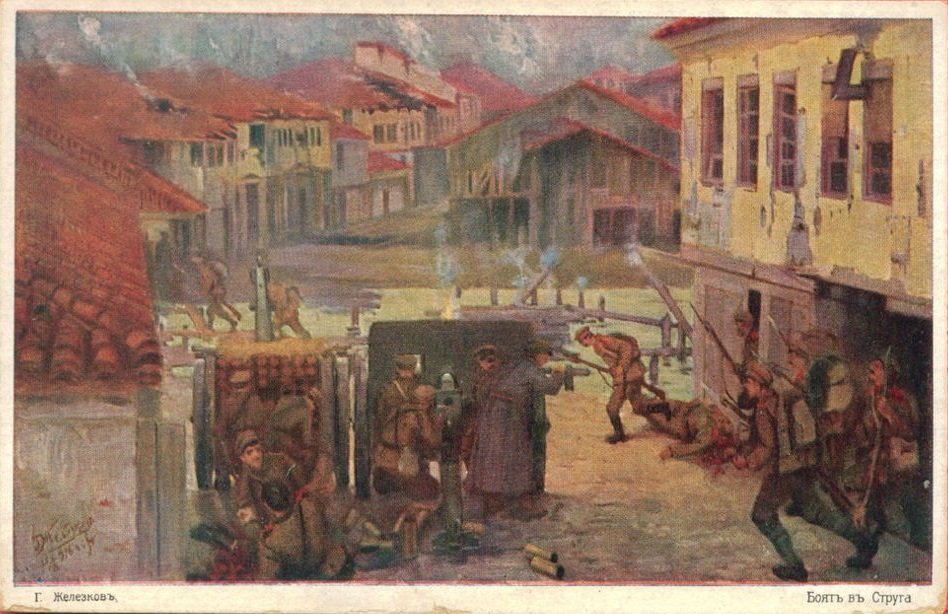
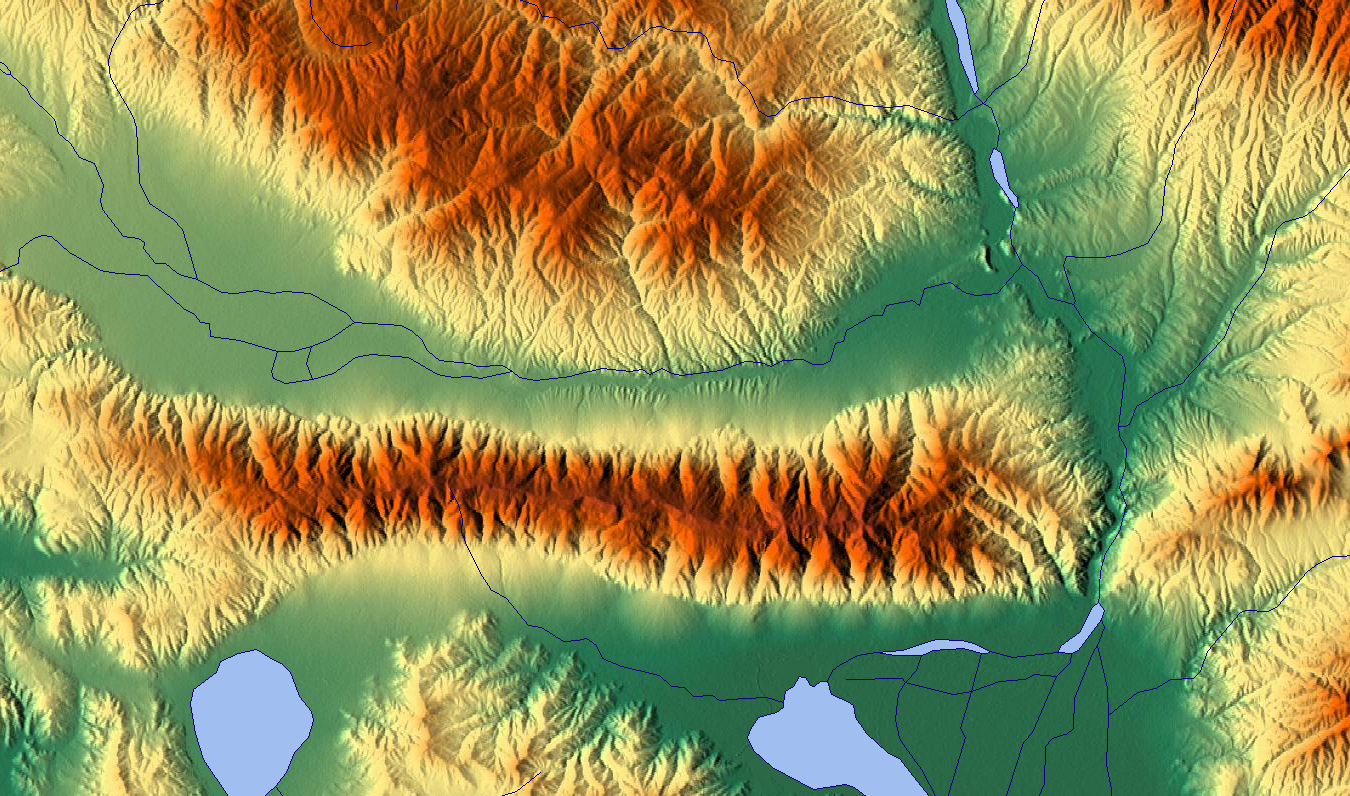
The Battle of Struga took place from 26 to 29 November 1915 near Struga, Serbia, during the First World War, between Bulgarian and Serbian units. Soldiers of the 23rd Shipka Infantry Regiment, part of the 8th Tundzha Infantry Division, participated in the engagement.
Battle of Strumitsa
After their defeat near Belasitsa, the Bulgarian troops commanded by Samuel's son Gavril Radomir did not give up and quickly recovered. In the next engagement, they routed a detachment led by the doux of Thessaloniki, Theophylact Botaneiates, who lost his life in the battle.
Battle of Svishtov
The Battle of Svishtov was a key moment in the Russo-Turkish War of 1877–1878, distinguished by the Russian army's accomplished planning and execution. A composite force under Major General Mikhail Dragomirov prepared and carried out the Danube crossing towards Svishtov.

Battle of Tashkesen
The Battle of Tashkesen was a significant stage in driving the Ottoman Orhaniye Army from its Arabakonak position during Gurko's Western Detachment's winter crossing of the Balkan Mountains in the Russo-Turkish War of 1877–1878. A covering force of eight battalions, three cavalry squadrons and seven guns was established at Tashkesen to protect the Orhaniye Army's retreat.
Battle of Telish
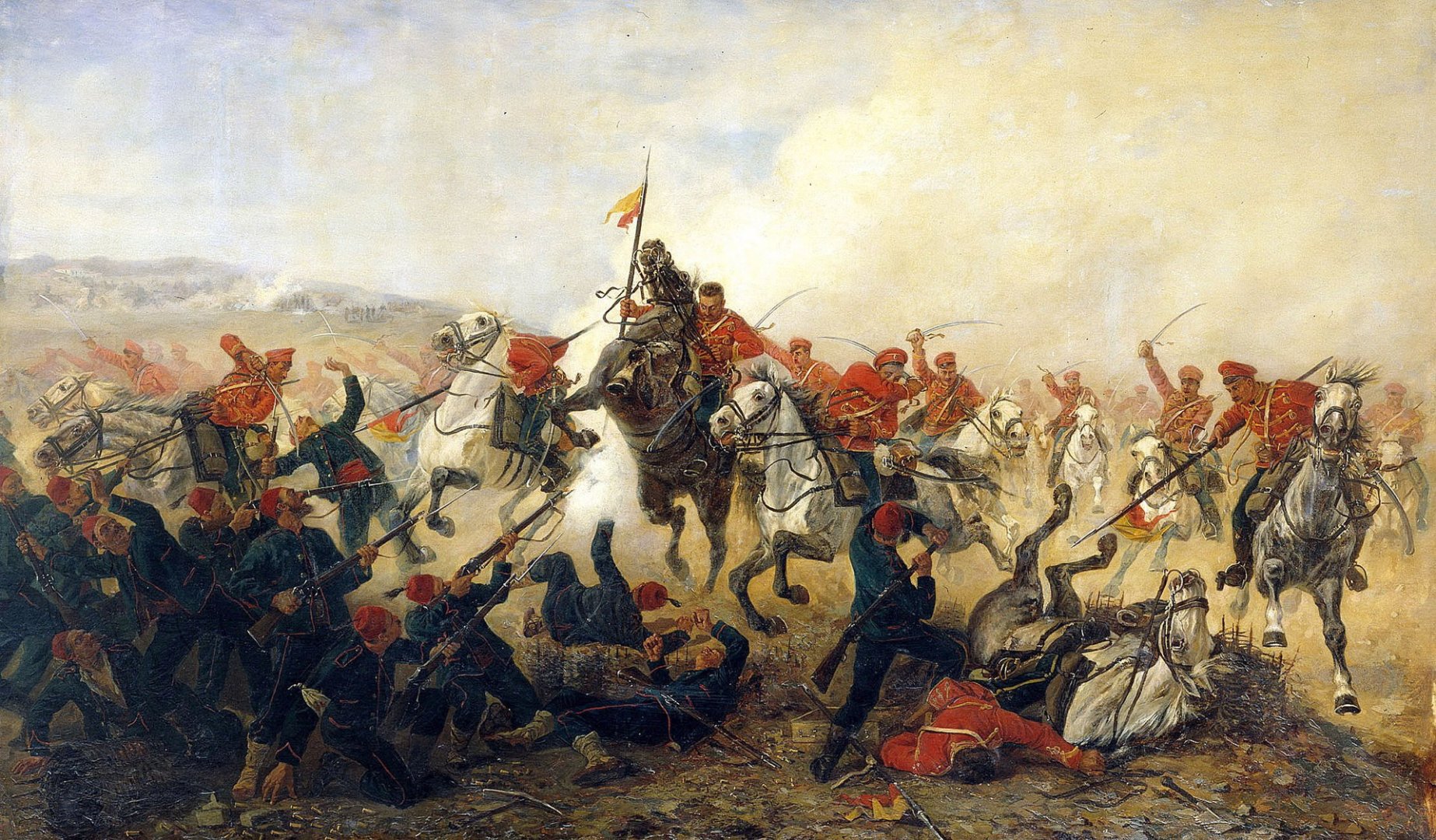
The Battle of Telish was a Russian operation to sever the Ottoman Western Army's communications and supply line and complete the encirclement of Pleven during the Russo-Turkish War of 1877–1878. In early October 1877, the Ottoman garrison at Pleven began building strong fortifications to hold the road to Sofia.

Battle of Teteven
The Battle of Teteven was an operation by the Lovech–Sevlievo Detachment to cut the Pleven–Yablanitsa–Sofia communications line of the Western Army besieged at Pleven during the Russo-Turkish War of 1877–1878. The Western Detachment under Major General Alexander Imeretinsky had already cut the Pleven–Lovech–Sofia route on 22 August 1877.
Battle of the Bosnian Highlands
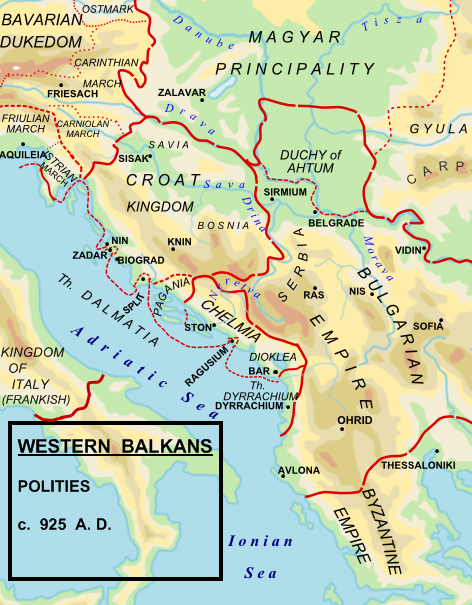
In 926, after mounting conflict between Tsar Simeon the Great and the Croatian king Tomislav, war broke out between the two states. The decisive engagement was the Battle of the Bosnian Highlands, fought on 27 May 927.
Battle of the Kalka
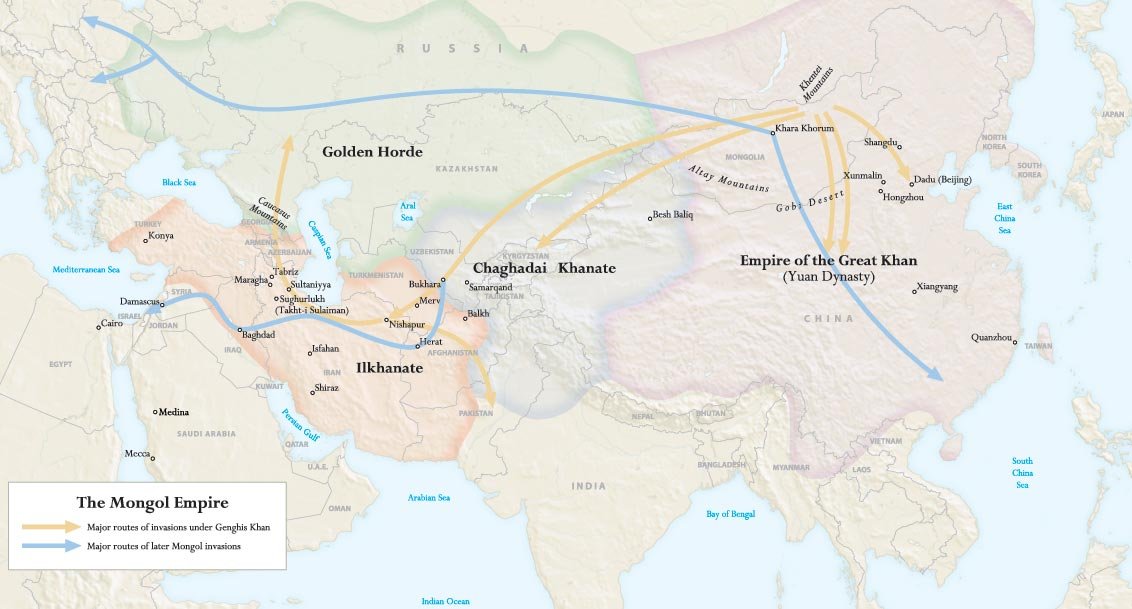
On 23 May 1223, near the town of Kalka, the combined forces of the Rus' principalities and their Cuman allies clashed with the advancing Mongol army led by Subutai. After conquering Khwarazm, Genghis Khan assembled his army in Persia and Armenia.
Battle of the Osam
In 569, the Lombard king Alboin, accompanied by a strong military force composed of his own people, Gepids and Pannonian Bulgars, conquered substantial territories in northern Italy, including Lombardy, Etruria and Liguria. As a result of these conquests, settlements of various peoples, including Bulgars, were established in these areas.
Battle of the Rupel Gorge
After the defeats at Lachanas and Kukush at the beginning of the war, the Bulgarian Second Army under General Nikola Ivanov withdrew north towards Belasitsa. To provide cover, the army divided into three groups guarding the routes through Strumitsa, the Rupel Gorge and the Mesta valley.
Battle of the Tsurga
In 499, during the consulship of John the Hunchback, an important battle took place in Illyricum, with serious consequences for the empire. Aristus, commander of the army in Illyricum, sent an army of about 15,000 soldiers and 520 wagons loaded with weapons and equipment to confront the Bulgars who were ravaging Thrace from the Balkan Mountains to the Aegean Sea.