Battle of Singidunum


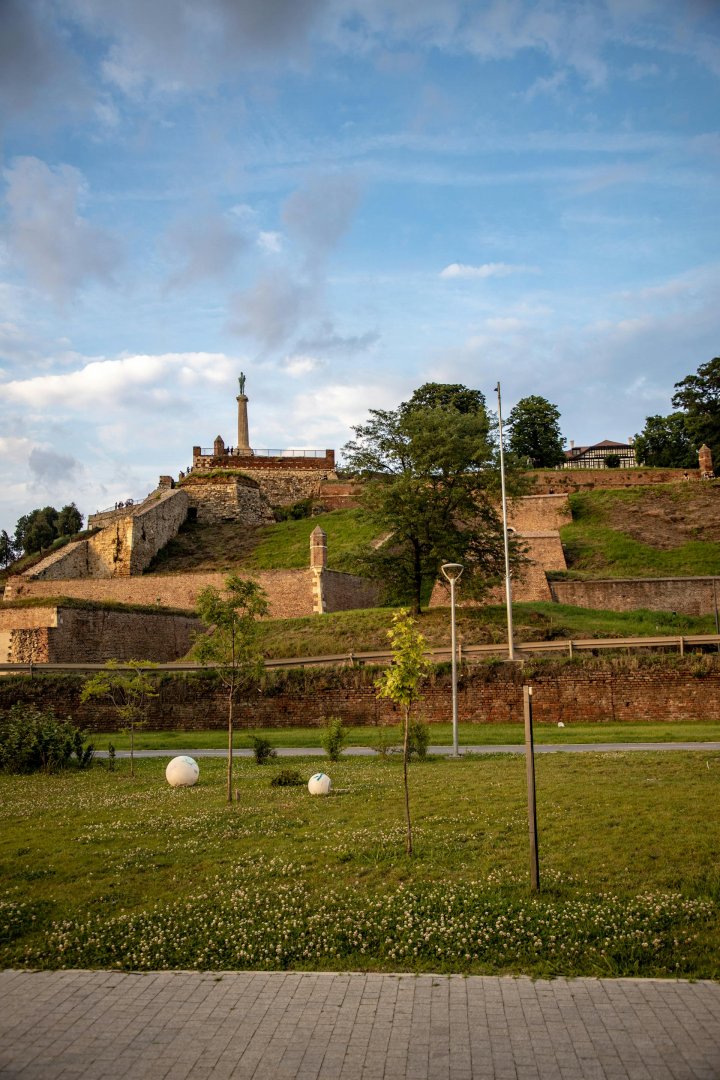
Battle of Singidunum
The Battle of Singidunum, fought in 488, was an important and dramatic episode in the early history of the Bulgars and Slavs in the Balkans. It took place near the ancient city of Singidunum, now known as Belgrade, the capital of Serbia. At the time, the area was the scene of numerous conflicts between different tribes and peoples. Singidunum played a strategic role because of its position on the Danube and its connections to routes into Central Europe and the Balkans.
The Bulgar leader in this battle was Buzan, an influential ruler who, according to historical chronicles, led his tribes in an attempt to consolidate their presence and influence in this important region. During this period, the Bulgars and Slavs settled in these lands frequently confronted various barbarian groups and nomadic tribes. One of their main opponents was the Ostrogoths, a Germanic people that still held substantial territory in the area and sought to retain its power.
The Battle of Singidunum is described as a large-scale engagement in which both sides fielded large armies. According to the chronicler Paul the Deacon, it ended in a heavy defeat for the Bulgars. Buzan's troops were routed, and the ruler himself died in battle. This defeat was a severe blow to the Bulgars and their allied Slavic tribes, as Buzan's loss weakened their position in the region.
After their defeat at Singidunum, the Bulgars underwent significant changes. Buzan's fall and the defeat of his troops opened the way to new alliances and conflicts, as well as changes in local power. The Slavic tribes allied with the Bulgars also had to revise their strategies for survival and territorial expansion.
The Battle of Singidunum is remembered not only for its military outcome but also as evidence of the complex relationships between the ethnic groups that shaped the Balkans' ethnic and cultural mosaic in late antiquity and the early Middle Ages. The event highlights both the struggles for power and territory and the difficulties faced by early states and tribes seeking stability in a highly unstable region.
Share:


