Battle of Sirmium

Battle of Sirmium
In the late fifth and early sixth centuries, the Bulgars penetrated the Balkan Peninsula, carrying out devastating invasions of Byzantine territory. Their intensifying attacks on the peninsula's interior caused serious concern for the security of the imperial capital, Constantinople, and its surroundings.
The Byzantine emperor Anastasius I decided to take measures to protect the city and its outlying areas. He accelerated the completion of the important defensive structure known as the Long Wall, finished in 512. It was built to protect the imperial capital from the daring incursions of Bulgars and Scythians. The twelfth-century historian John Zonaras records these actions by Anastasius I in his work.
According to an addition to the Middle Bulgarian translation of the Chronicle of Manasses from the mid-fourteenth century, the Bulgarians began to seize territory in the Balkan Peninsula during Emperor Anastasius's reign. They passed through Bdin, present-day Vidin, and first conquered the Lower Land of Ohrid, followed by the whole region. This may be connected with the legend of the earliest Bulgarian settlement in the peninsula, which developed during this period.
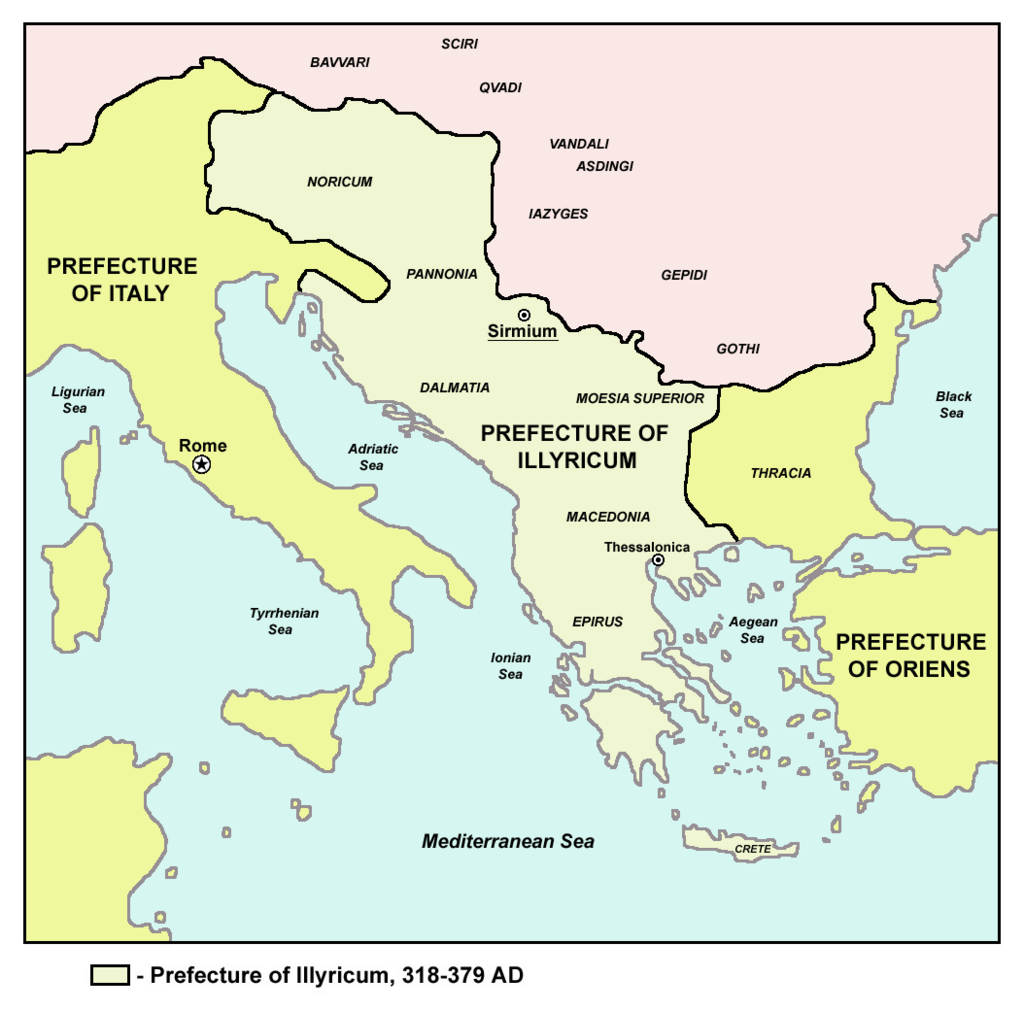
After establishing themselves in Italy, the Ostrogoths confronted the Gepids, who controlled the strategically important fortresses of Sirmium and Singidunum. There are accounts that the Bulgars allied with the Gepid king Thrasaric against the Ostrogoths. In 504, the Ostrogothic king Theodoric the Great launched a campaign against Sirmium and placed his commander Pitzias in charge of the operation.
The Ostrogothic army defeated the Gepid king Thrasaric and his allies, including the Bulgars.
Share:


