Uprisings

72 results
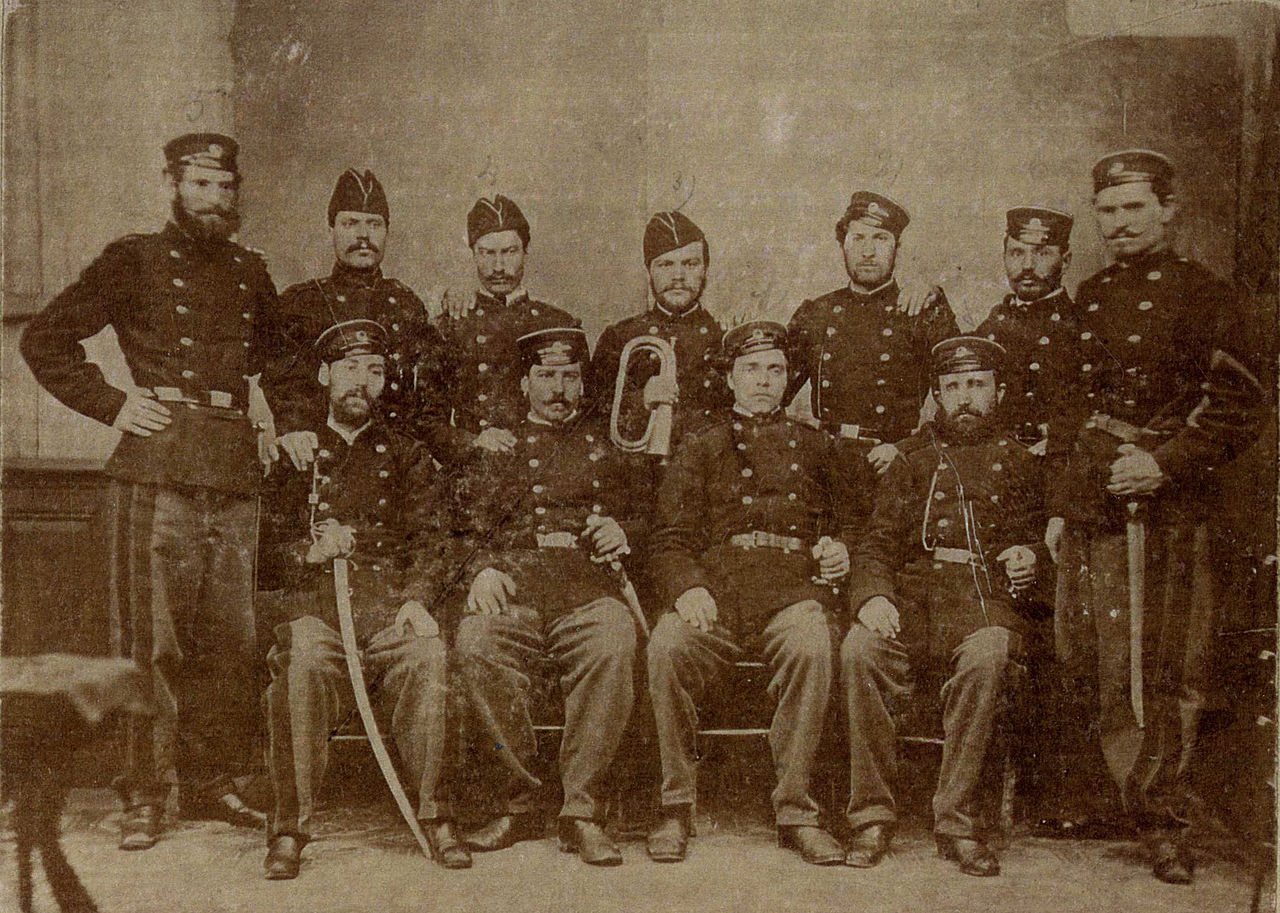
The Second Bulgarian Legion
The Second Bulgarian Legion was a volunteer formation trained in Belgrade in 1867–1868 to support the Bulgarians' liberation efforts in the Ottoman Empire. The idea arose in the context of the Serbian prince Mihailo Obrenović's plans for a joint war by the Balkan Christians against the Ottomans.
The Second Pirot Uprising
The Second Pirot Uprising of 1838 also ended in defeat for the insurgents. Opposition to Turkish administration and dissatisfaction with the new officials appointed after the expulsion of the ayan Mehmed Kapudzhi Bashi and the Greek bishop Hieronymus led to another revolt.
The Second Tarnovo Uprising
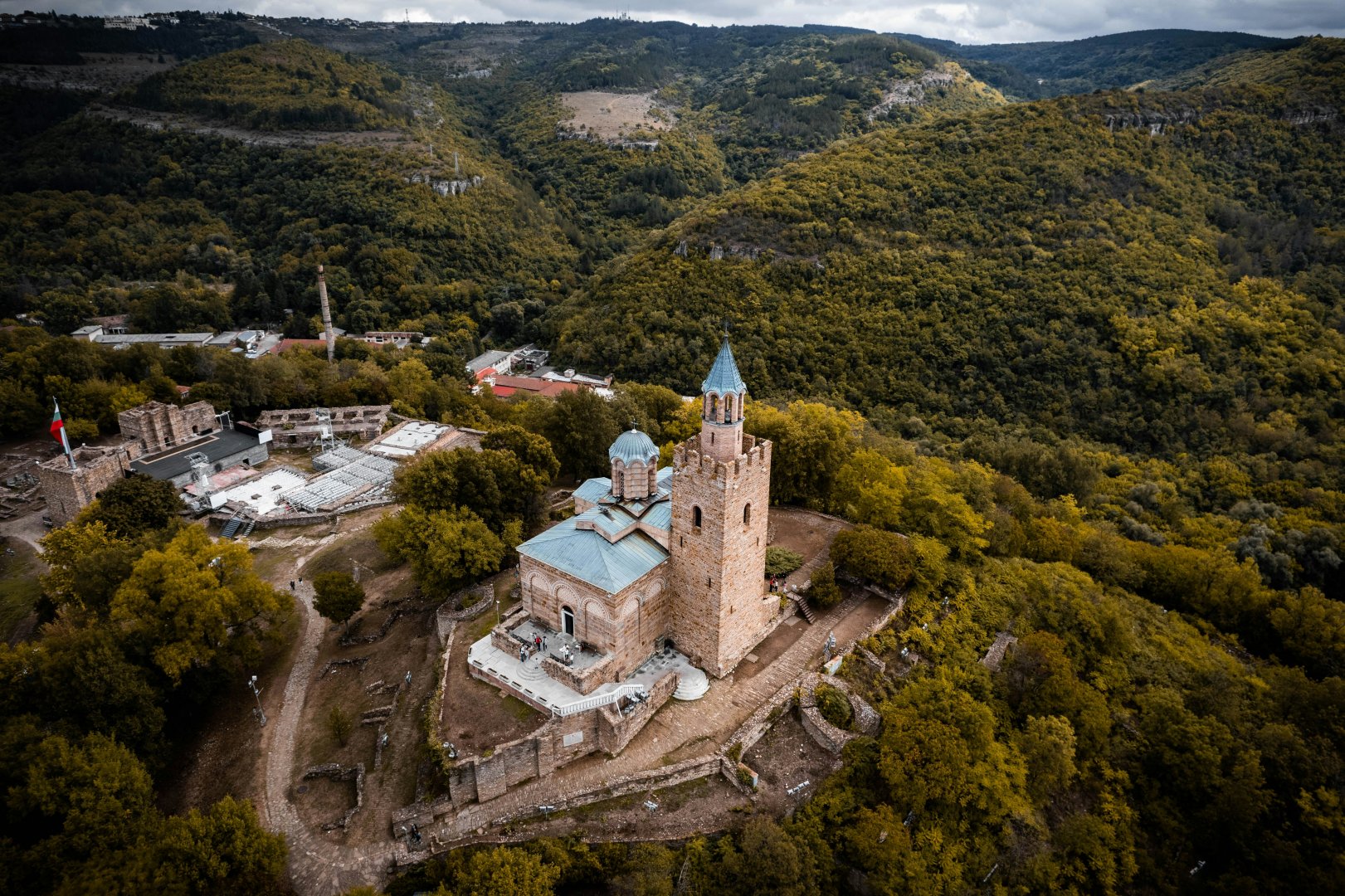
In the seventeenth century, the Ottoman Empire experienced an internal political crisis that destabilised central authority. After the Ottoman army's defeat during its campaign against Vienna in 1683, the Bulgarian population again decided to unite its forces and attempt to win independence for the Bulgarian lands.
The September Uprising
The coup of 9 June 1923, which ousted the Bulgarian Agrarian National Union (BANU) and replaced it with Aleksandar Tsankov's government, together with the mass popular uprisings of June 1923, led to the September Uprising of 1923. Some members of the Central Committee of the Bulgarian Communist Party (BCP) decided to prepare a new uprising.
The Stara Zagora Uprising
The Stara Zagora Uprising of 1875 was initiated by the Bulgarian Revolutionary Central Committee (BRCC). On 12 August 1875, the BRCC decided to organise a nationwide uprising.
The Thessaloniki Bombings
The Thessaloniki Bombings were a series of terrorist attacks carried out by Bulgarian nationalists in Thessaloniki, now in Greece, in 1903. They formed part of the struggle to liberate Macedonia and Thrace from Ottoman rule and create a united Bulgarian state.
The Third Tarnovo Uprising
The Third Tarnovo Uprising broke out in 1856 and encompassed the Tarnovo and Gabrovo regions. It was led by Nikola Filipovski, better known as Captain Dyado Nikola, or simply Dyado Nikola.
The Thracian Uprising
The Thracian Uprising of 1829 broke out during the Russo-Turkish War and encompassed extensive areas from the Sliven region through Sakar to Strandzha and Malak Samokov in the Lozengrad region. Bulgarians joined the Russian forces while also conducting independent insurgent activities against Turkish rule.
The Tikveš Uprising
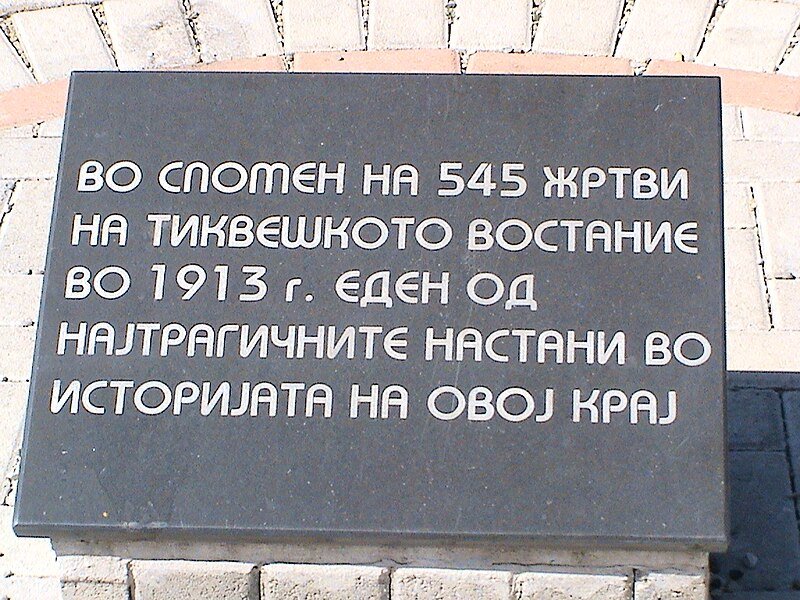
During the First Balkan War, Serbian and Greek forces occupied most of Macedonia. In 1913, IMARO resumed its activities.
The Tran Uprising
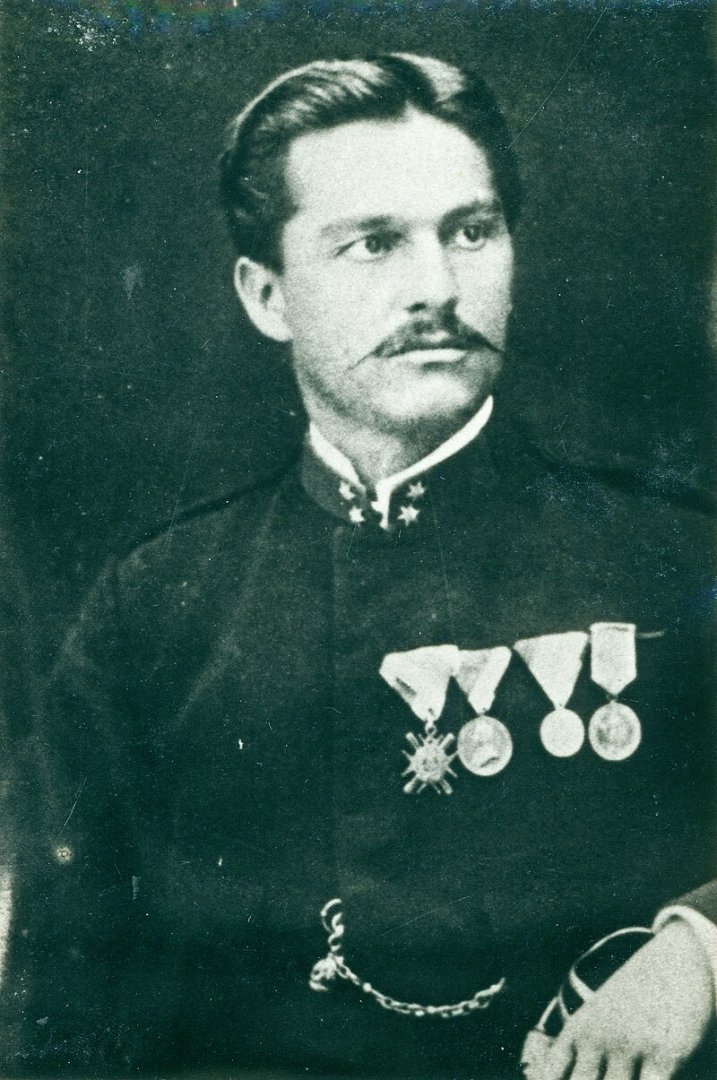
The Tran Uprising, also known as the Shop Uprising or the Znepole–Kraishte Uprising, began on 30 December 1877, New Style, and was led by Captain Simo Sokolov. In earlier years, after the decision to launch a nationwide uprising in Bulgaria, the Bulgarian Revolutionary Central Committee (BRCC) in Belgrade, including Simo Sokolov, Tseko Petkov, Ilyo Markov, Todor Tomich and Kalcho Paskov, established a Provisional Revolutionary Committee.

The Uprising against Musa Çelebi
In April 1412, an uprising broke out in north-eastern Bulgaria against Musa Çelebi, the youngest son of the Ottoman ruler Bayezid I. In the early fifteenth century, the Ottoman Empire was in a profound crisis, including a civil war for the throne.
The Uprising against Thomas the Slav
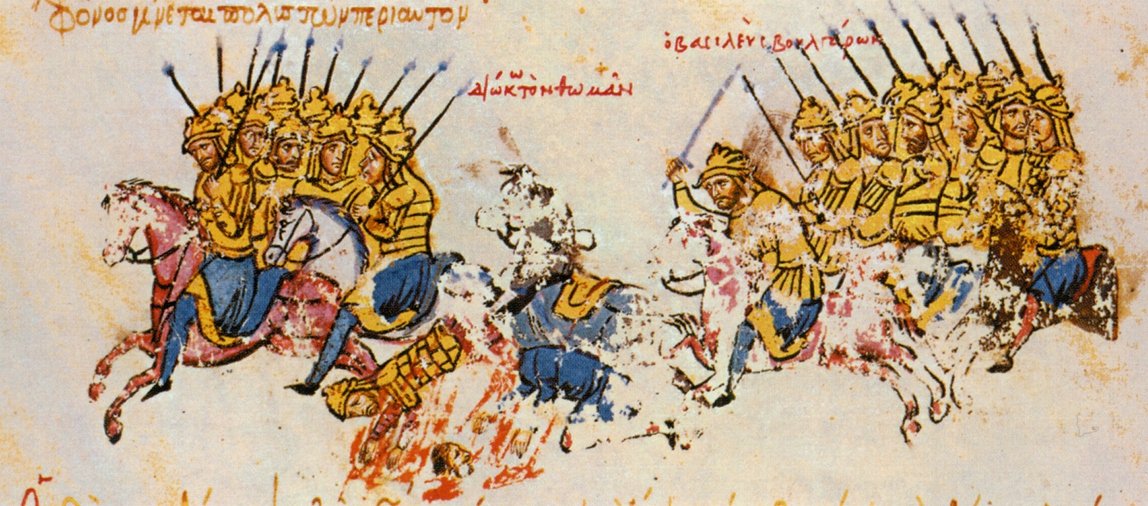
After Emperor Leo V the Armenian died in 820, Michael II the Stammerer ascended the throne but faced opposition from part of the military aristocracy and former supporters of Leo V, led by Thomas the Slav. Khan Omurtag intervened on Michael II's side against Thomas's uprising.

The Uprising in Bdin (Vidin)
An uprising led by local boyars broke out in Bdin and quickly assumed threatening proportions. The rebels justified their secession by challenging the legitimacy of Tsar Boril's rule.
The Uprising in the Vidin Region
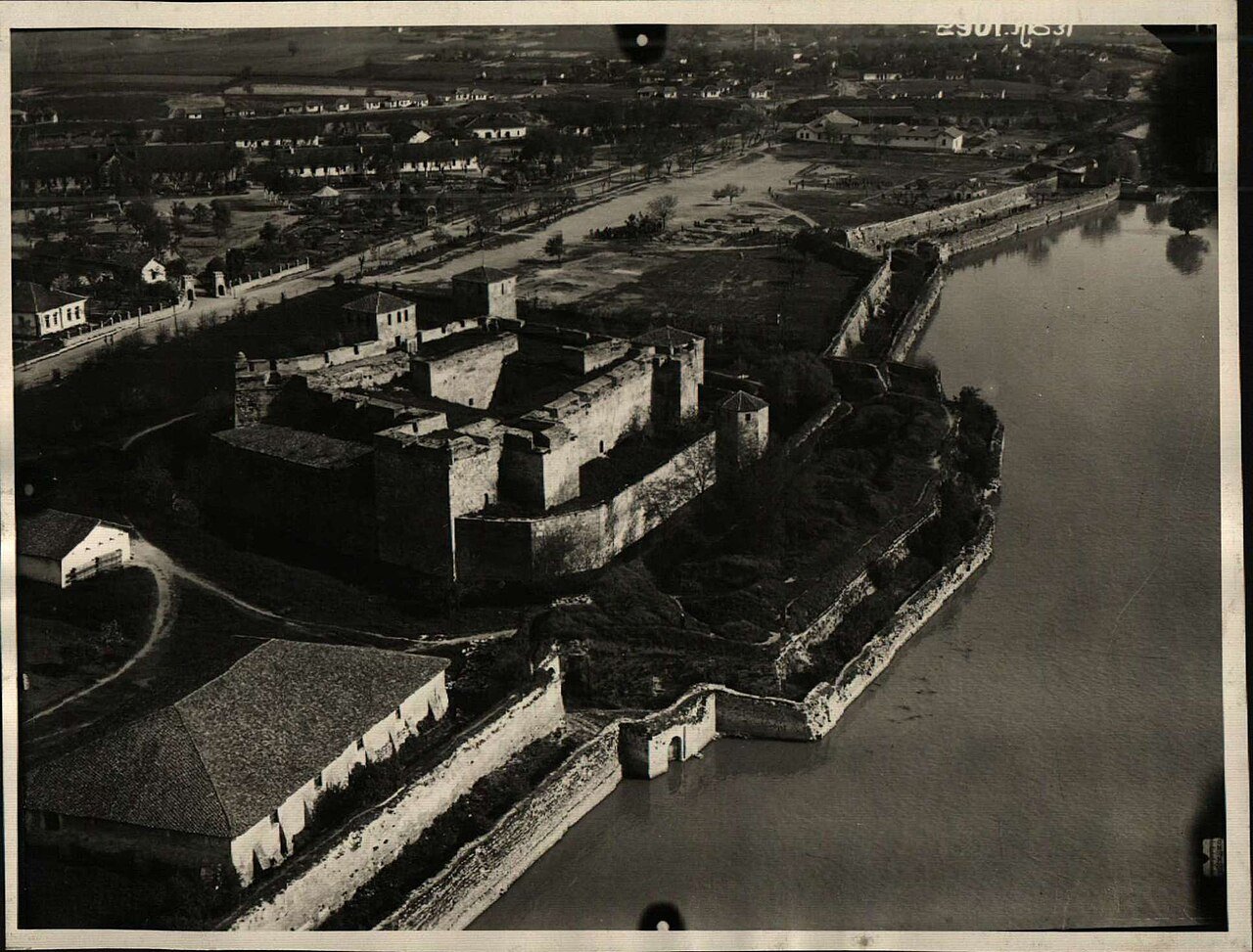
Because of repressive measures by the Turkish authorities, the planned uprising took the form of a large detachment assembled in the spring under Atanas and Stoyan Bitsin. It demonstrated its boldness by attacking Vidin's city fortifications: not the Baba Vida castle, but the extensive fortress enclosing the settlement.
The Uprising of Asen and Peter
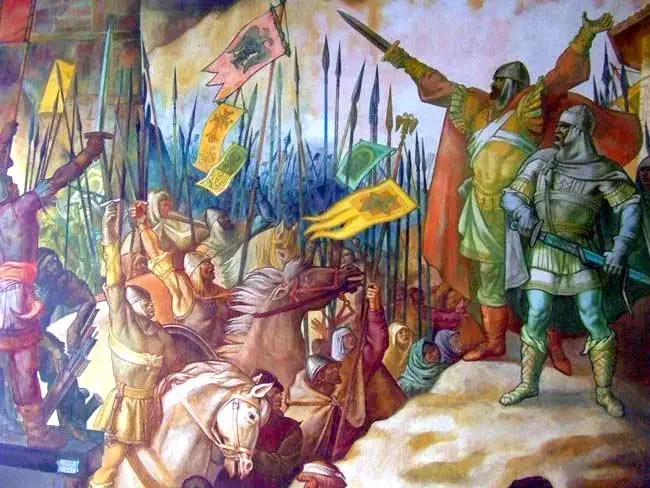
The Bulgarian state had been under Byzantine rule since 1018. In 1185, the Byzantine Empire experienced political instability and military setbacks.
The Uprising of Konstantin and Fruzhin
The uprising of Konstantin and Fruzhin, beginning in 1404 or 1408, was a military campaign against Ottoman domination in the eastern Balkans. Information about this episode is scarce and has prompted differing interpretations among historians.

The Uprising of Sixteen Villages in the Western Balkan Mountains
The Uprising of Sixteen Villages in the Western Balkan Mountains was one of the revolts against the Ottoman Empire that broke out in north-western Bulgaria during the first half of the nineteenth century. Their principal cause was local Ottoman officials' unwillingness to implement land reform.
The Uprising of the Cometopuli
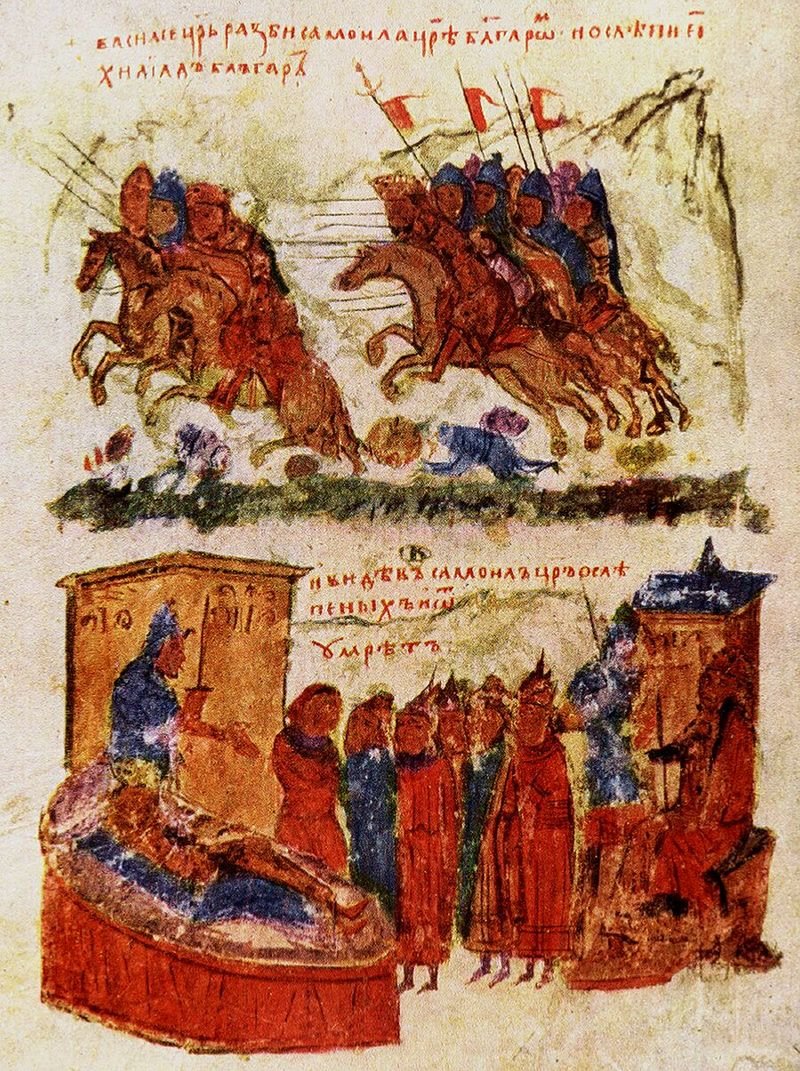
The uprising of the Cometopuli was a movement against Byzantium that developed between 969 and 976 in the south-western reaches of the First Bulgarian Empire. It was prompted by the Rus' invasion along the Lower Danube and the Byzantine conquest of eastern Bulgaria in 968–971, gaining strength after the death of the Byzantine emperor John I Tzimiskes in 976.
The Vidin Uprising
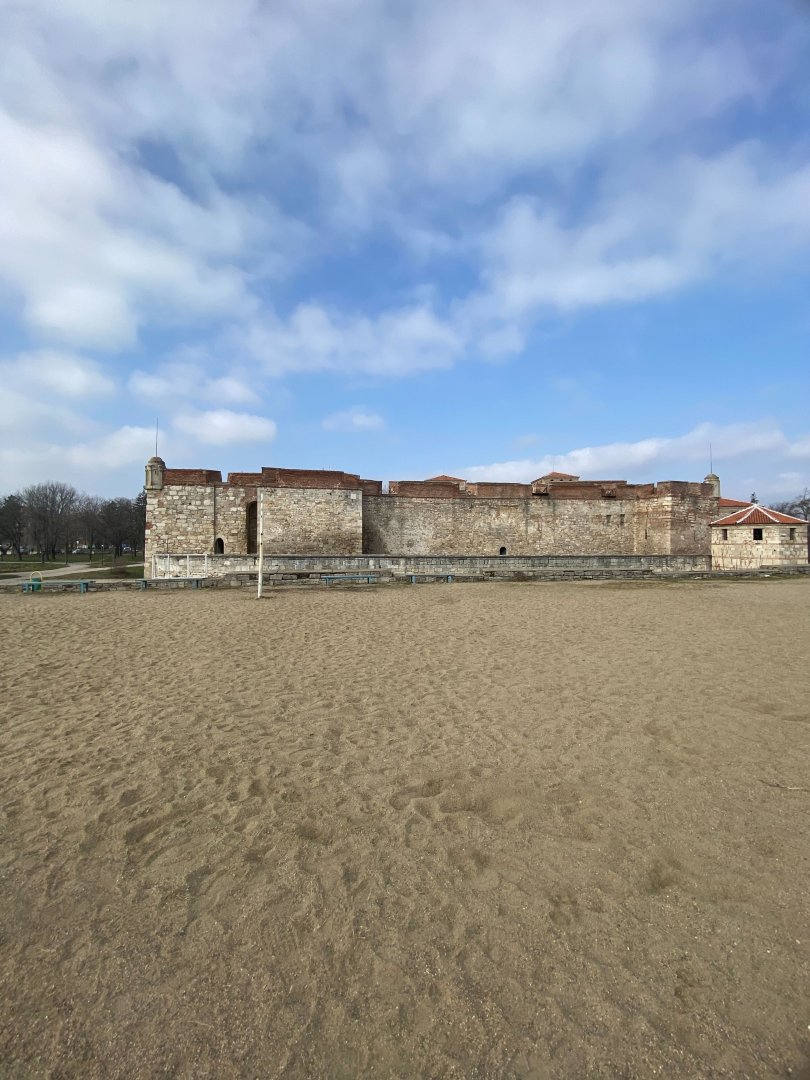
The Vidin Uprising of 1850 in north-western Bulgaria was a mass revolt against Ottoman rule and one of the Bulgarians' attempts to win liberation in the nineteenth century. It was directed against social and feudal exploitation, burdensome taxes and the lawlessness of Ottoman officials.
The Vladaya Uprising
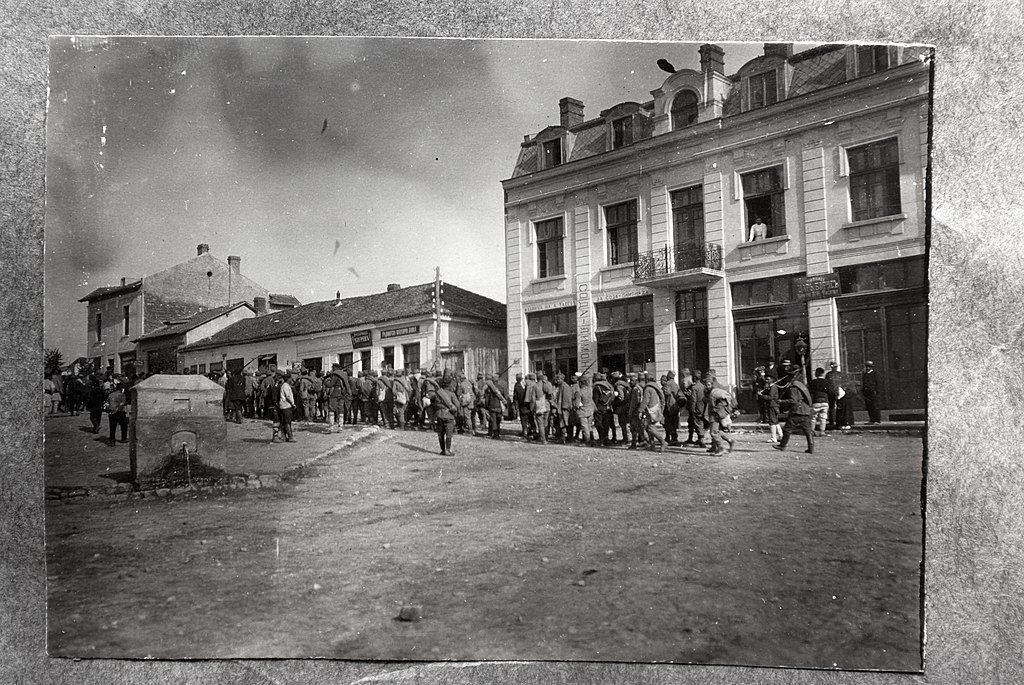
The Vladaya Uprising is also known in historical writing as the Soldiers' Uprising. It broke out on 24 September 1918.
The Znepole Uprising
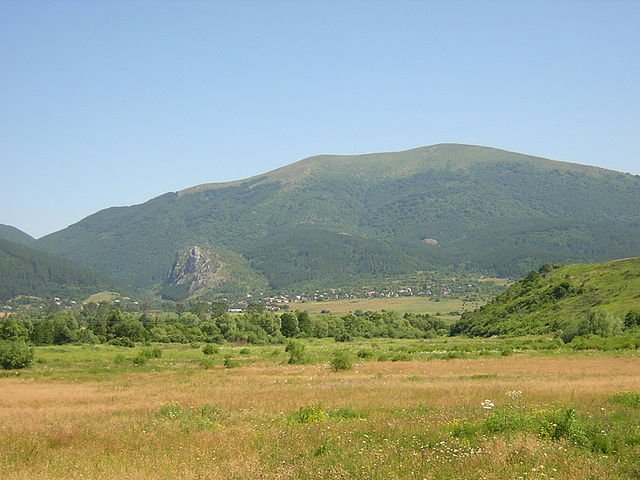
The Znepole Uprising, also known as the Tran Uprising, broke out in late May 1830. It was a revolt by the Bulgarian population against Turkish rule immediately after the Russo-Turkish War of 1828–1829.
Travlos's Revolt
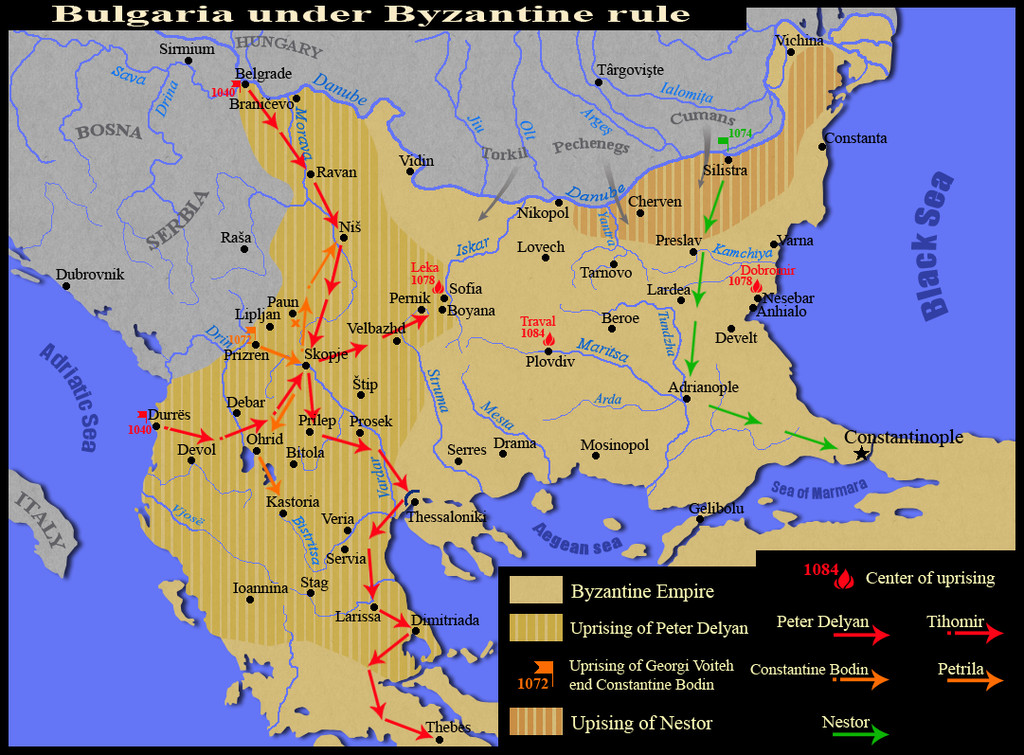
Between the seventh and tenth centuries, Byzantium resettled Paulicians from Armenia and Syria in the Bulgarian territories, particularly northern Thrace and Plovdiv, in several waves. This policy aimed to weaken the position of the local Bulgarian population.
Varban's Uprising
Varban's Uprising broke out in the Chiprovtsi region in 1837, between the two Chiprovtsi uprisings. It was led by Varban Panov.
Velcho's Conspiracy
Velcho's Conspiracy of 1835 ended in failure for the uprising. The Turkish authorities uncovered the plot and suppressed the uprising with brutal reprisals.