The Second Bulgarian Legion

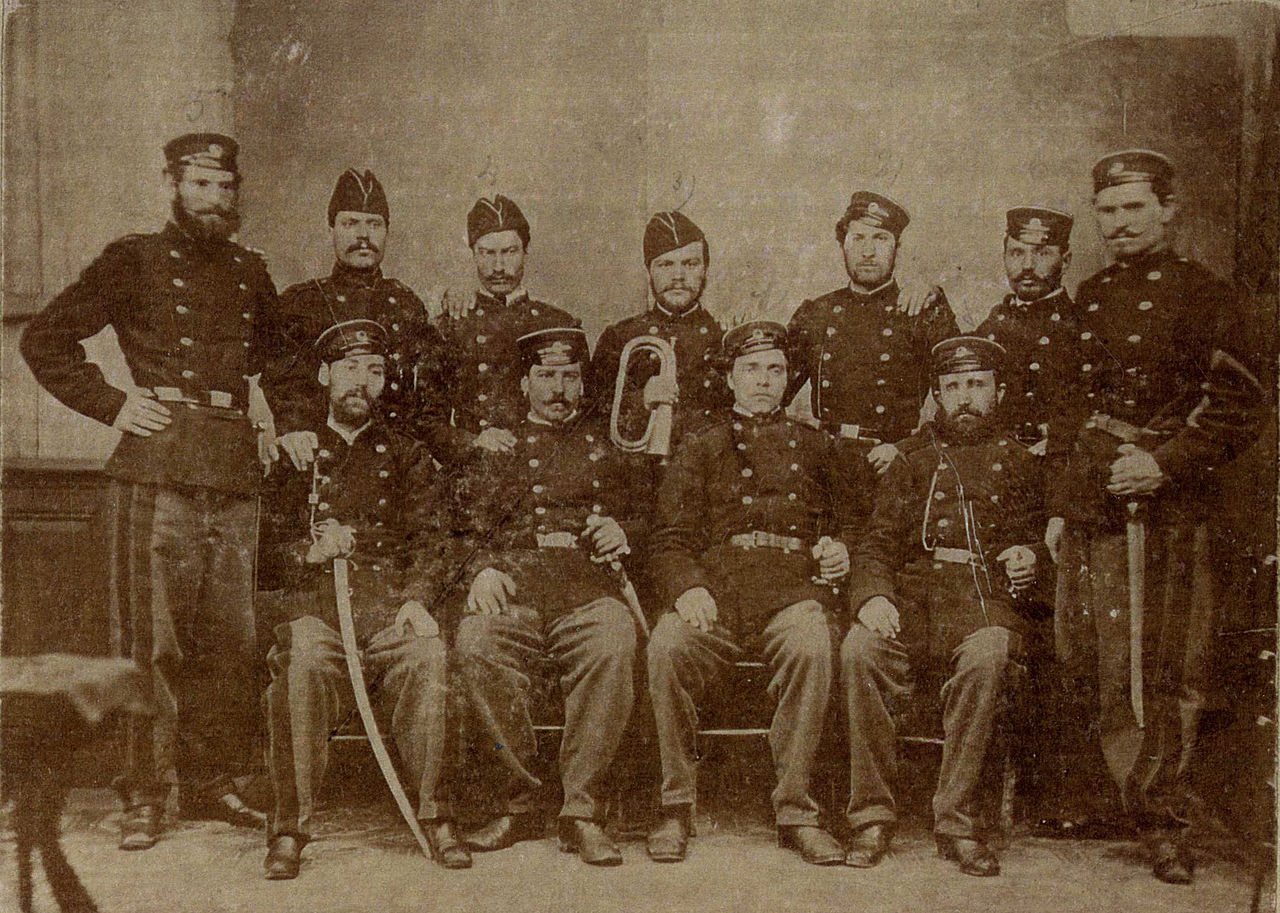
The Second Bulgarian Legion
The Second Bulgarian Legion was a volunteer formation trained in Belgrade in 1867–1868 to support the Bulgarians' liberation efforts in the Ottoman Empire. The idea arose in the context of the Serbian prince Mihailo Obrenović's plans for a joint war by the Balkan Christians against the Ottomans. In the autumn of 1867, the Serbian authorities assembled around two hundred Bulgarians for military training in Belgrade, with Russian financial and diplomatic support.
Although Russia supported the initiative, pressure from the other Great Powers and events in Serbia led to the abandonment of military preparations and the legion's dissolution in April 1868. The Bulgarian volunteers expressed dissatisfaction with Serbian territorial claims and the proposed division of territories, contributing to the legion's breakup. Most legionaries moved to Romania, where they joined the detachment of Hadzhi Dimitar and Stefan Karadzha. Others, such as Vasil Levski, rejected detachment-based tactics and instead undertook revolutionary organisation within Bulgaria.
The formation and dissolution of the Second Bulgarian Legion in 1867–1868 meant that plans for military support from Bulgarian volunteers in cooperation with Serbia did not materialise. The Serbian authorities changed their policy under foreign pressure, while the volunteers expressed dissatisfaction with the division of territories and Serbian claims.
This reversal led to the legion's dissolution and changes to the plans for a liberation uprising. Bulgarian participants who moved to Romania joined Hadzhi Dimitar and Stefan Karadzha's detachment, while others, such as Vasil Levski, reconsidered their approach and began organising revolutionary activity inside Bulgaria. This marked a new stage in the liberation struggle, which would later develop into the April Uprising and subsequent events.
Share:


