The Vidin Uprising

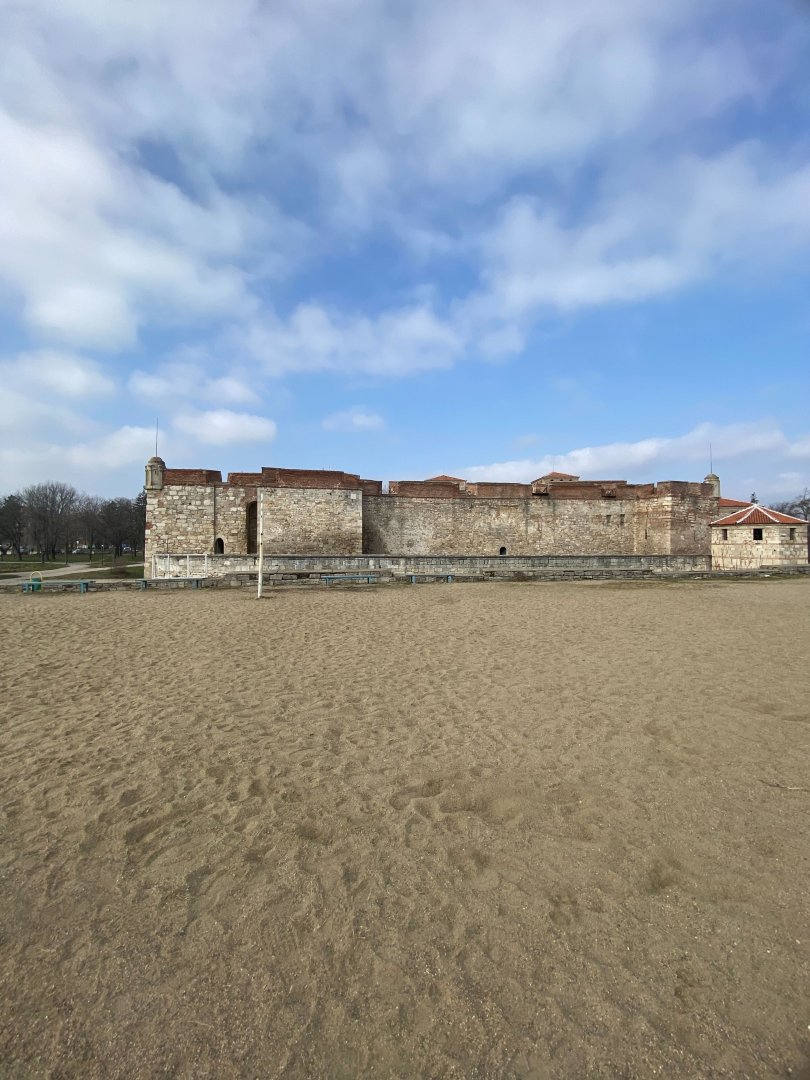
The Vidin Uprising
The Vidin Uprising of 1850 in north-western Bulgaria was a mass revolt against Ottoman rule and one of the Bulgarians' attempts to win liberation in the nineteenth century. It was directed against social and feudal exploitation, burdensome taxes and the lawlessness of Ottoman officials.
The uprising is known to have been organised with Serbian support, with the Austrian Empire agreeing that Serbia could annex the territories involved. Its early stages were carried out with assistance from the Serbian authorities, but Serbia later withdrew its support under Austrian pressure.
The uprising demanded reforms, implementation of the Tanzimat—the Ottoman reform programme—and administrative autonomy and self-government for Bulgarians. Despite its initial support, the Principality of Serbia actively cooperated with the Ottoman authorities in suppressing the revolt.
Fighting between the rebels and the Ottoman army began in May 1850 and peaked around Lom, Vidin and Belogradchik. The rebels fought Ottoman forces but were ultimately defeated and suppressed. In August 1850, the Ottoman army crushed the uprising, followed by reprisals against the Bulgarian population.
Discontent surrounding the revolt and its failure had severe consequences for the region's Bulgarian population. The Russian consulate in Vidin offered Bulgarians the opportunity to move to Ukraine, promising good living conditions. The migration affected dozens of settlements, and around 11,000 people were transported by ship along the Danube. Despite these promises, the Russian administration was unprepared, and around 2,000 of them died of hunger and disease during the winter of 1861–1862.
This attempted uprising and the unsuccessful migration form part of the complex historical context of Bulgaria's nineteenth-century struggle for liberation and contributed to the formation of Bulgarian national identity.
Share:


