The Second Tarnovo Uprising

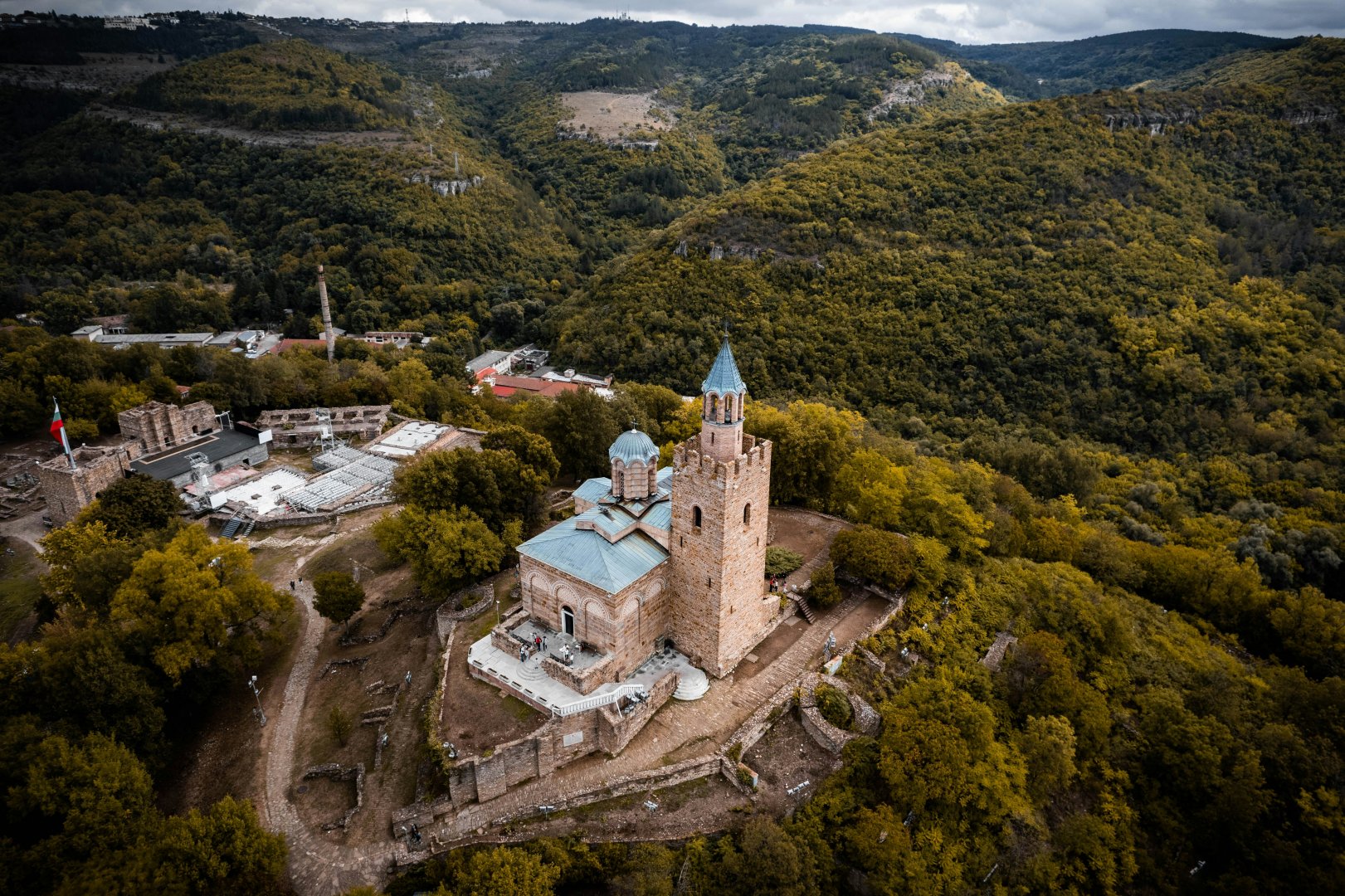
The Second Tarnovo Uprising
In the seventeenth century, the Ottoman Empire experienced an internal political crisis that destabilised central authority. After the Ottoman army's defeat during its campaign against Vienna in 1683, the Bulgarian population again decided to unite its forces and attempt to win independence for the Bulgarian lands. The revolutionary spirit was widespread: between 1686 and 1689, three uprisings broke out—the Second Tarnovo Uprising, the Chiprovtsi Uprising and Karposh's Uprising. The Second Tarnovo Uprising was led by Rostislav Stratimirovich, who was regarded as a descendant of the Bulgarian Sratsimir dynasty. He travelled to Russia, where he claimed to have many supporters and sympathisers throughout the Bulgarian territories. An agreement for Russian assistance was reached between the Russian patriarch and Stratimirovich. The uprising numbered several thousand people and succeeded in taking Tarnovgrad, proclaiming the “Prince of Tarnovo” as its ruler. It soon spread to Nikopol, Sofia, Silistra, Gabrovo, Troyan and elsewhere. Despite their organisation and reach, the Bulgarian rebels were defeated.
The uprising ended in failure.
Share:


