The Znepole Uprising

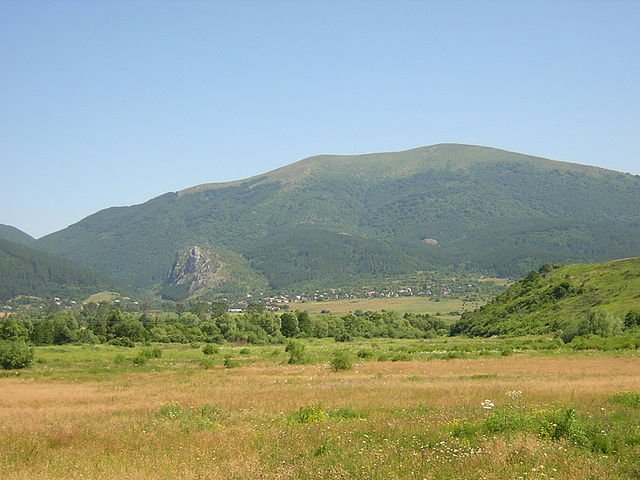
The Znepole Uprising
The Znepole Uprising, also known as the Tran Uprising, broke out in late May 1830. It was a revolt by the Bulgarian population against Turkish rule immediately after the Russo-Turkish War of 1828–1829. It was called the “Beglishki Dzhubur” because its leaders were known as beglii, or beglishki, described as a Turkish expression meaning an escapee or fugitive. Turkish repression after the war set the stage for the revolt, and Bulgarians used the circumstances to voice their dissatisfaction and protest against Turkish administration.
The uprising was organised around Tran. Its leaders were Radivoya Izvorski and Radivoya Petrichev, together with Zdravko Kalenderov, a village notable from Miloslavtsi who actively helped organise it. Another leader who joined later was Dyado Trencho, or Trenchil, from the Tran region. Participants came not only from the town but also from Glavanovtsi and other settlements in Znepole and the surrounding mountains.
Bulgarians assembled near Tran armed with scythes, pitchforks, knives, clubs and other implements, successfully liberating the town and Znepole from Turkish rule. The leaders proclaimed an independent Bulgarian principality, the abolition of tax obligations to the Ottoman Empire and an end to its domination. Village notables became administrative representatives of the insurgent authority. Couriers spread news of the uprising to many other settlements. Despite lacking proper weapons and military training, the rebels attempted to secure diplomatic support from local officials and the neighbouring Principality of Serbia, but without success.
After three weeks of rebellion, the Turkish authorities sent regular troops from Sofia to suppress it. Lacking weapons and effective organisation, the leaders disbanded their forces to avoid open confrontation with the Turkish army. Serbia did not support Bulgarian independence, disappointing the rebels and contributing to the movement's decline.
The Turkish authorities imposed brutal reprisals on captured rebels and continued to rule by force. Resistance to Ottoman domination nevertheless persisted in the mountains, where Turkish authority remained insecure. An account of these events is also preserved in a manuscript note at the Monastery of St Michael the Archangel in Tran.
Share:


