The Thracian Uprising

The Thracian Uprising
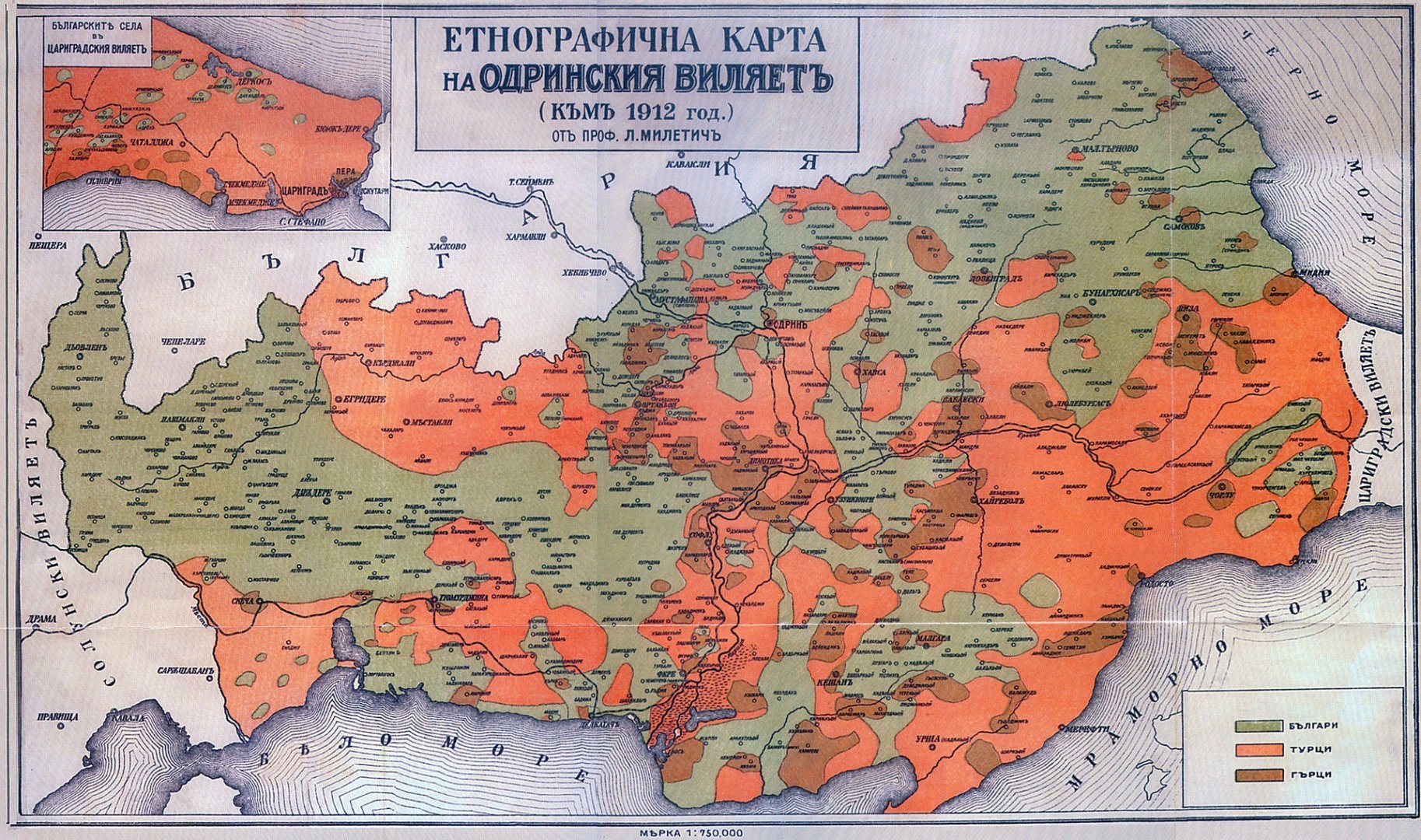
The Thracian Uprising of 1829 broke out during the Russo-Turkish War and encompassed extensive areas from the Sliven region through Sakar to Strandzha and Malak Samokov in the Lozengrad region. Bulgarians joined the Russian forces while also conducting independent insurgent activities against Turkish rule.
At the beginning of the uprising, on 16 February, Russian forces liberated Sozopol, where the first large insurgent detachment was formed under Stoyko Mavrudov. The uprising spread to the areas around Edirne, Lozengrad and Lüleburgaz, where Bulgarians successfully cast off Turkish rule and voiced their demands for liberation.
During this period, Captain Georgi Mamarchev led a large Bulgarian volunteer detachment that reached Sliven. The Bulgarians successfully crossed the Balkan Mountains and liberated Anchialos, Aytos, Karnobat and Yambol. In the summer of 1829, Turkish rule was overthrown in many parts of Thrace, with Bulgarians in Strandzha and Sakar successfully rising against the Turkish administration. Bulgarian detachments under the voivodes Stoyan, Zheltak, Petar and Boycho fought actively against Turkish forces and secured supplies of weapons.
The uprising achieved significant territorial victories and restricted Turkish authority in the region. However, the Treaty of Adrianople, signed on 2 September 1829, did not recognise Bulgarian autonomy, disappointing the insurgents. After the peace, Turkish administration was swiftly restored, and the Bulgarian voivodes and fighters were forced to withdraw.
The Thracian Uprising of 1829 was initially successful, liberating various towns and territories from Turkish rule. The Bulgarian voivodes, led by Captain Georgi Mamarchev, achieved considerable successes. However, with the signing of the Treaty of Adrianople in September 1829, the Bulgarians' territorial gains were reversed, and no autonomy was recognised.
Share:


