The Timok Region

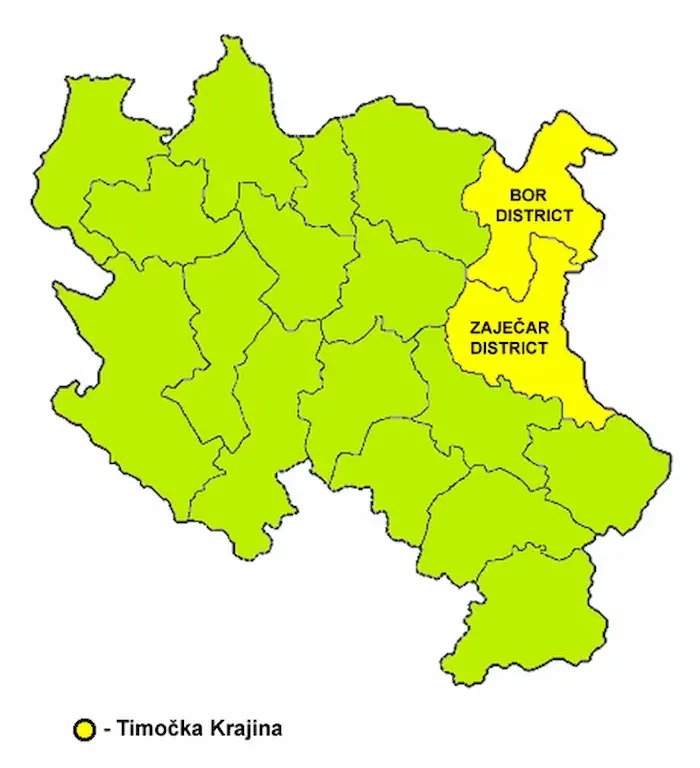
The Timok Region
The Timok region, also known as Timoshko, is a historical, geographical and ethnographic area extending on both sides of the Timok River, the natural boundary between modern Bulgaria and Serbia. Although part of the region now lies in Serbia, it remains closely connected with Bulgarian history, language and culture.
The region includes the lands around the Timok's tributaries—the Beli, Crni and Svrljiški Timok—and extends to its confluence with the Danube near Negotin. Thracian and Dacian tribes lived here in the past, and in the Roman period the area formed part of the province of Moesia. During the Middle Ages, the Timok region belonged to the First and Second Bulgarian Empires and had important strategic significance, particularly as a frontier zone. After falling under Ottoman rule in the fourteenth century, the local population preserved its language, customs and Bulgarian identity.
During the National Revival, the region became a centre of spiritual awakening, with schools, churches and community cultural centres being built and patriotic communities emerging that actively participated in the struggle for liberation. Although the Timok region remained outside the borders of newly liberated Bulgaria after the Congress of Berlin in 1878, the Bulgarians there succeeded in preserving their identity and traditions.
The area lies within the Torlak ethnographic zone, and its local speech is distinctive, combining western Bulgarian linguistic features with Serbian borrowings and preserving many archaic words and forms. Its folk culture is exceptionally rich, including costumes, songs, communal circle dances, legends and rituals associated with agriculture and the cycle of nature. Even today, settlements such as Zaječar, Negotin and Bolyarevo are home to descendants of Bulgarians who speak an old Bulgarian dialect and keep the memory of their roots alive.
Share:


