Arts

25 results
Arts
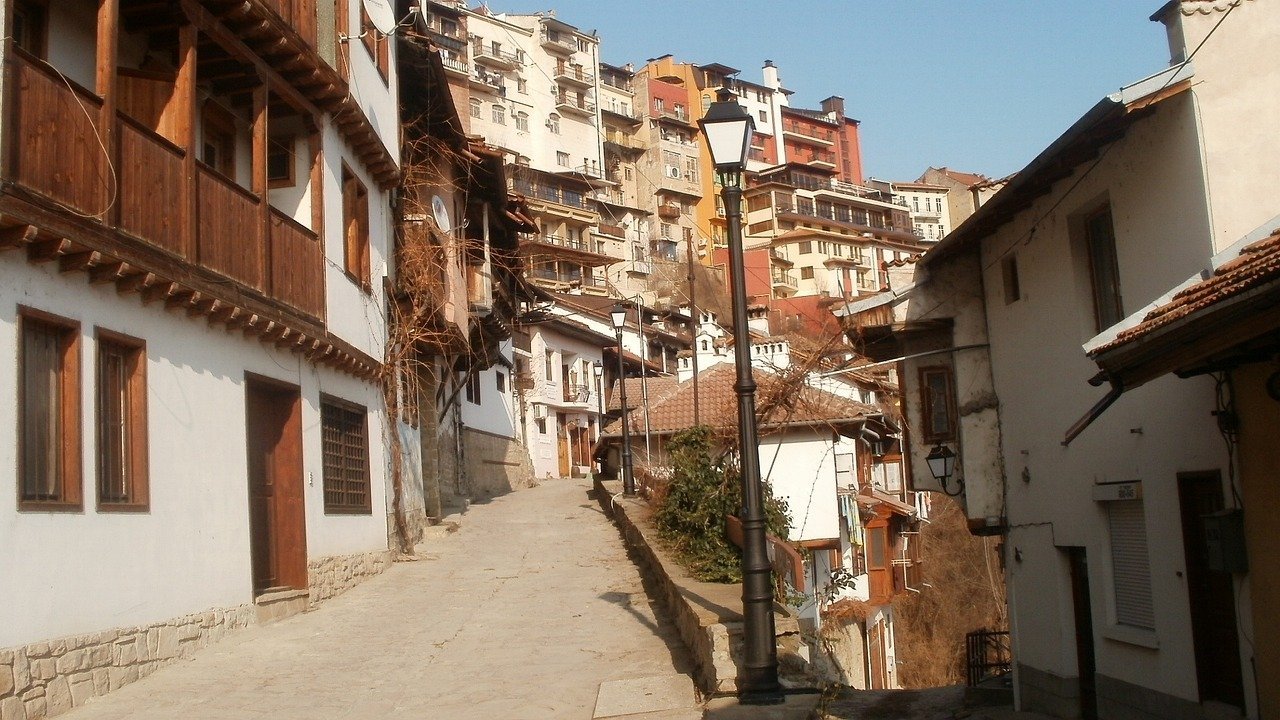
Architecture
As a leading art throughout cultural history, architecture establishes the settings and spaces in which the other arts find expression. A distinctive architectural artistic image is especially evident in structures with particular purposes, such as palaces, public buildings, cairns and tombs.
Read more
Art of the Bulgarian National Revival
In the late eighteenth and early nineteenth centuries, four main National Revival schools of painting emerged in Bulgaria, each with distinctive characteristics and style. These schools arose in different towns and bore the names of their leading masters and icon-painting families.
Read more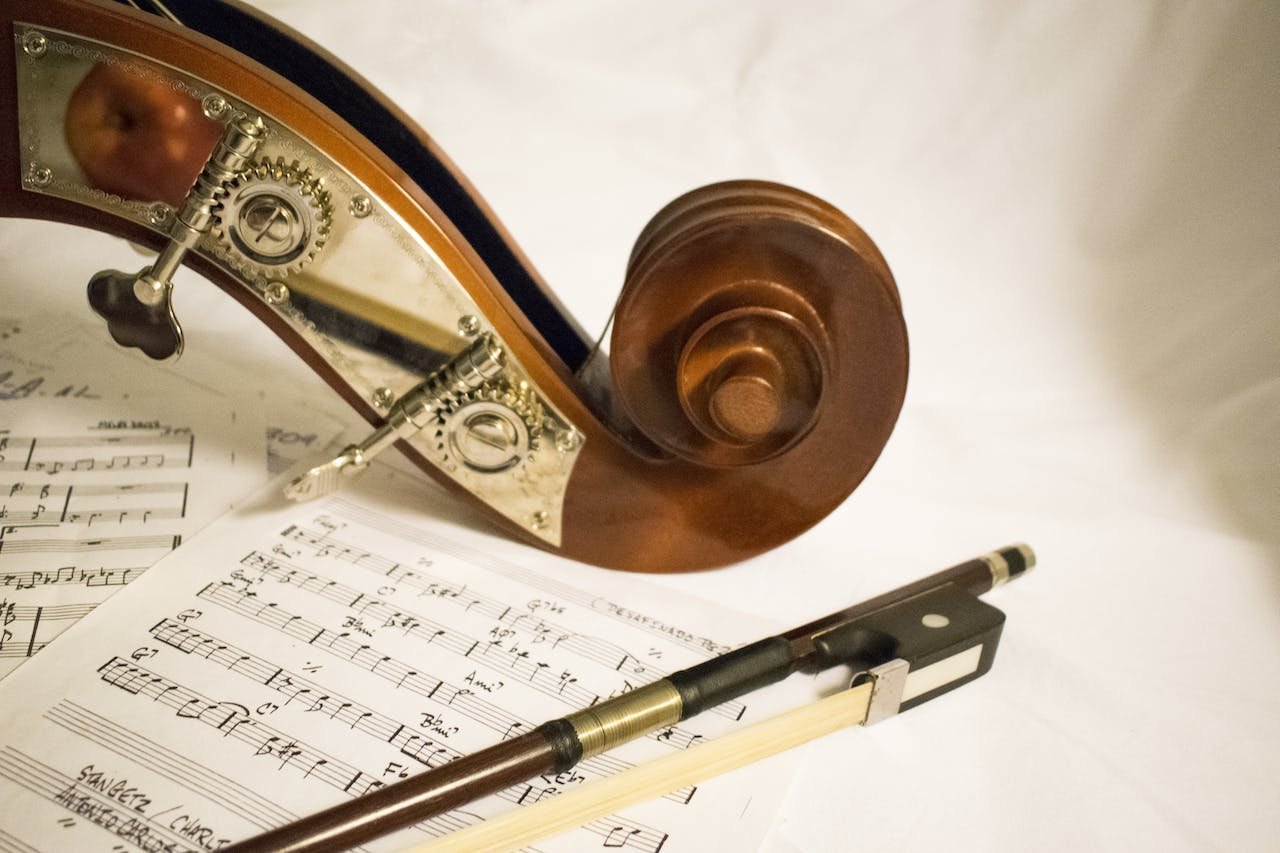
Bulgarian classical music
Classical music in Bulgaria emerged after liberation from Ottoman rule and was associated with the arrival of Russian, Polish and Czech immigrants during Tsar Ferdinand's reign. Professional Bulgarian music developed gradually, initially focusing chiefly on classical music.
Read more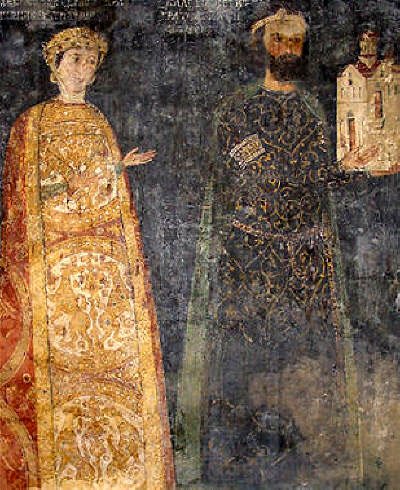
Church painting
Orthodox churches were richly decorated with frescoes and icons. Among the notable examples of high artistic value are the frescoes in Boyana Church, Bachkovo Monastery and the rock-hewn monasteries near the village of Ivanovo in the Ruse region.
Read more
Cinema
Cinema, or cinematography, is a visual art that emerged in the late nineteenth century. It is based on photographing moving images through exposure to light or other electromagnetic radiation.
Read more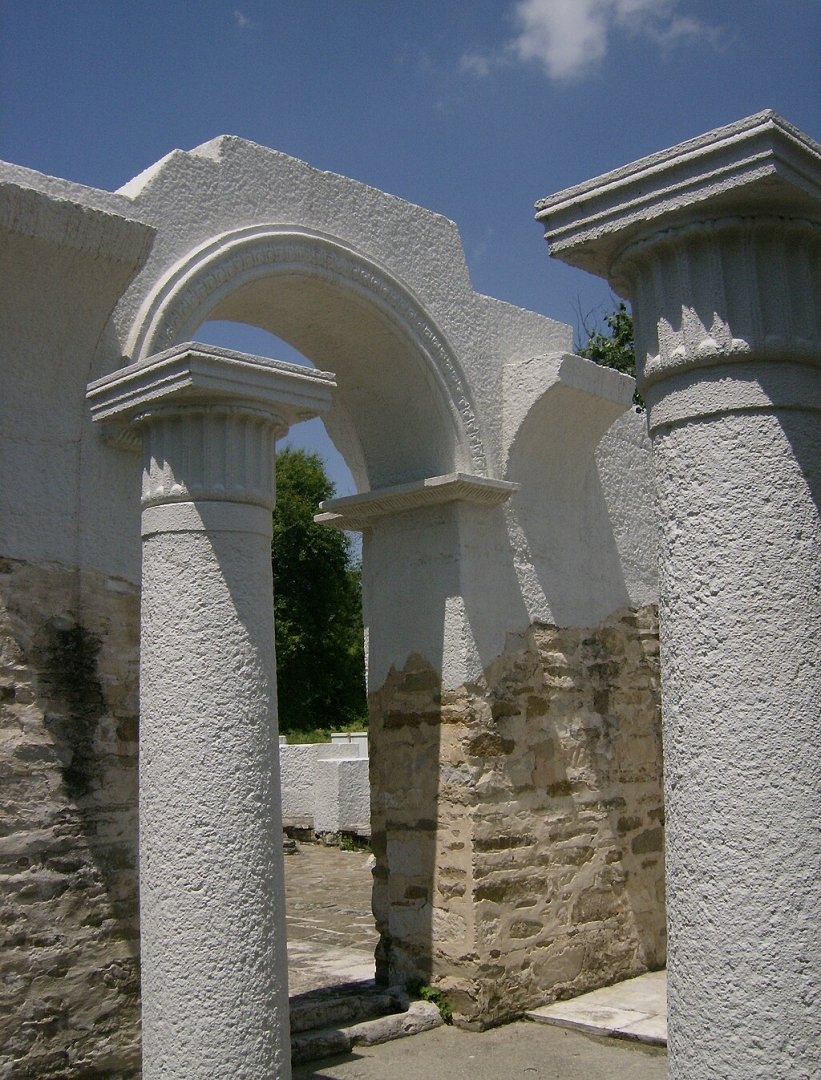
Cornices
Cornices were a significant decorative element in Bulgarian architecture, appearing in palaces, churches and various other structures. They embellished buildings' exteriors and were also important in interior design.
Read more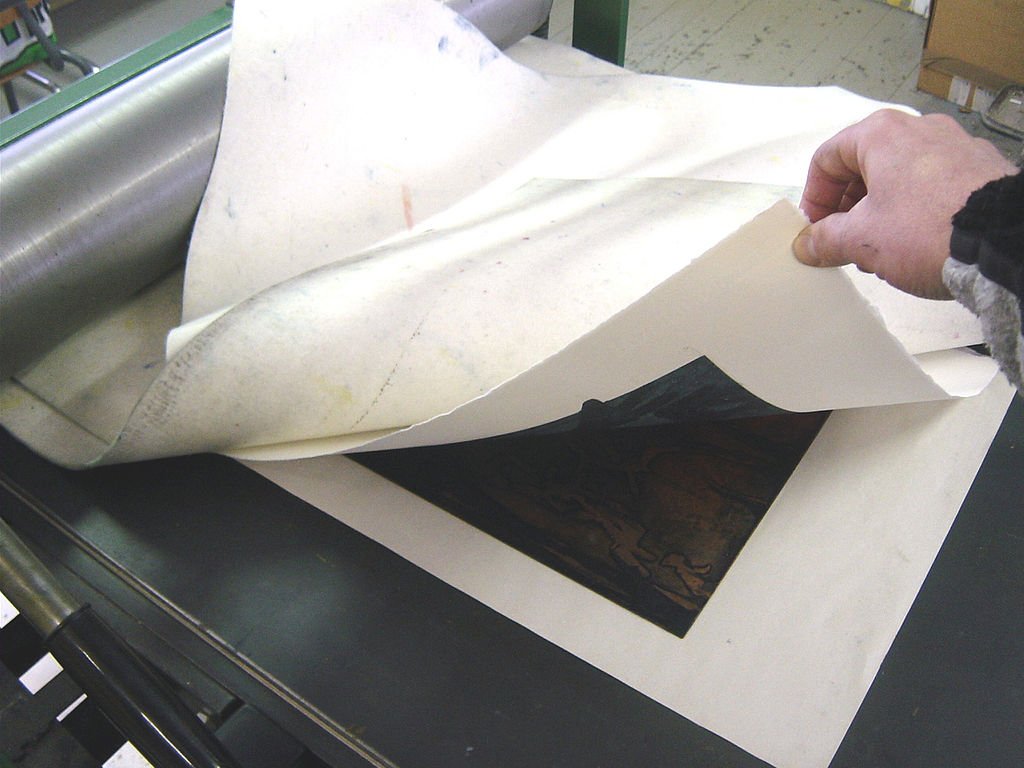
Engraving
Engraving is a form of graphic art. Engravings can be made in various materials, including wood, silver, gold, copper, steel and glass.
Read more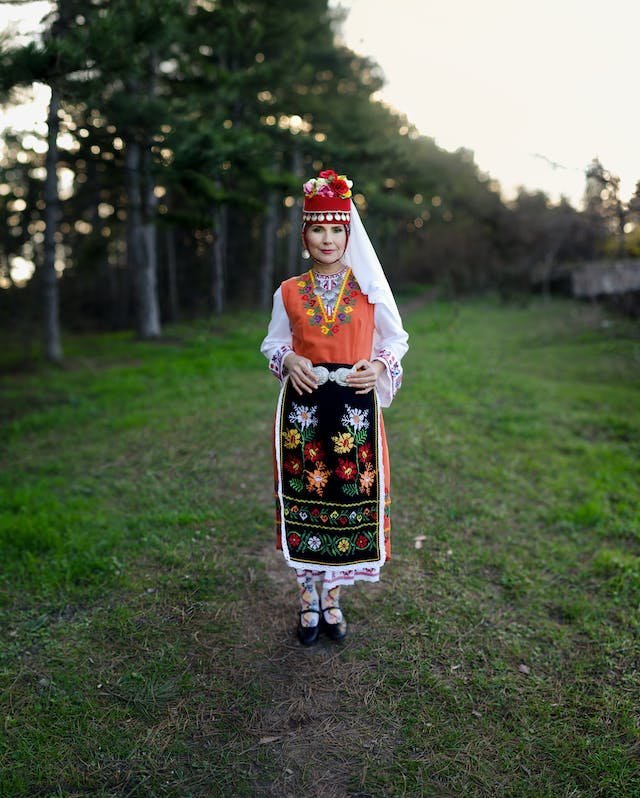
Folk dance
Dance is an art in which an artistic image is created through movement and changes in the position of the human body. Bulgarian folk dances are a fundamental part of Bulgarian folklore and culture.
Read more
Folk music
Bulgarian folk music is a musical genre created in the first half of the twentieth century that reproduces and reinterprets the traditional musical folklore of the Bulgarian lands. It derives from premodern, chiefly rural folklore separated from its original ritual and everyday settings.
Read more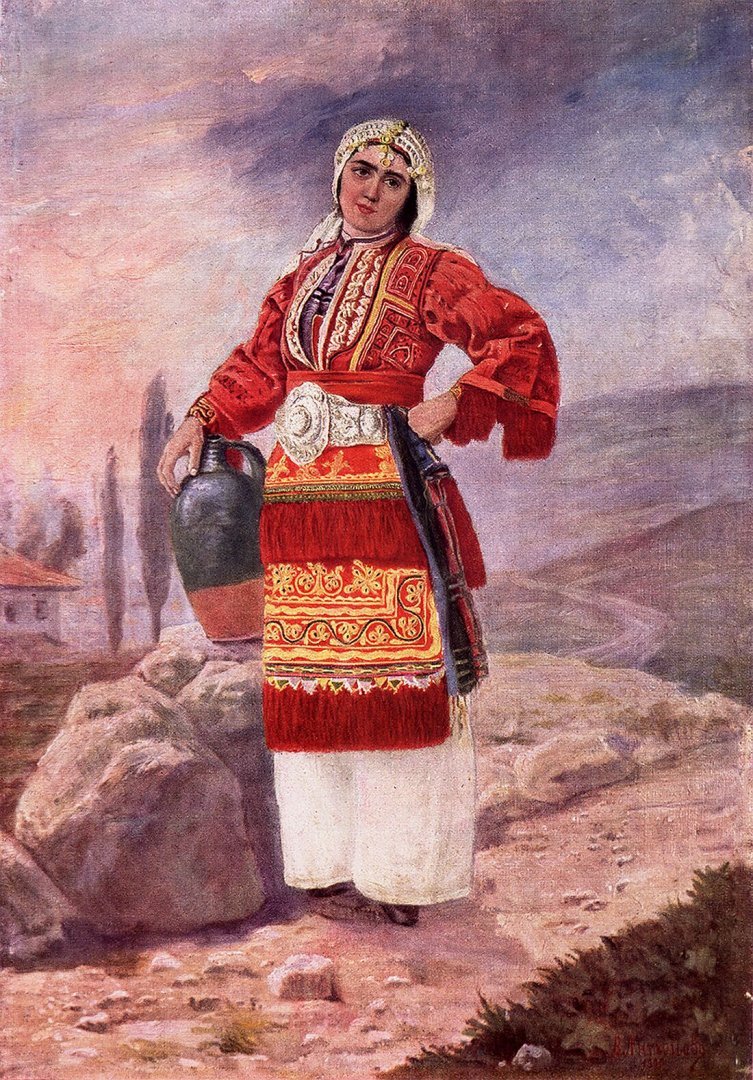
Genre painting
Genre painting depicts scenes of everyday life, including social and domestic moments, in keeping with the circumstances of the artist's own time. This branch of the visual arts developed during the late Renaissance and Baroque periods, encouraged by democratic tendencies in art.
Read more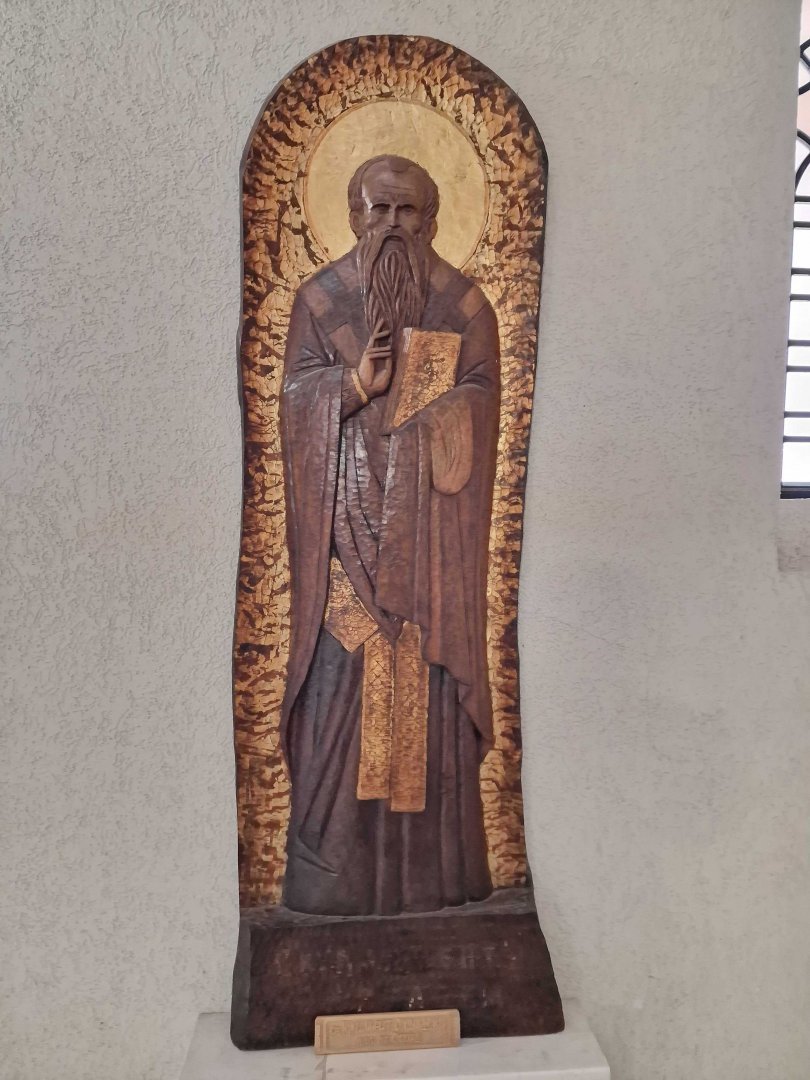
Iconostasis carving
This art involves making carved decoration for church iconostases. Woodcarvers create beautiful wooden details depicting saints and biblical scenes to complement the icon screens.
Read more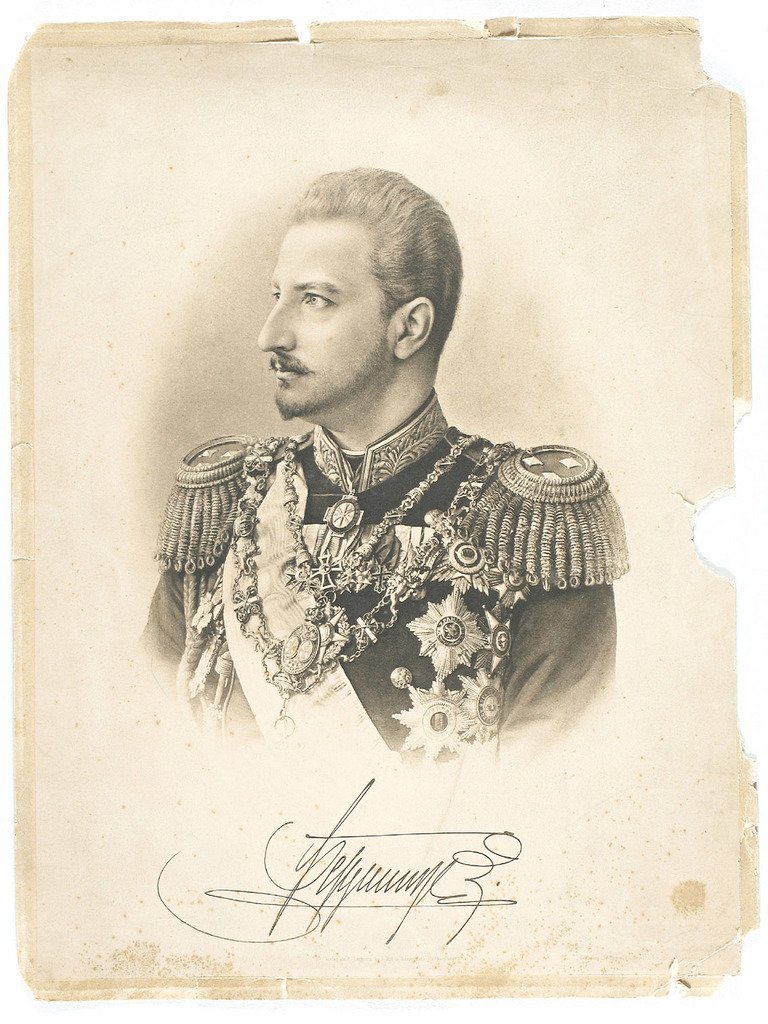
Individual portraiture
A portrait is an artistic depiction of a person in a static pose, whether through drawing, photography or literary description. An important aspect is its focus on the face and expression, which are considered central to conveying the subject's outward appearance, inner emotions and character.
Read more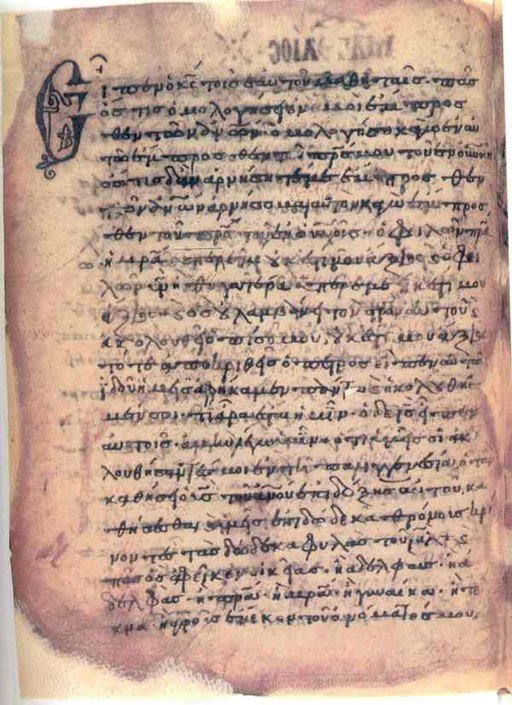
Manuscript illumination
The art of manuscript production involves many aspects, including the writing and sizing of letters. Decoration ranges from initials to ornamental headpieces, while illustrations often relate to the text or portray the people for whom the manuscript was written.
Read more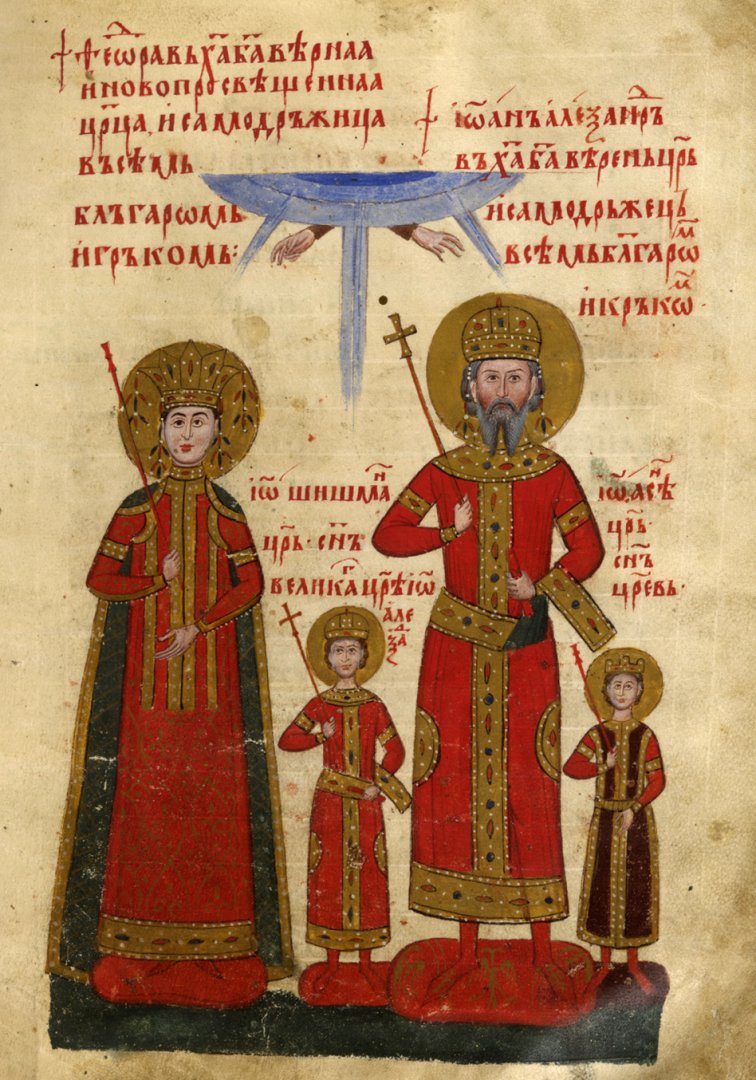
Miniature painting
Miniature painting also developed during the Second Bulgarian Empire. It was used to decorate commissioned manuscript books.
Read more
Modern Bulgarian literature
Modern Bulgarian literature includes all literary works produced after the publication of Paisius of Hilendar's celebrated Slav-Bulgarian History. It covers the Bulgarian National Revival and the period from Bulgaria's Liberation to the present.
Read more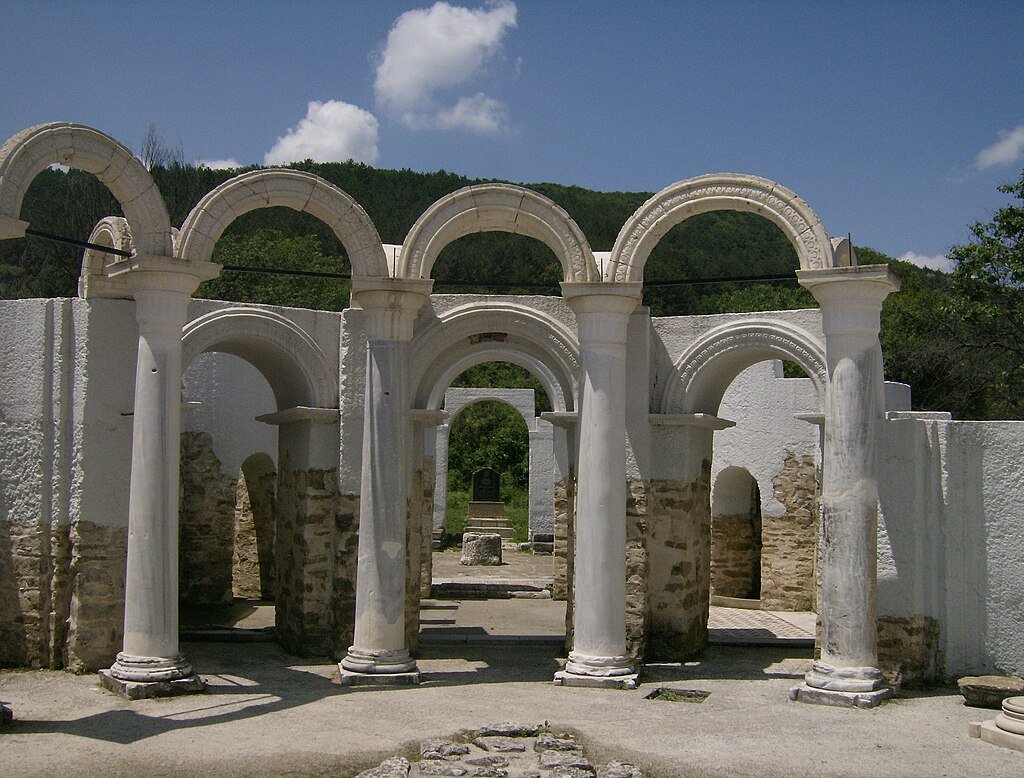
Mosaics
There are two types of mosaic: floor and wall mosaics. The earliest attested mosaic in the territory of the First Bulgarian Empire was in the tenth-century Royal Church at Veliki Preslav.
Read more
Old Bulgarian literature
Old Bulgarian literature covers the period from the ninth to the eighteenth century and represents the beginnings and development of the Bulgarian literary tradition. It circulated chiefly in manuscript form and was distinct from oral literature, or folklore, to which it actively opposed itself.
Read more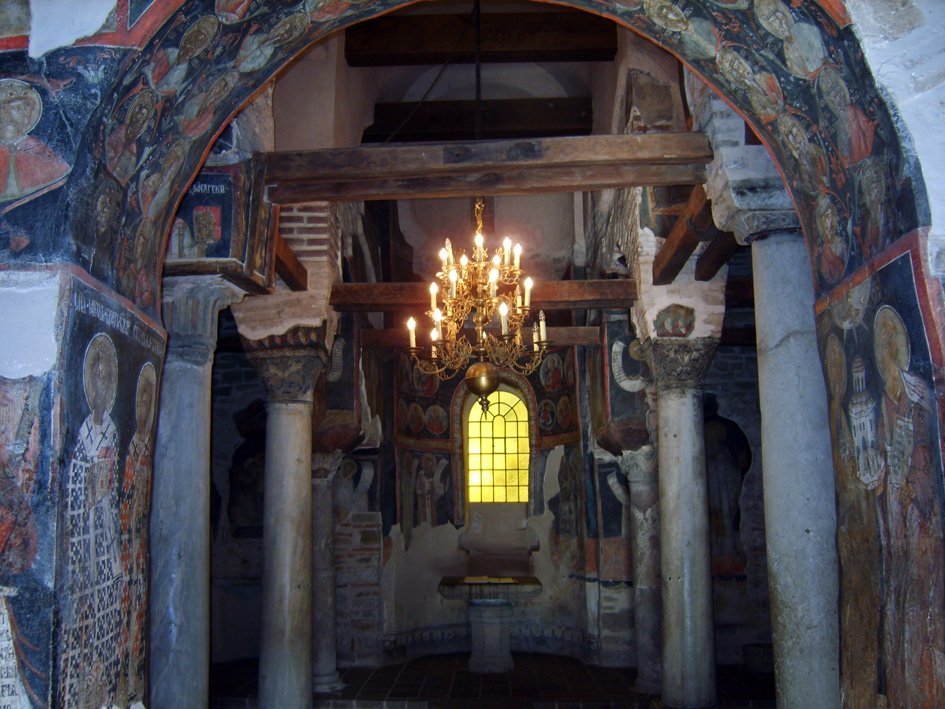
Painting of the Tarnovo artistic school
The painting of the Tarnovo artistic school was a major strand of Bulgarian visual art, active from the thirteenth to the fourteenth century. It takes its name from Tarnovo, the capital and cultural centre of the Second Bulgarian Empire.
Read more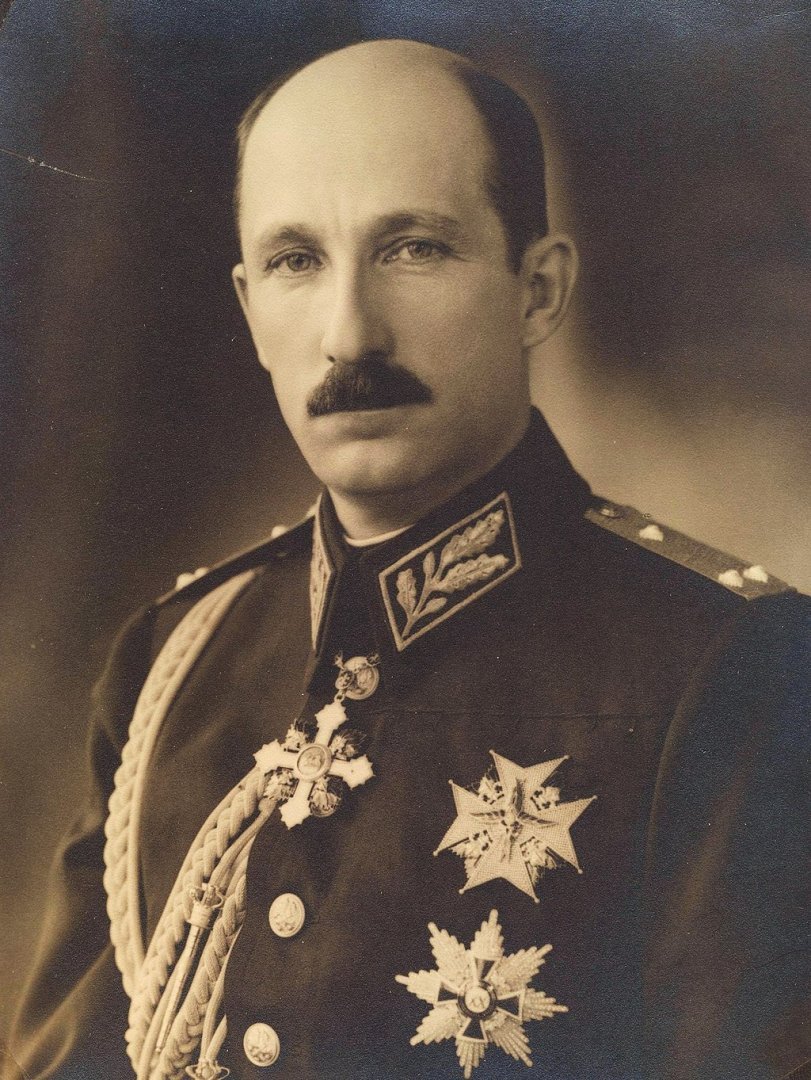
Photography
Photography is an art devoted to creating photographs, with its main creative process lying in the choice of composition, lighting and the moment of exposure. The earliest surviving photograph of Bulgarians dates from 1842–1843.
Read more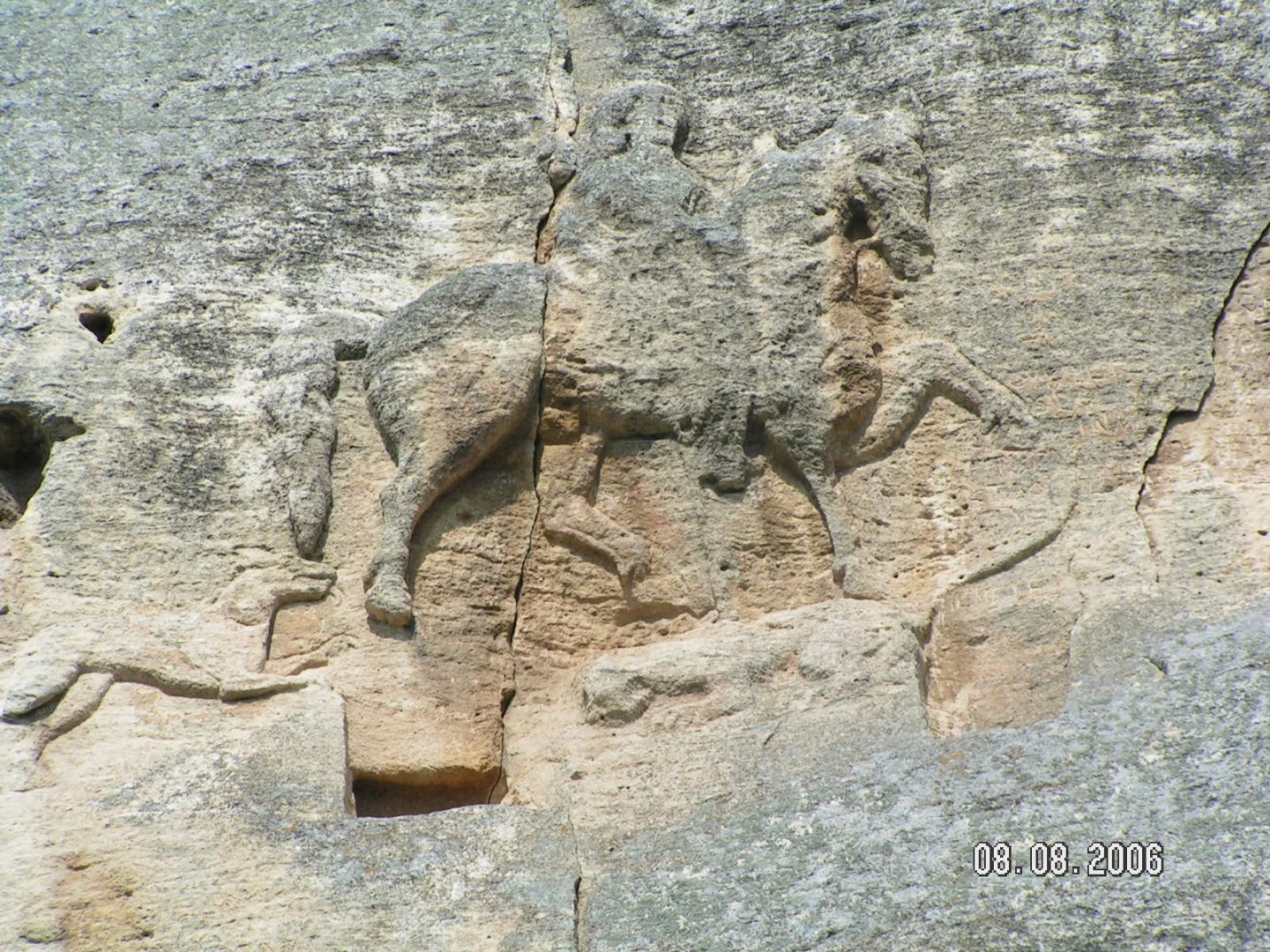
Sculpture
Decorative sculpture developed alongside architecture and stonemasonry. Its development in Bulgaria began centuries later than in western Europe.
Read more
Sgraffito pottery
The Bulgarians encountered sgraffito pottery in the twelfth century through Byzantine influence; Byzantium had brought the technique from the Middle East. Sgraffito is a process in which pottery is decorated in several stages.
Read more
Socialist realism
Socialist realism is a literary style. In Bulgaria, it developed as an artistic style during the socialist era, after the Communist Party came to power in 1944 and a socialist system was introduced.
Read more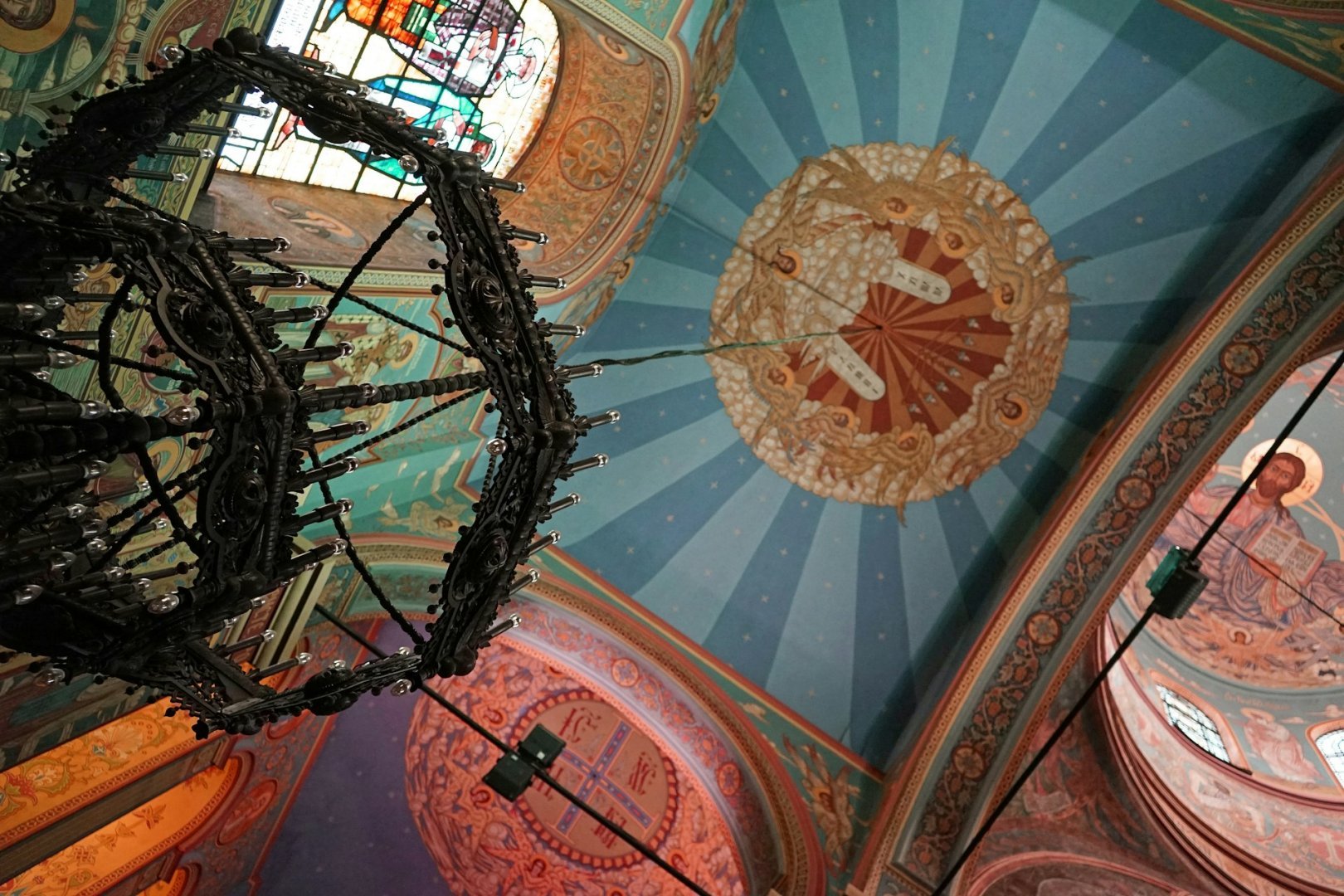
Stained glass
Stained glass is an art involving the creation of images from glass, often using different colours and techniques. In Bulgaria, this art form has a rich history and tradition.
Read more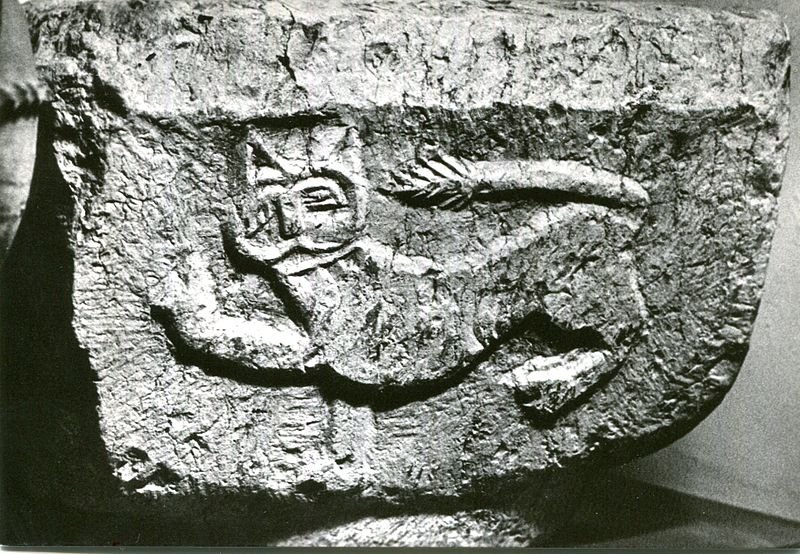
Stone sculpture
Among the best-preserved examples of this art are the stone relief slabs from Stara Zagora. They depict various fantastic animals: a leopard, a griffin, peacocks and a double-headed eagle.
Read more