Folk dance

Folk dance
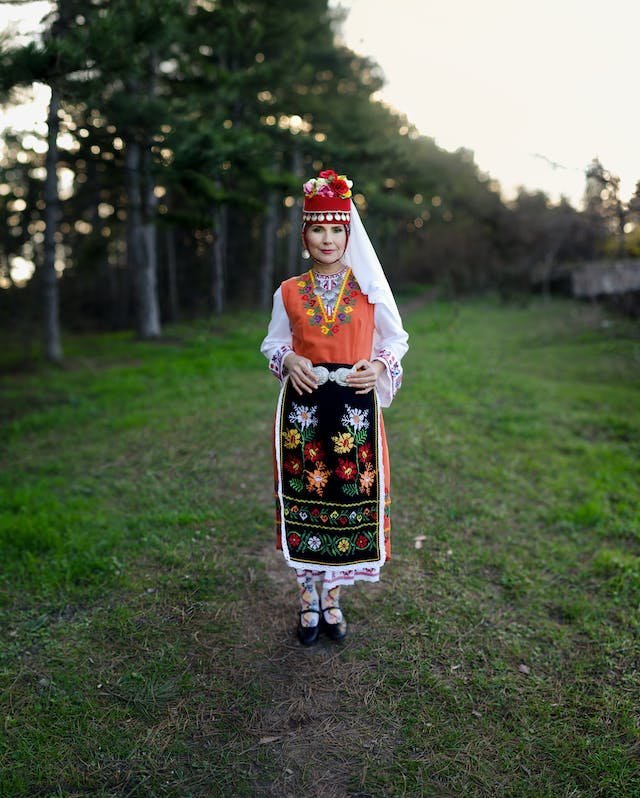
Folk dance
Dance is an art in which an artistic image is created through movement and changes in the position of the human body.
Bulgarian folk dances are a fundamental part of Bulgarian folklore and culture. Their principal themes include humanity's relationship with nature, the maiden and the heroic young man, everyday life, agriculture and marriage. There are seven folklore regions, each with characteristic traditions, musical instruments, dances and costumes: Pirin, Thrace, Shopluk, Strandzha, Dobrudja, the Rhodopes and Northern Bulgaria. Folk dances vary across the country: the same horo may be danced one way in one region and in a modified way elsewhere while retaining its basic rhythms. Bulgarian rhythms and metres are exceptionally numerous and often contain unequal beats, which are not found in western folk dances. These beats consist of simple groups of two and three that, when combined and performed quickly, create units of unequal duration. Examples include five-unit metres (5/8, 5/16), seven-unit metres in three groups (7/8), and eleven-unit metres in five groups (11/8, 11/6). Remarkably, Bulgarian folklore also includes songs without a fixed metre, known as unmeasured songs. They are typically performed more slowly, with pauses and ornaments on certain beats.
Share:


