Painting of the Tarnovo artistic school

Painting of the Tarnovo artistic school

Painting of the Tarnovo artistic school
The painting of the Tarnovo artistic school was a major strand of Bulgarian visual art, active from the thirteenth to the fourteenth century. It takes its name from Tarnovo, the capital and cultural centre of the Second Bulgarian Empire. Although it followed the main tendencies of the Palaiologan Renaissance, Tarnovo painting had distinctive artistic features that set it apart as a separate school.
According to function, its painting can broadly be divided into two principal types: wall painting and icon painting. Wall paintings decorated Christian churches, while icon painting comprised works intended for easel displays.
Although archaeological excavations have revealed limited traces of mosaic decoration, this technique was not widespread in Bulgaria during the period.
The Tarnovo artistic school continued to exert a significant influence on religious and secular painting in Bulgaria even into the late seventeenth century. Its works display rich detail, pronounced depth and colours reflecting Bulgarian artistic tradition and style. The school combined eastern traditions with western influences to create a distinctive artistic expression.
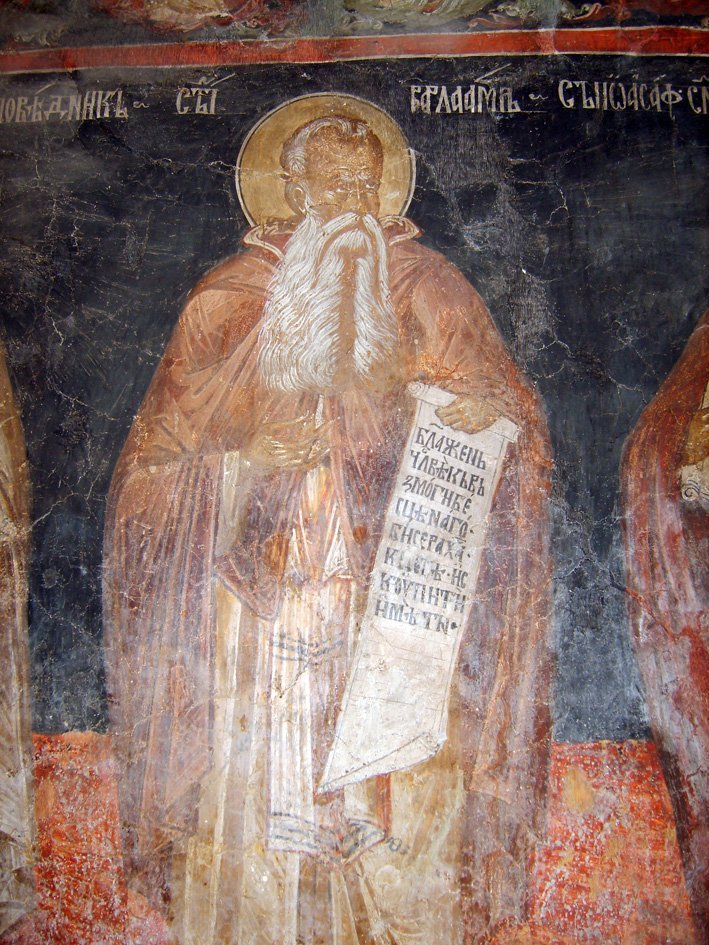
The Tarnovo school introduced the use of tempera in wall painting. This technique allowed a slower pace of work but produced brighter, more saturated colours and a wider range of tones. It represented a change from traditional fresco technique, which nevertheless was not entirely abandoned.
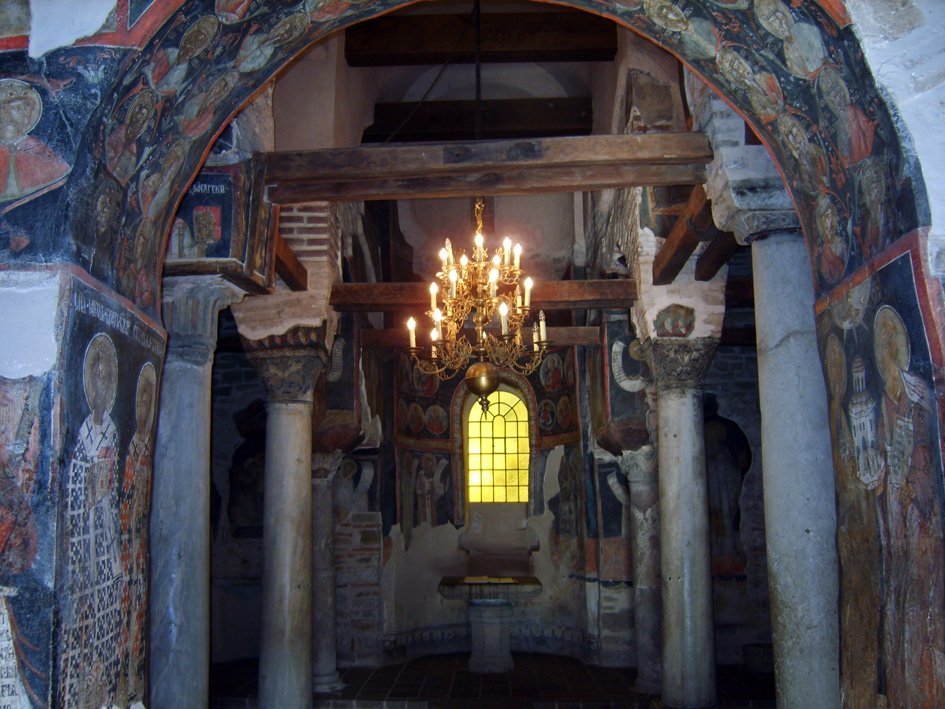
Wall paintings in the churches of the Second Bulgarian Empire covered every available element: walls, vaults, columns, pilasters, arches and apses. They were arranged horizontally according to iconographic conventions. Numerous depictions of warrior saints, such as the ten saints in Boyana Church, are characteristic of the Tarnovo school. St Demetrius of Thessaloniki, the patron of the Asen dynasty, was especially prominent, reflecting his great popularity in thirteenth- and fourteenth-century Bulgaria. Church narthexes were used for portraits of the donors themselves, a practice that preserved likenesses of prominent medieval Bulgarians. This was an important means of preserving historical memory and representing public figures of the period.
Share:


