Architecture

Architecture

Architecture
As a leading art throughout cultural history, architecture establishes the settings and spaces in which the other arts find expression. A distinctive architectural artistic image is especially evident in structures with particular purposes, such as palaces, public buildings, cairns and tombs. The uniqueness of an architectural image is not always tied to that of an individual building. The Egyptian pyramids, for example, demonstrate the repetition and multiplication of architectural images, with more than one building sharing a similar design. In the modern world, buildings such as the National Theatre in Sofia and the theatre in Odesa may resemble one another because the same firm applied the same architectural principles. Despite these similarities, a distinctive architectural image can be preserved even through repeated forms. Buildings that resemble one another in style, function and appearance can create a harmonious ensemble. This reflects architecture's ability to unite elements into coherent, expressive compositions across time and space.
In contemporary mass housing, architects focus on individual buildings and on the aesthetics of urban planning. They rethink the spaces formed by housing complexes or entire parts of settlements, giving them harmony and function. Yet distinctive individual buildings continue to play an important role in the architectural landscape. They retain their importance by creating focal points and striking ensembles. Their artistic image conveys the dignity and romance of history. They may be cultural monuments, modern architectural achievements or innovative projects that attract public attention and interest. Such buildings become symbols of architectural innovation and enrich the appearance of the urban environment. Despite changing approaches to town planning, distinctive architectural creations continue to shape the city's appearance and remain an important part of its architectural landscape.
Bulgarian architecture is rich and varied, combining influences from different historical periods and cultures. It bears traces of the ancient Thracian, Roman, Byzantine, medieval and Ottoman periods, as well as modern and contemporary architecture. In Bulgaria, architecture can be divided into five main stages: before the foundation of Bulgaria, the Middle Ages, Ottoman rule, the National Revival and the period after Liberation.
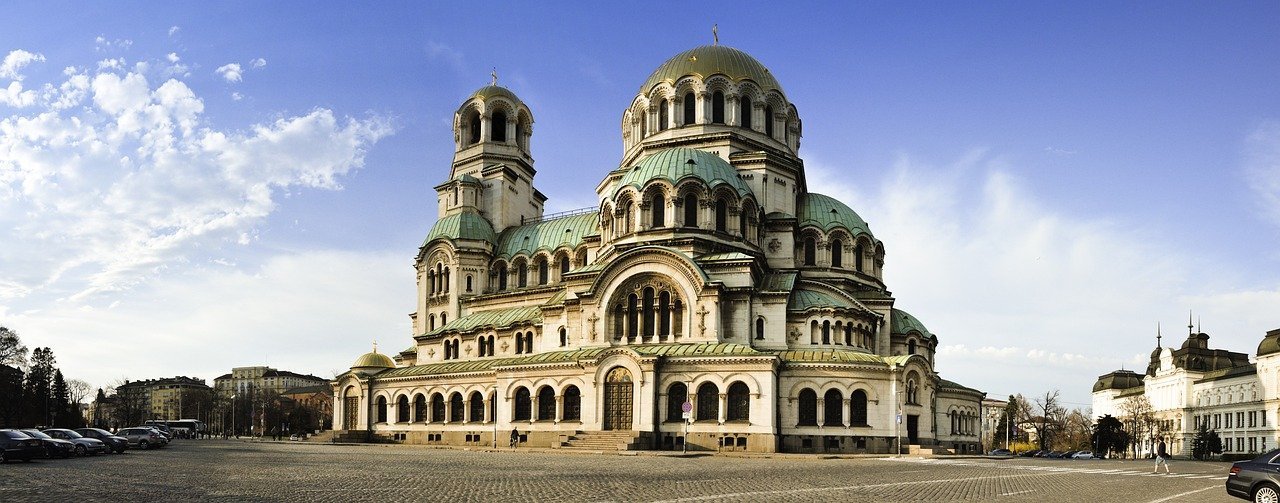
Before the foundation of Bulgaria: in antiquity, the Thracians who inhabited the territory of present-day Bulgaria built megalithic structures and sanctuaries. Thracian towns such as Perperikon and Kabile provide evidence of their distinctive architectural solutions. Roman provinces in what is now Bulgaria, such as Thrace, are rich in Roman architectural monuments. The baths in Plovdiv and Sofia, the amphitheatre in Plovdiv and the Roman fortresses are among the sites demonstrating Roman influence. After the Roman era, Byzantine influence became apparent in religious construction. St Sophia Church in Sofia is one of the country's best-known Byzantine churches.
Medieval architecture: Bulgaria has a rich architectural heritage from the Middle Ages. Fortresses, churches and monasteries of this period, such as Rila Monastery and the Church of St John of Rila in Rila, are distinguished by their woodcarving, frescoes and architectural forms.
Ottoman rule: during the Ottoman period, Bulgarian architecture absorbed oriental styles. Minarets, hammams and mosques are characteristic of this era. An example is the Sheynovska Mosque in Plovdiv.
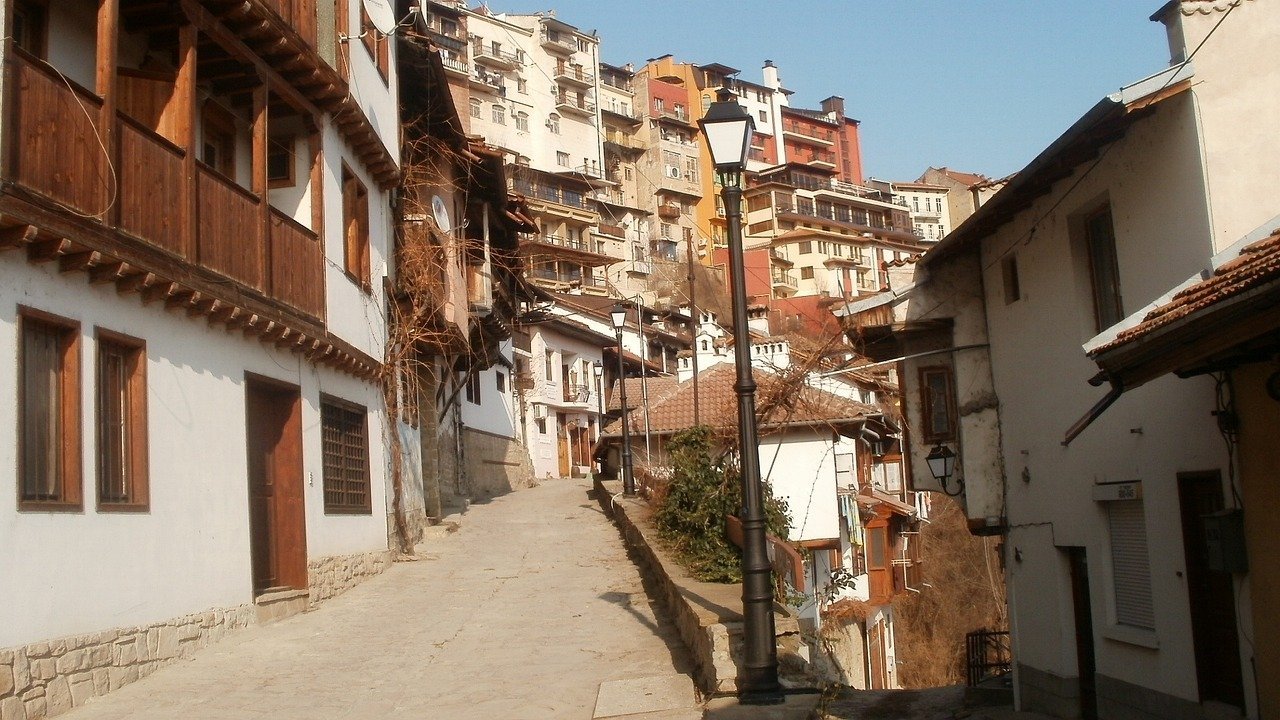
National Revival: house building during the Bulgarian National Revival forms a significant part of the architectural heritage of the period and strongly influenced the character of domestic architecture. The development of Revival houses can be divided into three stages. In the first, the Revival house appeared mainly in mountain regions. The second stage was shorter but more varied in style. Plovdiv became an important cultural and economic centre. The structural clarity of the early Revival house changed, with the emphasis shifting from strict construction to decoration and an imposing appearance. This reflected the growing confidence of the emerging bourgeoisie. In the third and shortest stage, Revival houses developed in two main directions. In Plovdiv and settlements influenced by it, the symmetrical Plovdiv house type was refined. Elsewhere, regional types remained almost unchanged during the last two stages.
Modern and contemporary architecture: after the Liberation in 1878, Bulgarian architecture began to develop in line with modern European trends. Zahari Zograf and Kolyu Ficheto were among Bulgaria's first modern architects. In the twentieth and twenty-first centuries, the country has been distinguished by architectural achievements such as the capital's Sveta Nedelya and Izgrev districts in Sofia and the National Palace of Culture building.
Share:


