Manuscript illumination

Manuscript illumination

Manuscript illumination
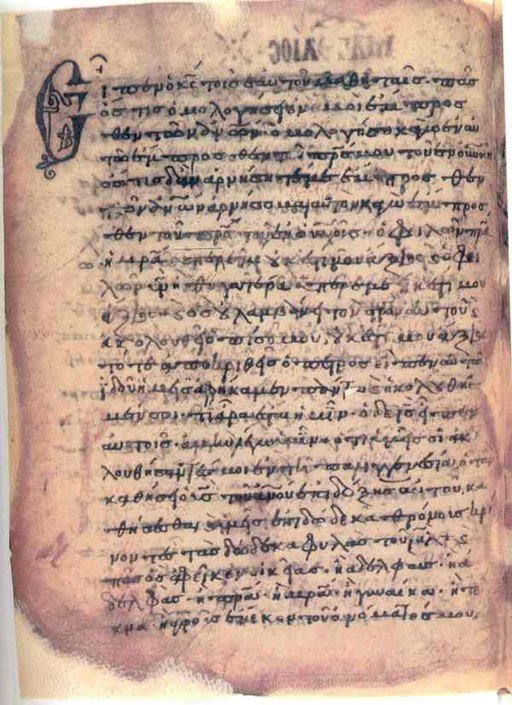
The art of manuscript production involves many aspects, including the writing and sizing of letters. Decoration ranges from initials to ornamental headpieces, while illustrations often relate to the text or portray the people for whom the manuscript was written.
The oldest surviving Bulgarian books are the Codex Zographensis, Codex Marianus, Codex Assemanius, Sinai Psalter and Sinai Euchologion, written in Glagolitic script. Glagolitic manuscript decoration is graphic in character and includes interlace, chains and plant motifs. Its principal ornamental elements were the S-shaped chain link, rope interlace and a trailing plant stem or part of one. Although elements were often borrowed from Byzantium and other regions, the craftsmen did not copy blindly but created distinctive features.
The Codex Assemanius is one of the best-preserved Old Bulgarian manuscripts. Its decoration includes headpieces, circles and initials, with a marked preference for bands. The initials form the bodies of the letters, and their interiors often contain motifs such as rosettes, crosses, swastikas or human faces. Plant decoration is almost absent, but an initial depicting a reptile connects its style with Greek eastern manuscripts of the Syrian tradition and with southern Italian manuscripts. The Codex Suprasliensis is one of the earliest Cyrillic manuscripts, edited in eastern Bulgaria in the tenth century. It lacks interlace and colouring, and the architectural element of its headings resembles that in the Codex Assemanius. Cyrillic manuscripts with painted decoration, including the Ostromir Gospels, Mstislav Gospels, Svyatoslav's Miscellany and Constantine of Preslav's Didactic Gospel, were copied in Russia from Bulgarian originals. The Codex Suprasliensis has no substantial interlace or colouring. Its headings include elements from the Codex Assemanius, with architecturally shaped parts of the letter stem. The Ostromir Gospels, by contrast, is a more richly decorated manuscript, with three large figurative miniatures, vignettes and coloured initials.
Manuscripts beginning with portrait miniatures are also noteworthy, such as the Didactic Gospel, which depicts Prince Boris. This manuscript, dated to the ninth century, shows Prince Boris holding a cross, wearing a crown and surrounded by a halo. Within an ornamented frame against a gold background, he wears a richly decorated, belted tunic, a mantle and a crown resembling those of Byzantine rulers. The text notes that the manuscript was made after Prince Boris had been recognised as a saint.
Share:


