Genre painting

Genre painting
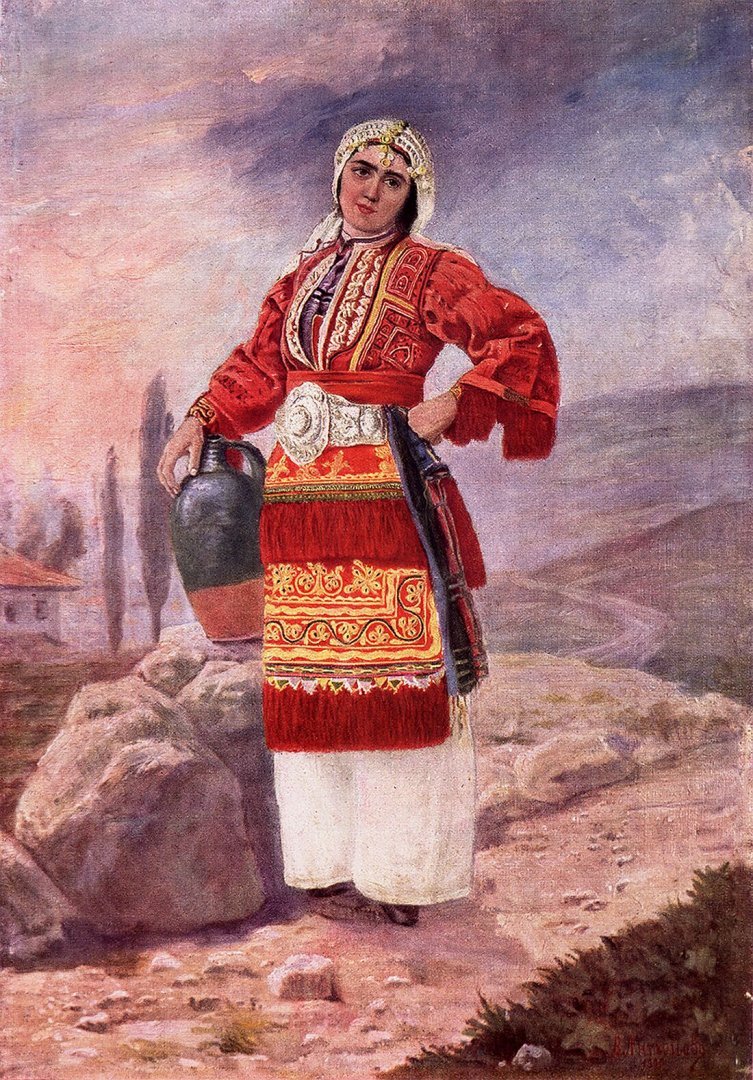
Genre painting
Genre painting depicts scenes of everyday life, including social and domestic moments, in keeping with the circumstances of the artist's own time. This branch of the visual arts developed during the late Renaissance and Baroque periods, encouraged by democratic tendencies in art.
In Bulgaria, genre painting ranked third in popularity among the visual-art genres of the National Revival, after individual portraiture and historical composition. Its practitioners included Nikolay Pavlovich, Stanislav Dospevski and Dimitar Dobrovich.
During the first three decades after Bulgaria's Liberation, genre painting developed considerably and strongly influenced Czech and Bulgarian artists. Among them were Ivan Mrkvička and Jaroslav Věšín, associated with the Czech and German schools, and Bulgarian artists such as Anton Mitov, Nikola Obrazopisov, Ivan Angelov, Petko Klisurov and Marin Georgiev. Rural scenes predominated, depicting work in the fields and family celebrations, but subjects also combined town and country life, as in market scenes.
After the second decade of the twentieth century, genre painting gradually lost its leading position in Bulgarian art to portraiture and landscape painting. This shift in interest may be explained by communications and changes in society and art during the period.
Share:


