Uprisings

72 results

The Demir Hisar Conspiracy
The Demir Hisar Conspiracy, or Brsjak Revolt, was an attempted rebellion by the Bulgarian population of south-western Macedonia in 1880–1881. It was organised after the Congress of Berlin decided that Macedonia would remain under Turkish rule.
The First Bulgarian Legion
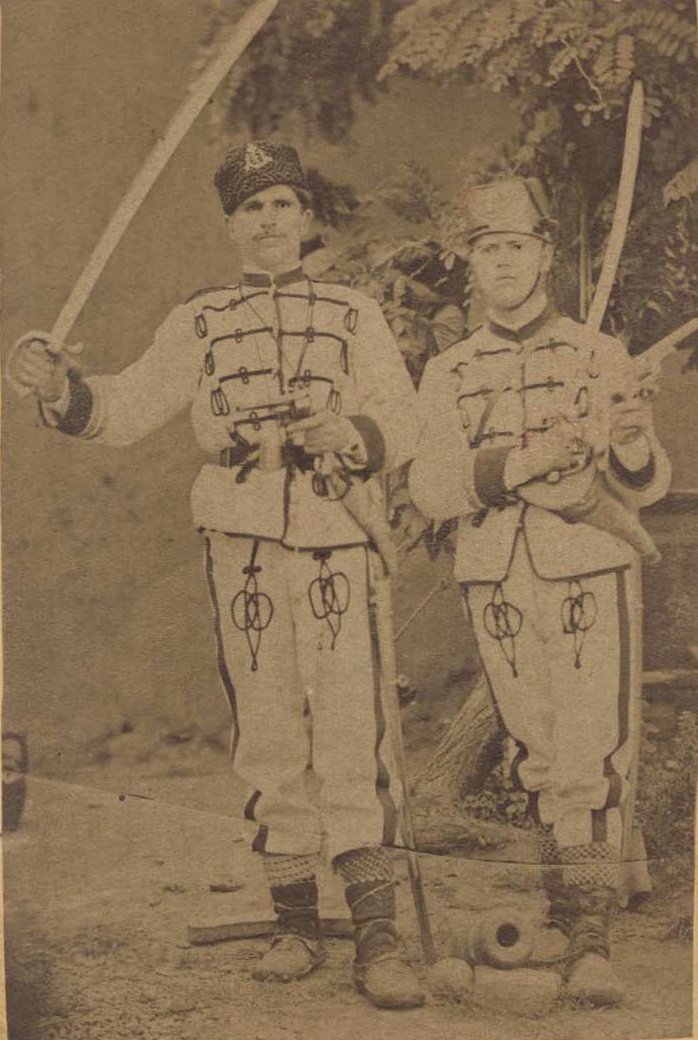
The First Bulgarian Legion was formed in Belgrade in 1862 from Bulgarian volunteers organised by Georgi Rakovski. Its purpose was to support a Bulgarian liberation uprising in the Ottoman Empire.
The First Pirot Uprising
The Pirot Uprising broke out in 1836 in response to plundering by the ayan Mahmud Kapudzhi Bashi and the Greek bishop Hieronymus. It encompassed the Pirot, Niš, Tran, Visok, Znepole and other regions.
The First Serbian Uprising
This uprising formed part of the wider Serbian Revolution and marked the beginning of the region's struggle for national liberation. It began in 1804 as a Christian response to the resettlement of Janissaries in the area, supported by Osman Pazvantoğlu.

The First Tarnovo Uprising
Several organised uprisings against Ottoman rule were attempted in the sixteenth century. One was the First Tarnovo Uprising.
The Gabrovo Uprising
The Gabrovo Uprising of 1810 was a large-scale revolt by the Bulgarian population of Moesia against Turkish rule. It spread through the regions of Razgrad, Ruse, Byala, Varna and Pleven, and the central Balkan Mountains around Tarnovo, Gabrovo, Tryavna and Elena, extending to the southern slopes above Kazanlak.

The Gorna Dzhumaya Uprising
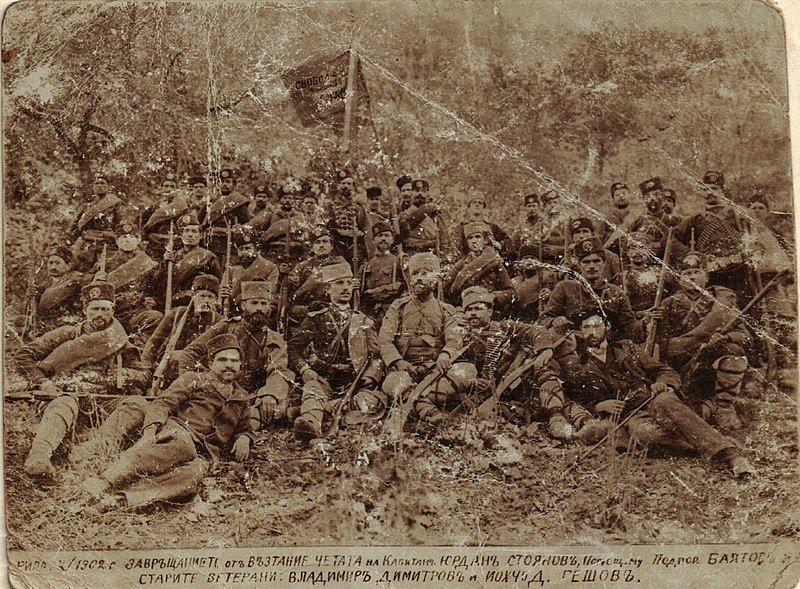
In the autumn of 1902, the situation in Macedonia and Edirne Thrace deteriorated sharply. These territories hoped for support from Bulgaria and, in turn, Russia in their struggles for independence.
The Ilinden–Preobrazhenie Uprising
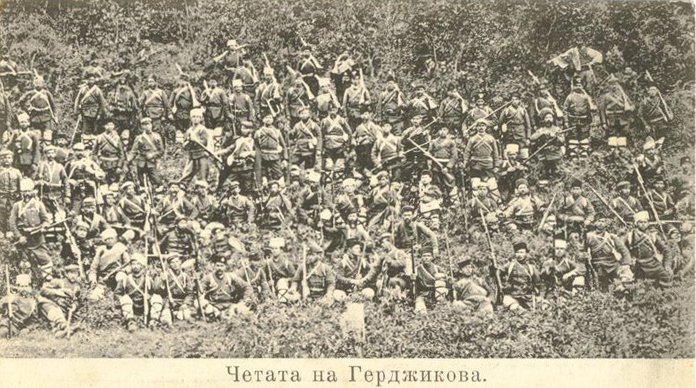
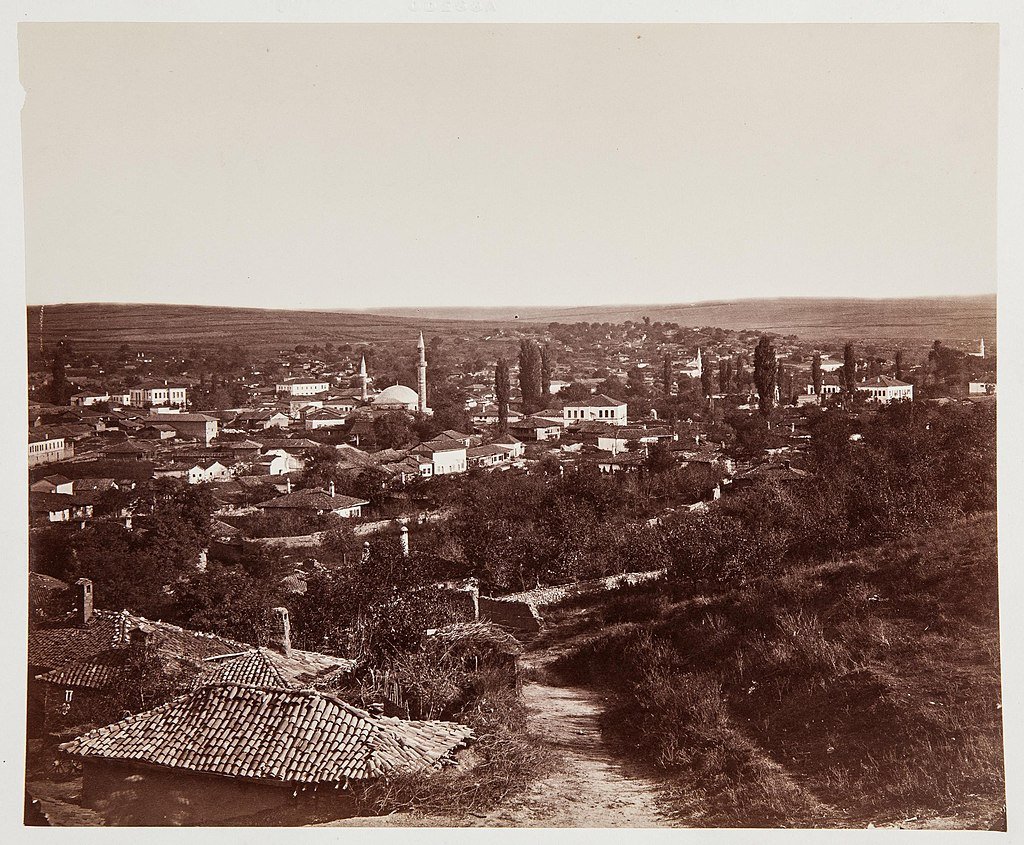
At the Thessaloniki Congress in January 1903, the committee of the Internal Macedonian-Adrianople Revolutionary Organization (IMARO) decided that the time had come for a mass uprising. The situation was further complicated by the Thessaloniki bombings of April 1903, carried out by the Gemidzhii, a group of young patriots drawn to anarchism.
The June Uprising
On 9 June 1923, a coup in Bulgaria removed the government of the Bulgarian Agrarian National Union (BANU). Aleksandar Tsankov's government took power, backed by the army and almost all parties except the BCP and BANU, but without broad popular support.
The Kavarna Uprising
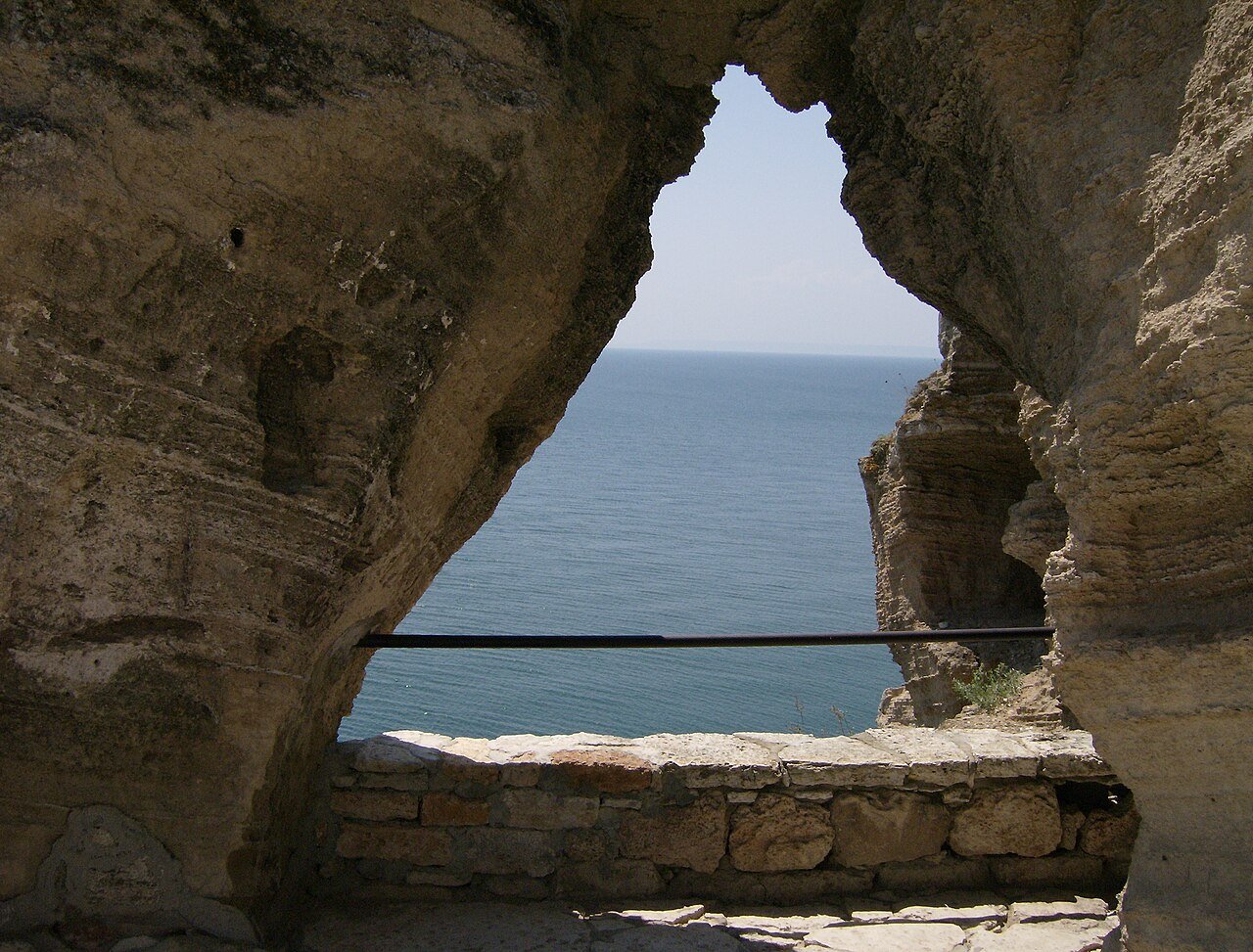
The Kavarna Uprising unfolded from 25 June to 24 July 1877 as an act of self-defence by the inhabitants of Kavarna and nearby villages against advancing bashi-bazouks, local Turks and Circassian cavalry. In response, the Ottoman government sent a force of 3,000 irregular soldiers to Dobruja, claiming its purpose was to “protect the Muslims”.

The Kresna–Razlog Uprising
The Kresna–Razlog Uprising was a revolt by Macedonian Bulgarians in 1878–1879 against Ottoman rule, following the Congress of Berlin's decisions to leave Macedonia outside the newly formed Principality of Bulgaria. Bulgarians in Macedonia sent petitions, memoranda and appeals to the governments of the Great Powers and the Provisional Russian Administration, protesting against the decision to leave their lands within the Ottoman Empire.
The Kula Events
The Kula Events were a series of revolts in Bulgarian villages, particularly in the Kula and Vidin regions, protesting against collectivisation imposed by the totalitarian communist regime. In the autumn of 1950 and winter of 1951, a campaign began to make collectivisation a mass movement in these areas.

The Macedonian Committee's Armed Expedition
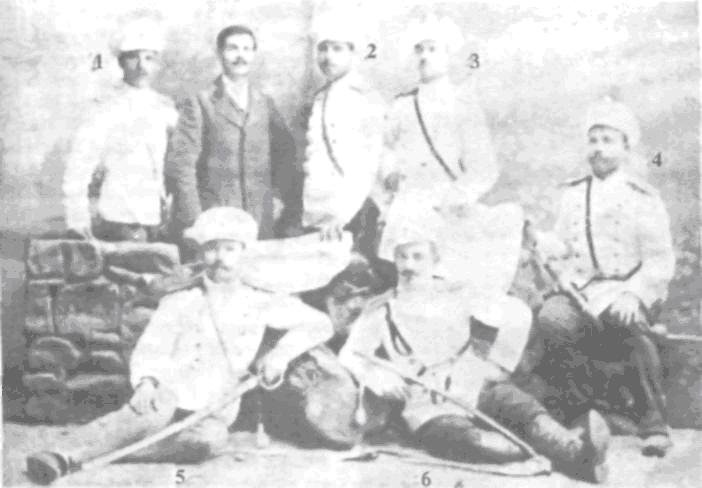
The armed expedition was a planned attack by the Macedonian Committee between June and August 1895. Its aim was to provoke a popular uprising in Ottoman-ruled Macedonia and draw the Great Powers' attention to the failure to implement Articles 23 and 62 of the Treaty of Berlin, which promised reforms in European Turkey.
The Mariovo Revolt
The Mariovo Revolt, also known as the revolt in the Prilep region of 1564, was a peasant uprising by the Bulgarian population of Mariovo against the Ottoman Empire in 1564–1565. In the summer of 1564, local Bulgarian anger at Ottoman oppression was intensified by an unjust verdict of the Prilep kadi's court in a dispute between peasants and an Ottoman administrator.
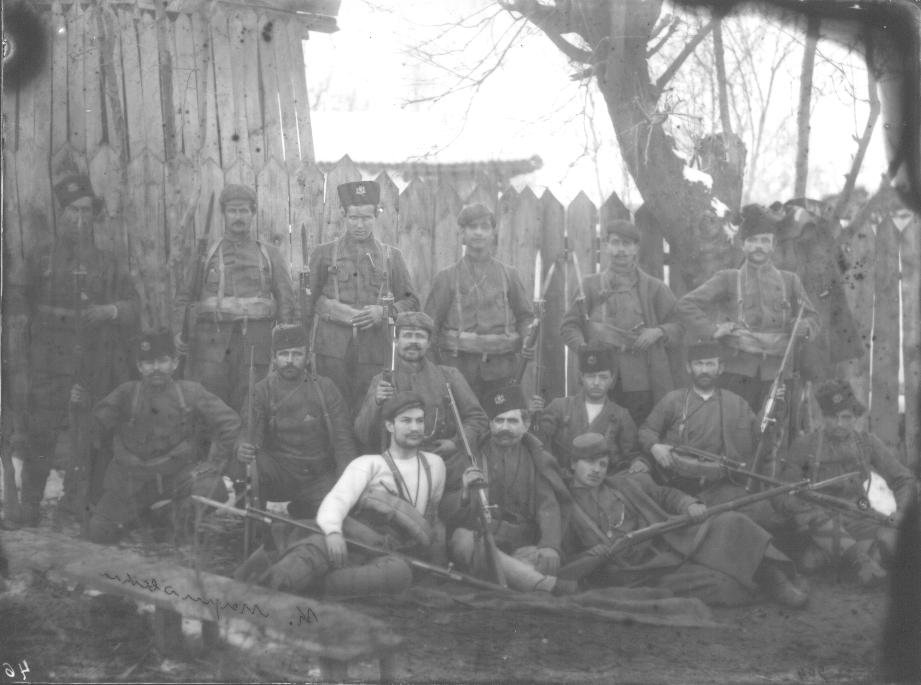

The Melnik Uprising
After the Russo-Turkish War of Liberation of 1877–1878, Macedonia and Edirne Thrace remained under Ottoman rule. The liberated Bulgarian territories sheltered many refugees from the lands that had not been liberated.
The Morava Uprising
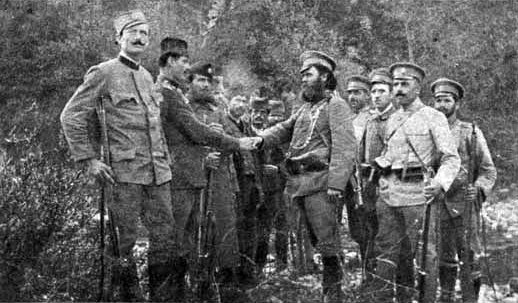
During the First World War, in the autumn of 1915, the Serbian army was defeated following Bulgaria's involvement in the Kosovo Operation. A large proportion of its forces withdrew into the Morava region.
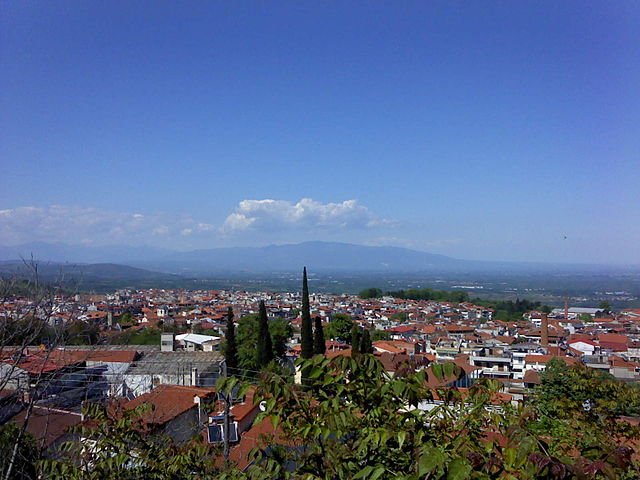
The Naousa Revolt
In 1705, an armed revolt by the Christian population against the devshirme, or blood tax, broke out in Naousa, a town in southern Macedonia known in Bulgarian as Negush. In March that year, the Janissary unit responsible for collecting the levy entered the town to take fifty Christian boys.
The Niš Uprising
The Niš Uprising of 1841 resulted from abuse and violence inflicted on Bulgarians in the Niš, Pirot and Leskovac regions during Easter. The nephew of Niš's governor, Sabri Mustafa Pasha, killed a young woman who refused to convert to Islam.
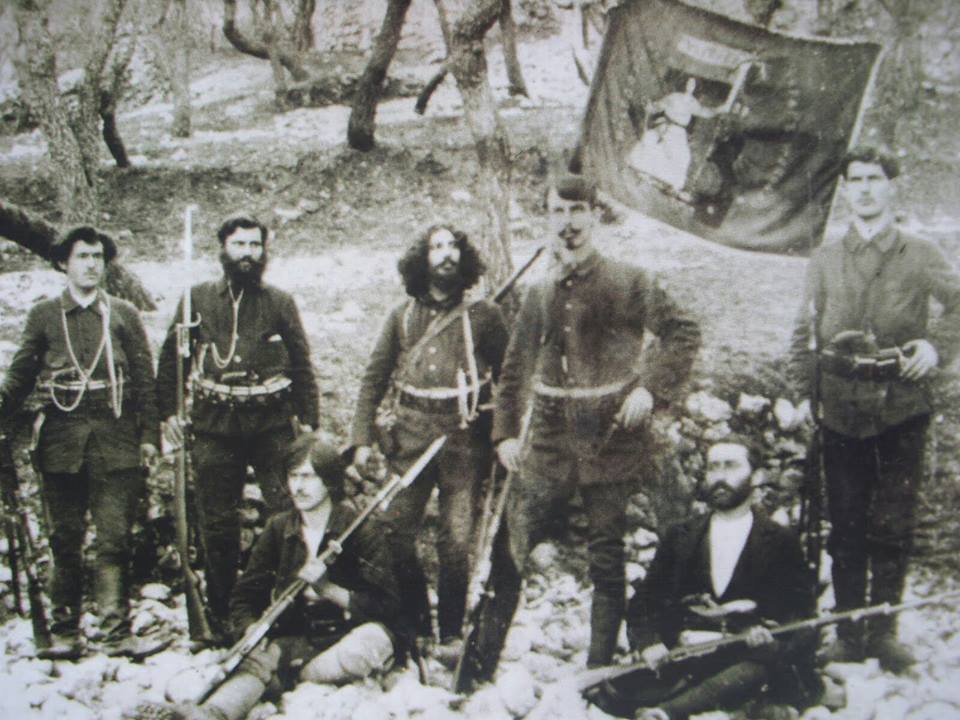
The Ohrid–Debar Uprising
During the Balkan War (1912–1918), Serbian and Greek forces occupied most of Macedonia without hindrance. Following the Tikveš Uprising, a large-scale uprising broke out in early September 1913, encompassing the Debar, Ohrid and Struga regions.
The Razlovtsi Uprising
In 1876, in the context of the April Uprising against the Ottoman Empire, the Razlovtsi Uprising, also known as the Malashevo Uprising, broke out in the Malashevo and Piyanets regions of Bulgaria. Preparations began in Thessaloniki in late 1875, when a revolutionary group led by Dimitar Popgeorgiev Berovski was formed from members of the Bulgarian Dawn society.

The Revolt of Dobromir and Leka
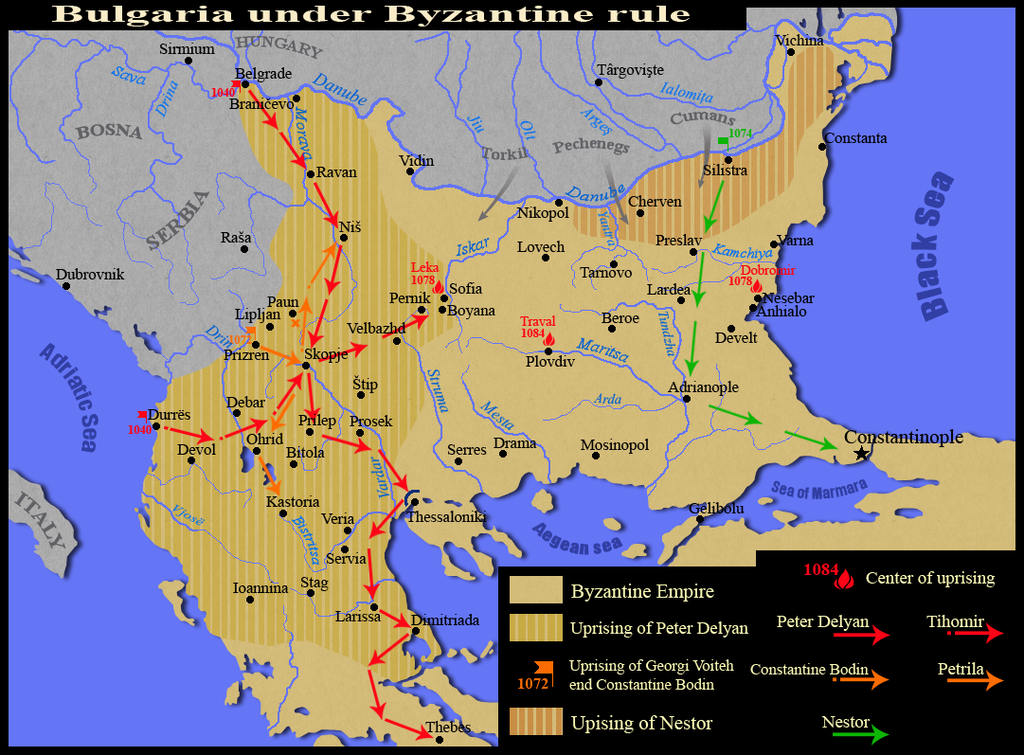
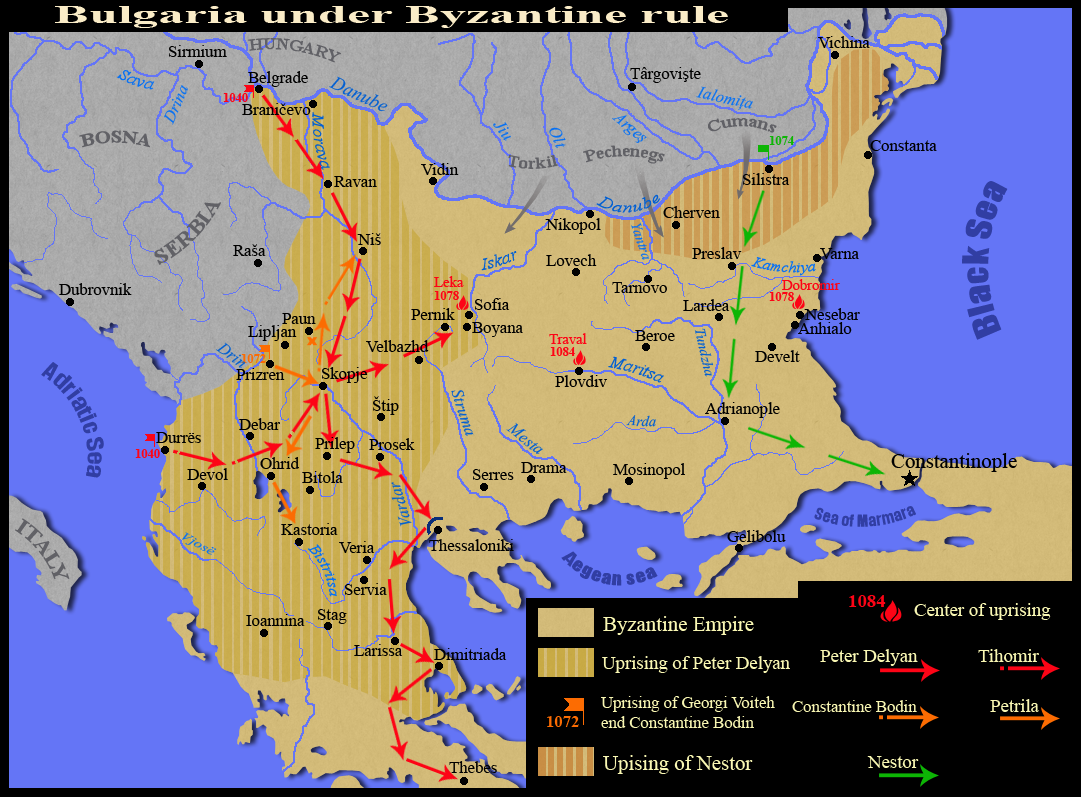
The revolts of Dobromir and Leka broke out as two independent rebellions in 1079. Dobromir's revolt began in Mesembria (Nessebar), at the same time as that of Leka, a leader from Plovdiv who captured the lands around Sredets.
The Revolt of Nikoulitzas Delphinas
In June 1066, the anti-Byzantine revolt of Nikoulitzas Delphinas broke out in Larissa, in Thessaly. Its background included Emperor Constantine X Doukas's tax increases and the appearance of Halley's Comet that spring, which frightened the population.
The Revolt of Peter and Boyan
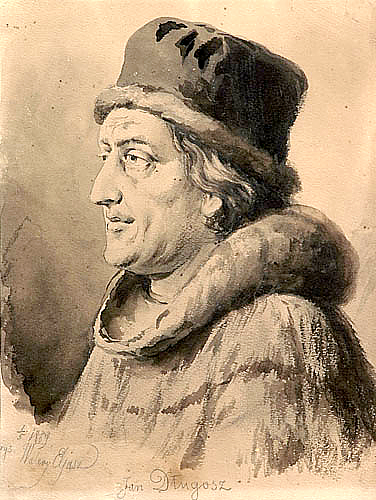
In the late tenth century, Peter and Boyan were Bulgarian boyars from the north-eastern Bulgarian lands, known for their activities recorded in Annales seu cronicae incliti Regni Poloniae by the Polish historian and geographer Jan Długosz. They played a key role in Bulgarian successes against Byzantium.
The Rhodope Uprising
The Rhodope Revolt, also known as the Rhodope Uprising or Sinclair's Revolt, was an armed movement of Turks and Pomaks against the Provisional Russian Administration in part of the Rhodope Mountains after the Russo-Turkish War of 1877–1878. It began in February 1878, involving remnants of Süleyman Pasha's army, which the Russians had defeated at the Battle of Plovdiv only a month earlier, and Turkish refugees.

