The Naousa Revolt

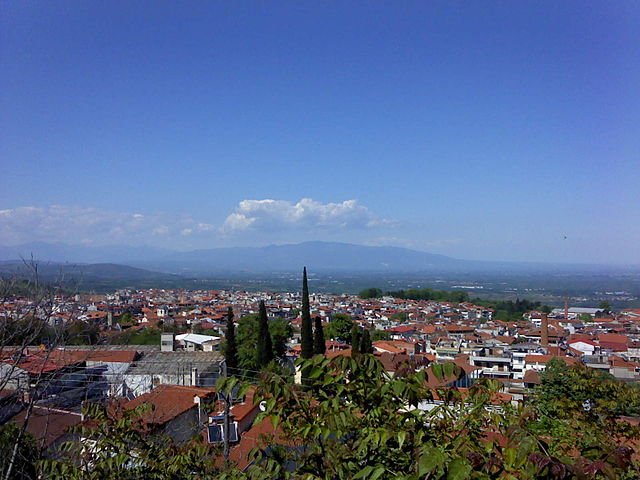
The Naousa Revolt
In 1705, an armed revolt by the Christian population against the devshirme, or blood tax, broke out in Naousa, a town in southern Macedonia known in Bulgarian as Negush. In March that year, the Janissary unit responsible for collecting the levy entered the town to take fifty Christian boys. The population refused to hand over their sons and gathered in the square, declaring: “We will not hand our sons over to the Muslims.” The rebels attacked and defeated the armed Janissaries, killing their commanding officer.
After this victory, the population formed a detachment of one hundred men, taking positions outside the town to defend it against possible attacks from neighbouring Muslim villages. The revolt spread, and the insurgents attacked Turkish villages nearby. Resistance lasted four months, during which the people of Naousa successfully opposed the Turkish units sent against them. Eventually, a special commander was dispatched from Constantinople and fought prolonged, fierce battles with a powerful army.
The revolt's leaders, Zisis Karadimos and his sons Vasil and Dimitar, were publicly hanged in Veria. After the revolt, the authorities abandoned collection of the blood tax. The Naousa revolt is described as the culmination of the struggle against the burdens imposed by the blood tax and remains a symbol of local resistance.
The Naousa revolt of 1705 ended with its suppression on 21 June 1705. Its leaders, Zisis Karadimos and his sons Vasil and Dimitar, were publicly hanged in Veria. As a result of the revolt, the authorities abandoned collection of the blood tax.
Share:


