The Revolt of Peter and Boyan

The Revolt of Peter and Boyan
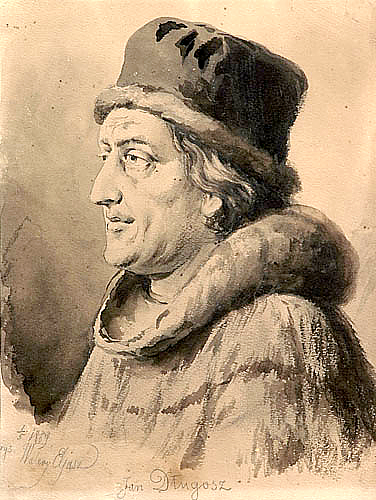
In the late tenth century, Peter and Boyan were Bulgarian boyars from the north-eastern Bulgarian lands, known for their activities recorded in Annales seu cronicae incliti Regni Poloniae by the Polish historian and geographer Jan Długosz. They played a key role in Bulgarian successes against Byzantium. After the devastating blow inflicted by the Rus' prince Sviatoslav I in 971, the Byzantines temporarily captured Preslav. Following Emperor John Tzimiskes' death in early 976 and the turmoil caused in Byzantium by the Mesopotamian governor Bardas Skleros's revolt against the young emperor Basil II, the Bulgarians began an offensive in the empire's Balkan provinces. The population of north-eastern Bulgaria rose in rebellion and cast off Byzantine rule after Tzimiskes' death. Peter and Boyan, local boyars, played a key role, linking the Cometopuli with the north-eastern Bulgarian lands.
During the revolt, the Byzantine governors were expelled, and the population recognised the authority of the Cometopuli, the brothers Moses, David, Aaron and Samuel, who jointly governed Bulgaria in the name of Tsar Boris II, held captive in Constantinople. After 976, Peter and Boyan thus liberated north-eastern Bulgaria and the adjoining territories north of the Danube, which remained under Bulgarian rule until 1001.
During the revolt, the Byzantine governors were expelled, and the population recognised the authority of the Cometopuli, the brothers Moses, David, Aaron and Samuel, who jointly governed Bulgaria in the name of Tsar Boris II, held captive in Constantinople. After 976, Peter and Boyan thus liberated north-eastern Bulgaria and the adjoining territories north of the Danube, which remained under Bulgarian rule until 1001.
Share:


