The Kavarna Uprising

The Kavarna Uprising
The Kavarna Uprising unfolded from 25 June to 24 July 1877 as an act of self-defence by the inhabitants of Kavarna and nearby villages against advancing bashi-bazouks, local Turks and Circassian cavalry. In response, the Ottoman government sent a force of 3,000 irregular soldiers to Dobruja, claiming its purpose was to “protect the Muslims”. These troops, however, operated without coordination with Turkish command, devastating settlements and turning the territory into a wasteland.
After Russian troops landed on 22 June 1877, bashi-bazouks, Circassians and Turks began devastating Bulgarian villages in Dobruja. The first attacks targeted Bashkoy and Malak Gargalak, where the Bulgarians resisted but were forced to withdraw after fierce fighting. Attacks in Ruse followed.
The devastation and killing of Bulgarians became widespread in villages such as Shabla, Bozhanovo, Bozhurets, Gyaur Suyutchuk, Vaklino, Velkovo, Chernomortsi, Gargalak, Gorichane, Gyaur Kuyusu, Ezerets, Krapets, Krupen, Mogilishte, Primortsi, Smin, Tvarditsa, Trigortsi and Tsarevets, as well as the towns of Balchik and Ruse. These attacks brought massacres, violent destruction and the burning of entire areas inhabited by Christians, causing many deaths and forcing people from their homes.
On 7 July, more than 3,000 men besieged Kavarna, where local residents barricaded themselves in and prepared their defence. Resistance leaders included the Kavarna notable Andrey Vasilev Dimitrov, known as “Amira”, Petar the cloth-worker from Tarnovo, Zhecho Krachitala, P. H. Todorov and others. Initially, the town's Turkish population supported the residents against the siege, but after rumours of a Russian advance they evacuated, leaving the few Muslims remaining in the town to join the attackers.
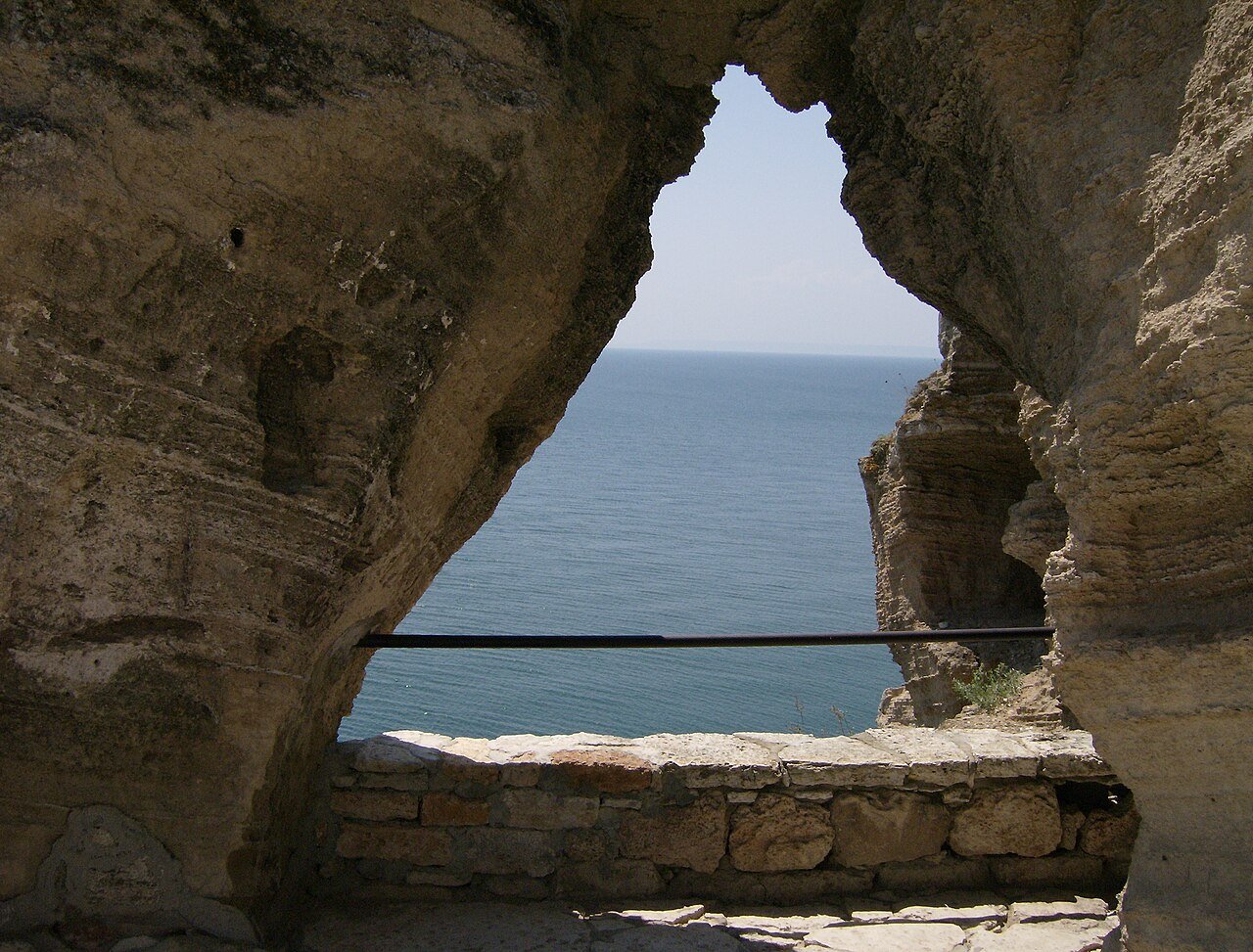
Kavarna fell on 24 July after an intense siege. Before this, the Bulgarians had refused evacuation, preferring to fight where they were or head towards Mangalia to meet the Russian troops. The consuls from Varna reached Kaliakra, where they found several hundred Bulgarians still resisting. When the ship returned on 27 July, however, the fortress was empty. A massacre in Shabla and the enslavement of Bulgarians to the south followed these events.
Hundreds of Bulgarians were killed, and thousands were expelled and deported from their homes, becoming refugees. Russian forces liberated Kavarna from Turkish rule on 4 February 1878.
Share:


