Battles

302 results
Bulgarian–Hungarian War of 1202–1203
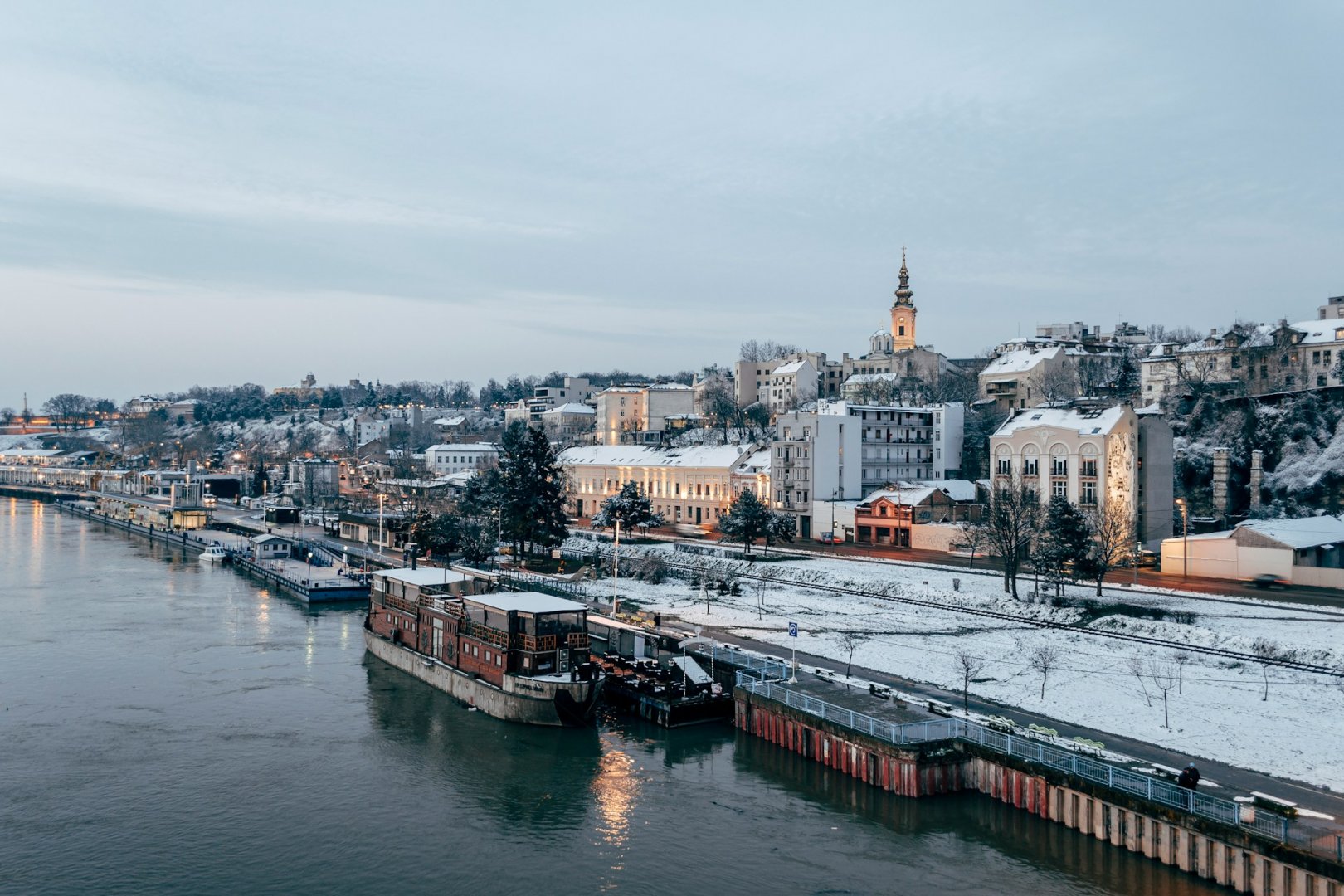
In 1202, King Imre, or Emeric, of Hungary attacked Bulgarian territory and captured Belgrade, Braničevo and Niš. Niš was granted to the Serbian prince Vukan Nemanjić.
Byzantine Attack
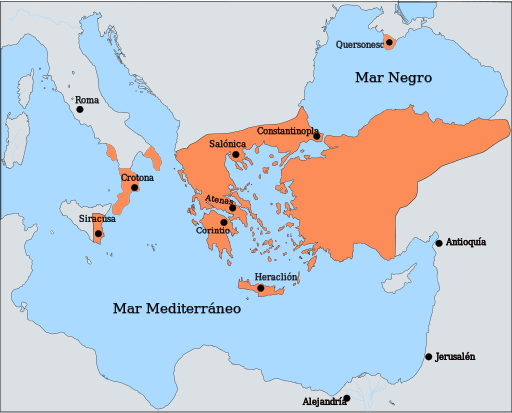
After a successful campaign against the Arabs on land and at sea, Byzantine forces turned towards Bulgaria and attacked it. Earlier that year, a devastating earthquake had struck the country, weakening the Bulgarians and bringing a year of famine.

Byzantine campaign against the Pechenegs
The Byzantine army advanced north of the Balkan Mountains and besieged fortified Pecheneg forces in Veliki Preslav. After a fierce battle, the Byzantines suffered a major defeat and were forced to conclude a 30-year agreement with the Pechenegs, who had settled in the empire's Balkan territories.
Byzantines capture Diampolis
Bulgarian detachments raided Thrace. In response, the Byzantines captured Diampolis but lacked the strength to hold it.
Byzantines capture Plovdiv
A Byzantine detachment captured Plovdiv after Ivan Rusina's successful four-month defence. When Bulgarian reinforcements arrived, the fortress's defenders went out to meet them and stayed in their camp overnight.
Campaign against the German Kingdom
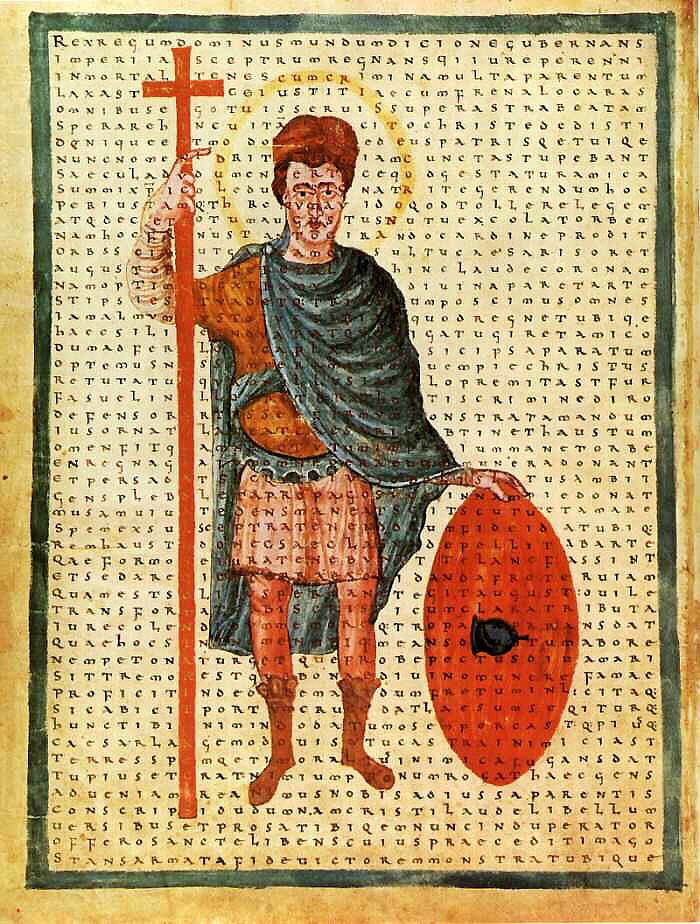
In 853, relations between Boris I and Louis the German, king of the German Kingdom, deteriorated sharply. Bulgaria, allied with the Moravians, launched an attack against the German Kingdom.
Capture of Adrianople
The Bulgarian army under Tsar Samuel captured Adrianople (Edirne). While the Byzantine army was concentrated on the siege of Bdin (Vidin), the Bulgarians quickly reached Thrace.
Capture of Voden fortress
Byzantine troops captured Voden fortress after the Bulgarians refused to submit to the emperor. The fortress was burned and its defenders deported.
Catalans attack Alans in Bulgarian territory
The Catalans attacked Alans settled in Bulgarian territory, killing the men and abducting the women, whom they sold in the markets of eastern Thrace.
Conflict in the Avar Khaganate
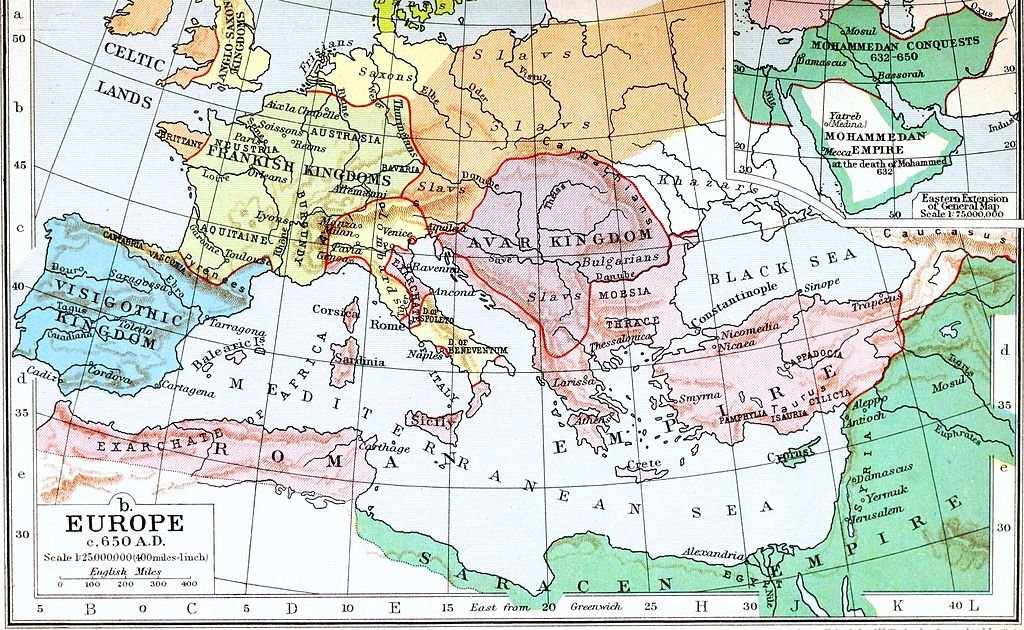
The Avar Khaganate was a state ruled by the Avars, who appeared in Central Europe in the sixth century. In 567, the Avars conquered Pannonia, encompassing present-day Hungary, Austria and parts of the former Yugoslavia.
Conquest of the Keramision Plain
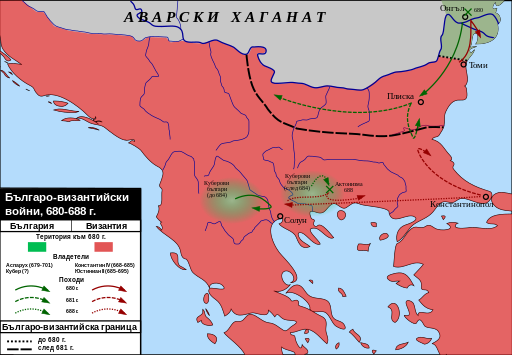
In 680, Khan Kuber, leading an alliance of Bulgars, Slavs and Avars, launched an offensive against Byzantine territory and succeeded in capturing the Keramision Plain, a strategically important area in the southern Balkan Peninsula. Uniting the different ethnic groups under his command, he conducted swift, well-coordinated operations that enabled him to overcome Byzantine resistance and establish control over this key territory.
Crossing of the Troyan Detachment
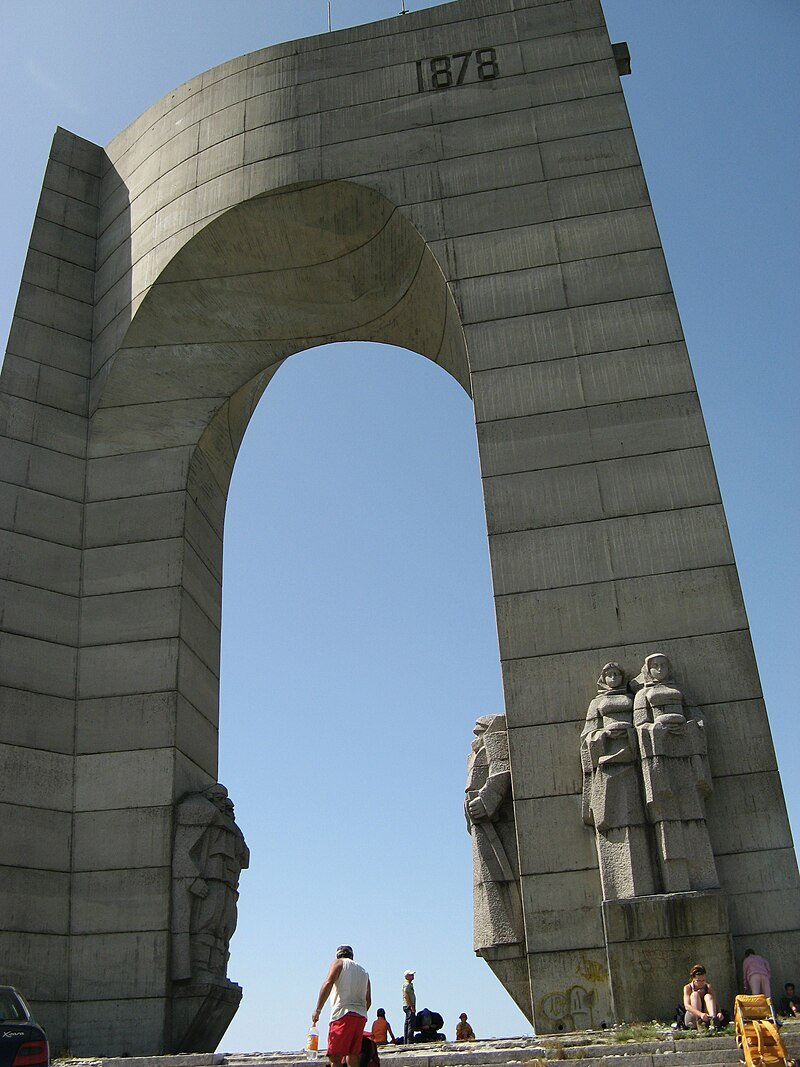
In December 1877, Lieutenant General Pavel Kartsov's Troyan Detachment was ordered to cross the Balkan Mountains through Troyan Pass by 24 December. This hazardous manoeuvre in severe winter conditions was intended to demonstrate vigour and strength.
Death of Hristo Botev
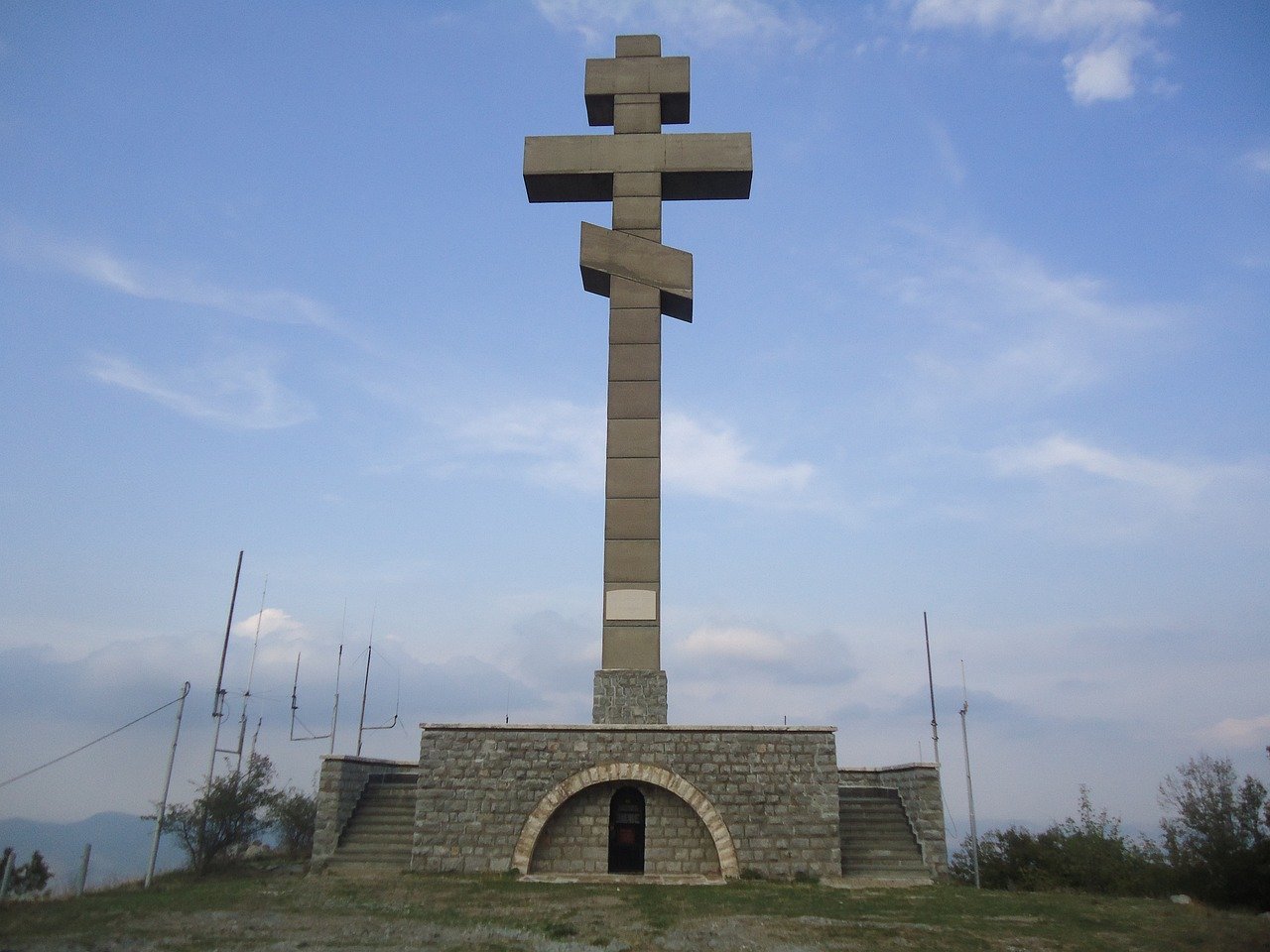
Botev's band headed towards Vola Peak and then towards Okolchitsa, Kupena and Kamarata. Surrounded on three sides, the men fought all day.
Defeat at the River Vardar
Tsar Samuel's Bulgarian army was defeated in a battle at the River Vardar. The two armies stood on opposite banks, but because the river was swollen, Samuel dismissed the threat and did not prepare his troops for battle.
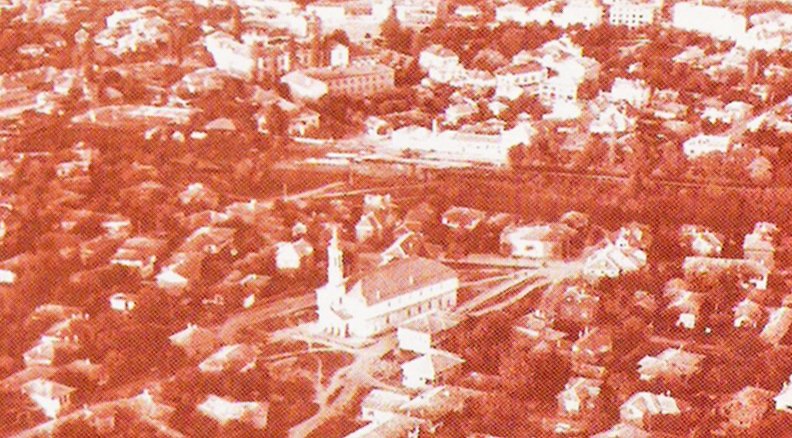
Eski Dzhumaya massacre
The Eski Dzhumaya massacre was a terrible event in Bulgarian history that took place shortly before the town's liberation from Ottoman rule. On 27 January 1878, as the Russian army approached, Turks and Circassians led by Kazali Yusuf, Kyuchuk Ali and Dzhun Ahmed began forcing out the Bulgarian population gathered in the town and neighbouring villages.
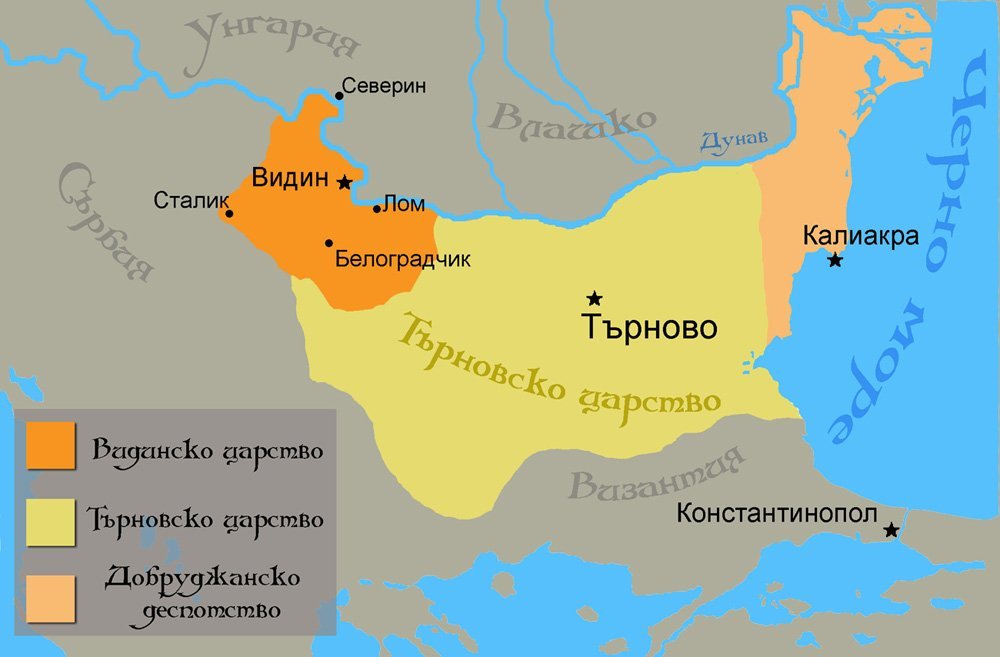
Fall of the Tsardom of Vidin
In 1396, King Sigismund I of Hungary decided to organise a crusade against the Ottoman Turks. During this campaign, when his army reached Vidin, Ivan Sratsimir opened the fortress gates to the crusaders with King Sigismund's agreement.
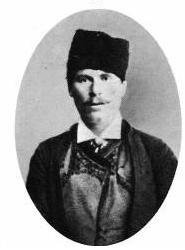
Fierce battle fought by Stoil Voyvoda
Near Neykovo in the Kotel region, Stoil Voyvoda's band fought a fierce battle against Turkish troops. Stoil was wounded.
Fighting at Dryanovo Monastery
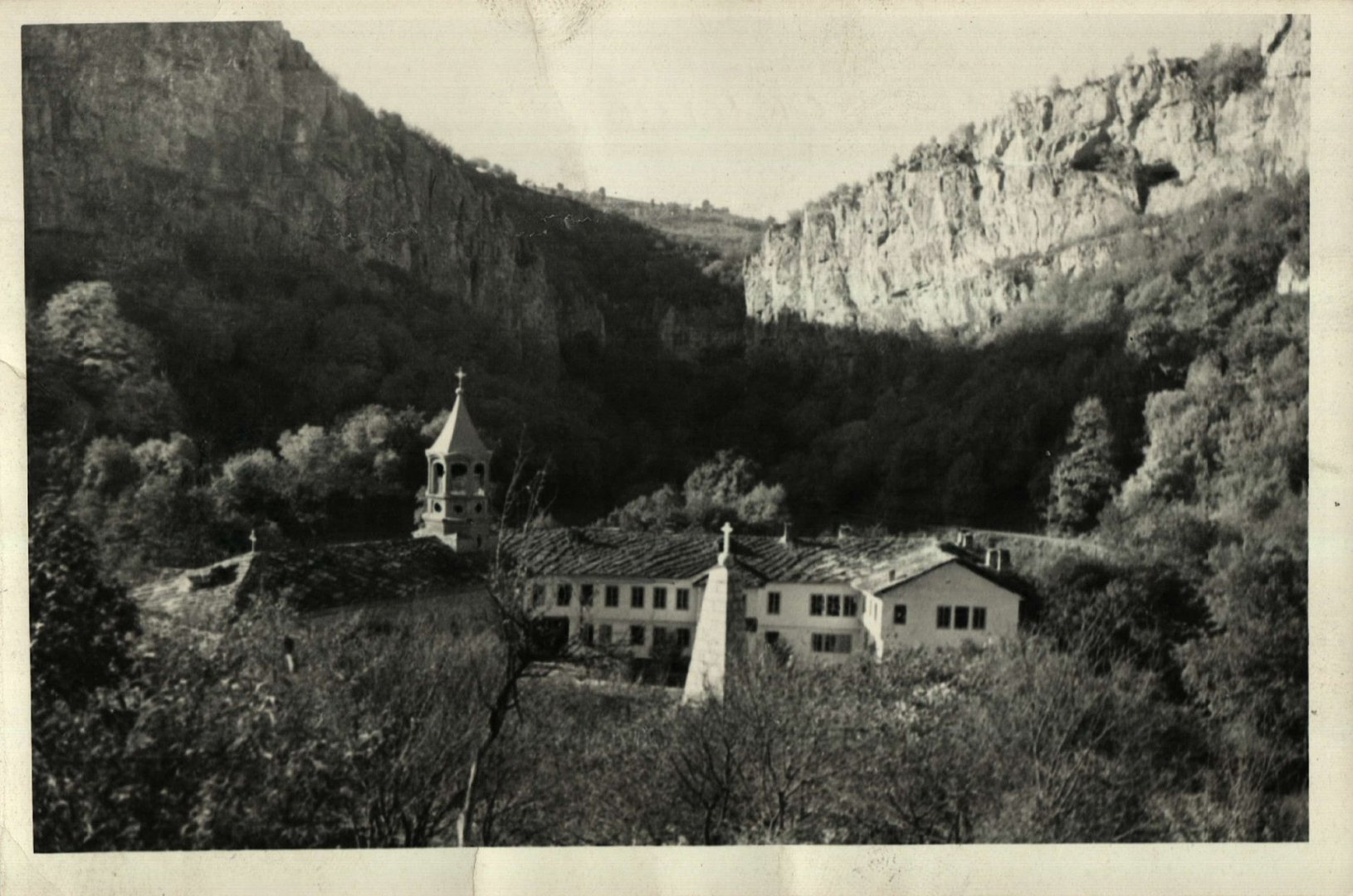
Bratsigovo was surrounded by about 18,000 men. Artillery joined the attacks against Father Hariton's band, which was defending Dryanovo Monastery.
Fighting in the Sevlievo region
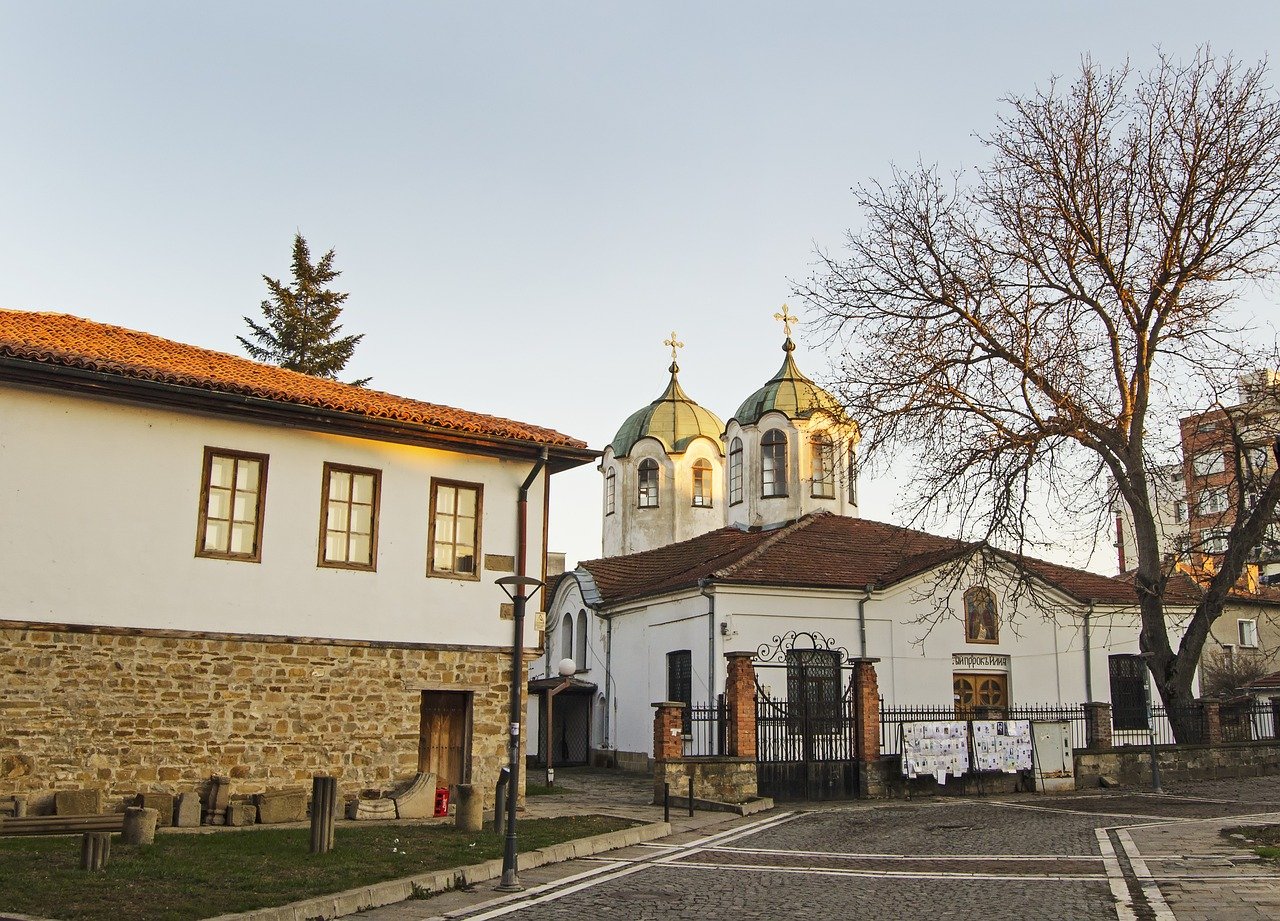
The Battle of Sevlievo formed part of the opening phase of the Russo-Turkish War of 1877–1878 and Russia's strategic planning. The aim was to cover the flank of the advancing Russian troops and fill the administrative vacuum in territory liberated from the Ottomans.
Final Battle of Thessaloniki
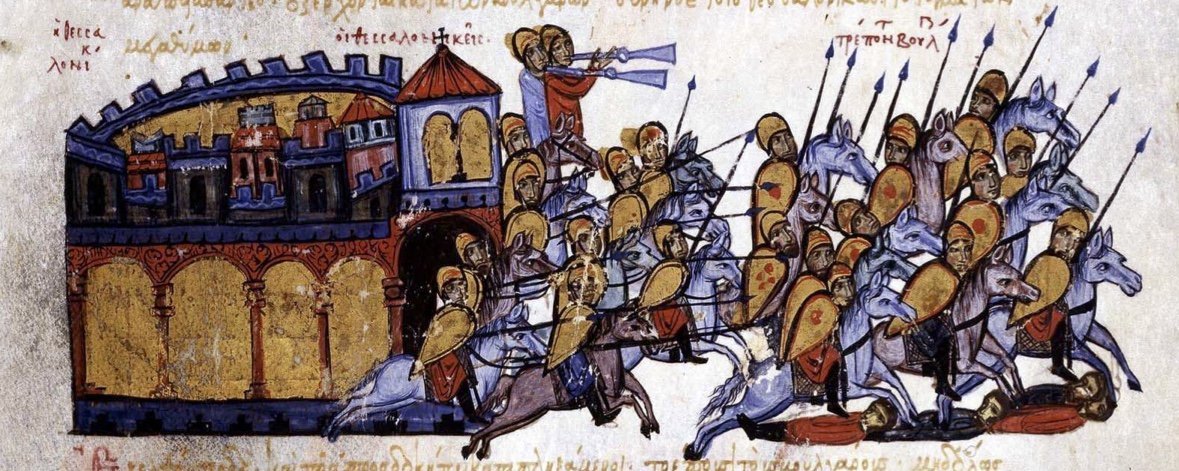
News of the success of Peter Delyan's uprising, which began in Belgrade in early 1040, quickly reached Armenia, where many Bulgarian nobles had been settled after the fall of the First Bulgarian Empire in 1018. The most influential of them was Alusian, the second son of the last Bulgarian tsar, Ivan Vladislav.
First assault on Pleven
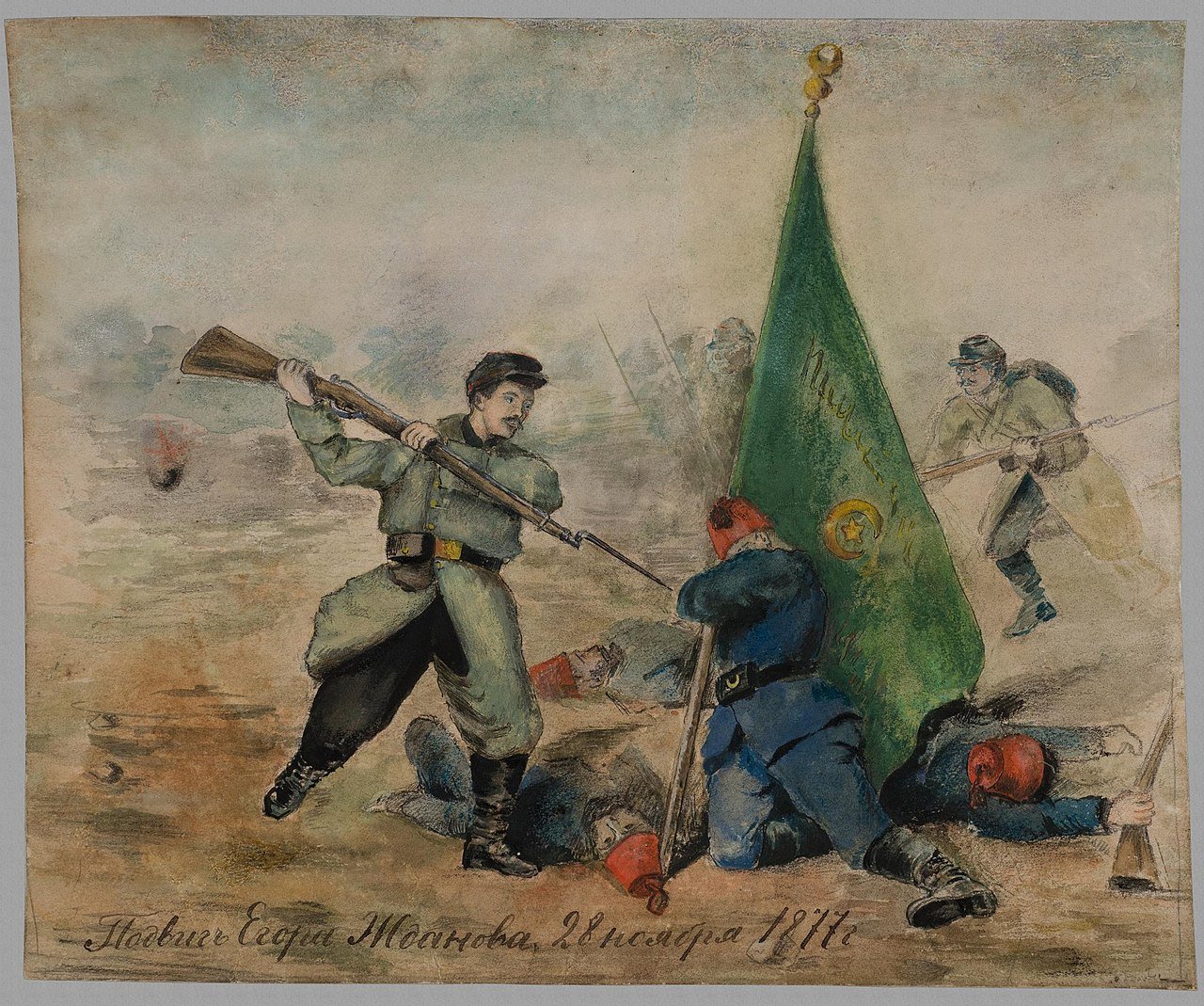
The first assault on Pleven, beginning on 7 July 1877, opened one of the bloodiest struggles of the Russo-Turkish War of 1877–1878. On learning that the Russian army had captured Nikopol, Ottoman troops under Osman Pasha marched towards Pleven.
First Battle of Çatalca
The Çatalca operation was one of the fiercest engagements of the Balkan War. Bulgarian troops commanded by Lieutenant General Radko Dimitriev attempted to break through the defensive line of the Ottoman Çatalca Army, which guarded the approaches to the capital, Istanbul.
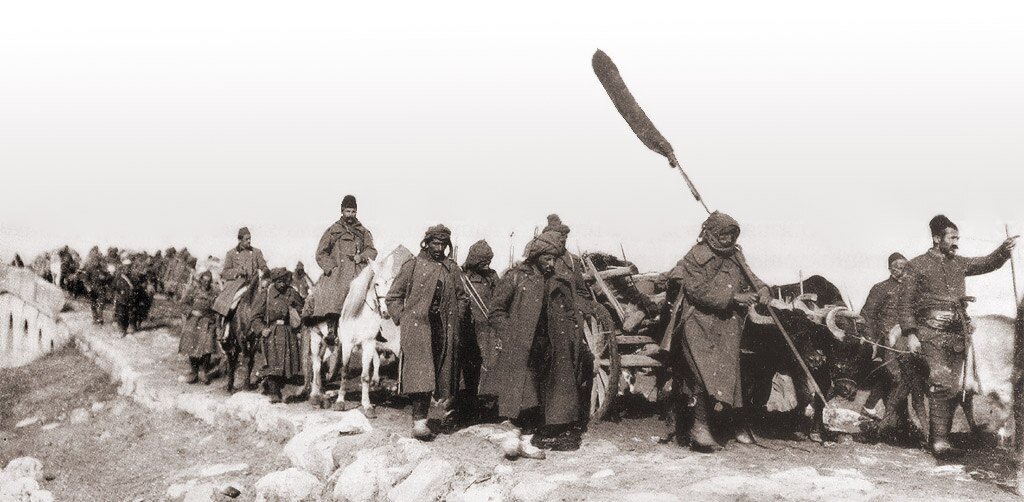
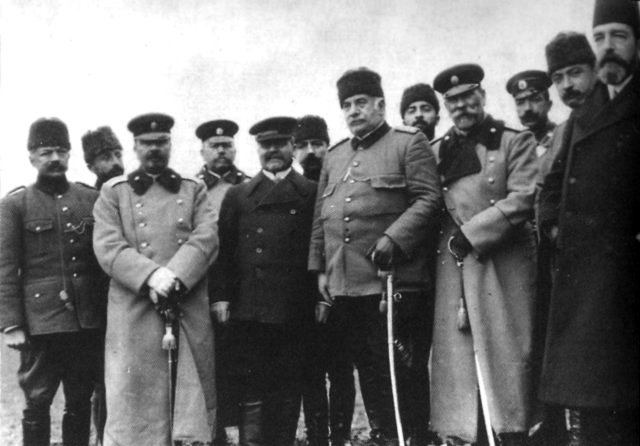
Fourth Battle of Çatalca
The Battle of Çatalca, fought from 11 to 18 March 1913, was the fourth and final battle between Bulgarian and Ottoman troops before Çatalca. In the previous battle there, the Bulgarians had retained control of Eastern Thrace.
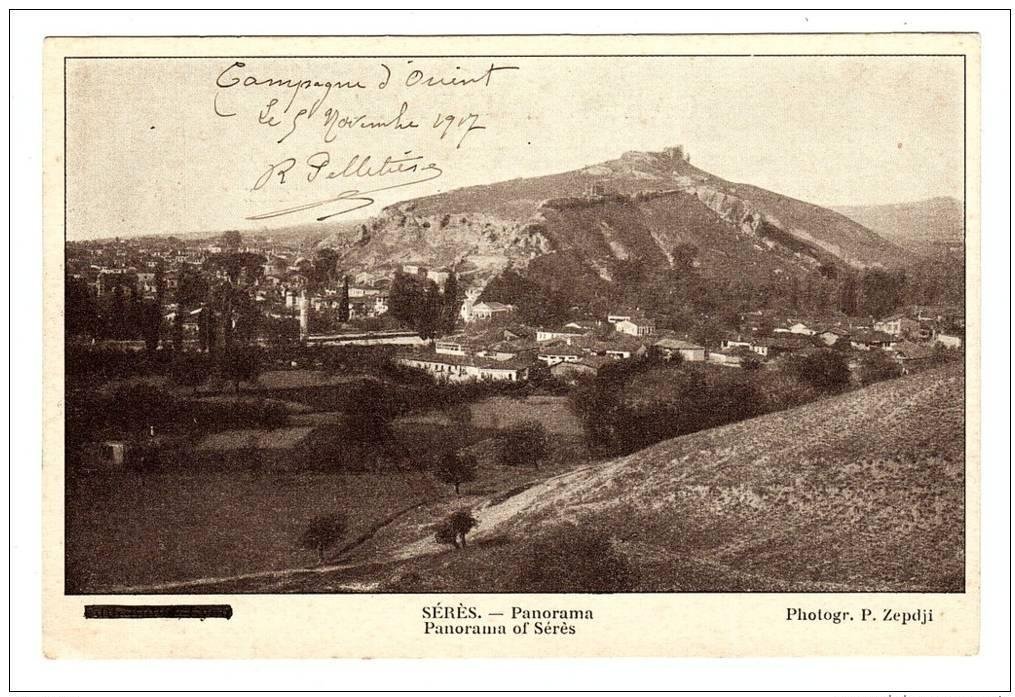
Fourth Battle of Serres
In 1371, Serres became the capital of the Principality of Serres, which was ruled by Empress Helena of Bulgaria. The Ottoman advance against Bulgaria, which had already conquered the lands of Thrace, the Rhodope Mountains and Sofia, also passed through it.