Conflict in the Avar Khaganate


Conflict in the Avar Khaganate
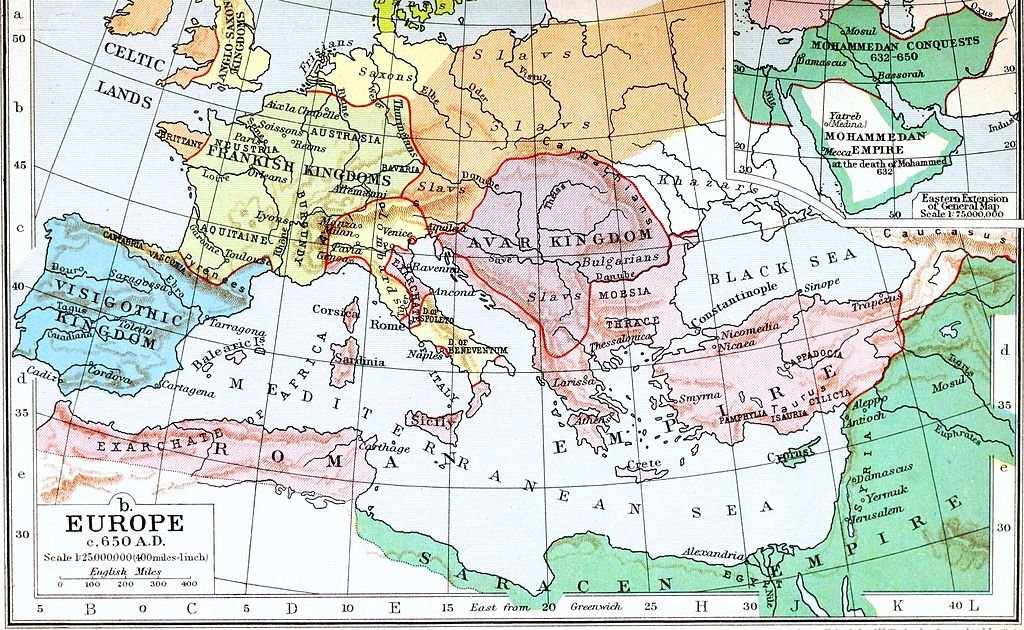
The Avar Khaganate was a state ruled by the Avars, who appeared in Central Europe in the sixth century. In 567, the Avars conquered Pannonia, encompassing present-day Hungary, Austria and parts of the former Yugoslavia. On this conquered territory they established their powerful state, called a khaganate. The Avar Khaganate quickly became a major regional power, known for its military skills and conquests. It emerged as a durable military force that frequently captured and subjugated neighbouring empires and tribes.
In 631–632, a struggle for supreme power arose in the state between Bulgar and Avar khans. This conflict escalated into a war between Bulgars and Avars.
The war ended in an Avar victory. About 9,000 Bulgars were expelled from the state and sought refuge in Bavaria. There, however, orders were given for them to be executed during the night. Only 700 people from Khan Altsek's tribe escaped the massacre. They managed to flee and resettle in the lands of present-day Italy. Khan Kubrat became supreme military leader of the Bulgar tribes in the Black Sea steppes. Under his leadership, the tribes defended and won their independence and founded an autonomous state remembered as "Old Great Bulgaria".
Share:


