Battles

302 results
Battle of the Ural
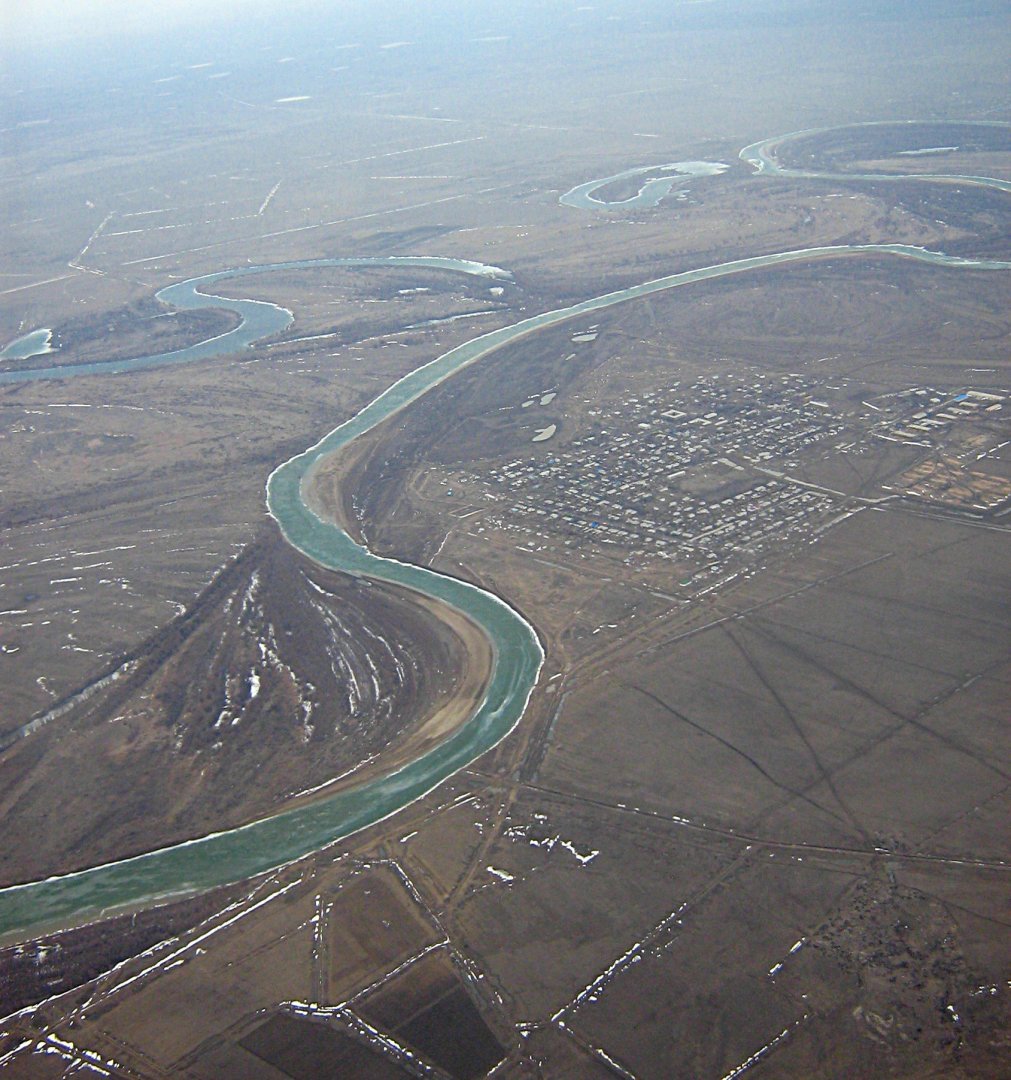
In 1223, after defeating the Rus' and Cuman/Kipchak forces at the Battle of the Kalka, the Mongol army under Generals Subutai and Jebe was sent to subjugate Volga Bulgaria. At the time, Genghis Khan's troops were considered invincible.
Battle of Tsarevets
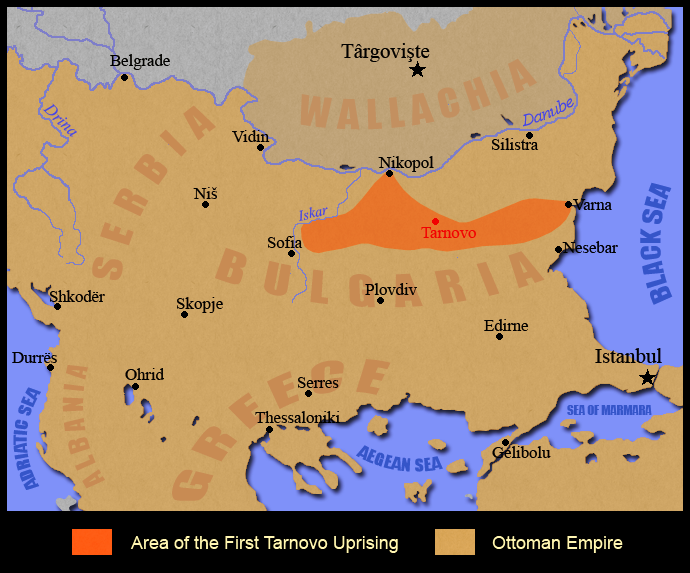
The Battle of Tsarevets in 1598 was a successful attempt by Bulgarian insurgents to seize Tsarevets fortress during the First Tarnovo Uprising. The uprising broke out in 1598 after Wallachian detachments defeated a local Ottoman force near Silistra.
Battle of Varna
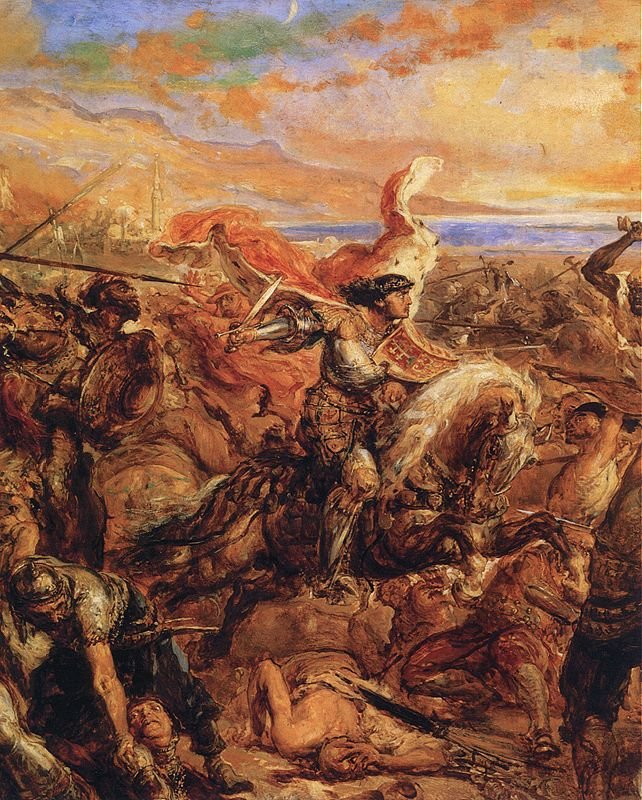
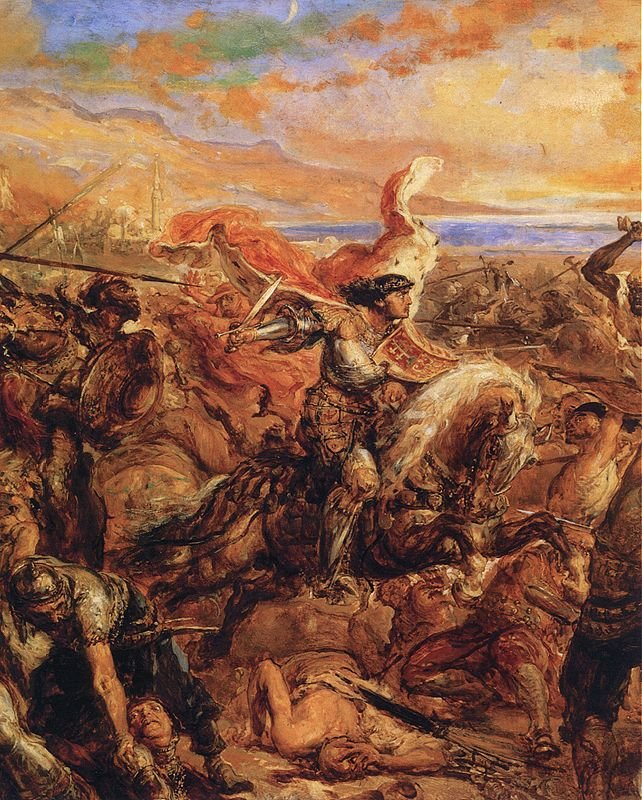
The Battle of Varna, fought on 10 November 1444, was an important engagement in Balkan and medieval European warfare. The source describes this as the last major crusade before the Battle of Varna.
Battle of Varna
In 1369, Tsar Ivan Alexander decided to grant Varna to Dobrotitsa, the despot of Dobruja, in gratitude for his support in restoring Vidin to the Bulgarian state. Following this gesture by the tsar, Varna became the capital of Despot Dobrotitsa and subsequently of his son Ivanko Terter.
Battle of Varna
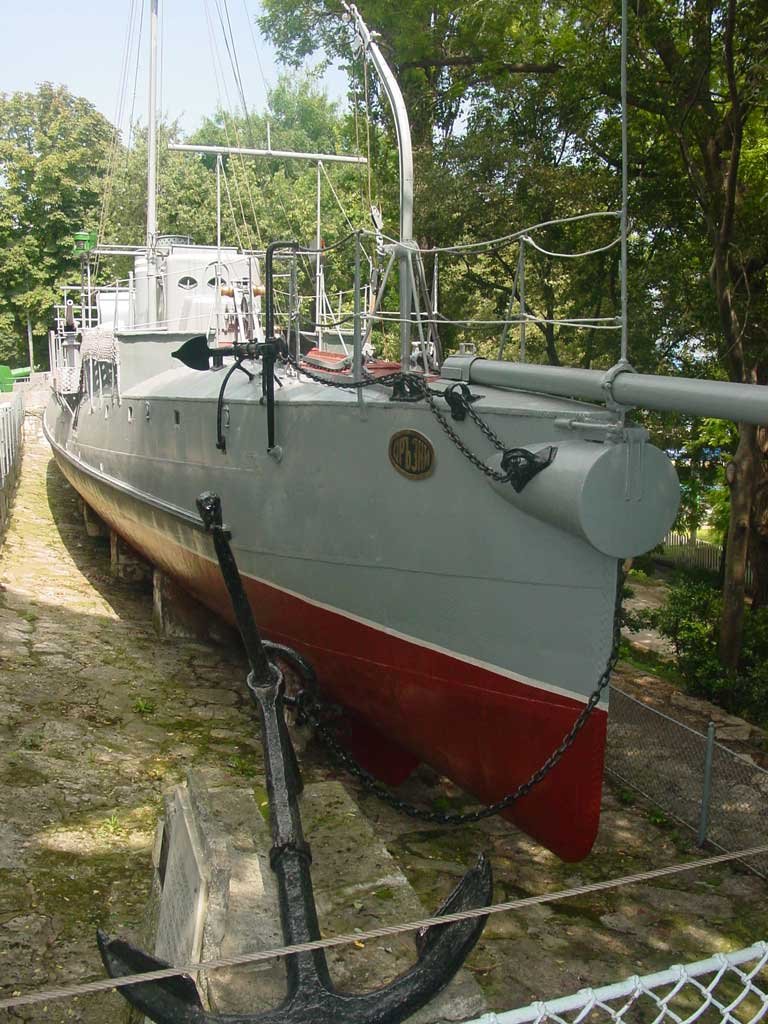
The battle was fought between Bulgarian and Ottoman warships. Following their earlier defeats at Lozengrad, Lüleburgaz and Bunarhisar, the Ottomans tried to obtain military supplies.
Battle of Velbazhd
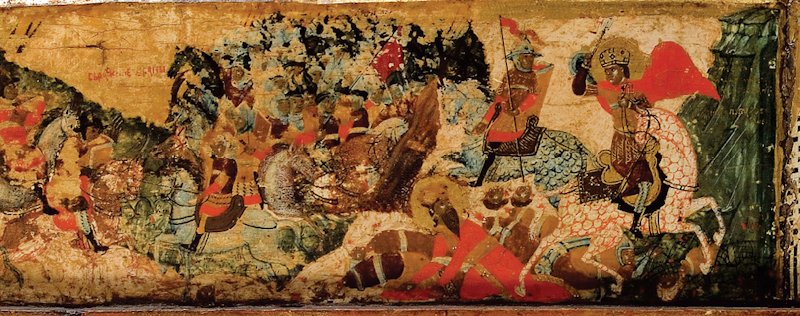
The Battle of Velbazhd was part of the Bulgarian–Serbian wars. While Bulgaria and Byzantium were at war, the Kingdom of Serbia conquered lands belonging to both states.
Battle of Vratsa
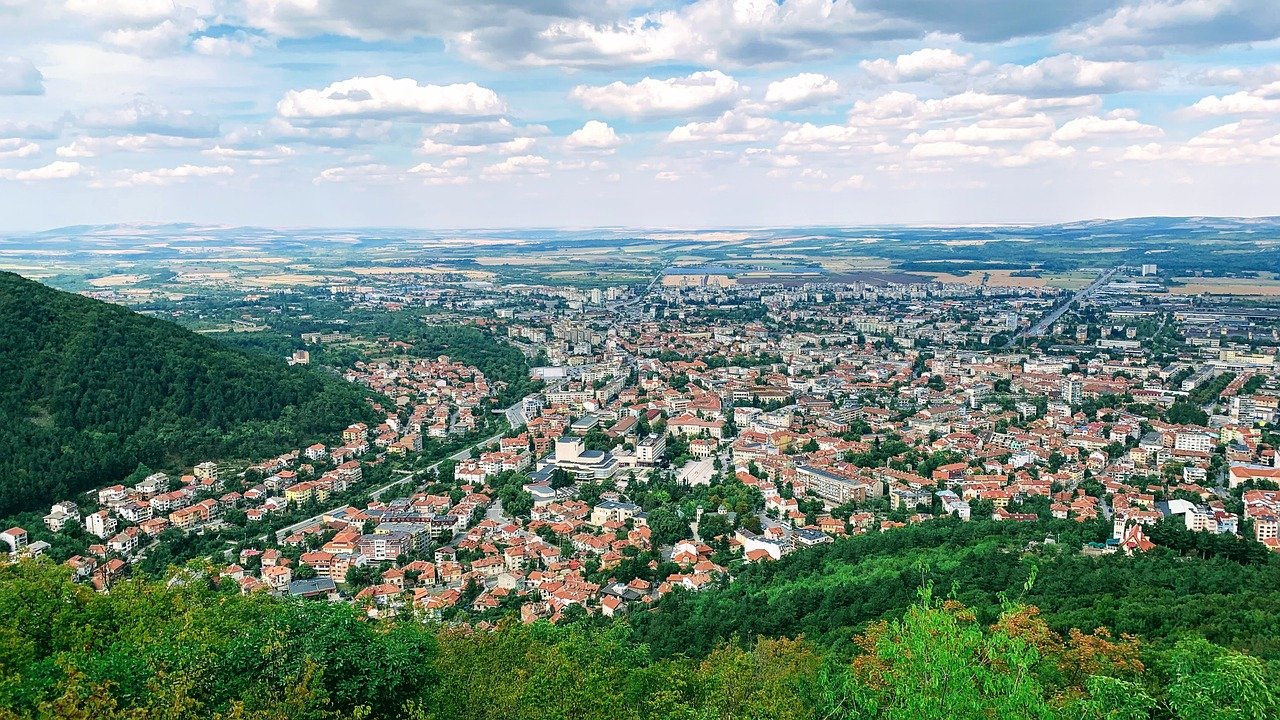
The Battle of Vratsa was an operation by the Western Detachment that captured the town, which had become a centre for forming the Orhaniye Army after the third assault on Pleven. Following the failed assaults on Pleven and its encirclement, Vratsa gained operational importance.
Battle of Zemen
The Battle of Velbazhd was part of the Bulgarian–Serbian wars. While Bulgaria and Byzantium were at war, the Kingdom of Serbia conquered lands belonging to both states.
Battles along the Drava
Khan Omurtag sent an envoy to the Frankish court three times, proposing that the border between the two states be clarified, but without success. He then advanced into Frankish territory along the Drava.
Battles at Mesembria, Adrianople and Buleburgas
In 816, the Byzantine emperor advanced against Krum's lands to recover territories conquered by the Bulgarians. He first recaptured Mesembria, then Adrianople, Buleburgas and several other fortresses.
Battles in Thrace
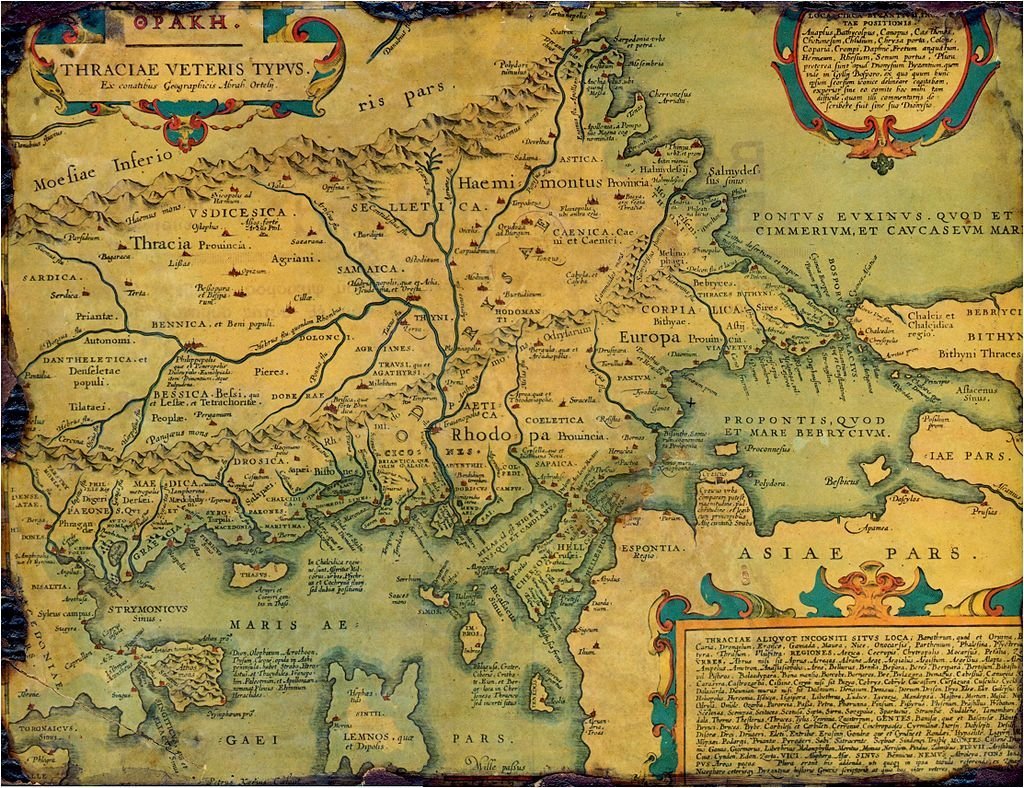
In 493, Bulgars invaded Byzantine territory south of the Danube. A major fire had recently occurred in Constantinople.
Battles of Hadzhi Dimitar and Stefan Karadzha
The band of Hadzhi Dimitar and Stefan Karadzha, numbering about 127 men, crossed into Bulgaria near Vardim in the Svishtov region. They fought a fierce engagement near Vishovgrad.
Bloody Christmas
Bloody Christmas, or Krvav Bozhik, was a campaign of political repression in January 1945, part of the political terror in the Socialist Republic of Macedonia. People with an openly Bulgarian national identity were killed or abused without trial.
Boril and Theodore I campaign against the Byzantines
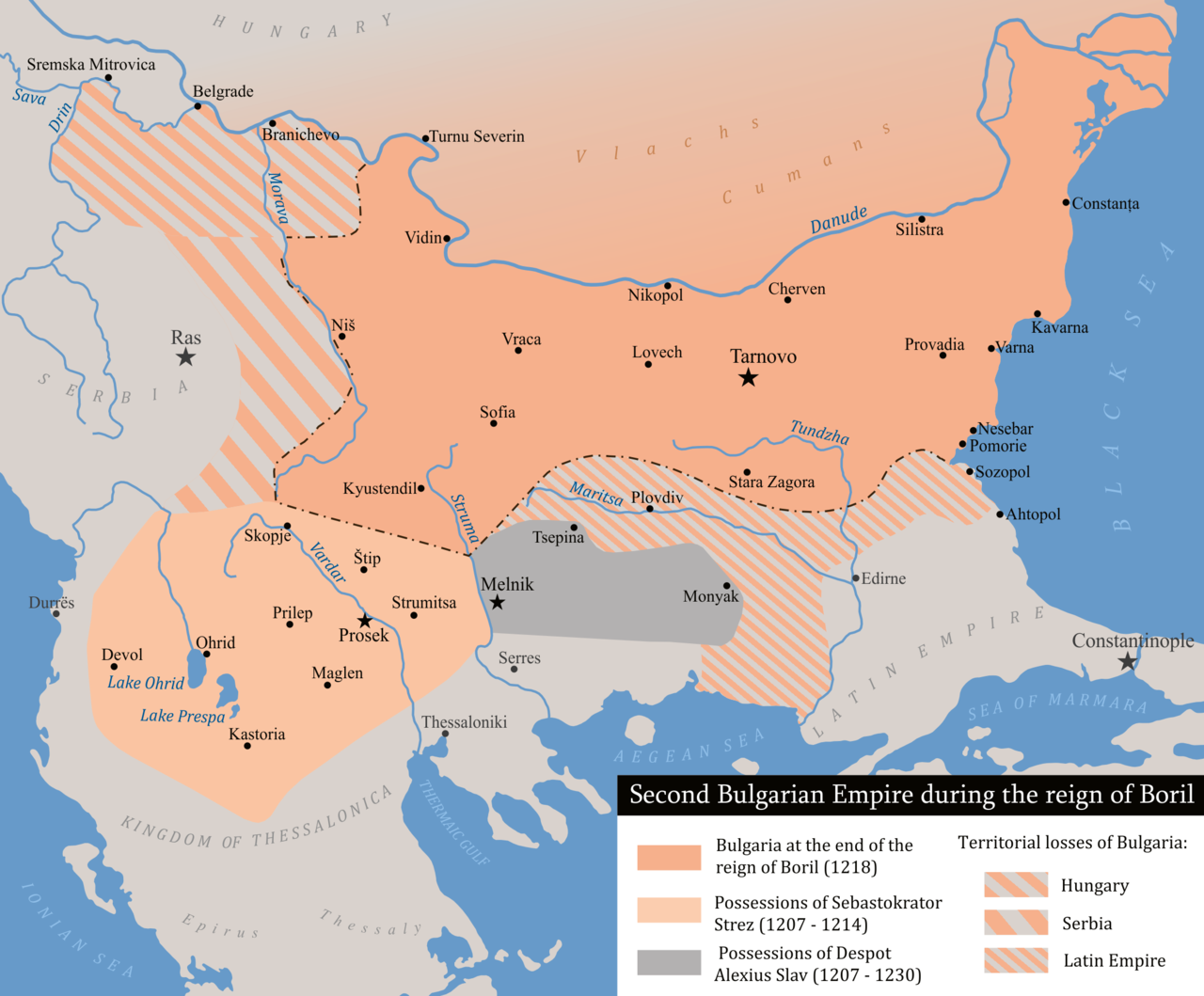
Tsar Boril of Bulgaria and Emperor Theodore I Laskaris formed an alliance to wage war against Constantinople. The Byzantines threatened the city by sea, while the Bulgarian army advanced overland.
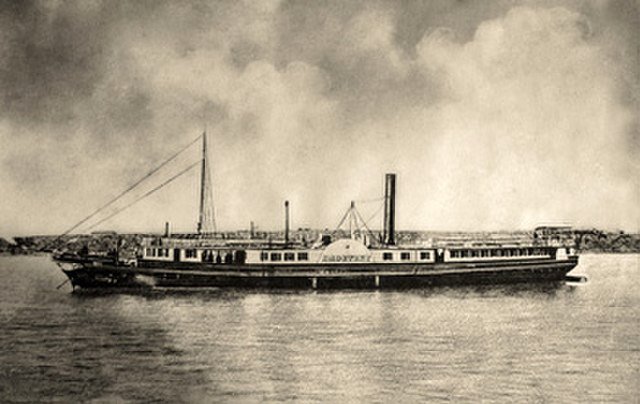
Botev's band seizes the Radetzky
Botev's band seized the Radetzky. At about noon, as the steamer approached Kozloduy, the men put on their insurgent uniforms at their commander's signal and forced the crew at gunpoint to stop on the Bulgarian bank.
Boyadzhik massacre: the Bloody Horo
The Boyadzhik massacre of 1876, also known as the Bloody Horo, was one of the largest massacres of Bulgarians during Ottoman rule. On 11 May 1876, villagers gathered in the churchyard to honour Saints Cyril and Methodius.
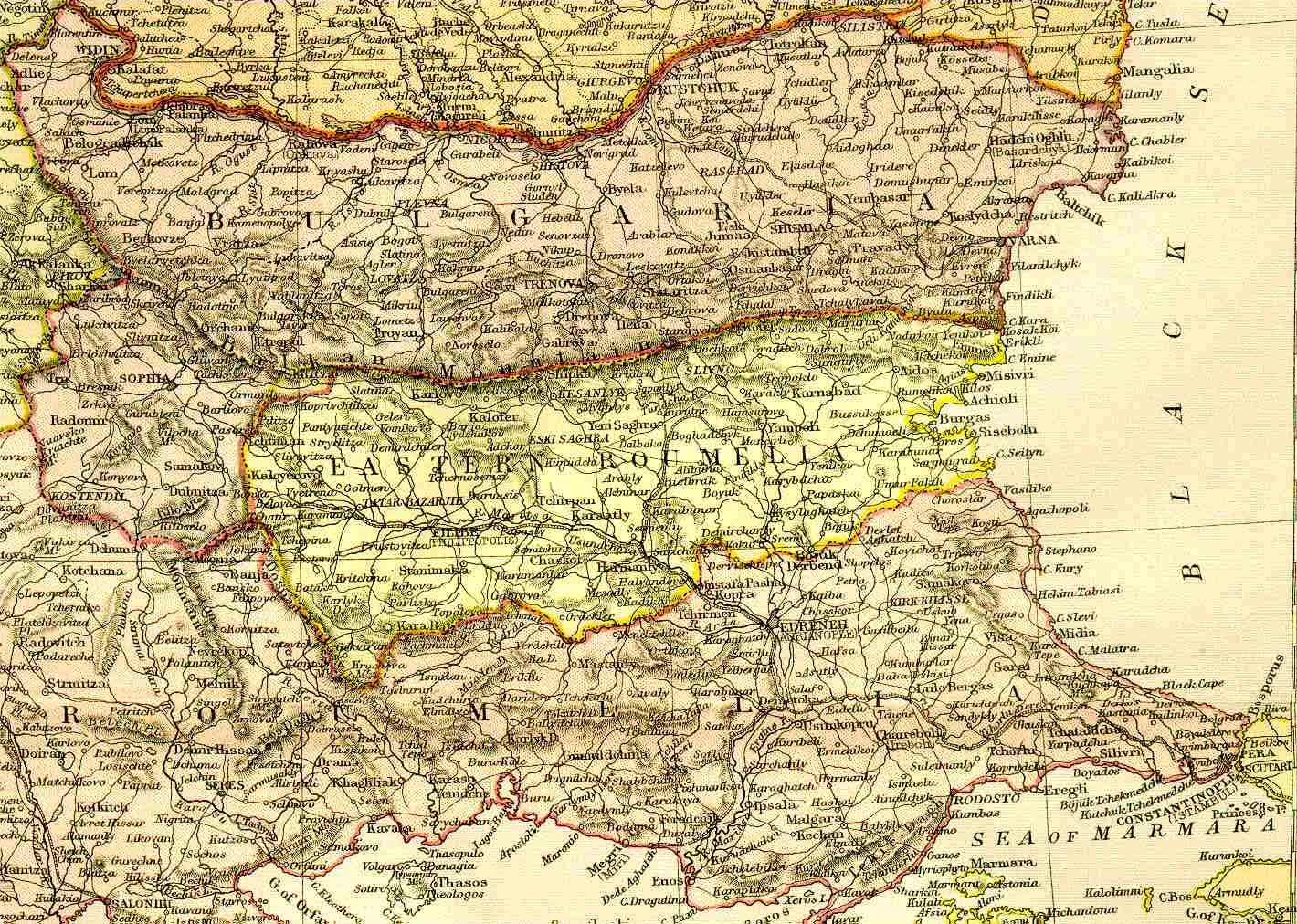
Bregovo Incident
The Bregovo Incident, also called the Bregovo Crisis or Bregovo Question, was an incidental battle between the Kingdom of Serbia and the Principality of Bulgaria that caused a lasting deterioration in their relations. It concerned disagreement over which country should possess the lands around the Timok River, the natural border between the two states.
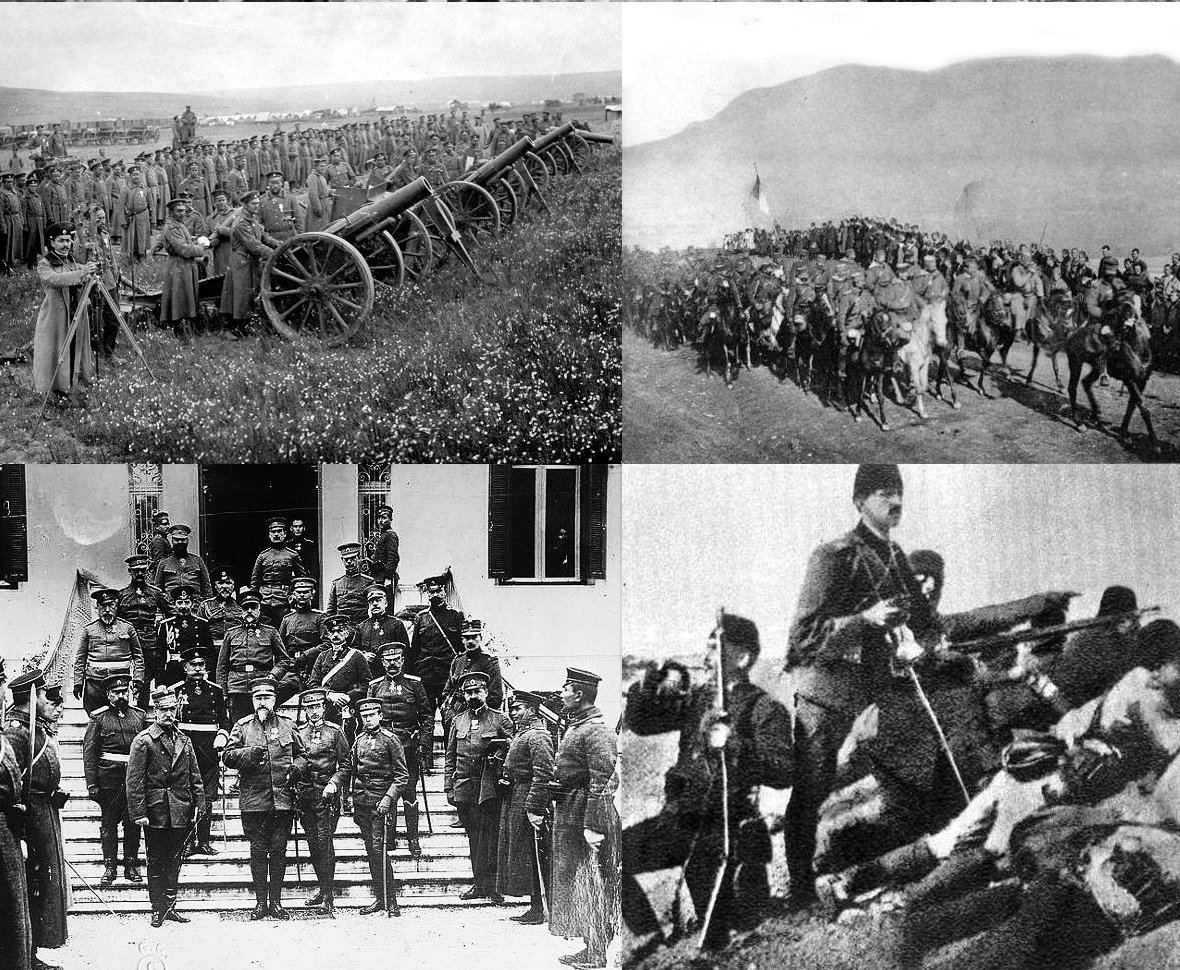
Bulgaria in the First Balkan War
Bulgaria played a central role in the First Balkan War as a leading member of the alliance against the Ottoman Empire. The alliance of Bulgaria, Serbia, Greece and Montenegro sought to liberate Balkan peoples from Ottoman rule and establish a new regional order.
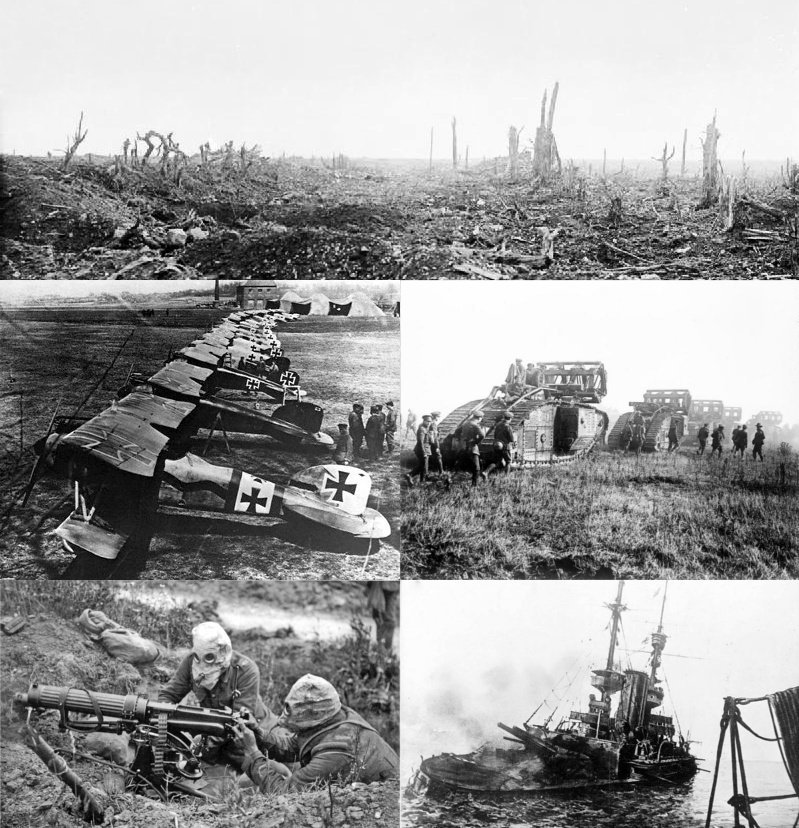
Bulgaria in the First World War
The Kingdom of Bulgaria took part in the fighting during the First World War. Its wartime involvement began on 1 October 1915, when it declared war on the Kingdom of Serbia, and lasted until 29 September 1918, when it capitulated by signing the Armistice of Salonica.
Bulgaria in the Second World War
Bulgaria's history during the Second World War falls into three main periods: initial neutrality until 1 March 1941, alliance with the Axis until 9 September 1944, and participation on the Allied side until the end of the conflict. Until the 1990s, Bulgarian historiography largely neglected the country's involvement on the Axis side, while calling its participation with the Allies the 'Patriotic War', following the Soviet model.
Bulgarian participation in the Battle of Niš
Bulgarians took part in the Austrian attack on Niš under Louis William of Baden, commander of the Austrian contingents in the Balkans. Two Bulgarian detachments led by Georgi Peyavich and Bogdan Marinov participated in the battles at Niš, Vidin, Belogradchik and Berkovitsa.
Bulgarian–Byzantine War, 855
The year after Boris I's unsuccessful campaign against the German Kingdom ended, the Byzantine emperor Michael III began a war against Bulgaria.
Bulgarian–Croatian War
In the second half of the tenth century, the Kingdom of Croatia was ruled by King Stephen Držislav, who allied himself with Byzantium. In return, the Byzantines recognised his authority over his lands.
Bulgarian–Hungarian War of 1195
After unsuccessful peace negotiations between Bulgaria and the Byzantine Empire in 1195, King Béla III of Hungary, who controlled parts of the western Bulgarian lands, decided to attack Bulgaria to capture western Moesia.