Battle of Varna

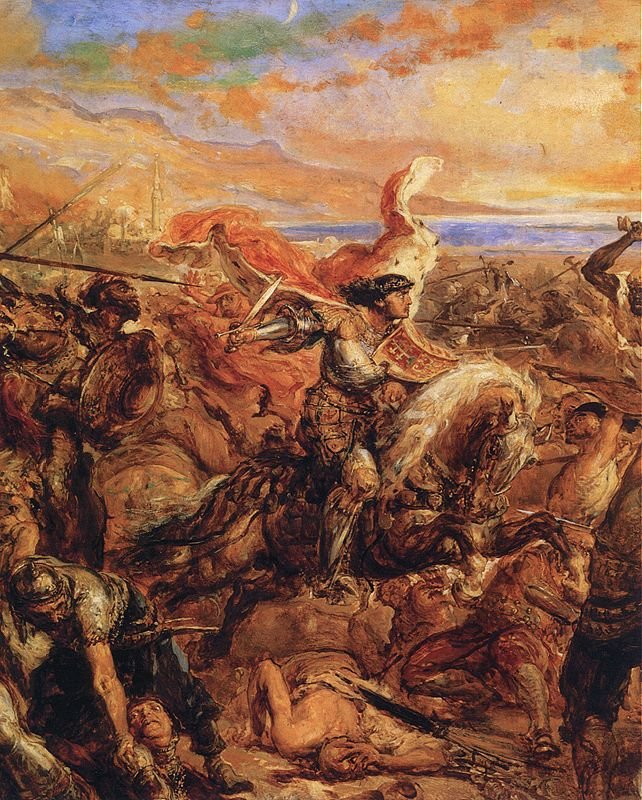
Battle of Varna
The Battle of Varna, fought on 10 November 1444, was an important engagement in Balkan and medieval European warfare. The source describes this as the last major crusade before the Battle of Varna.
Its background lay in the formation of a broad anti-Ottoman alliance, beginning with the Union of Florence in 1439. Venice, Burgundy and Hungary joined forces to resist the Ottomans. In 1443–1444, the pope, Venice and Burgundy organised a large fleet to operate against the Ottomans in the Aegean Sea and the Straits.
Under John Hunyadi and Władysław III, the Hungarians began a major campaign in October 1443, crossing the Danube into Bulgaria. During the campaign, they captured the fortresses of Shumen and Provadia and advanced towards Varna.
Sultan Murad II responded quickly, assembling his main army to confront the Hungarians. In October 1444, after securing control of the Straits, he crossed the Bosphorus to the European shore.
After taking Adrianople, Murad II advanced towards Varna to meet the Hungarians. On 10 November 1444, Hunyadi's and Władysław III's crusading forces faced Murad II's Ottoman army in the Battle of Varna.
The Hungarians and Poles suffered a severe defeat after a strategic error. Władysław III was killed, causing profound shock among the crusaders. The battle ended in a decisive Ottoman victory.
The defeat at Varna marked the collapse of European hopes of deliverance from the Ottoman threat. It was the last serious attempt to form a crusading alliance against the Ottomans in the Middle Ages.
Share:


