Battles

302 results
The Battle of the Crna Bend
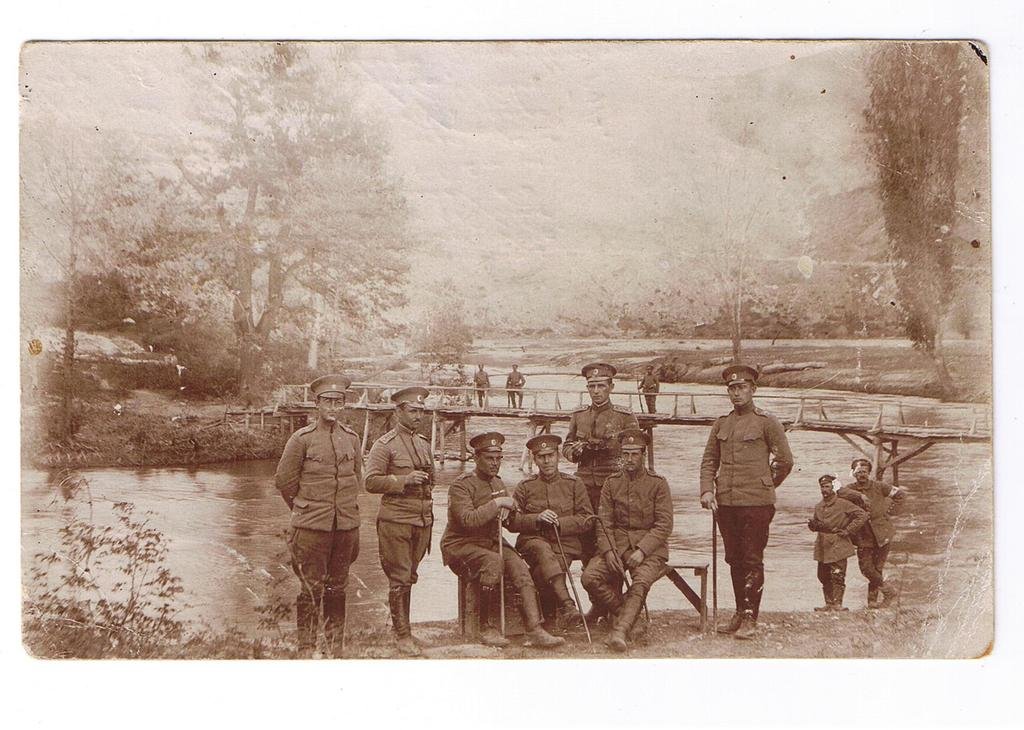
Entente forces on the Salonika Front repeatedly attempted to advance towards Bitola, an approach protected by Bulgarian defences around the bend of the Crna River. Serbian units made the first unsuccessful attempts to break through in the autumn of 1916.
The Battle of the Gates of Trajan
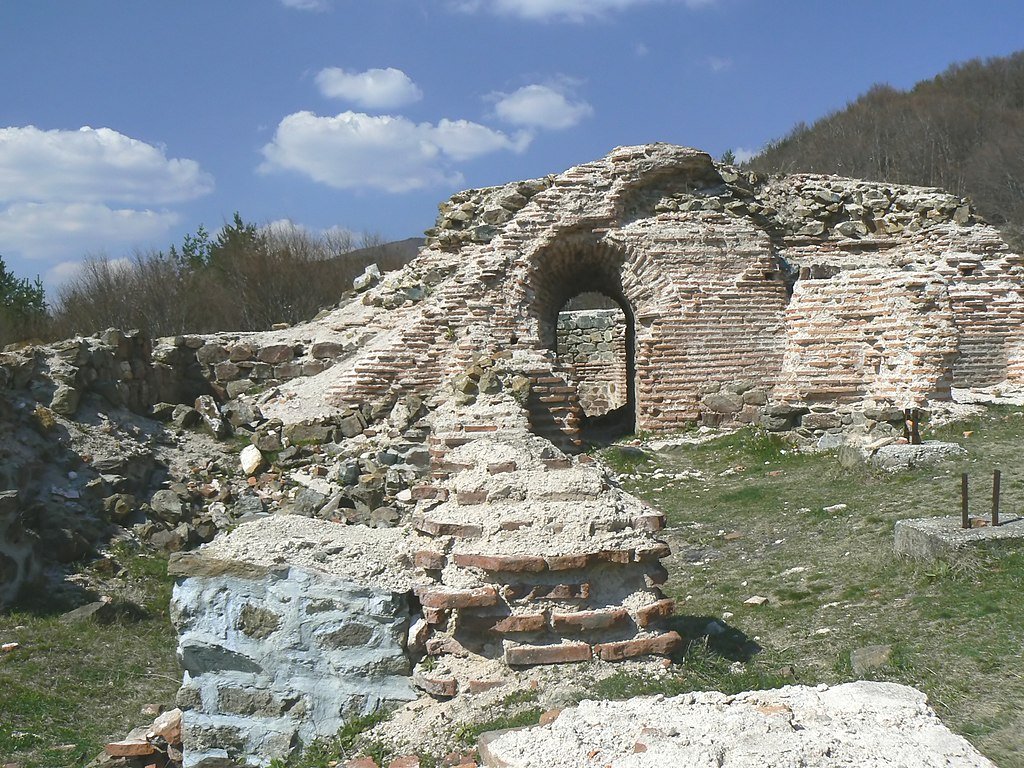
After the fall of Veliki Preslav and Drastar, all eastern and southern Bulgaria came under Byzantine rule. The unconquered lands remained under the Cometopuli, who retaliated and began a prolonged war against the empire.
The Battle of the Red Wall
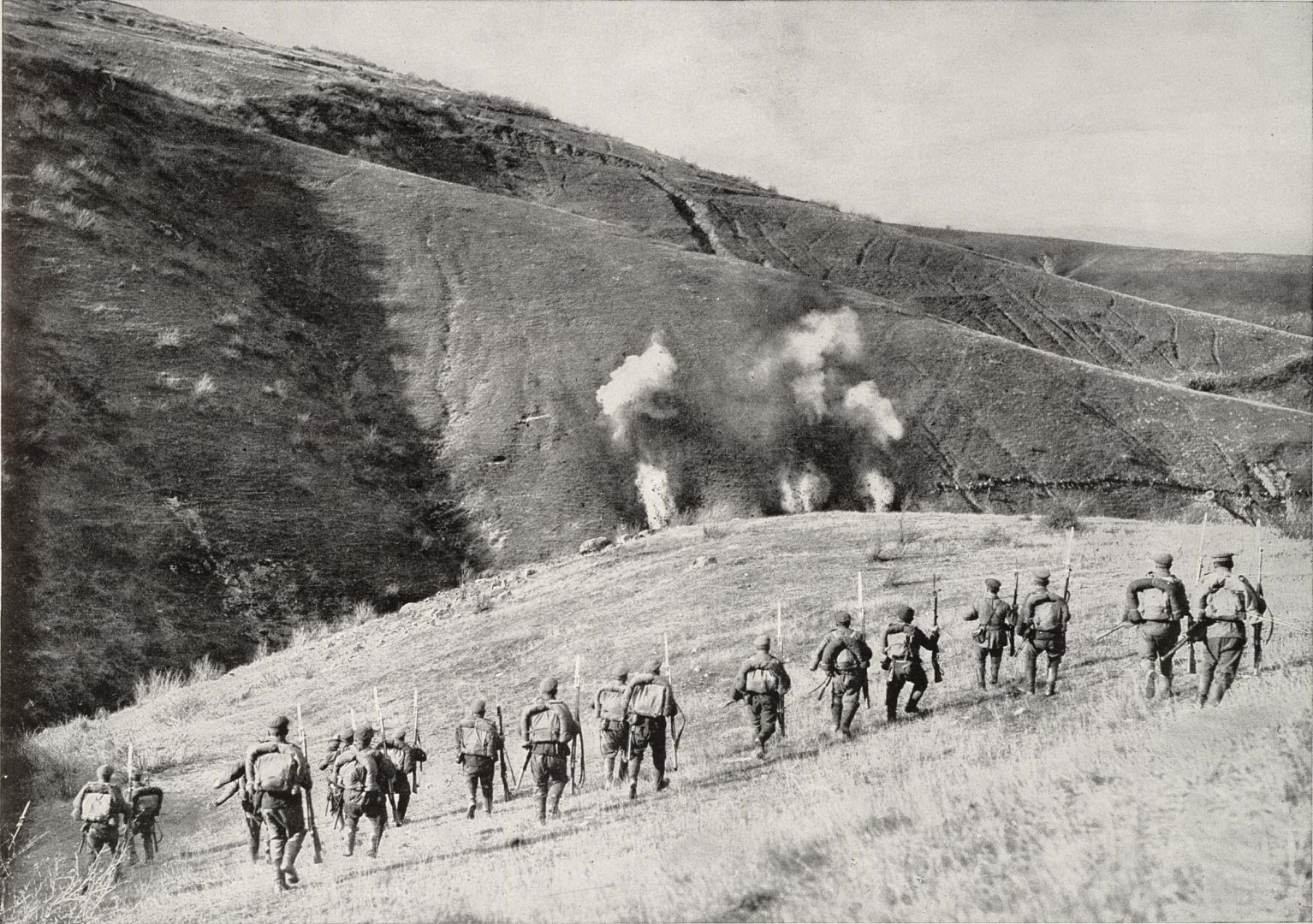
The battle was fought between two Bulgarian divisions, the 6th Bdin and 8th Tundzha, and French forces from the Entente's Army of Salonika. The French plan called for driving the Bulgarians from their positions on Baba Mountain and then securing the Bitola and Prilep plains as a base for advancing into the Vardar Valley.
The Battle of the Southern Bug
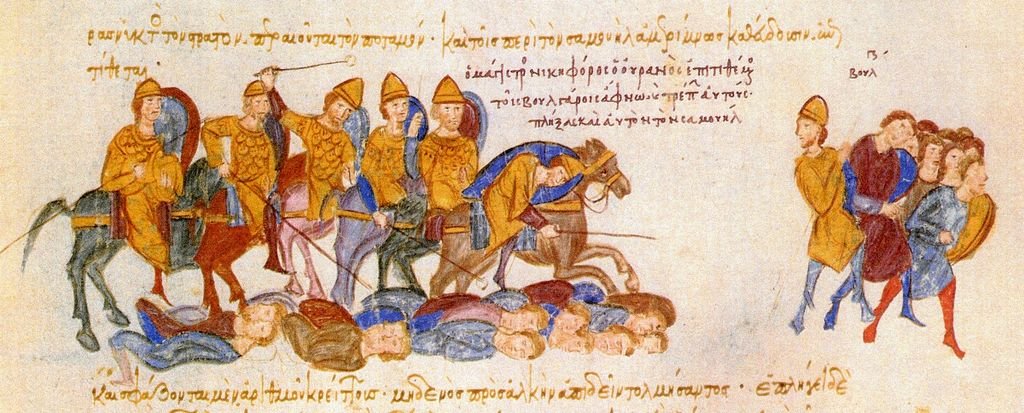
The fighting took place during the Bulgarian-Byzantine war that began in 894 over increased charges on Bulgarian merchants in Byzantium. In 895, the Byzantine fleet, together with hired Magyar troops, headed towards the Danube's mouth to cross the river and conquer Bulgaria.
The Battle of the Spercheios River
After the major Bulgarian victory at the Gates of Trajan on 17 August 986, civil war broke out in Byzantium. The empire soon also became involved in conflict with the Fatimids over Syria.
The Battle of the Tisza
Khan Omurtag, son of Khan Krum, pursued peaceful policies during his reign and concentrated on strengthening internal authority in Bulgaria. This was necessary because of all the new lands incorporated under Kan Krum.
The Battle of Tryavna Pass
After the uprising of the brothers Asen and Peter in 1185 and the restoration of the Bulgarian state, Byzantium did everything possible to regain control of its lost territories. The late twelfth century was marked by bitter and bloody wars with the empire.
The Battle of Varbitsa Pass
In 811, Byzantine troops led by Emperor Nikephoros I Genikos entered Bulgarian territory and reached and besieged Pliska around 20 July. Khan Krum was forced to leave the capital, which was plundered and devastated.
The Battle of Varna
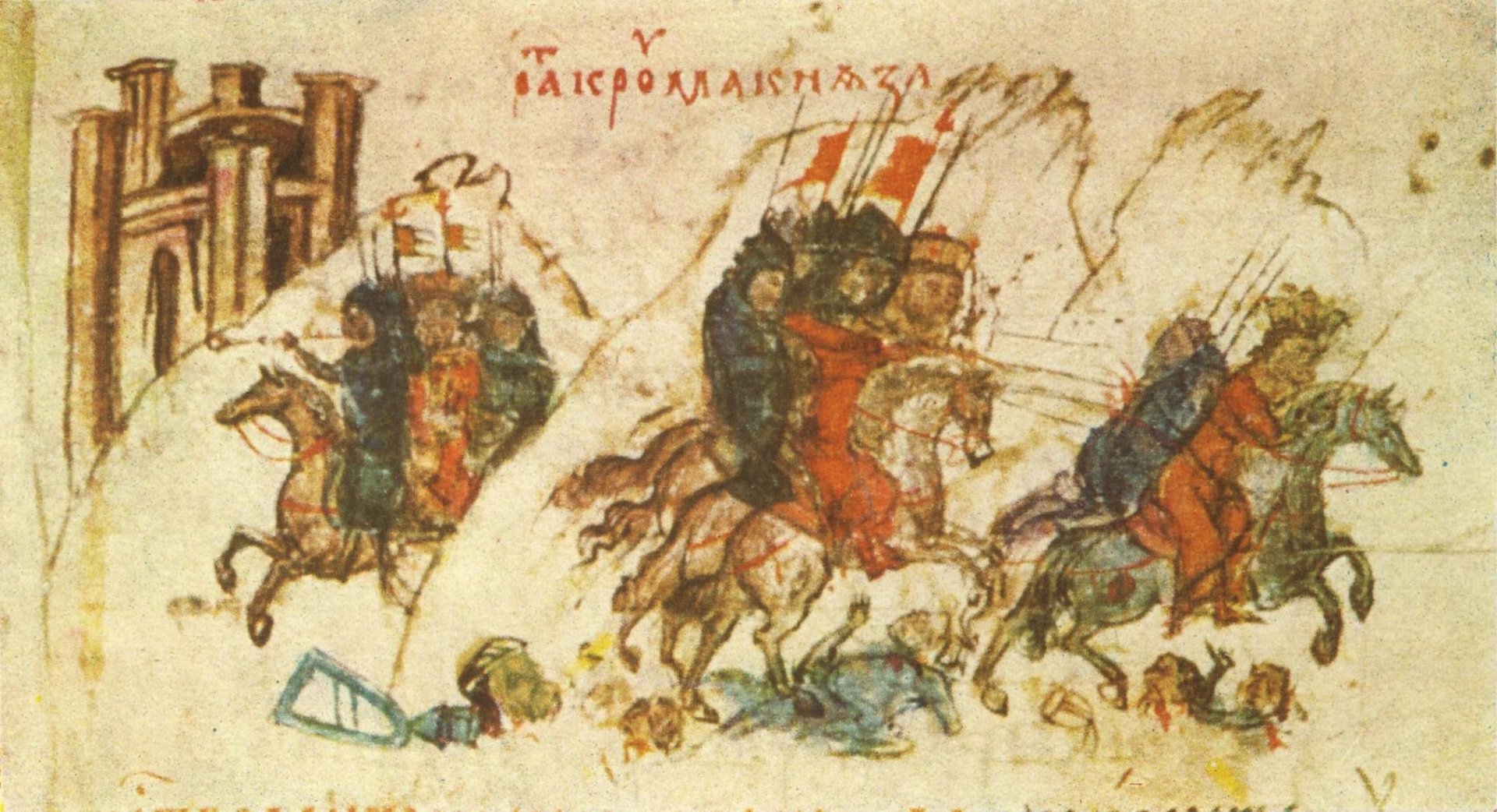
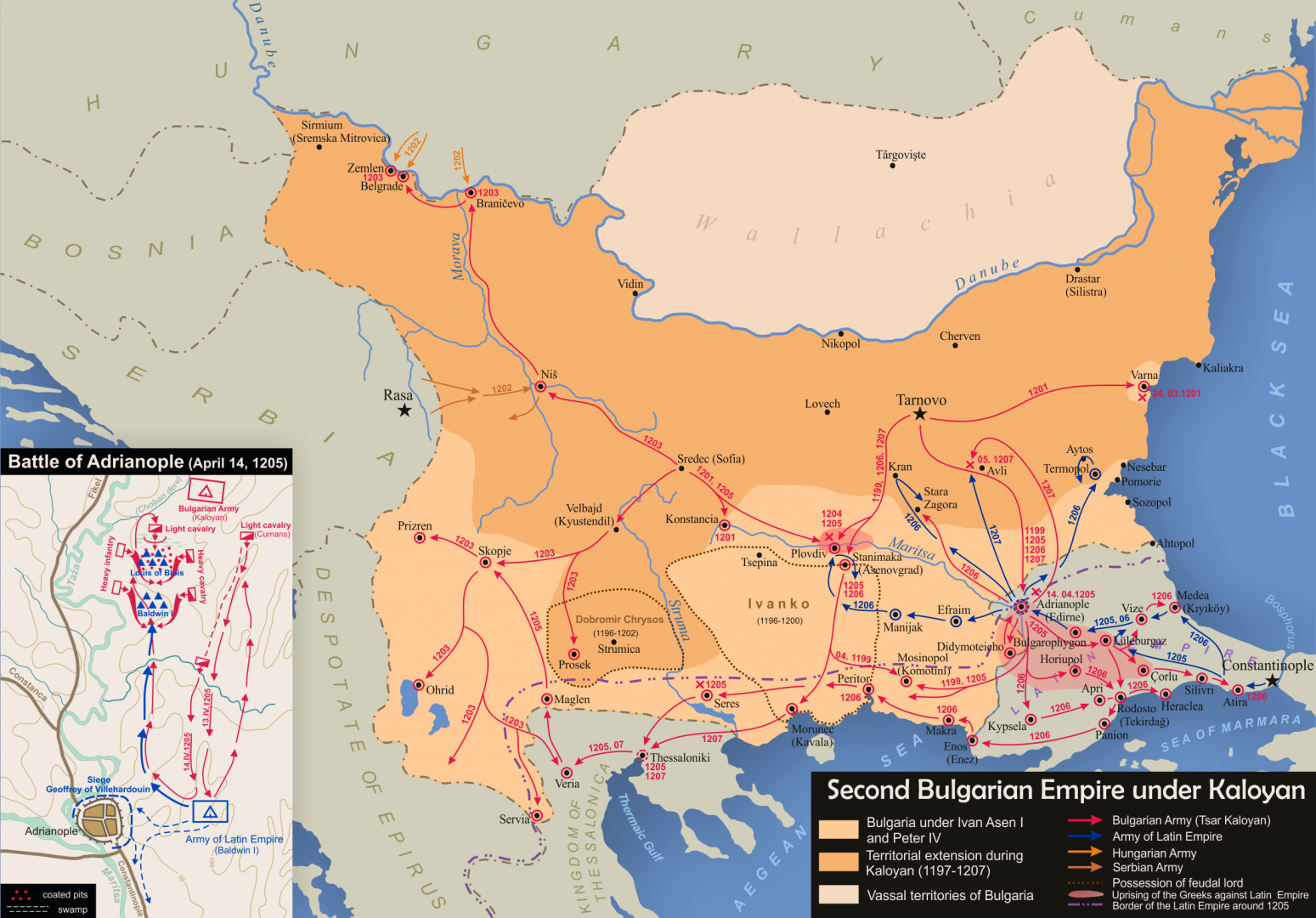
After success at Constantia, Kaloyan's army advanced towards Varna, the last Bulgarian region north of the Balkan Mountains still held by Byzantium. Mercenary garrisons defended its fortress.
The Battle of Versinikia
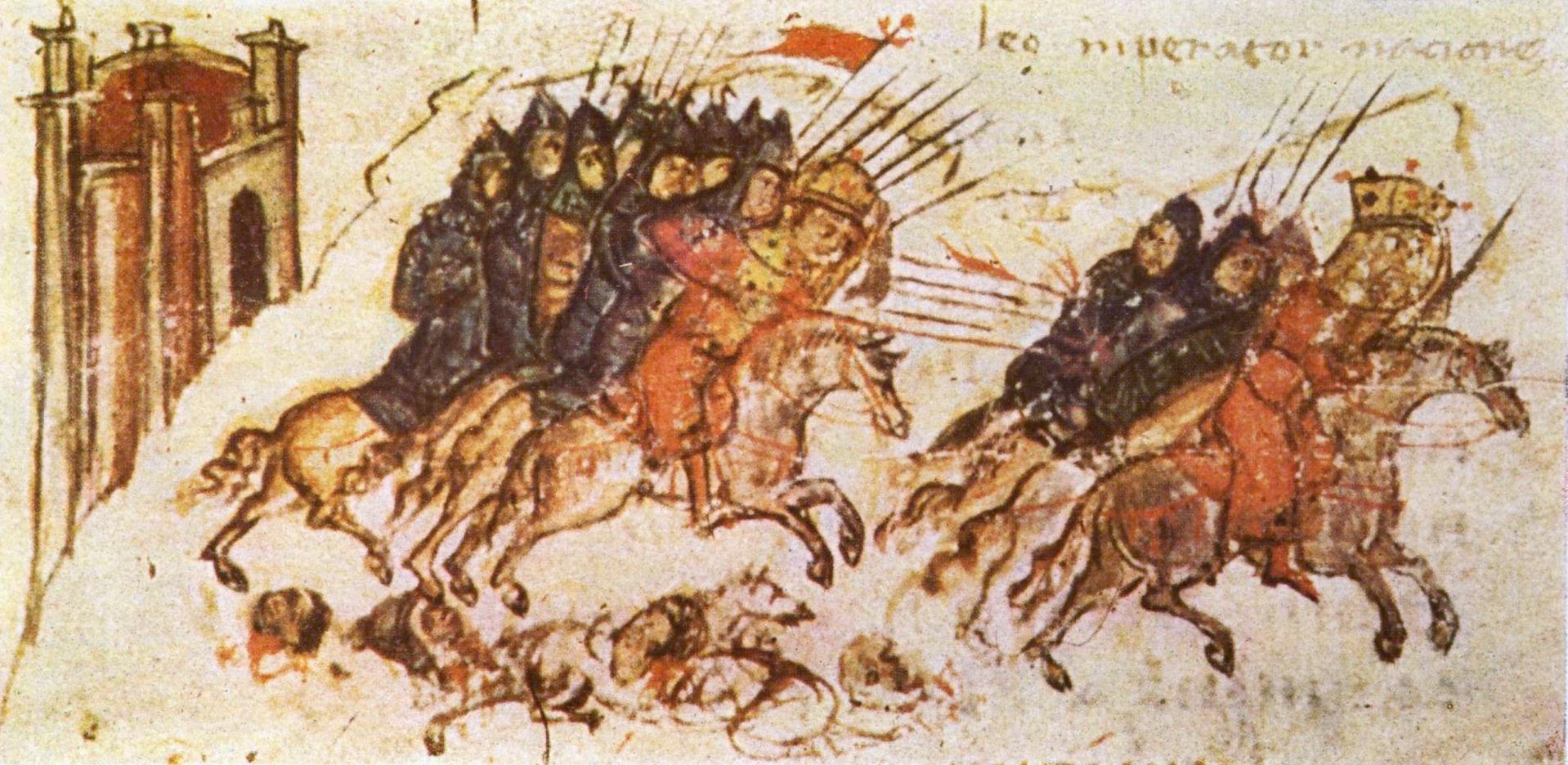
Khan Krum was the ruler who first undertook deliberate action against the Byzantine Empire, particularly after the victory at Varbitsa Pass. The new Byzantine emperor, Michael I Rangabe, decided to campaign against him.
The Battle of Yarebichna
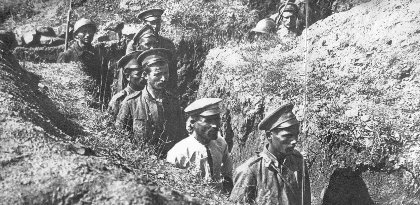
The Battle of Yarebichna took place from 29 to 31 May 1918 at Yarebichna Peak, 1,097 metres high, in the Paiko Mountains, between Greek-French forces and Bulgarian troops. The 49th Infantry Regiment was completely destroyed: six hundred soldiers were killed and 1,712 captured.
The Battle on the Dnieper Frontier
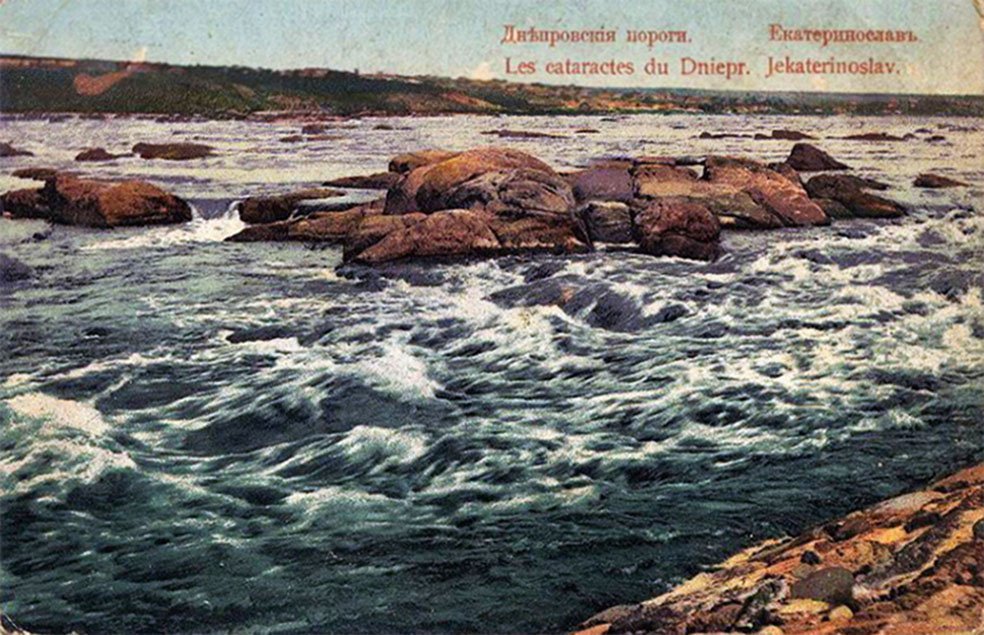
Bulgaria's frontier was a zone of conflict between Bulgarians, Khazars and Avars. This is inferred from the large quantity of defensive equipment and structures.
The Capture of Plovdiv
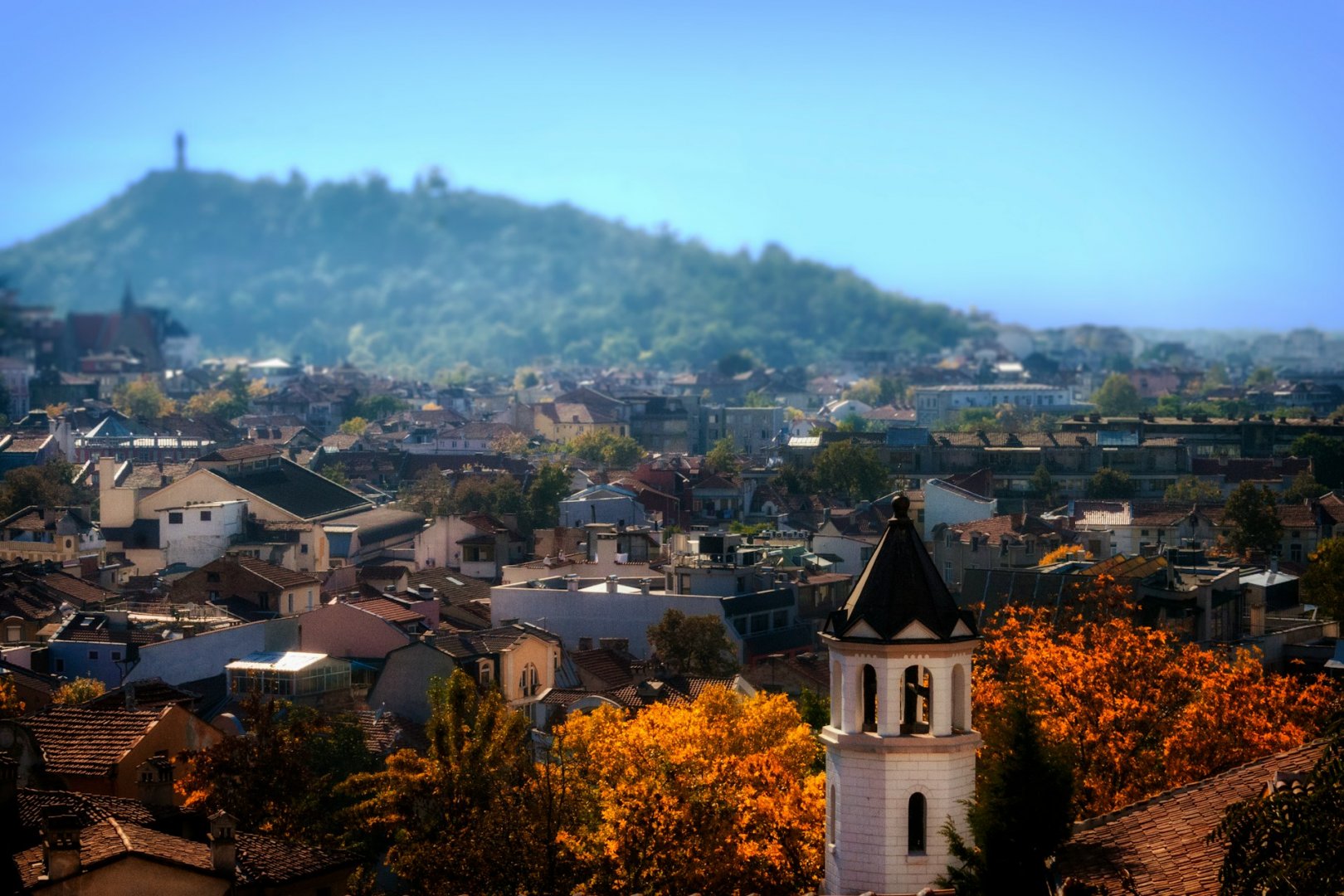
In 836, Emperor Theophilos decided to violate the thirty-year peace treaty between Byzantium and Bulgaria concluded with Omurtag and launched a campaign against Bulgaria. The Bulgarians responded by entering Byzantine territory, reaching and capturing Edirne.
The Drava Operation
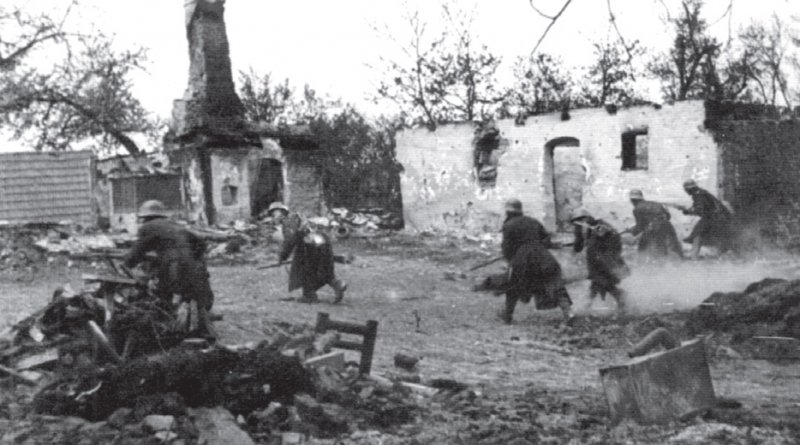
Following the political changes in Bulgaria in the second half of 1944, the new leadership decided to join the anti-Hitler coalition. By early 1945, the First Bulgarian Army under General Vladimir Stoychev had been assigned to defend a stretch of around 130 kilometres along the Drava's northern bank.

The Fall of Veliki Preslav
After the defeat of 969, Bulgaria became Kievan Rus' ally in its forthcoming war against the Byzantine Empire. During that war, in the spring of 971, Byzantium reversed the course of events and launched a major land and sea operation against the Bulgarian capital, Veliki Preslav, defended by Bulgarians and Rus'.
The First Battle of Constantinople
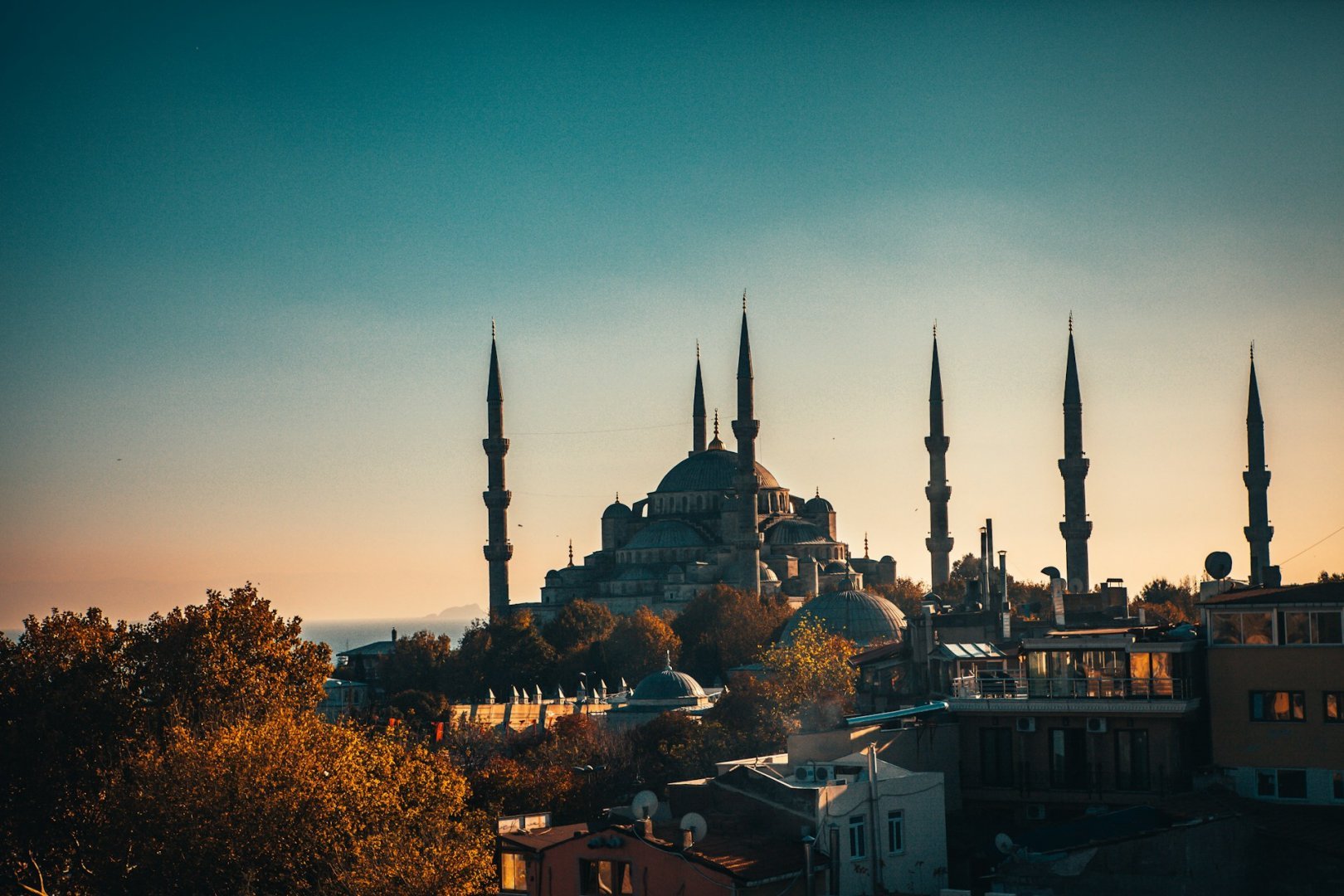
Emperor Justinian II Rhinotmetos sought Khan Tervel's help to regain the Byzantine throne. Tervel agreed in return for gifts and the emperor's daughter in marriage.

The First Battle of Marcellae
Following Khan Kormisosh's unsuccessful operations against Byzantium, the emperor decided to campaign against the Bulgarian state, probably then ruled by Khan Vineh. A fleet was sent towards the Danubian lands, while the emperor led the land forces into the interior of Thrace.
The First Battle of Serres
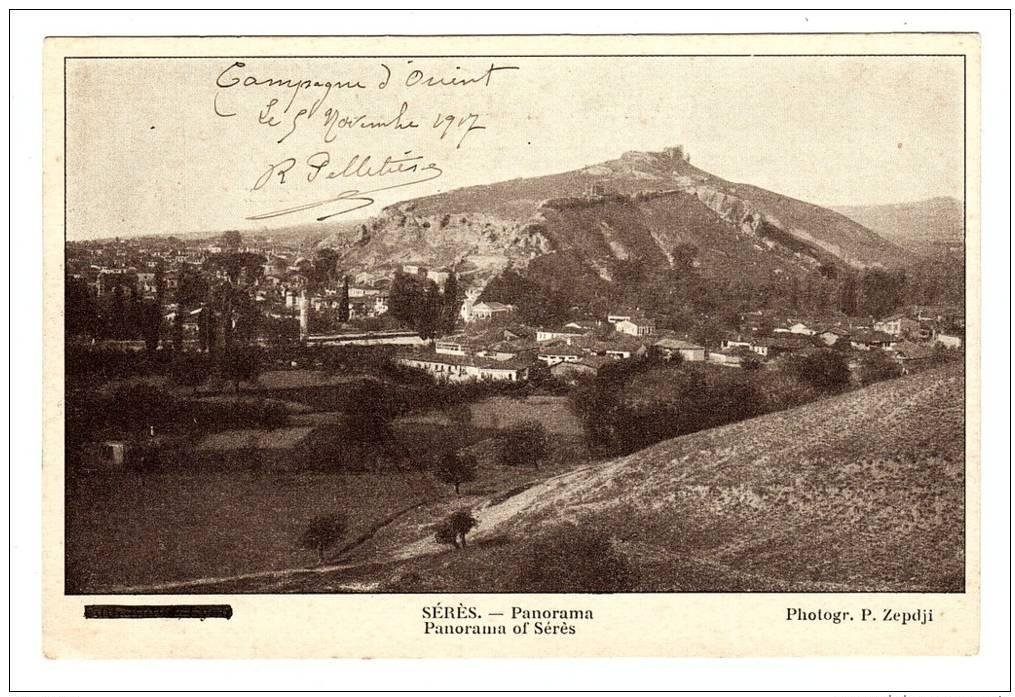
In 1195, Byzantium offered peace to the Bulgarian tsar Asen I, citing the coronation of the new emperor in Constantinople, Alexios III Angelos. Despite this diplomatic gesture, negotiations failed because of the Bulgarians' substantial demands and their view that the proposed terms were insufficiently favourable.
The First Battle of Thessaloniki
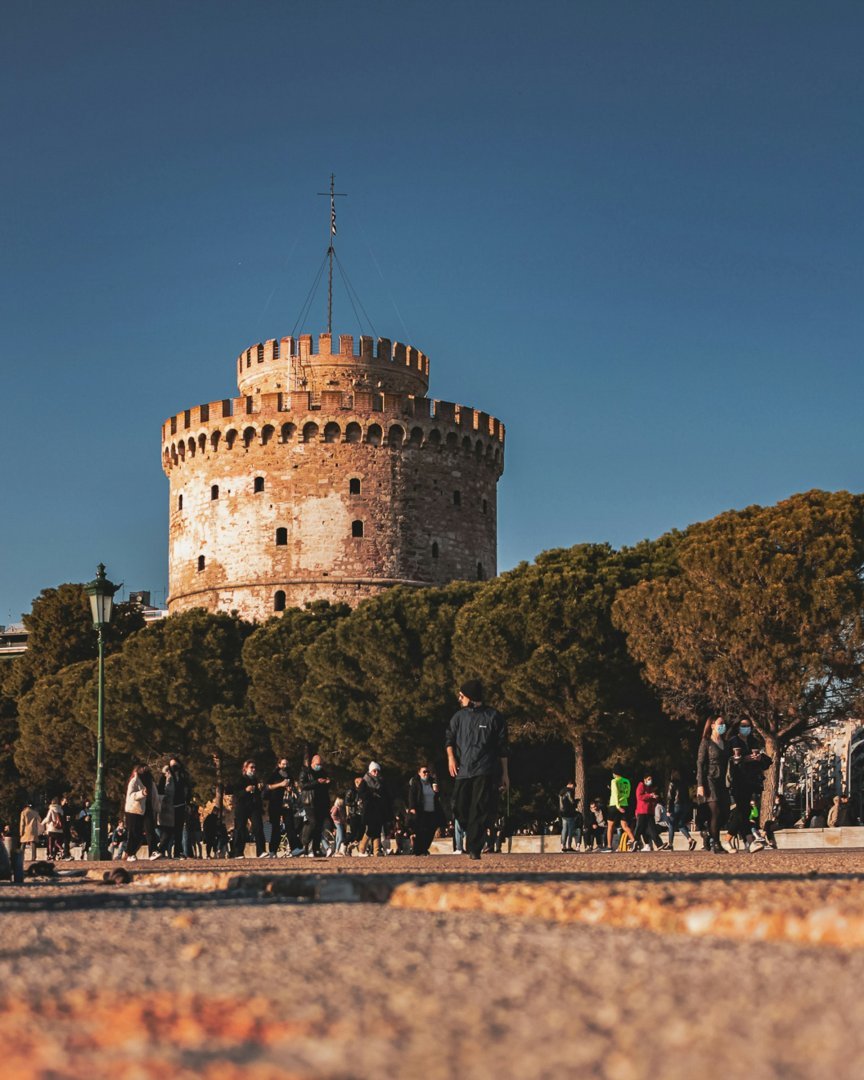
After the victory at the Gates of Trajan and the ensuing Byzantine civil war, the Bulgarian tsar Samuel exploited his position and began a series of attacks on Byzantine fortresses and towns in the Balkans. In 995, after successfully conquering much of the northern Balkans, he decided to turn south.
The Kosovo Operation
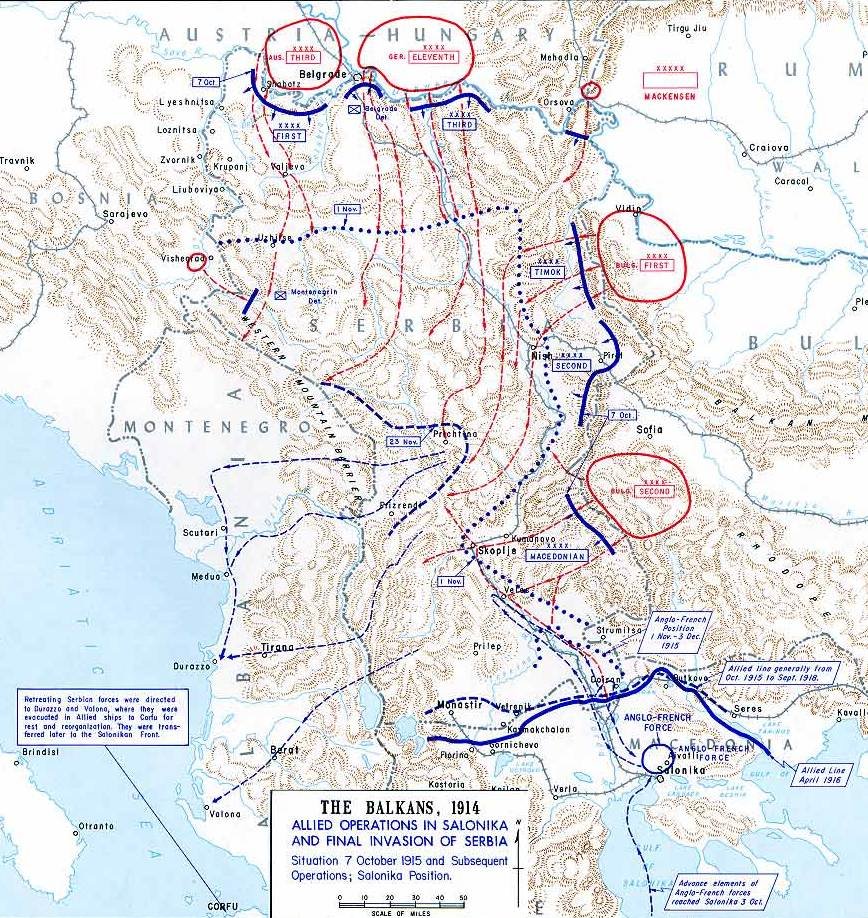
On 1 November, Bulgarian aerial reconnaissance detected the Serbian withdrawal, and the First Army immediately crossed the South Morava. It operated alongside the Second Army's Northern Operational Group and part of the German Eleventh Army, creating the conditions to encircle the enemy in Kosovo Polje.
The Landing at Ryahovo
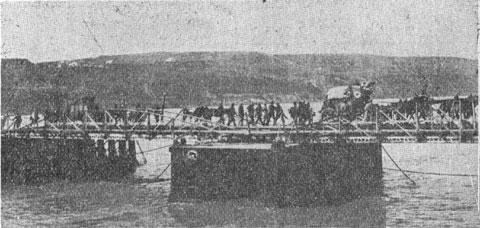
In early September 1916, only days after Romania joined the war on the Entente side, Bulgarian troops successively captured Dobrich, Tutrakan and Silistra, recovering territories taken by Romania during the Second Balkan War. The Bulgarian advance was halted on 19 September at the First Battle of Cobadin.
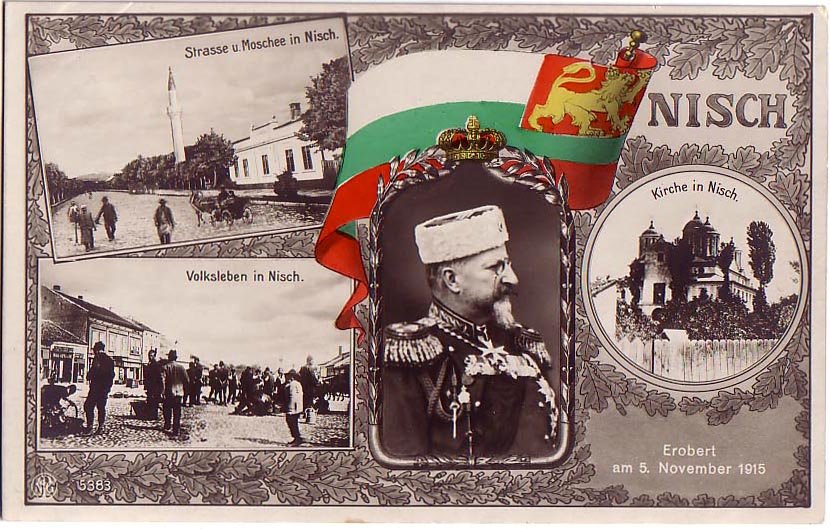
The Niš Operation
Initially, bad weather and impassable terrain delayed the Bulgarian advance. Despite desperate Serbian resistance, the defence collapsed after the Knjaževac Detachment withdrew on 12–13 October under pressure from the 8th Tundzha Infantry Division.
The Ovche Pole Operation
The Ovche Pole Operation took place from 14 October to 15 November 1915. Its aim was to prevent Serbian forces from joining the Entente troops in Thessaloniki.
The Second Battle of Constantinople
Several factors, including the Byzantine struggle for the throne, hostility towards Bulgaria and the Byzantine defeat at Bulgarophygon, persuaded Tsar Simeon that the time had come to conquer the hitherto unconquered Constantinople. He reached its walls in August 913.