Battles

302 results
Sicilian Normans capture Thessaloniki
Sicilian Normans attacked and captured Thessaloniki. The city was devastated, many inhabitants were killed and thousands taken prisoner.
Siege of Bilyar
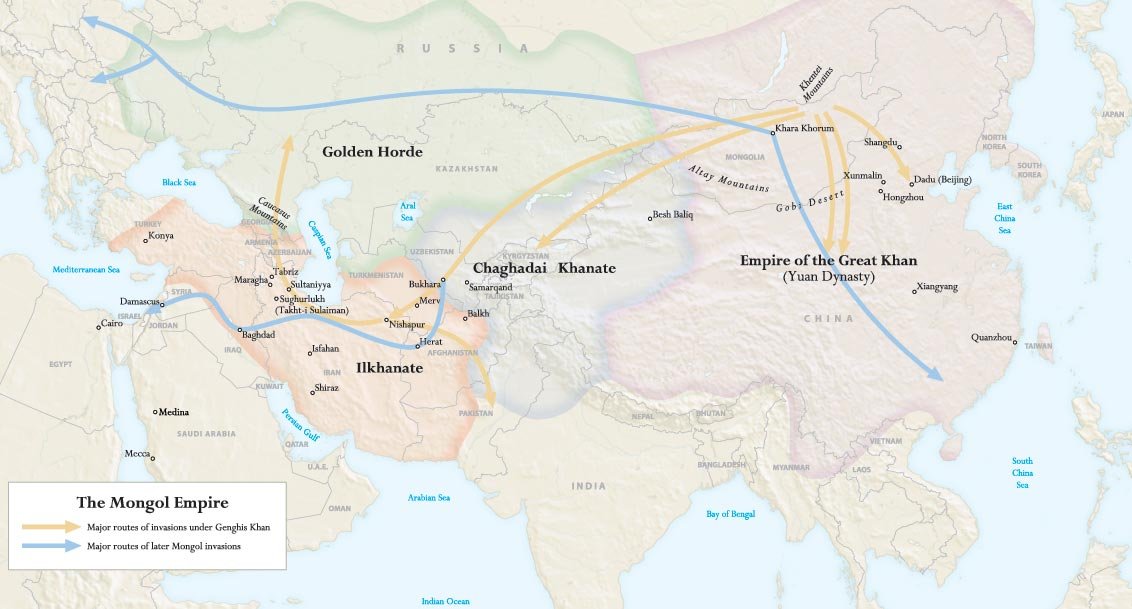
During the rule of Khan Altynbek Alan, an internal political struggle developed between him and Ghazi-Baraj Burundai for the rulership of Volga Bulgaria. To overthrow the khan, Ghazi-Baraj Burundai formed an alliance with one of the Mongol khans.
Siege of Constantinople
Following the death of the Latin emperor Robert of Courtenay in 1228, a new regency council headed by John of Brienne was elected. After the catastrophic defeat at the Battle of Klokotnitsa, the threat posed by the Epirote Empire to the Latin Empire was removed.
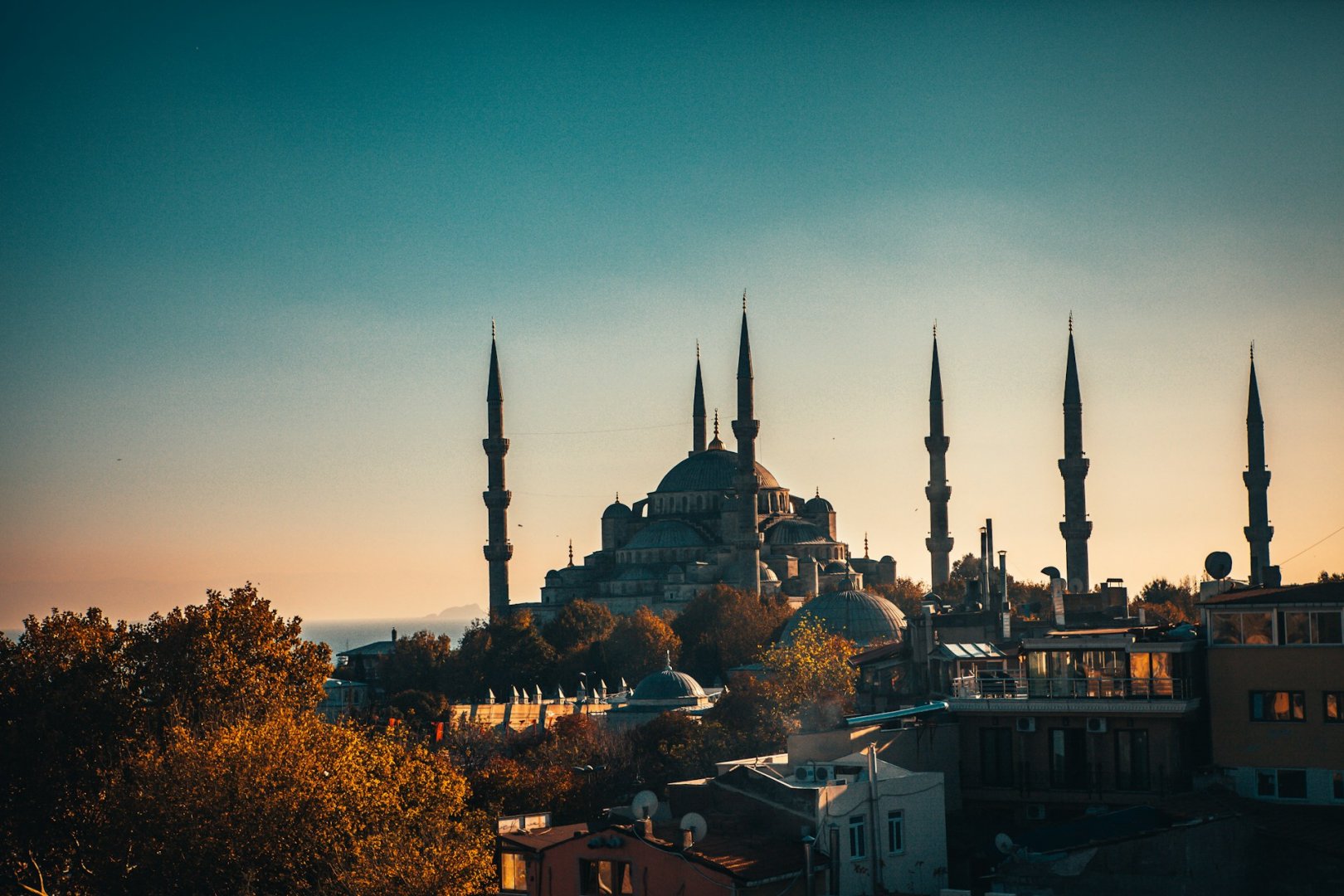
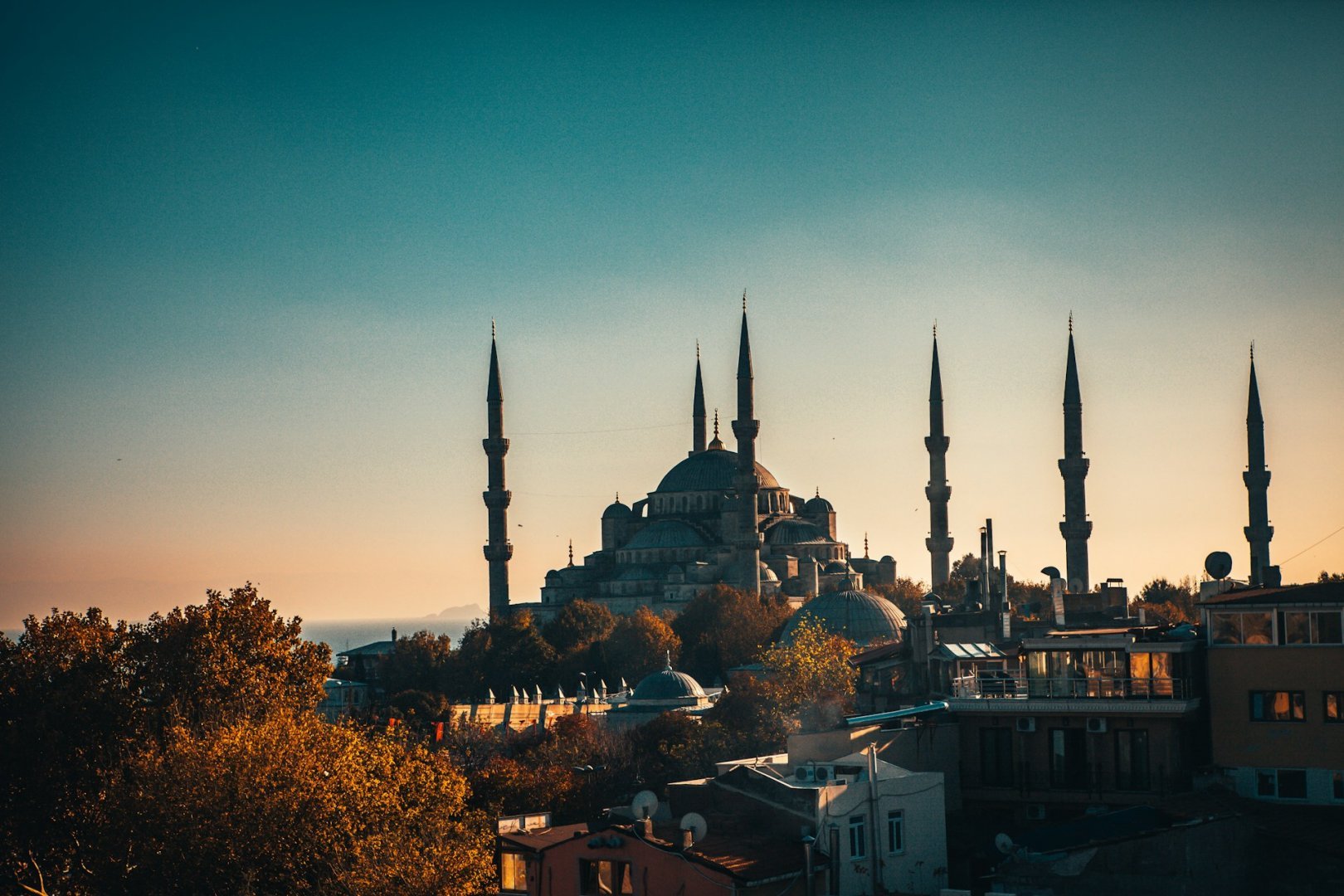
Siege of Constantinople, 626
The Avar Khaganate was a state ruled by the Avars, who appeared in Central Europe in the sixth century. In 567, the Avars conquered Pannonia, encompassing present-day Hungary, Austria and parts of the former Yugoslavia.
Siege of Constantinople, 813
In July 811, Krum defeated the Byzantine army at the Varbitsa Pass and killed Emperor Nikephoros I. He then attacked Thrace, capturing fortresses including Anchialos, Provat and Beroe.
Siege of Gallipoli
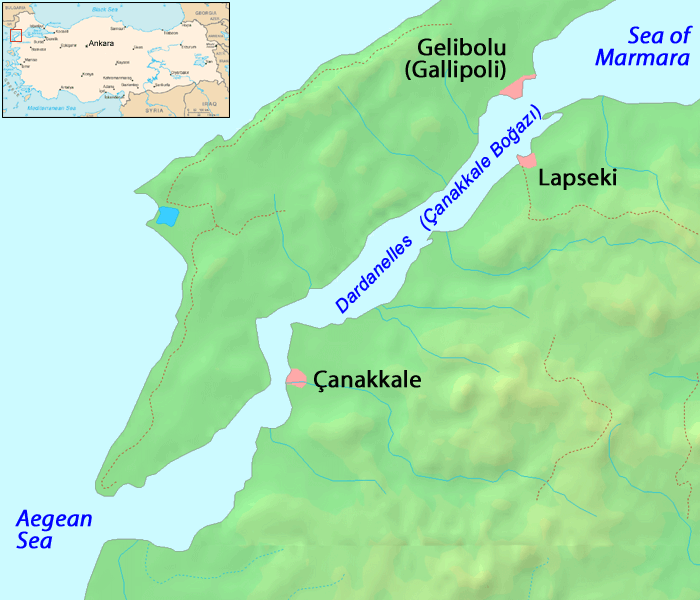
In 540, a large Bulgar force advanced on a broad front into the Balkan Peninsula, from the Adriatic Sea to Constantinople. In Illyricum, the Bulgars captured thirty-two fortresses.
Siege of Lovech
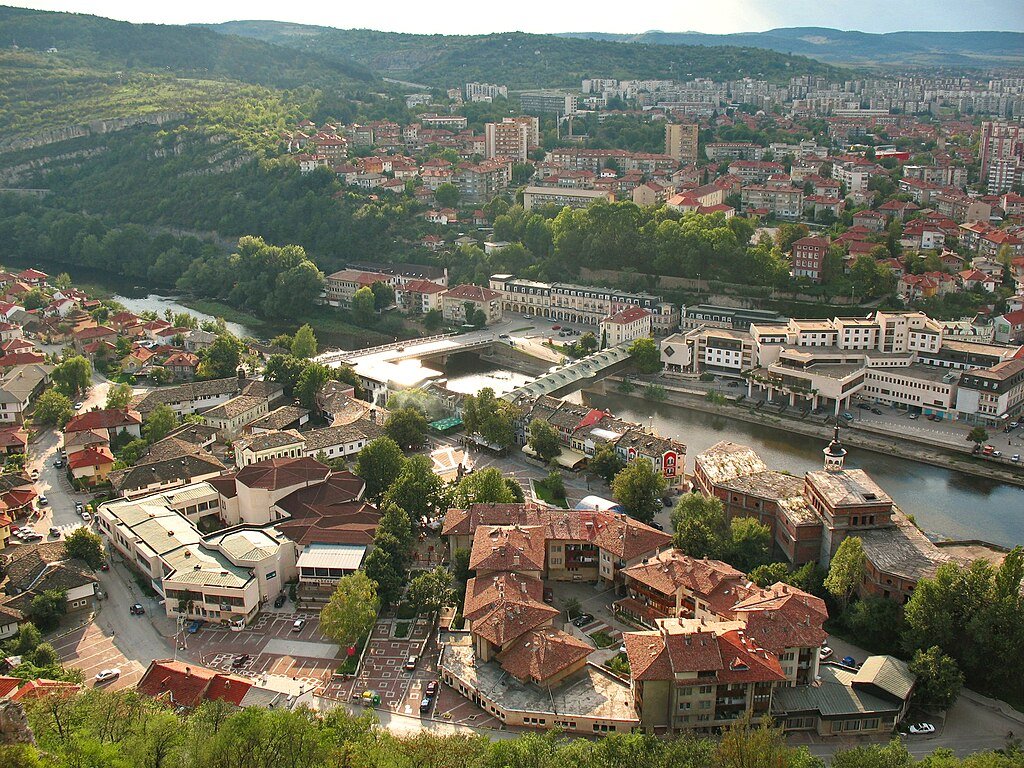
The successful uprising of the Asen brothers in 1185 led to the proclamation of the restoration of the Bulgarian state. Byzantium's difficulties with the Normans delayed an adequate response.
Siege of Pliska
In 811, the Byzantine emperor Nikephoros I Genikos assembled a huge army, estimated at about 70,000 soldiers and drawn from both his European and Asian forces, and began a campaign towards the Bulgarian capital of the time, Pliska. Taken by surprise, Krum offered the emperor peace, but Nikephoros firmly refused and continued his advance.
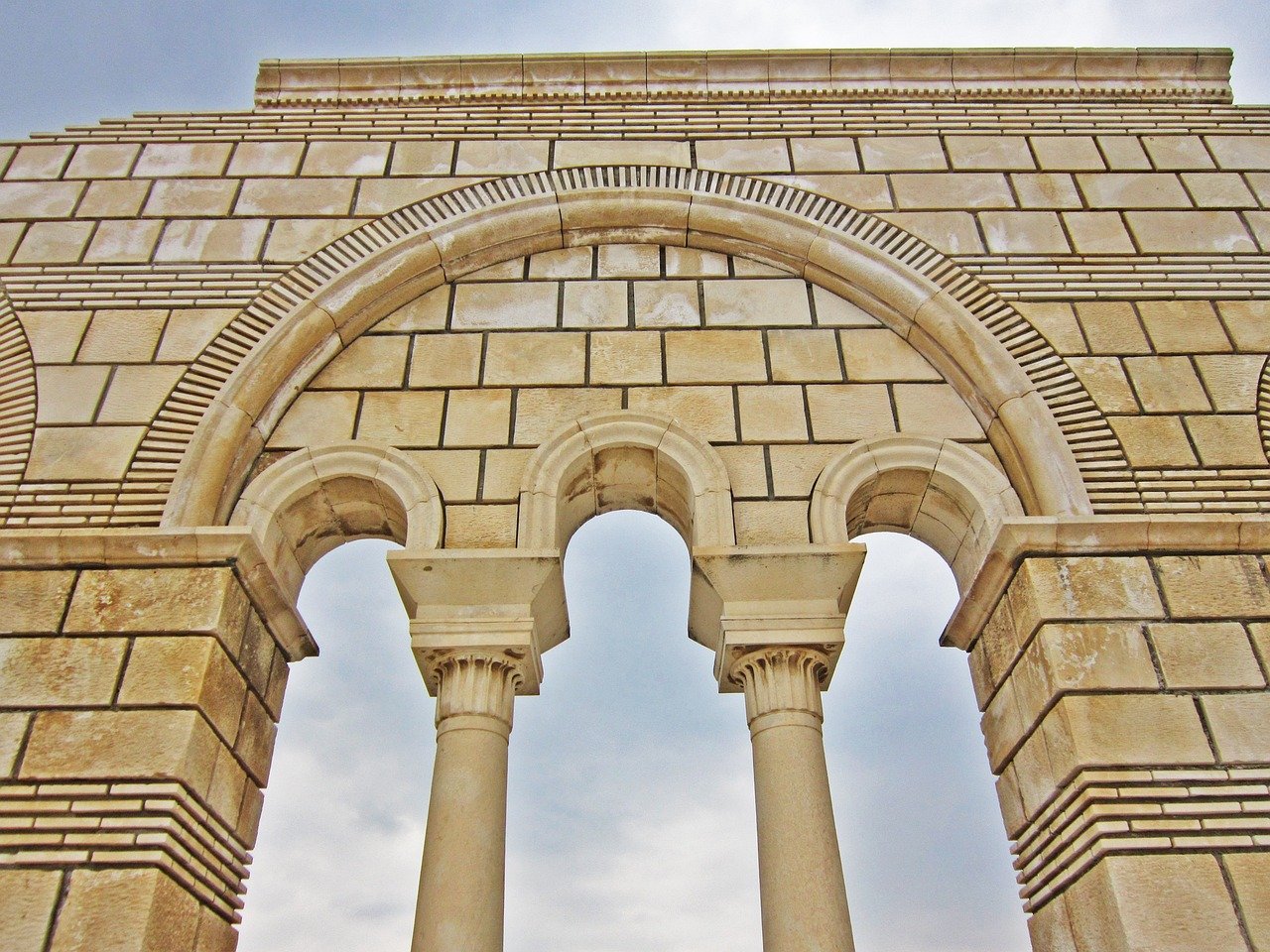
Siege of Plovdiv
Taking advantage of the truce with his reigning grandfather, the Byzantine emperor Andronikos III and the forces of Despot Voysil surrounded Plovdiv, beginning a four-month siege of its Bulgarian garrison. Under Ivan Rusina's command, the garrison withstood the prolonged siege despite heavy pressure.
Siege of Privat
Despite temporarily improving relations with Byzantium and his marriage to Theodora Palaiologina, granddaughter of the granddaughter of the Byzantine emperor at the time, Andronikos II, and sister of the claimant to the Byzantine throne, Andronikos III, Tsar Michael III Shishman undertook new military action against Byzantium. Operations were directed towards Eastern Thrace.
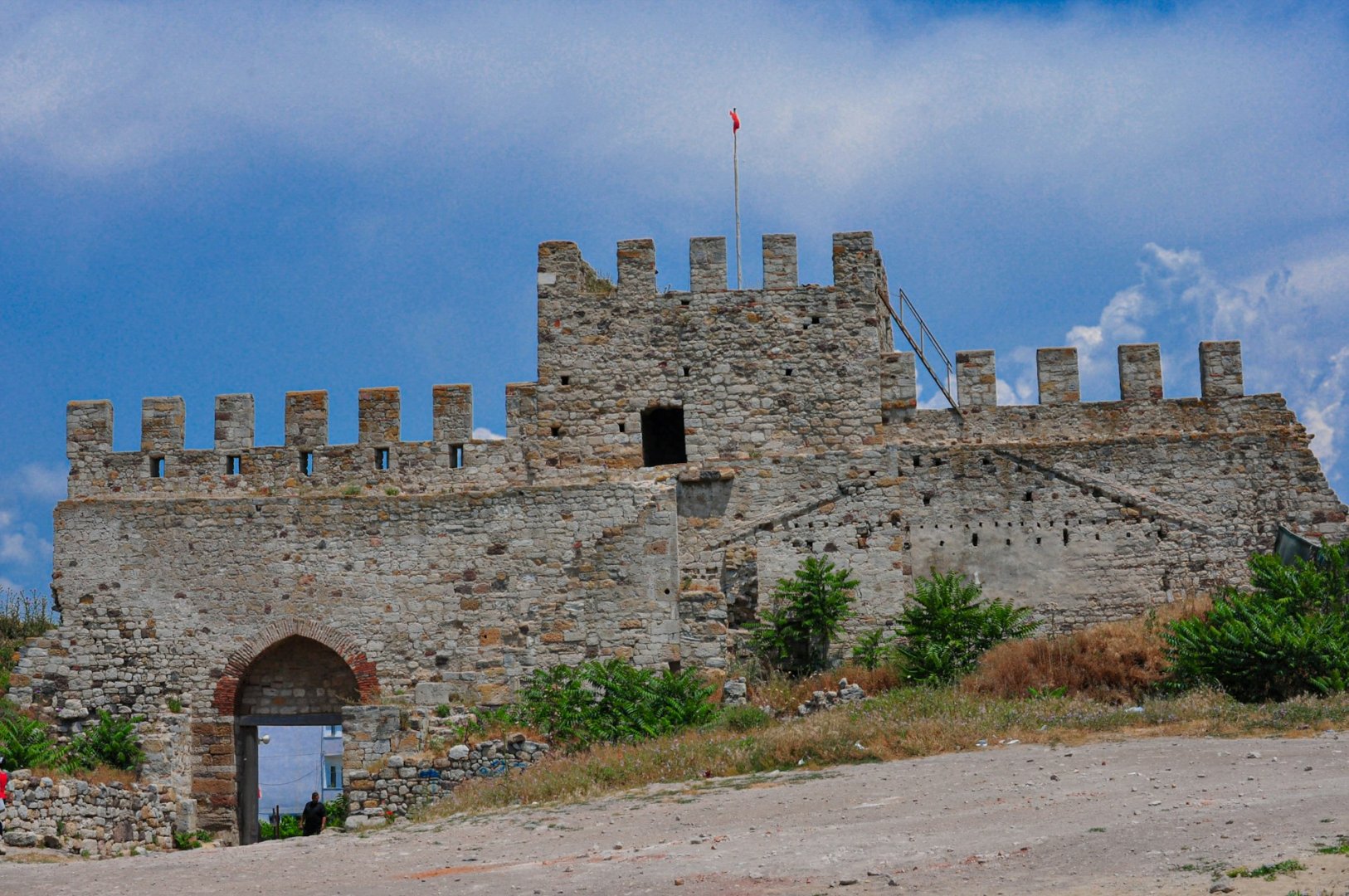
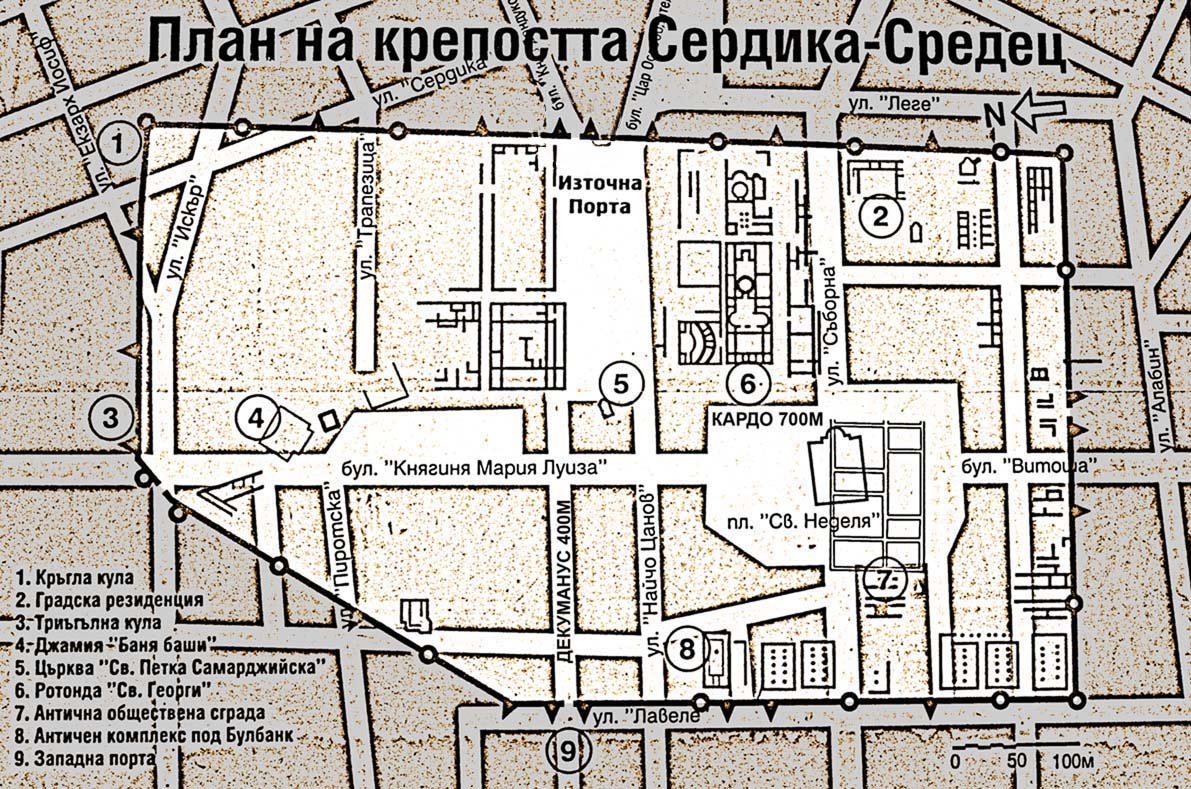
Siege of Sredets
After a temporary lull following 1373, the Ottomans resumed hostilities in 1380. With a vast army, Sultan Murad advanced towards the southwestern parts of the Tsardom of Tarnovo, intending to capture the stronghold of Sofia.
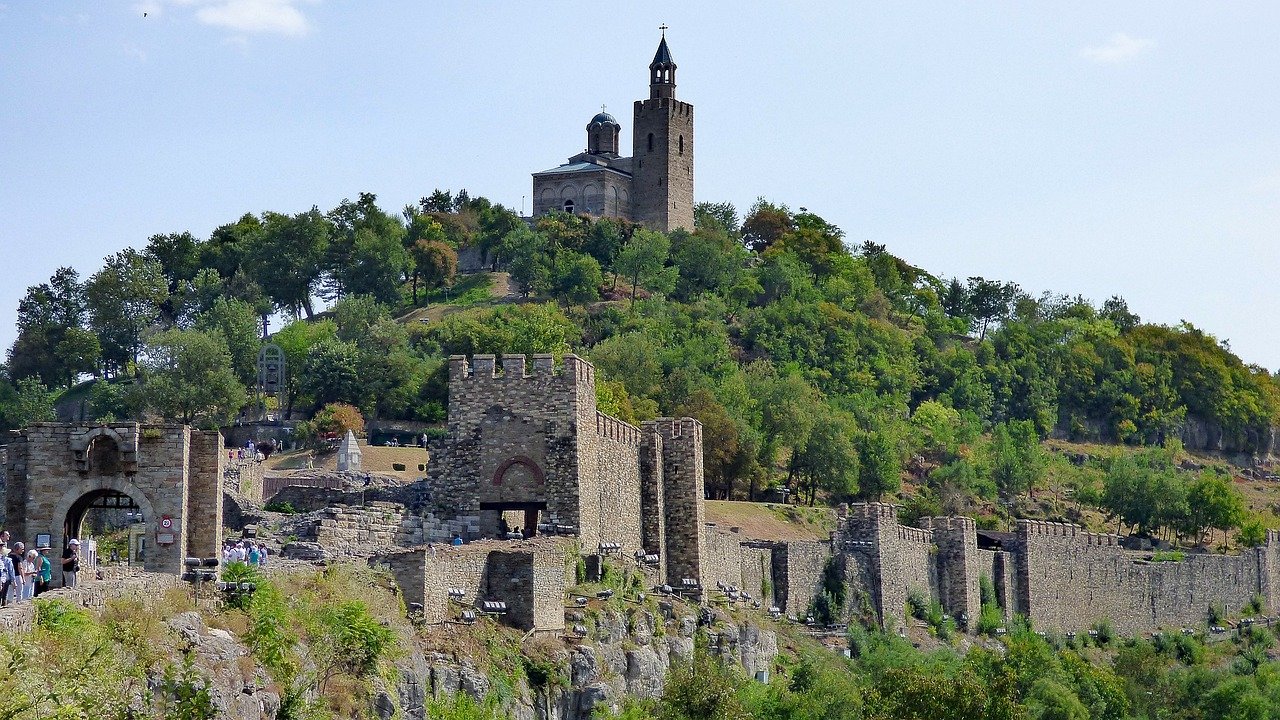
Siege of Tarnovo
As Tarnovgrad was the capital of the Second Bulgarian Empire, it was a key objective for Ottoman conquest. After numerous Bulgarian defeats, the troops reached the capital itself.
Siege of Triaditsa
The Byzantine army under Emperor Basil II (976–1025) besieged the important fortress of Triaditsa for 20 days. By capturing it, he hoped to sever communications between the western and eastern Bulgarian territories and restrict the operations of Samuel and his brother Aaron.
Siege of Tsepina
After conquering Thrace and Macedonia, the Ottomans turned towards the conquest of the Rhodope Mountains. A clash took place at Tsepina Fortress, which was defended by its inhabitants.
Siege of Vidin
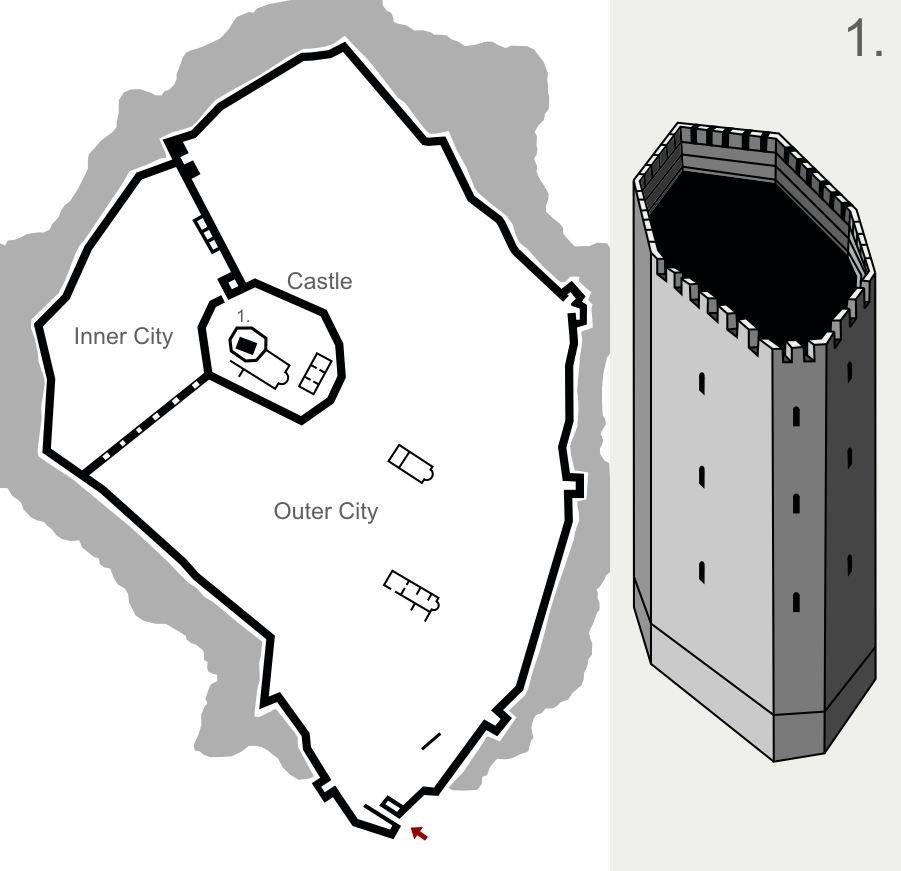
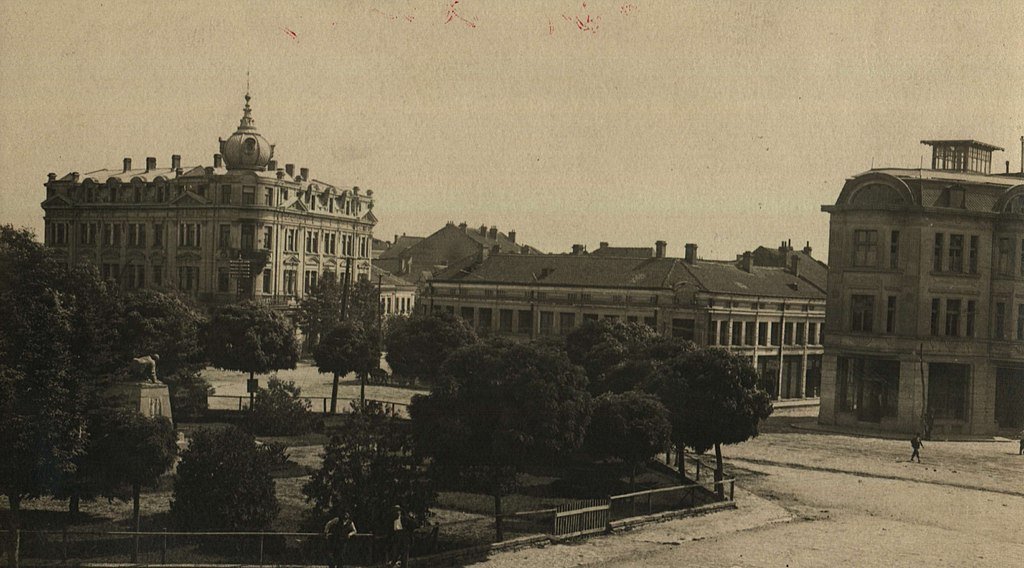
The Siege of Vidin took place in 1913, when Serbia attempted to capture Vidin while the Bulgarian troops were fighting in the Second Balkan War. Because of their numerous battles in the preceding days, the Bulgarian troops were largely deployed in Macedonia.
Stara Zagora massacre
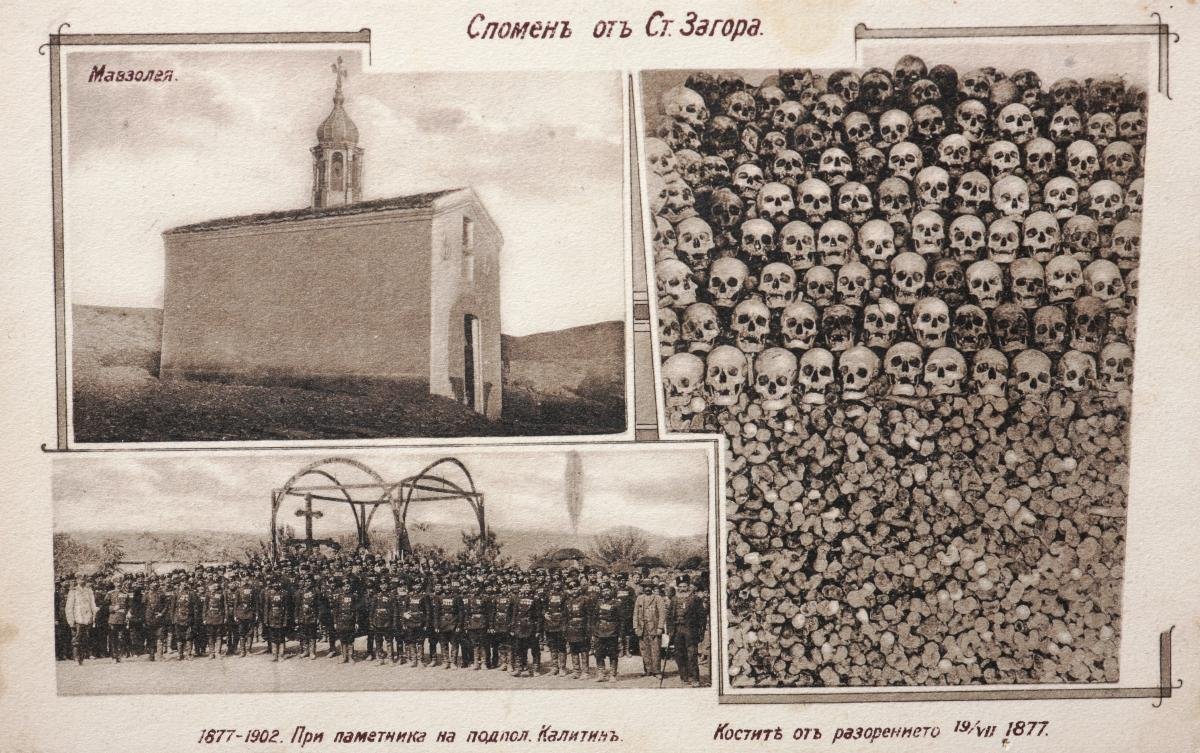
From 19 to 21 July 1877, Stara Zagora in the Ottoman Empire witnessed one of Bulgarian history's most tragic events, the Stara Zagora massacre. Ottoman regular troops under Süleyman Pasha, supported by Circassians, Albanians and others, entered the city, began killing its Bulgarian population and set it on fire.
Štip massacre
The massacre in Štip on 21 November 1911 was one of the deadliest pogroms against the Bulgarian population in Macedonia near the end of Ottoman rule. A bomb placed outside the town's mosque killed one Turk.
Stratsin–Kumanovo Operation
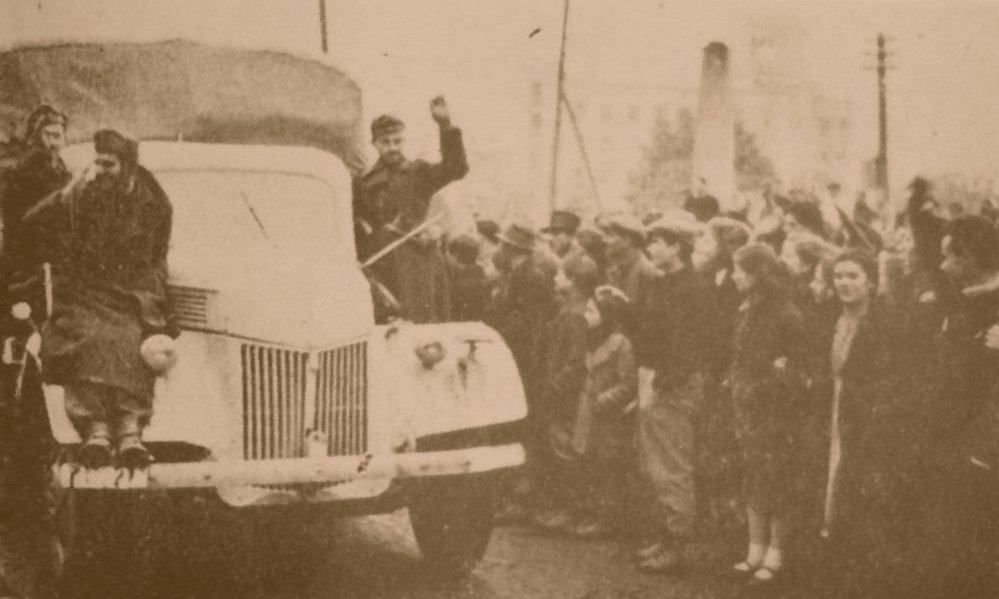
The Stratsin–Kumanovo Operation was an offensive by the Bulgarian army during Bulgaria's participation in the Second World War against the Third Reich. Its aim was to block the retreat of German Army Group E from Greece to Central Europe and protect the approaches to the Vardar River valley.
Struggle for control of the Black Sea
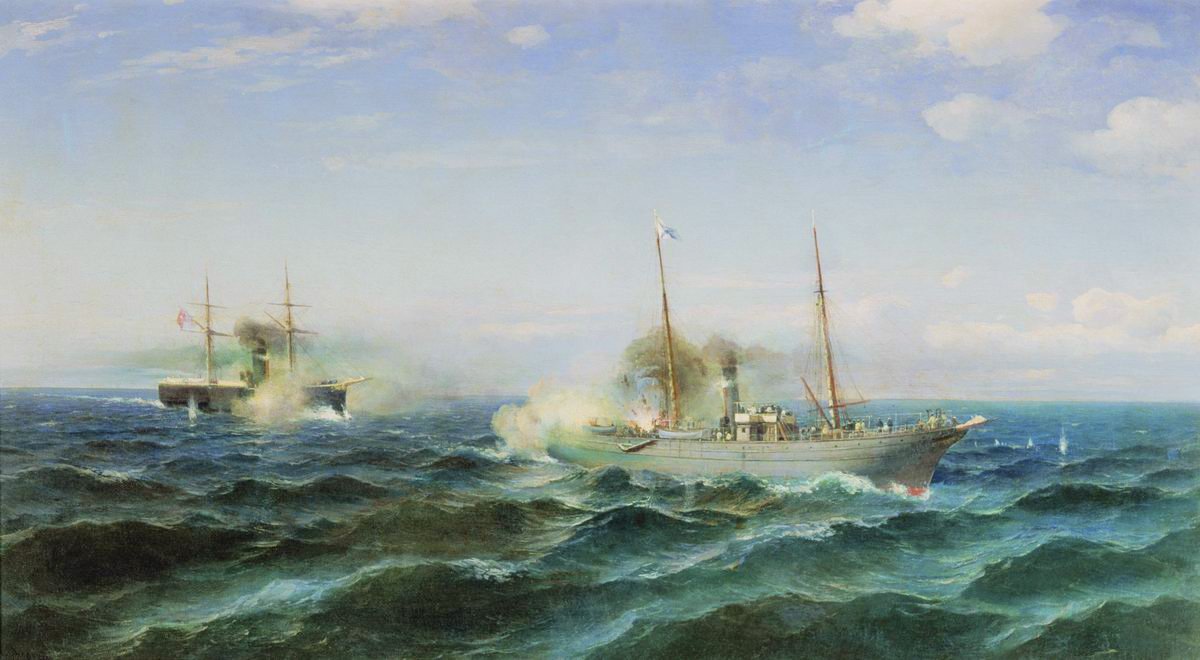
The struggle for control of the Black Sea took place during the Russo-Turkish War of 1877–1878. The Russian Black Sea Fleet sought to secure the army's maritime communications and defend Russia's Black Sea coast.
Struggle for control of the Danube
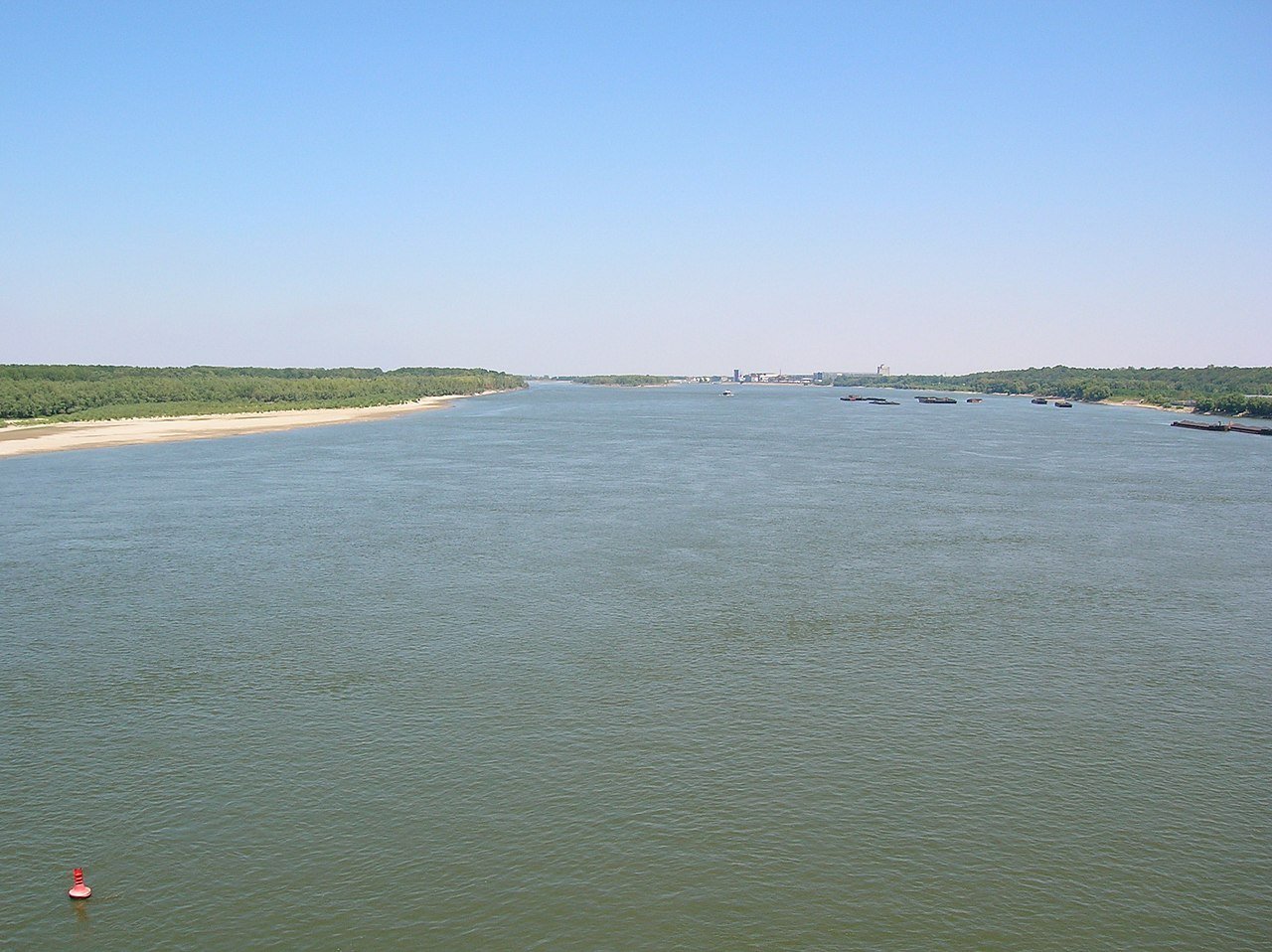
The struggle for control of the Danube was an operation by the Russian Danube Flotilla during the Russo-Turkish War of 1877–1878. It sought to secure the field army's river communications and divert Ottoman attention from the main crossing at Svishtov.
Struma Operation
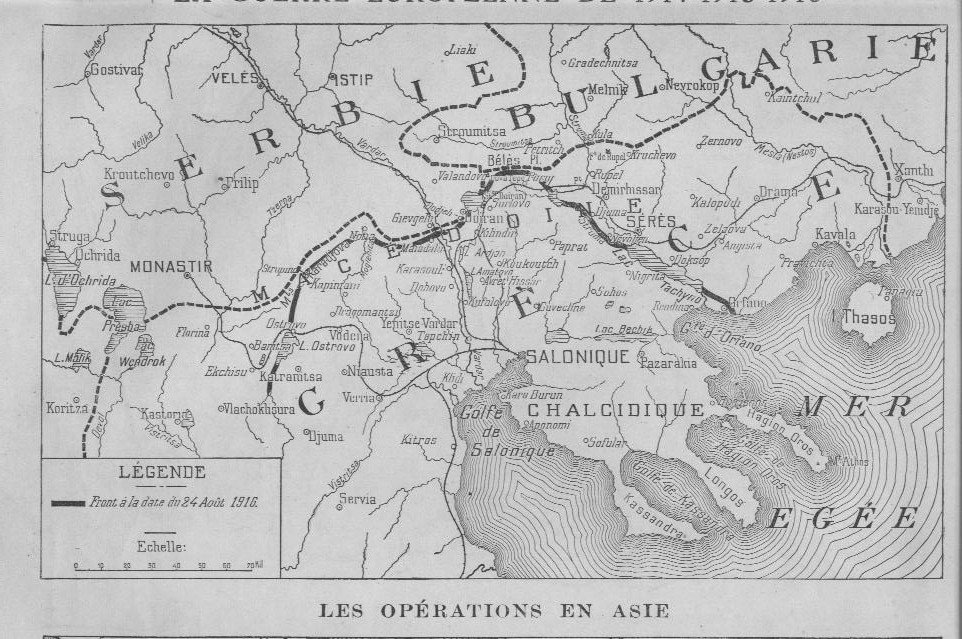
The Struma Operation was an offensive operation by the Bulgarian army against the Entente, more specifically Greece and France, during the First World War. It was conducted alongside the Florina offensive.
Struma Operation
The Struma Operation was a Bulgarian army operation during the Second World War, conducted from 9 September to 18 October 1944. Its opponent was the German forces in northern Greece.

Tatar army devastates Bulgarian lands
A Tatar army of forty thousand horsemen devastated north-eastern Bulgarian lands. The Byzantine emperor had summoned the Tatars to Thrace to counter the anti-Byzantine alliance.
The Battle at the Bosporus
After the battle near Constantinople in 921, Tsar Simeon concluded a secret treaty with the Egyptian caliph al-Mahdi, seeking an alliance to capture the city. The Byzantines discovered their plans, however, and they failed.