Siege of Lovech

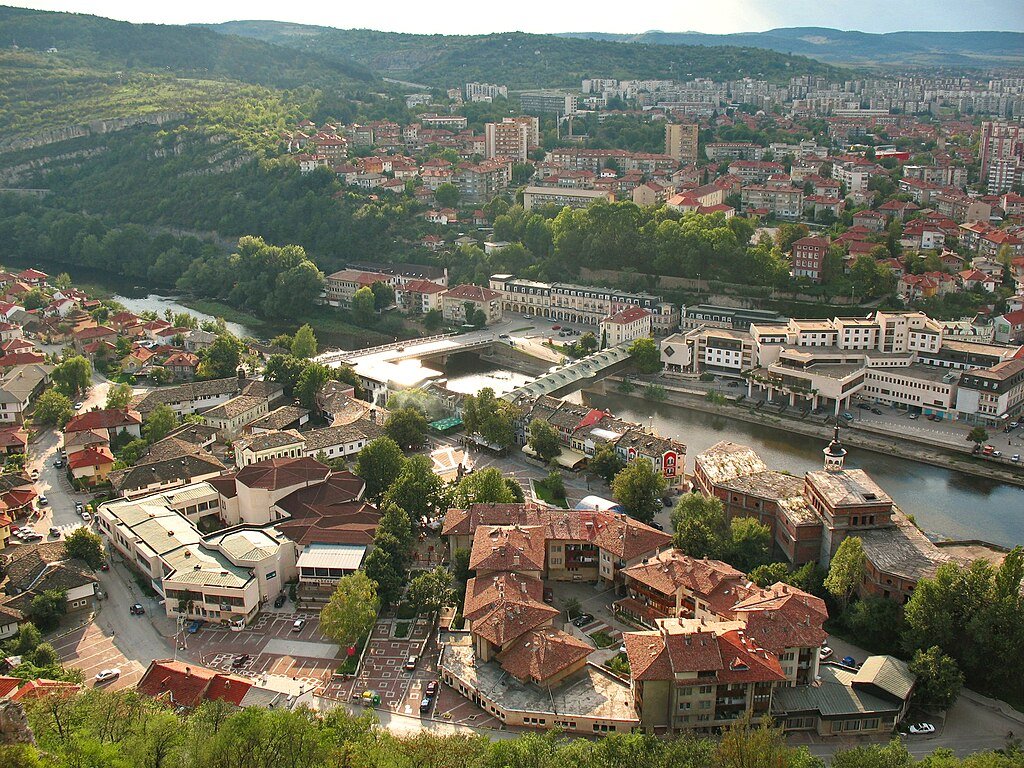
Siege of Lovech
The successful uprising of the Asen brothers in 1185 led to the proclamation of the restoration of the Bulgarian state. Byzantium's difficulties with the Normans delayed an adequate response. Emperor Isaac II Angelos planned campaigns against the rebels. His troops were delayed at Sredets, winter arrived, and the campaign was postponed until the spring of 1187. In 1186, the Bulgarians learned that the Byzantines were in Sredets and regrouped towards the passes of the western Balkan Mountains. In the spring of 1187, Isaac II Angelos advanced from Sredets towards the capital, Veliko Tarnovo. During his advance, he reached the medieval fortress of Lovech. There, the Byzantine army besieged the fortress for three months because of its strong defences and the difficult surrounding terrain. These factors halted the Byzantine advance and created a balance of forces that prompted negotiations.
According to the Byzantine historian Niketas Choniates, the sole source for this event, the Byzantine emperor abandoned the siege of Lovech. He captured Maria, the wife of Ivan Asen I, and his younger brother Kaloyan, then withdrew his army south. The Treaty of Lovech is believed to have been concluded there in 1187. Under this treaty, Byzantium recognised the independence of the areas affected by the uprising, and Asen and Peter were recognised as Bulgarian rulers.
Share:


