Battles

302 results
Gorno Karadzhovo massacre
The Gorno Karadzhovo massacre was an operation by the Greek armed movement in Macedonia against the civilian population of Gorno Karadzhovo in the Serres region on 25 October 1906. It was carried out in retaliation for an IMARO attack led by the revolutionary commander Tasko Serski on the pro-Greek village of Homondos on 1 September 1906.
Gyuneli Mahle massacre
The Gyuneli Mahle massacre was the mass killing of Bulgarian civilians in Gyuneli Mahle, now Lyubenova Mahala, near Nova Zagora, on 14 July 1877. Ottoman regular troops, Circassians and bashi-bazouks carried it out during the Russo-Turkish War of Liberation.
Ivaylo defeats a 5,000-strong Byzantine army
Ivaylo's army defeated a Byzantine force of 5,000 commanded by Aprin, who was killed in the battle. Seeking to explain Ivaylo's invincibility, Byzantine chronicles stated that 'he performed many feats because he fought with reckless bravery'.
Katranitsa massacre
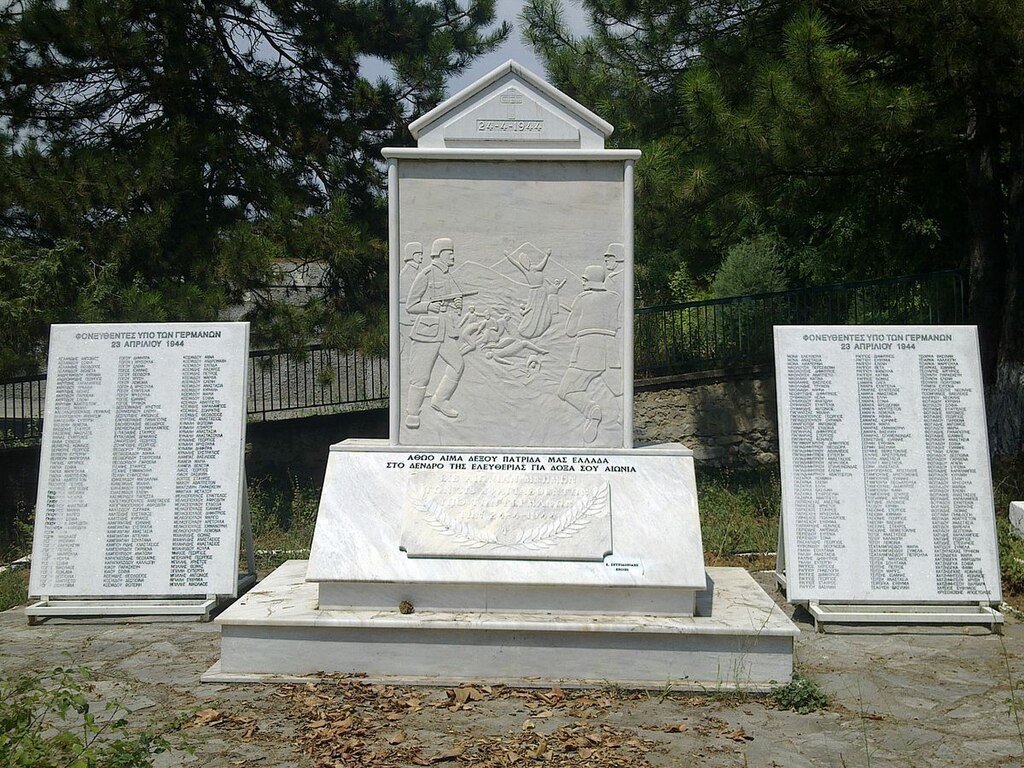
The Katranitsa massacre (Greek: Σφαγή των Πύργων Κοζάνης) was the killing of 318 inhabitants of Katranitsa in western Macedonia, Greece, by Greek collaborators on 24 April 1944, during the German occupation of Greece. The massacre was organised by Friedrich Schubert, who led the paramilitary unit.
Khan Tervel's Battle with the Arabs
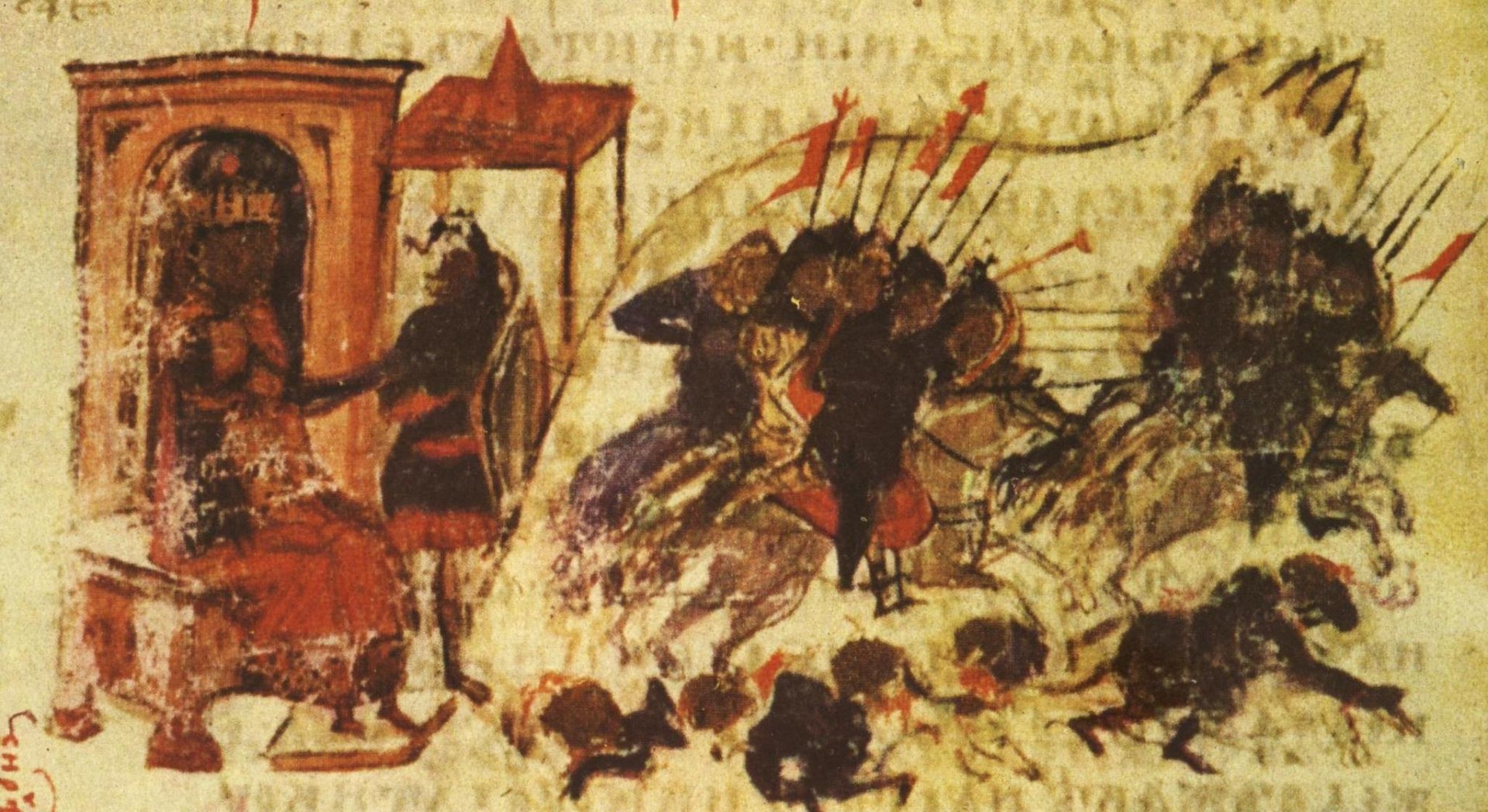
In the autumn of 717, a large Arab army besieged the Byzantine capital, Constantinople. Emperor Leo III appealed to Khan Tervel for assistance.
Kočani massacre
The Kočani massacre was an attack by local Turks on the town's Bulgarian population on 19 July 1912, or 1 August in the new calendar. It followed an attack carried out that day by the Internal Macedonian-Adrianople Revolutionary Organisation.
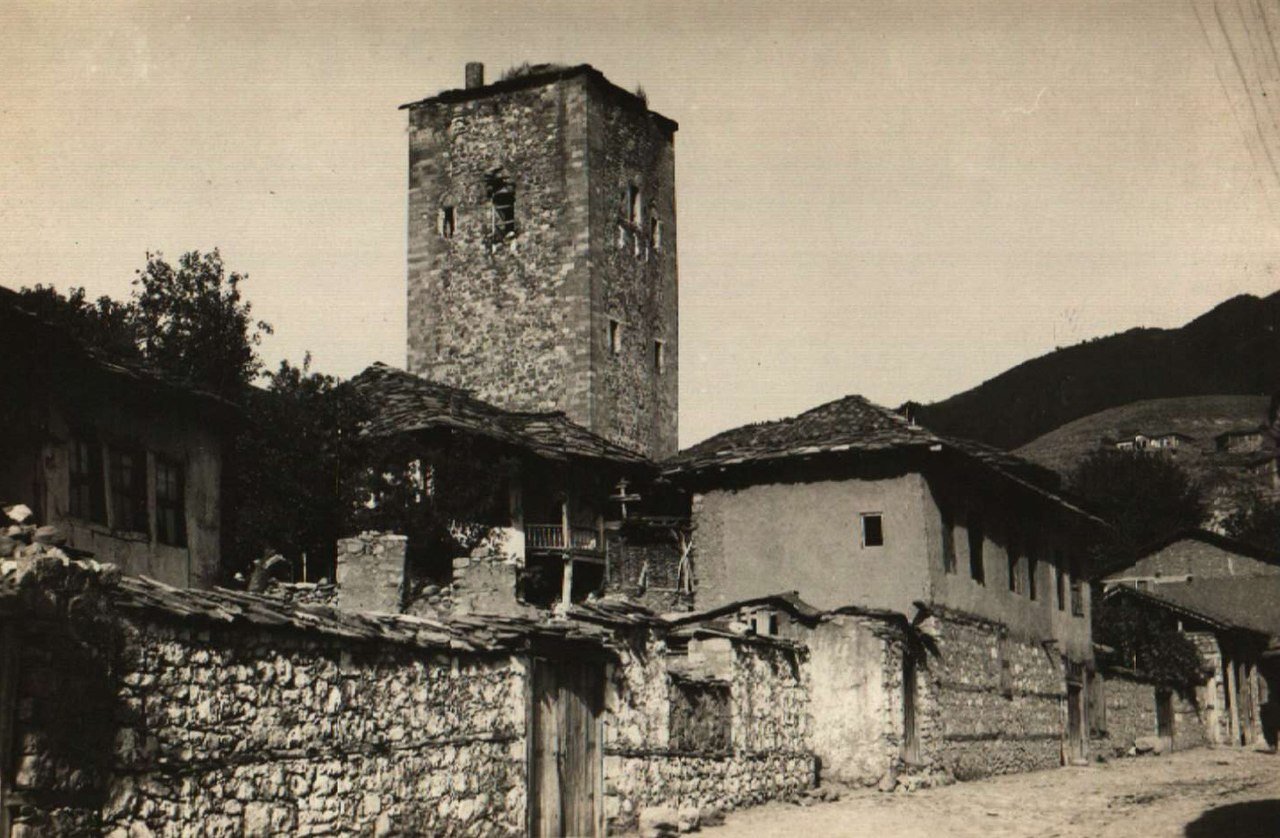
Konstantin and Mircea the Elder capture Drastar
The armies of Konstantin and Mircea the Elder captured Drastar and almost all of Dobrudja, inflicting heavy losses on Ottoman forces.
Krum against the Avars
At the beginning of his reign, Krum faced conflicts between the Avars and the Byzantine and Frankish empires. The two empires sought world domination, while the Avar Khaganate had once almost captured Constantinople.
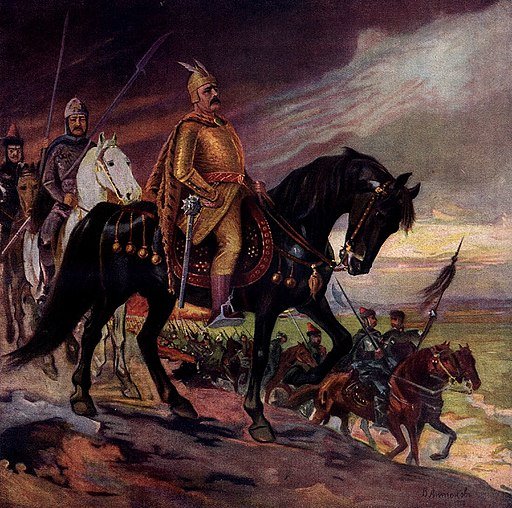

Landing at Galați
The landing at Galați was a crucial operation by the Russian Lower Danube Detachment. It aimed to divert Ottoman attention and prepare the way for successful Russian offensive operations in the region.
Loss of Dyrrhachium fortress
The Bulgarians lost the fortress of Dyrrhachium and the surrounding territory. Ashot Taronites handed the fortress over to the Byzantines and fled to Constantinople with his wife, a daughter of Tsar Samuel.
Madzharovo massacre
The Madzharovo massacre, the mass killing of more than 1,800 ethnic Bulgarians in 1913, was connected with the aftermath of the Second Balkan War that year. Under the Treaty of Constantinople of 16 September 1913 between Bulgaria and the Ottoman Empire, Bulgaria lost territory in the Adrianople region of Thrace.
Massacre in the Bosilegrad region
The massacre in the Bosilegrad region took place in May 1917 during the First World War. Bulgaria was then fighting Greece on the southern front and in Romania on the northern front.

Mur Operation
Following the political changes in Bulgaria in the second half of 1944, the country's new leadership decided to join the anti-Hitler coalition. The Mur Operation was a Bulgarian offensive campaign against the forces of the German Empire, also known as the Third Reich.
Offensive into Byzantine territory
Samuel organised a major offensive into Byzantine territory along a broad front. His army repeatedly entered Thrace, Macedonia, the lands around Thessaloniki, Hellas and the Peloponnese, encountering almost no resistance.
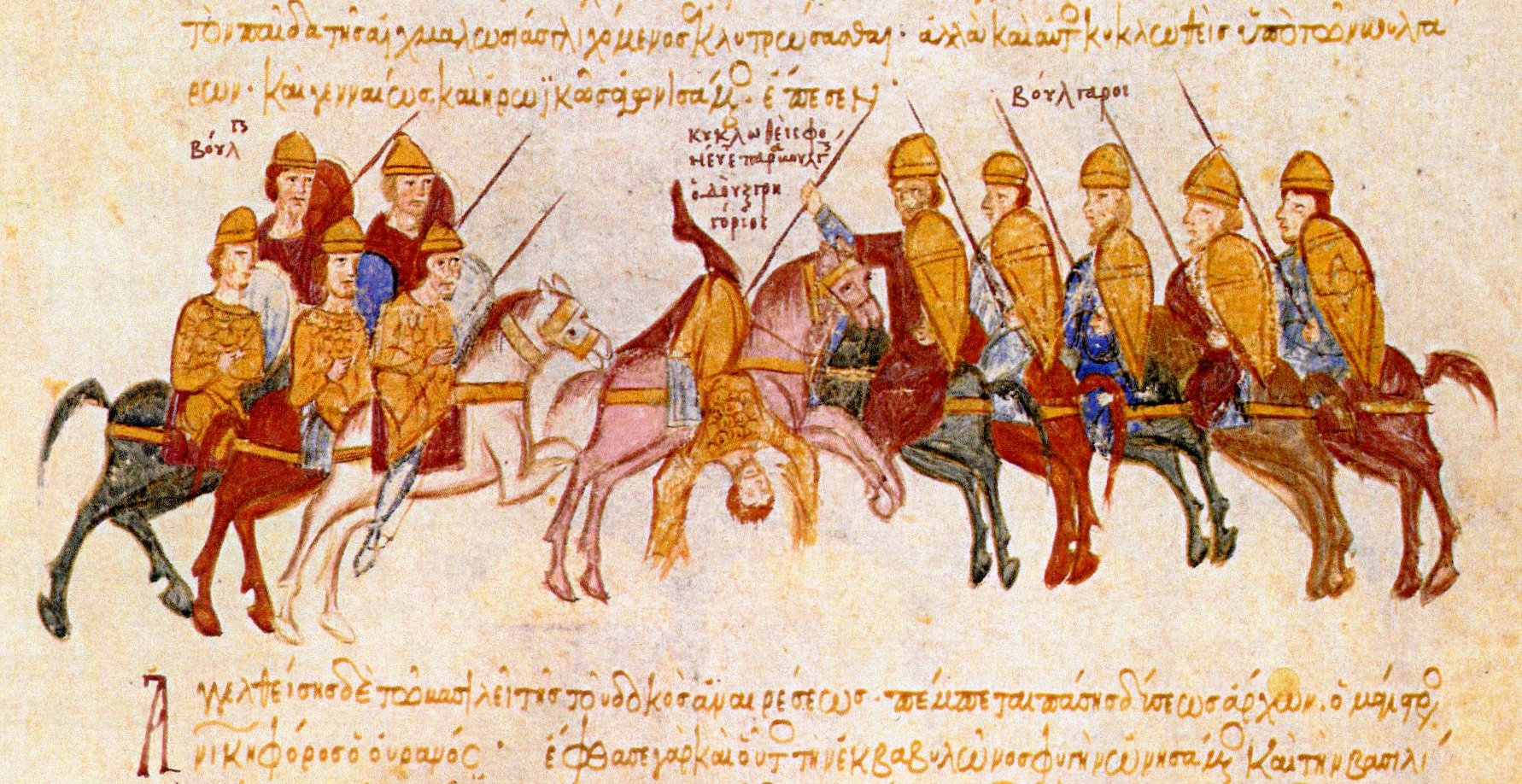

Operation Tidal Wave
On 1 August 1943, American air forces carried out Operation Tidal Wave over the Balkans to bomb the oil refineries around Ploiești, Romania. The operation aimed to disrupt the Wehrmacht's oil supplies and demonstrate the destructive power of US strategic aviation.
Pecheneg invasion of northern Bulgaria
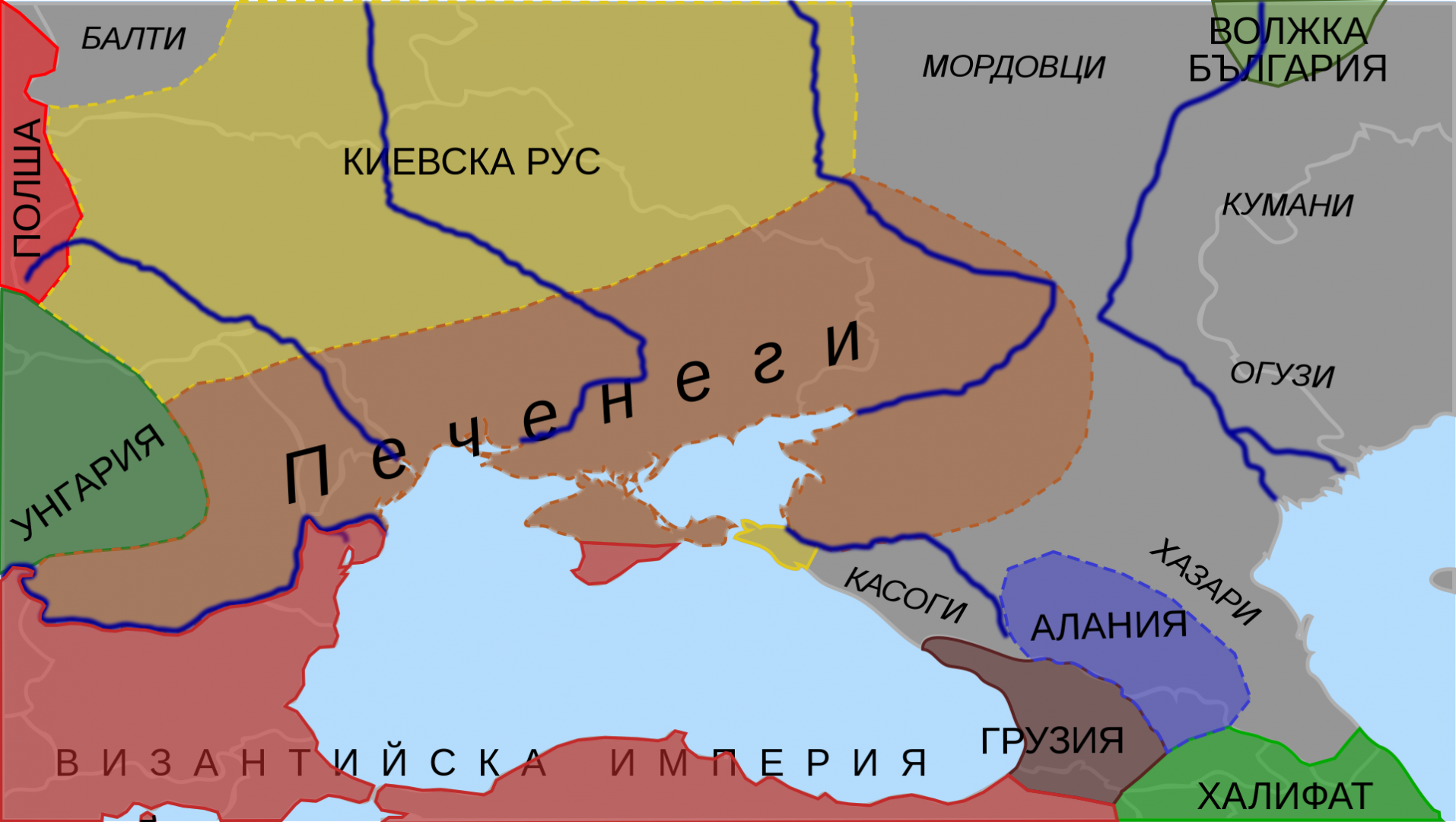
A large-scale Pecheneg invasion across the frozen Danube devastated northern Bulgaria and Thrace, reaching as far as Macedonia. Historical accounts describe the invaders destroying everything in their path and mercilessly killing prisoners.
Petrich Incident
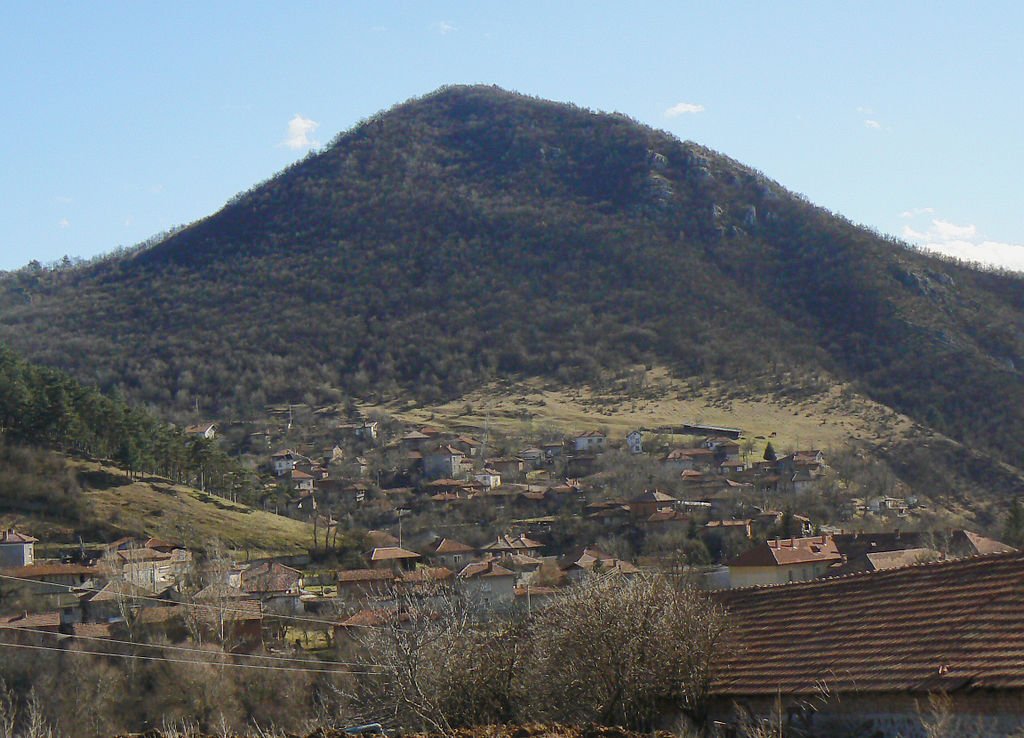
The Petrich Incident was a border conflict between Bulgaria and Greece in 1925. Following the killing of a Greek soldier, Greek military units invaded Bulgarian territory and occupied ten Bulgarian villages.
Presian's Campaign
The first war between Bulgarians and Serbs broke out between 839 and 842. Before this conflict, the two peoples had lived peacefully, according to Byzantine sources.
Raids in Thrace
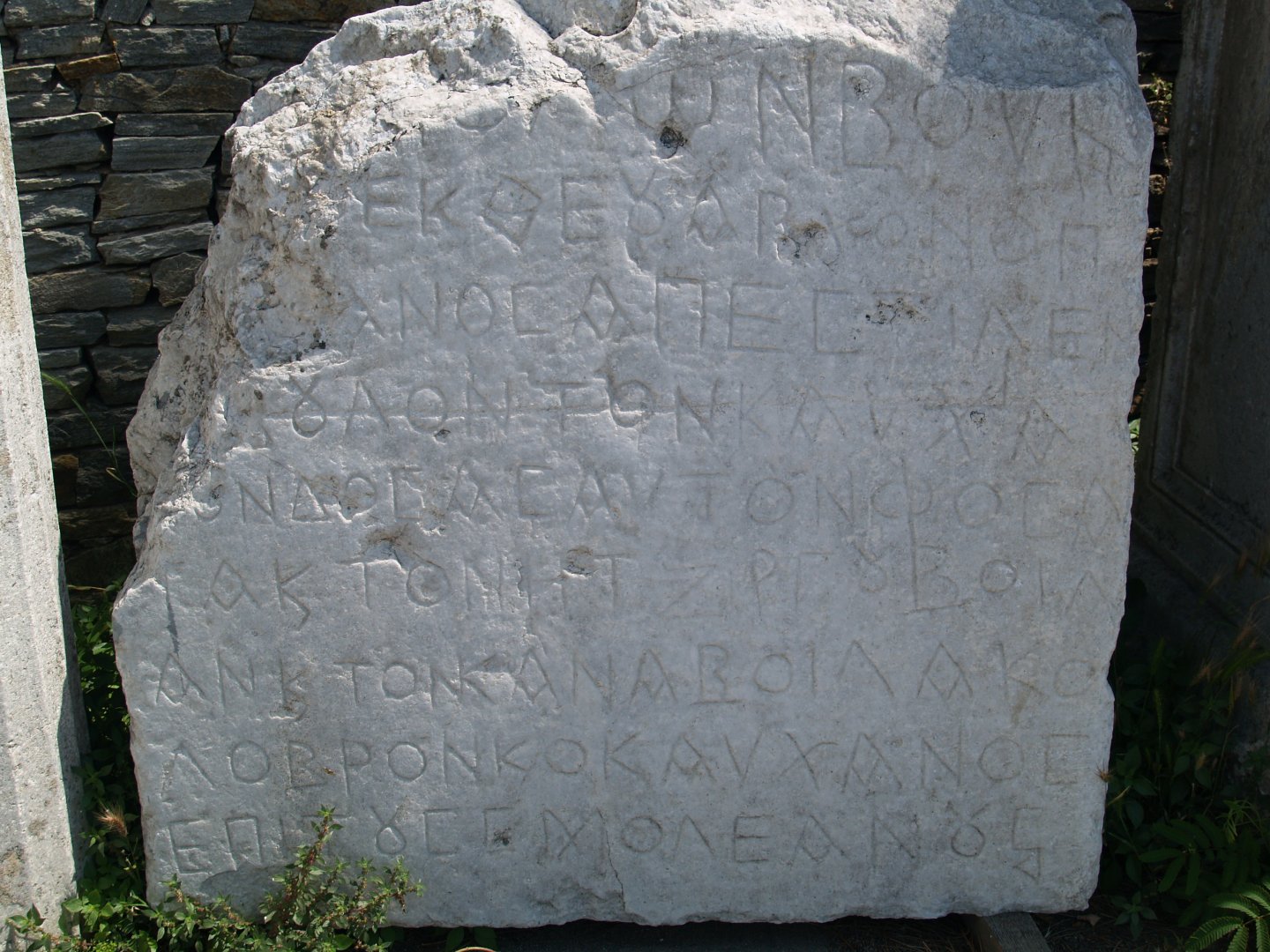
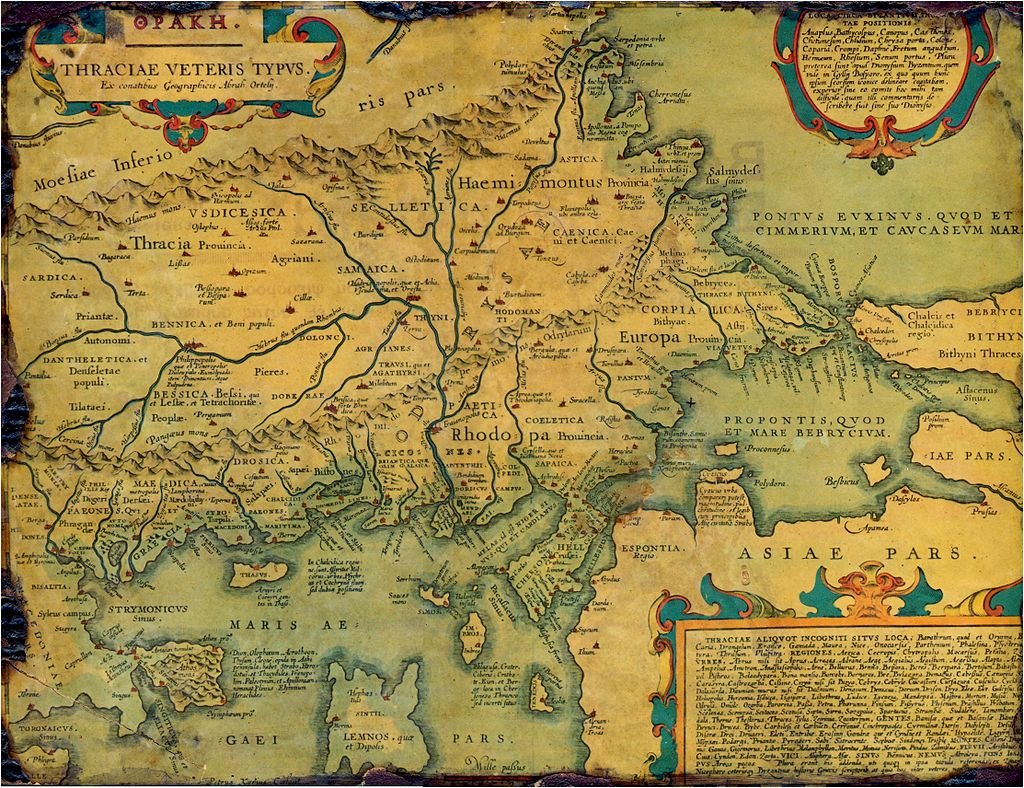
In 814, after Khan Krum's sudden death, the siege of Constantinople ended and Bulgarian troops withdrew. Khan Omurtag took the throne.
Russian troops capture Ottoman fortresses
Russian troops crossed the Danube and captured the principal Ottoman fortresses in northern Dobrudja: Isaccea, Măcin and Tulcea. Their objective was Silistra.
Second assault on Pleven
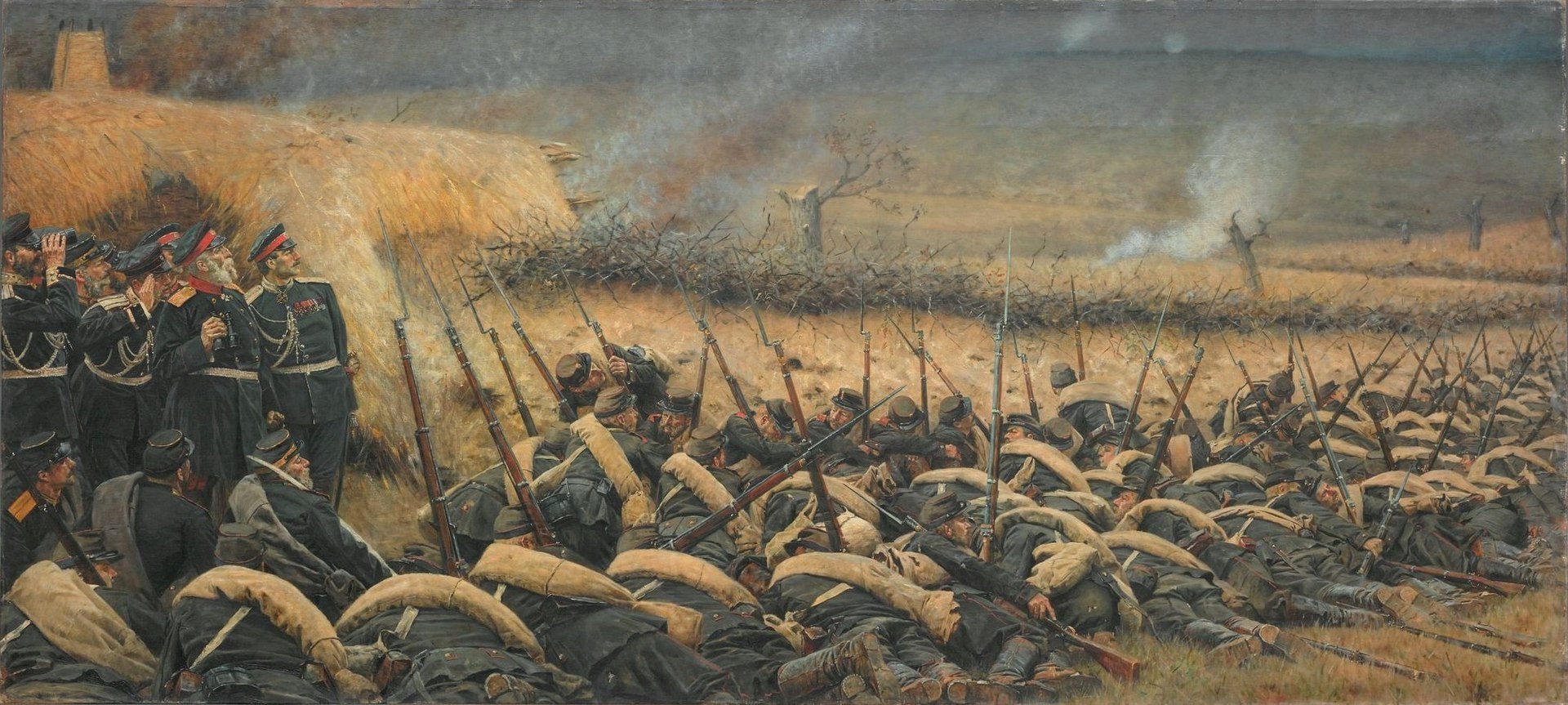
The second assault on Pleven was a clash between the Ottoman Western Army and the Russian Western Detachment for control of the town. It ended in another Russian failure.
Second Balkan War
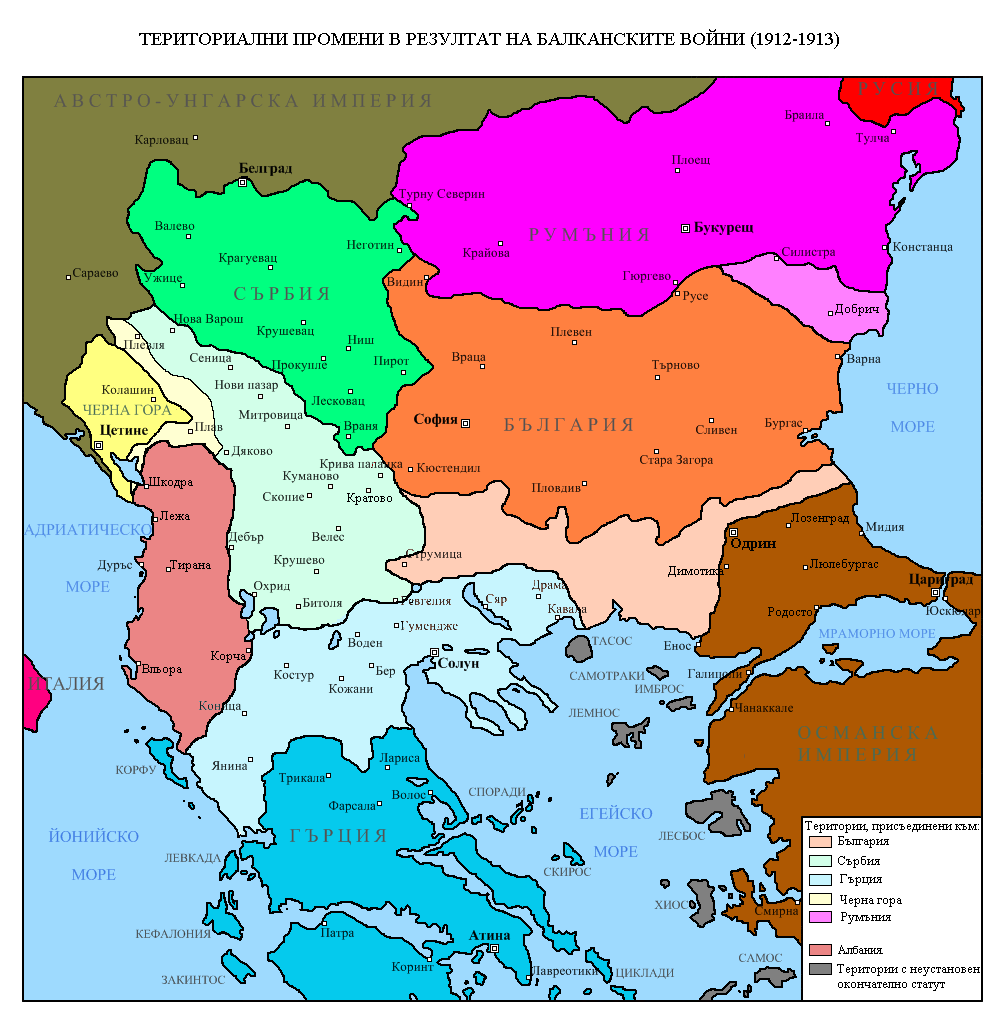
The Inter-Allied War, or Second Balkan War, broke out in summer 1913 between Bulgaria on one side and Serbia, Greece, Montenegro, Romania and the Ottoman Empire on the other. The war arose from a dispute among members of the Balkan League over the division of territories taken from the Ottomans in the First Balkan War.
Second Battle of Çatalca
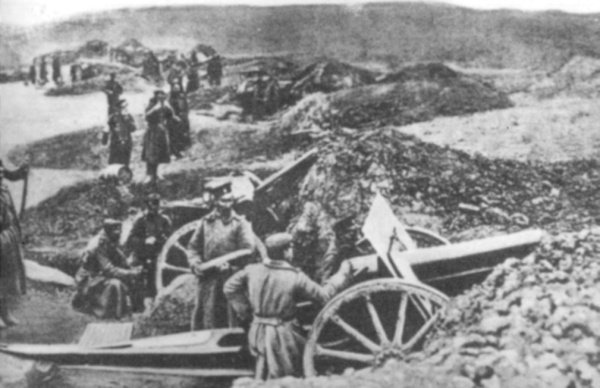
The Battle of Çatalca, fought from 23 January to 2 February 1913, was the second battle of the Balkan War at Çatalca. In the previous battle, the Bulgarian troops had been crushed.
Serbo-Bulgarian War
The Serbo-Bulgarian War began on 14 November 1885 (2 November Old Style). It was a pivotal event in Bulgarian history, helping secure international recognition of the Unification of the Principality of Bulgaria and Eastern Rumelia.