Battles

302 results
The Battle of Constantia
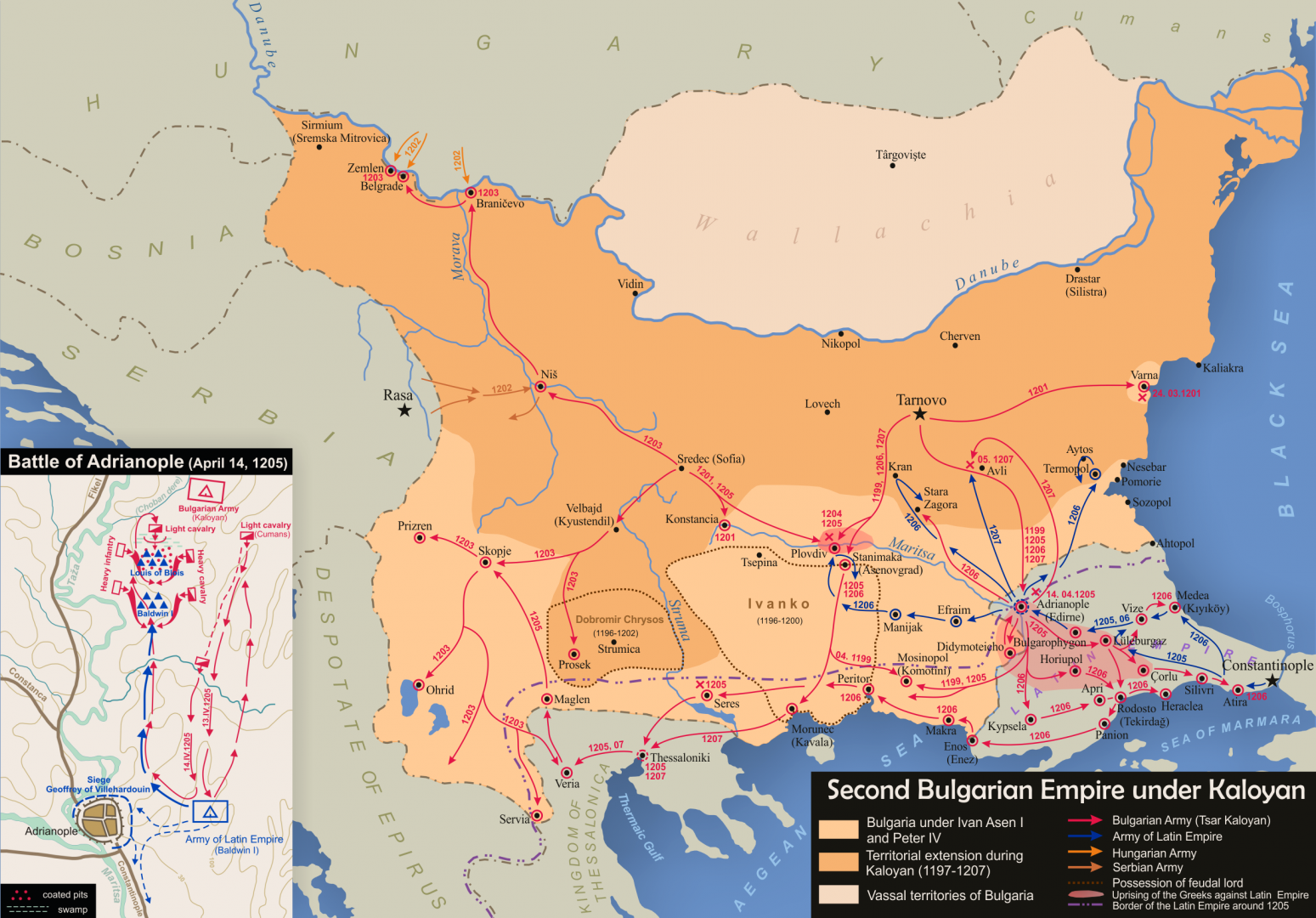
While Ivanko and Dobromir Chrysos occupied the Byzantine forces, Tsar Kaloyan planned to liberate Bulgarian lands from Byzantium. After his coalition with the two collapsed, he formed a new one with John Spyridonakes, Manuel Kamytzes and Dobromir Chrysos once again.
The Battle of Devina
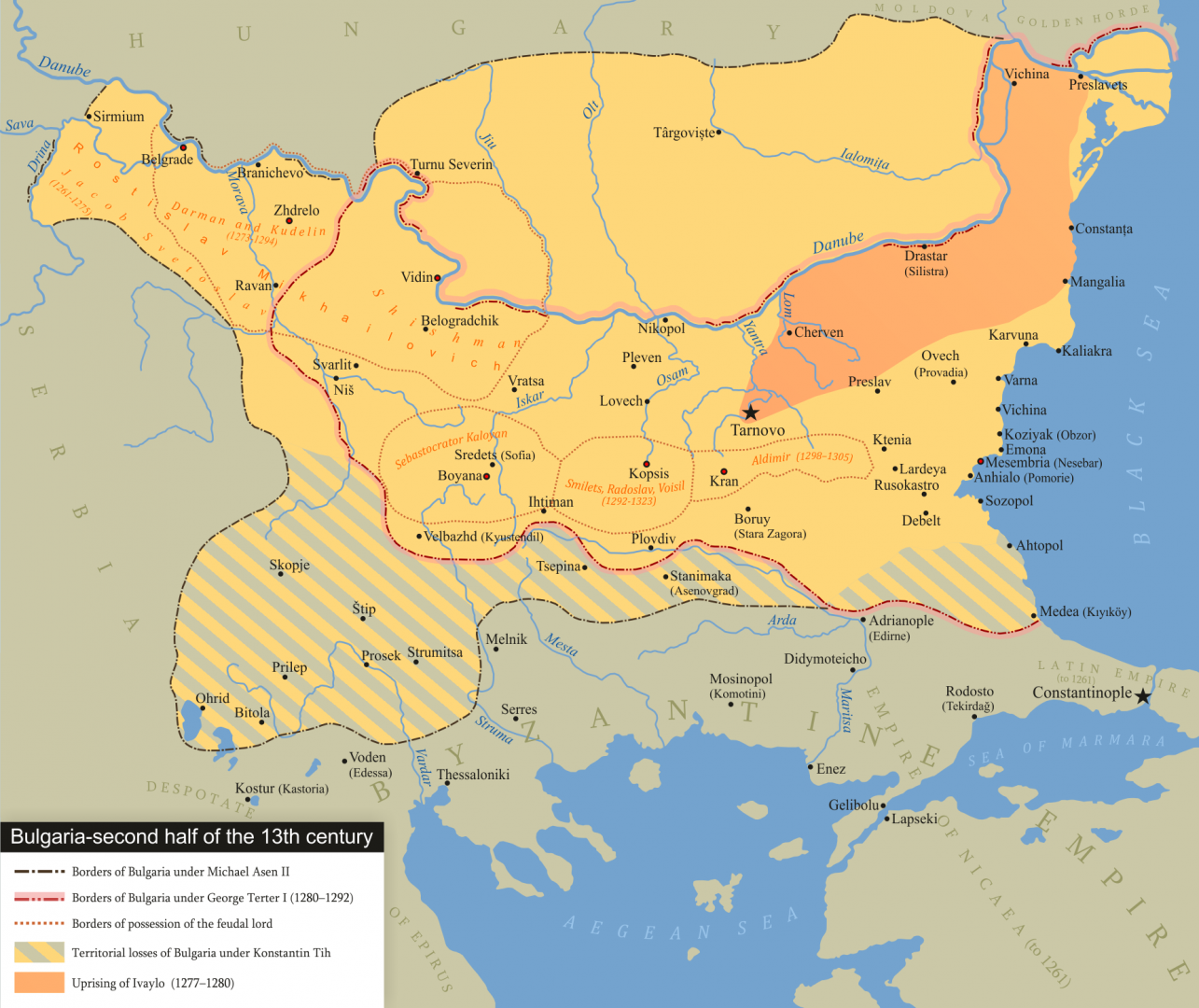
In 1277, a popular uprising led by Ivaylo broke out in north-eastern Bulgaria against Tsar Konstantin Asen and the Tatar invaders. Emperor Michael VIII Palaiologos saw an opportunity to exploit Bulgaria's internal divisions.
The Battle of Drastar
After Veliki Preslav fell, all eastern Bulgaria came under Byzantine rule and Tsar Peter II was deposed. Preslav was burned during the battle, forcing its troops to evacuate towards Silistra, where Prince Sviatoslav I's main forces were stationed.
The Battle of Edirne
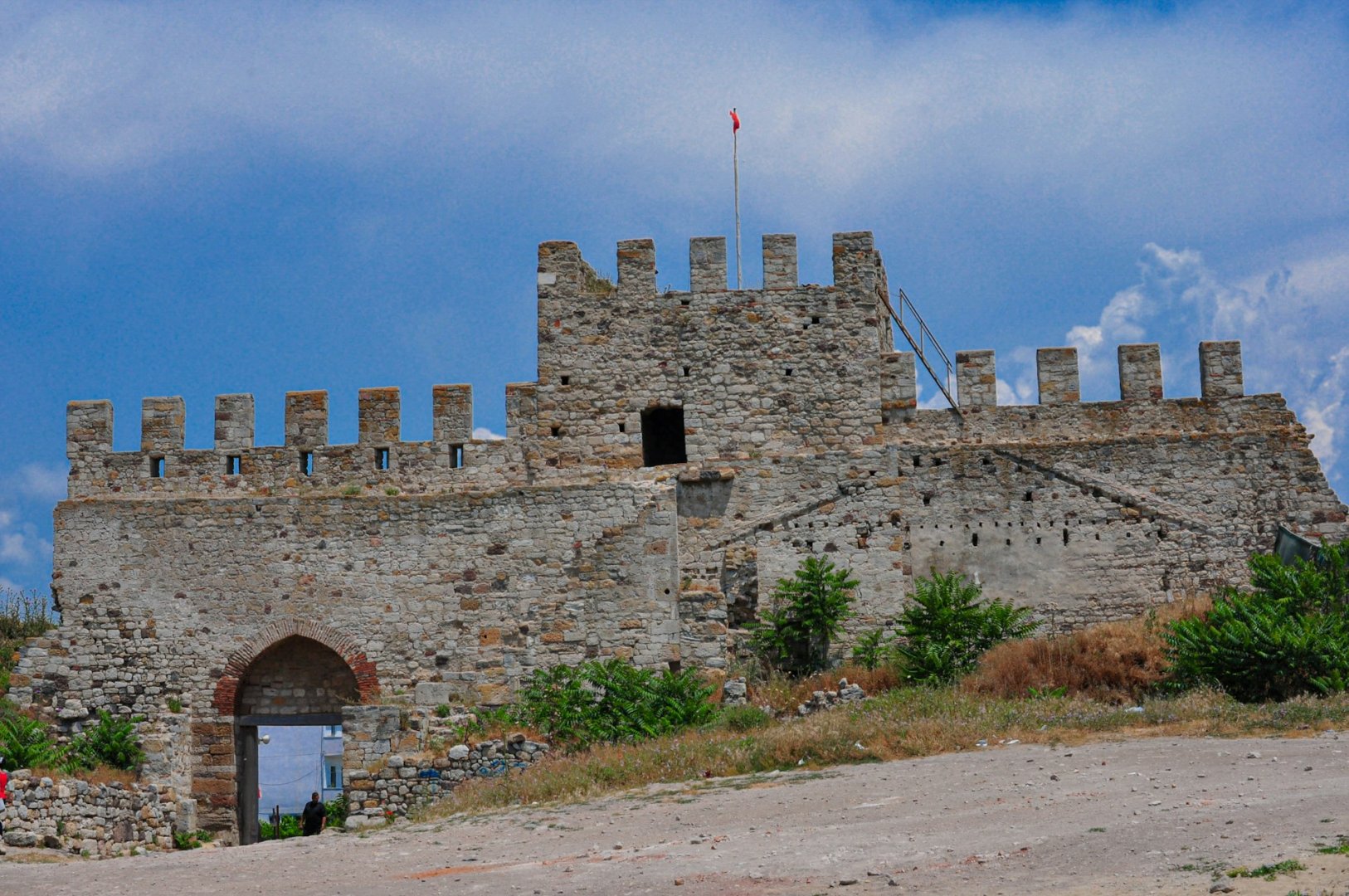
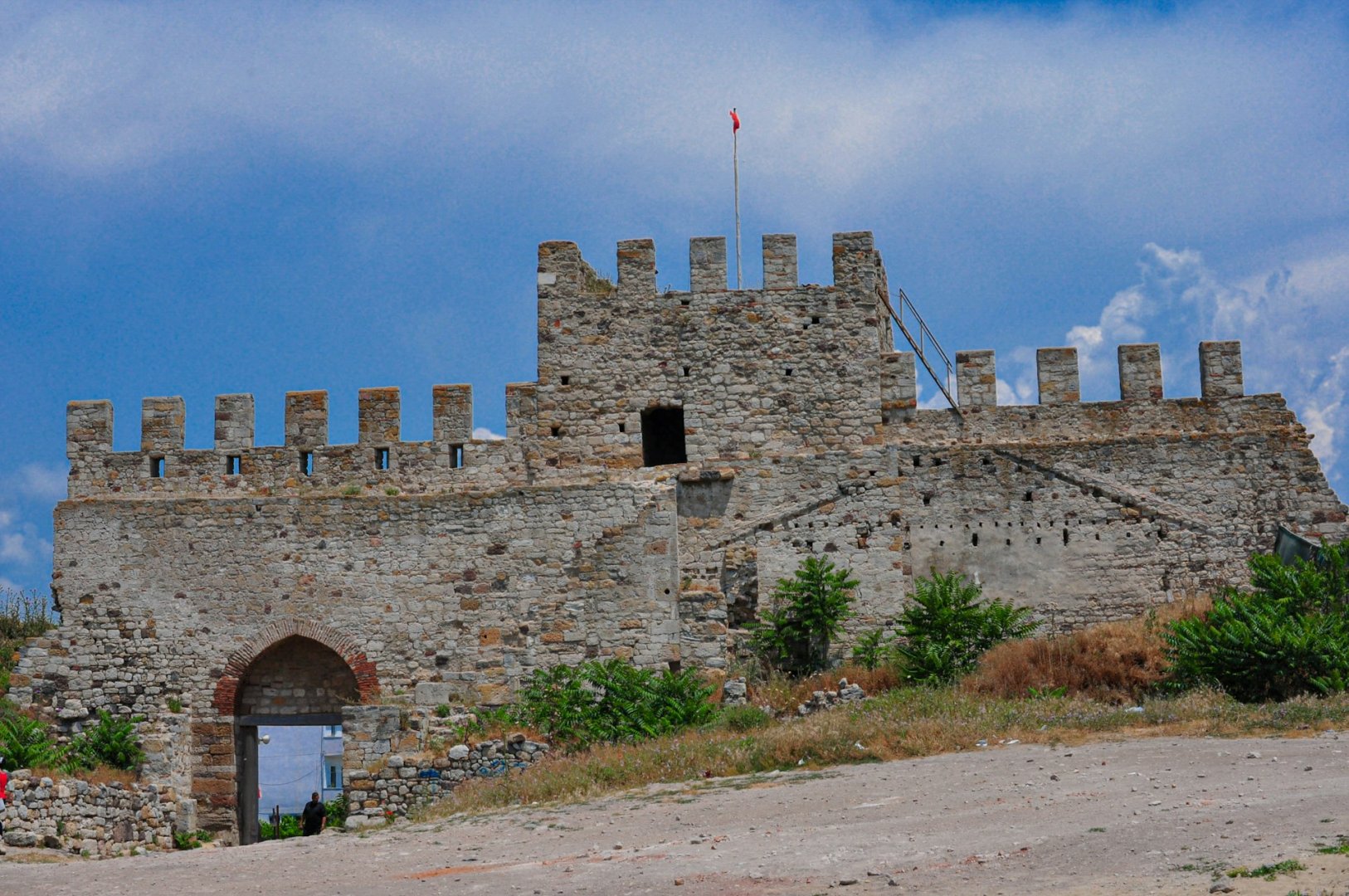
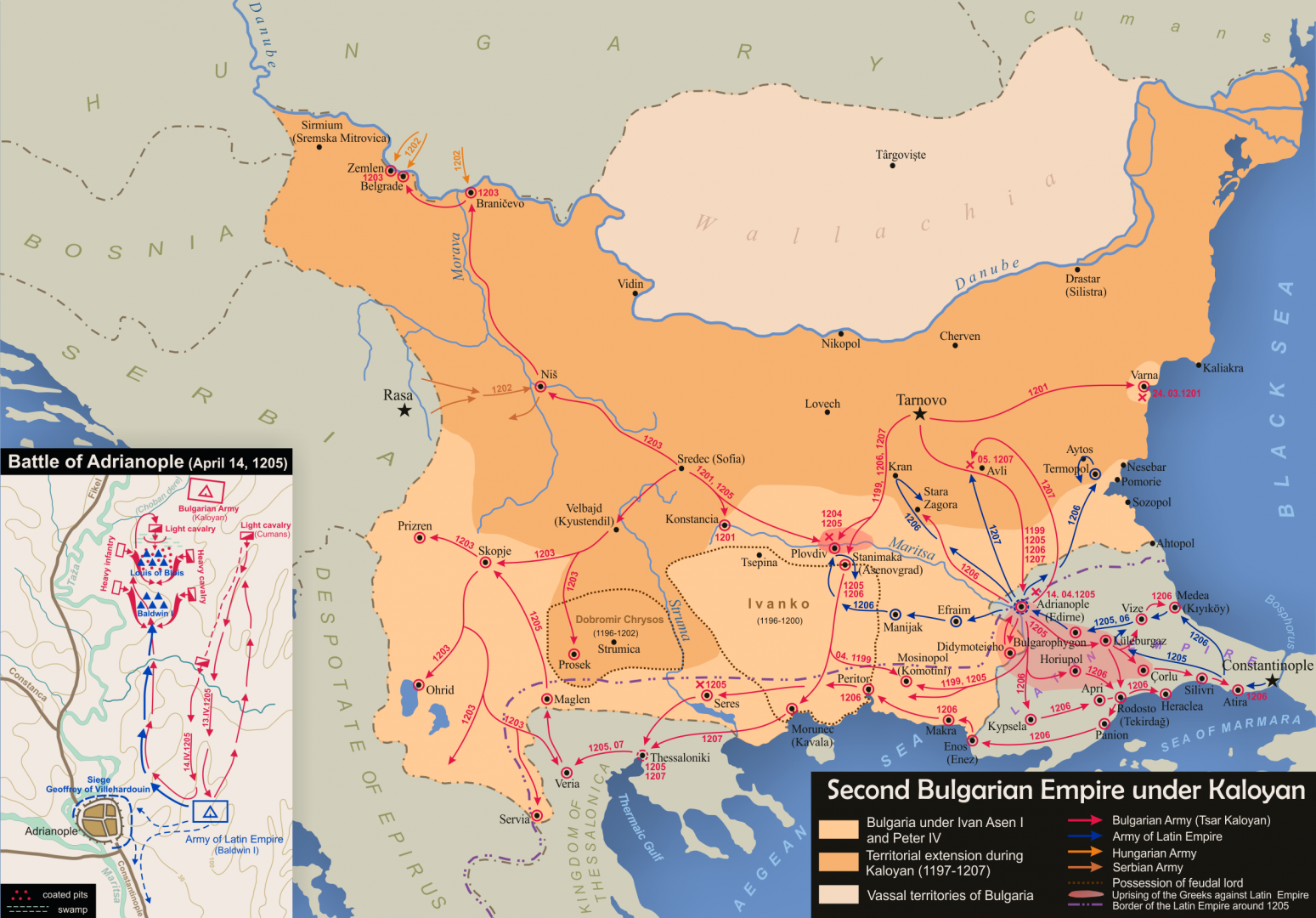
The Battle of Adrianople in 1205 was associated with the Eighth Crusade, which began in 1202 and ended in 1204. The expedition was organised to liberate Jerusalem from Muslim rule.
The Battle of Edirne
The Byzantine Empire fell during the Fourth Crusade, and Byzantine aristocrats founded the Empire of Nicaea. Despite its name, it was less an empire than a fortress of paramount importance.
The Battle of Kalimantsi
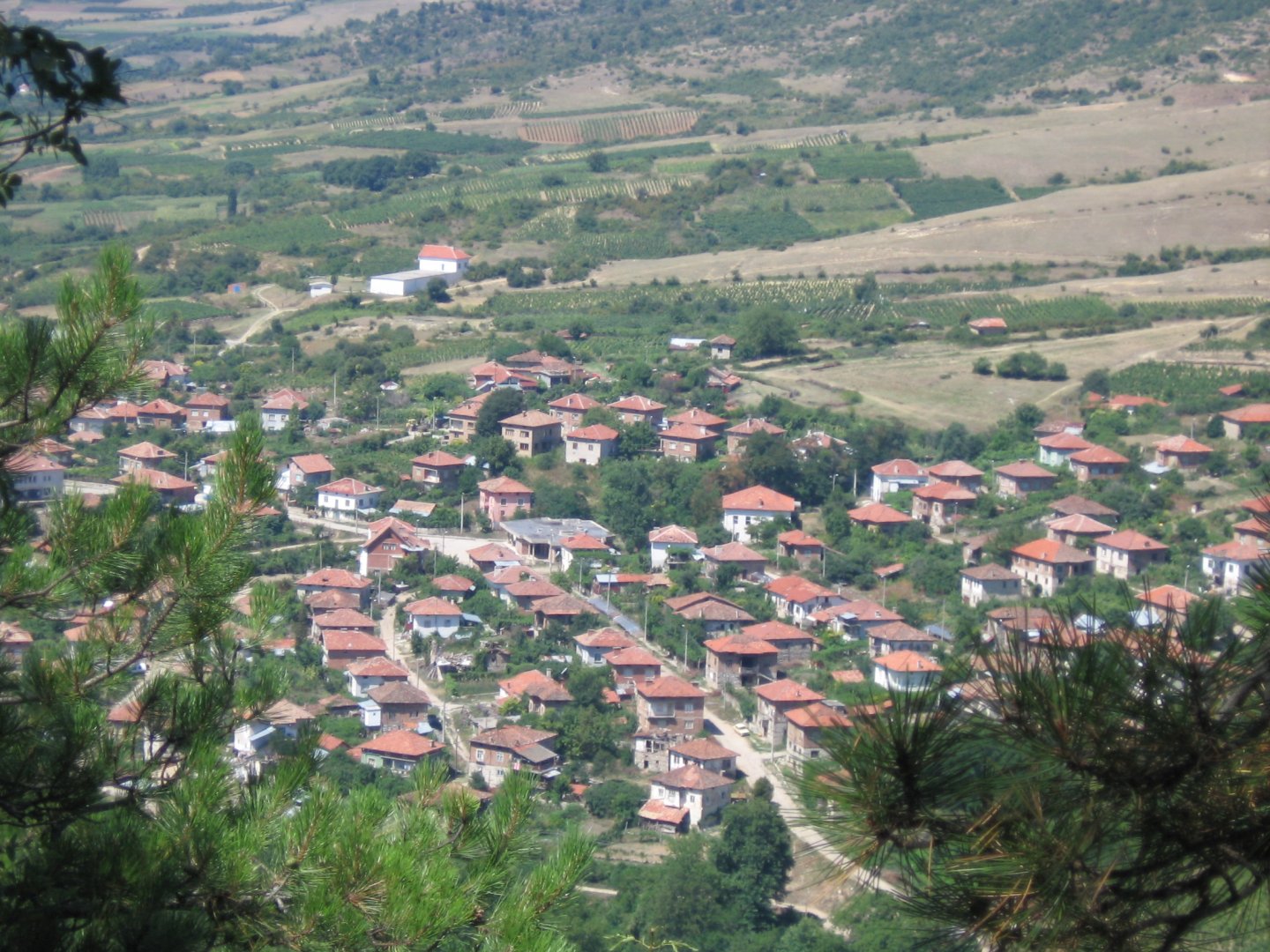
During the Second Balkan War, Bulgaria's Fourth Army organised its defence along the south-eastern ridge of the Osogovo Mountains, the crest of Mount Golak and the upper Bregalnica River. The fortified Kalimantsi position formed the centre of the defence.
The Battle of Karapelit–Kochmar
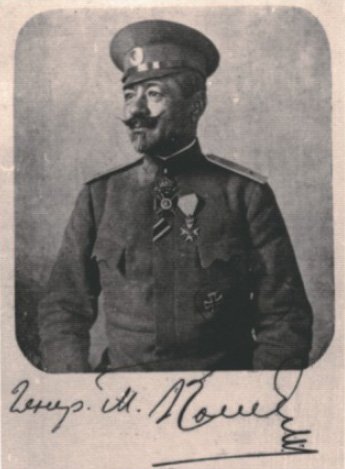
On 3 September 1916, near these villages in the Dobrich region, General Ivan Kolev's Bulgarian Cavalry Division fought an encounter battle with a Romanian brigade supported by Russian artillery and Cossack cavalry units. The enemy formation was tasked with guarding the approaches to the Tutrakan fortified area and, if necessary, joining the battle there.
The Battle of Klokotnitsa
After Tsar Ivan Asen II ascended the throne, Bulgaria's influence over regional politics increased considerably. The ruler of Epirus, Theodore Komnenos, decided to challenge Bulgarian dominance and launched a military campaign against Bulgaria.
The Battle of Klyuch
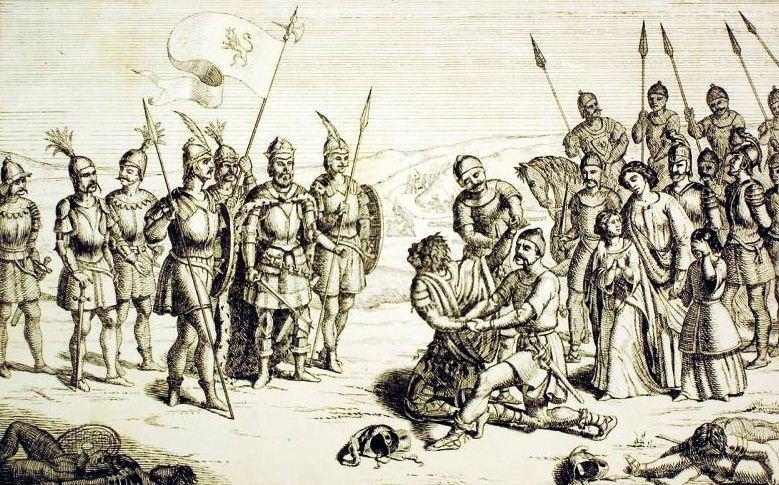
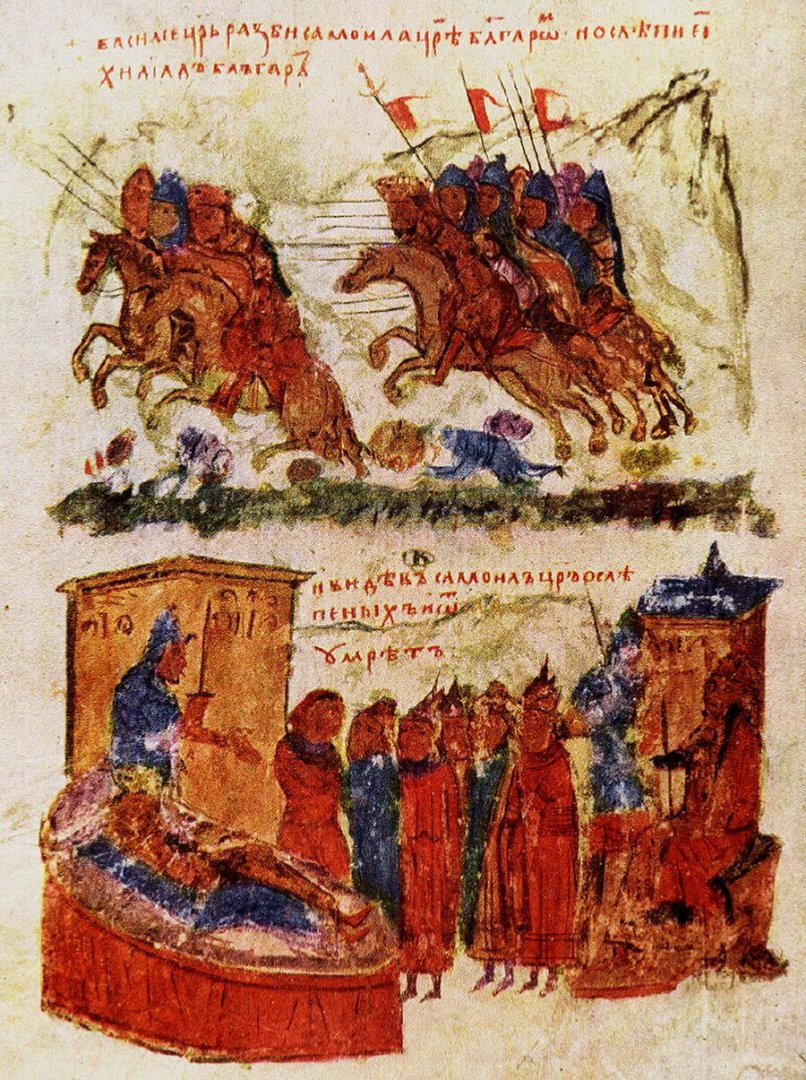
The Battle of Klyuch, or Belasitsa, was Tsar Samuel's final battle. After the defeat at Kreta, clashes between Samuel and Basil continued.
The Battle of Kosturino
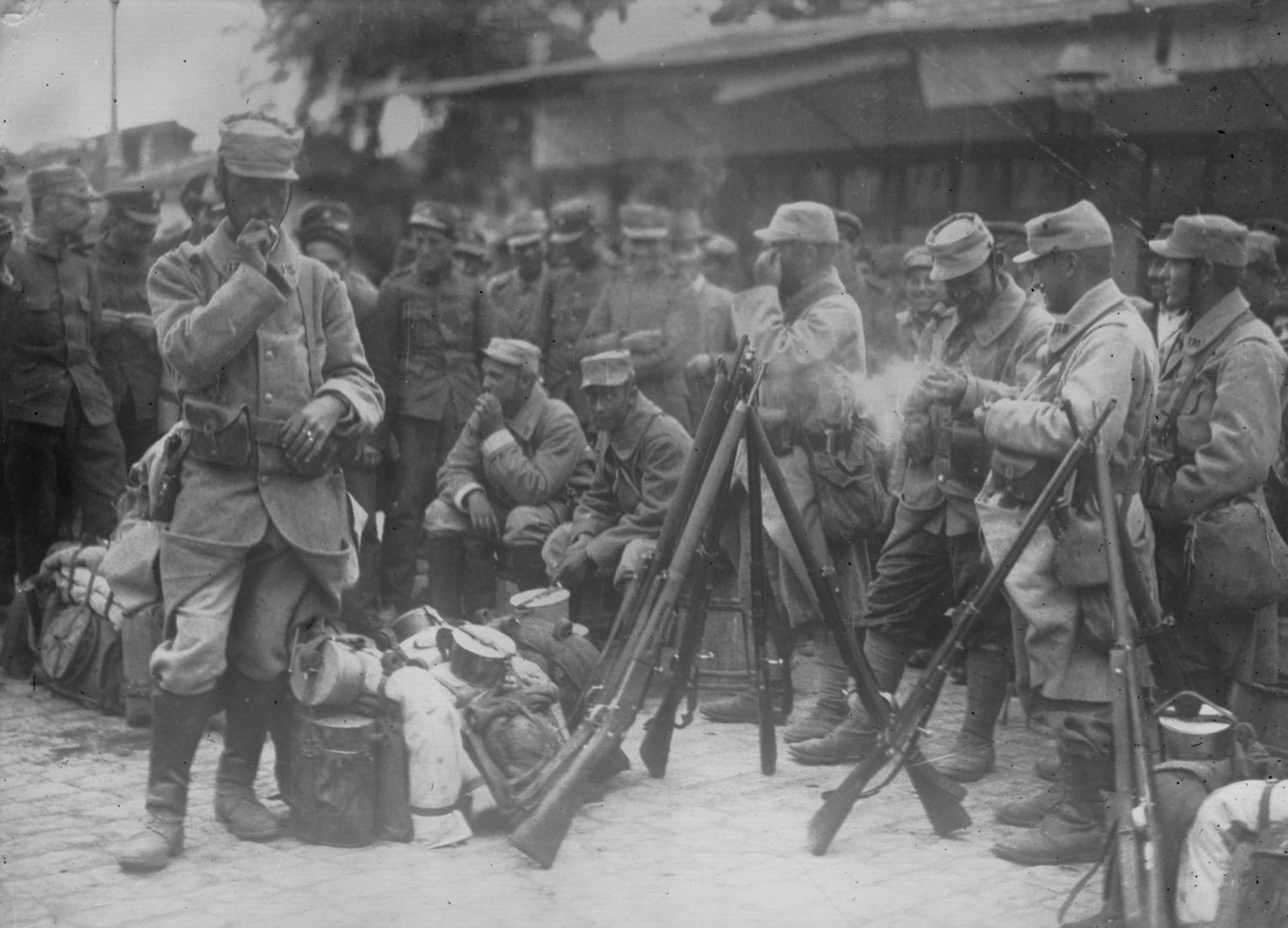
The Battle of Kosturino was a First World War engagement between Bulgarian forces and French and British Entente troops near the village of Kosturino in Vardar Macedonia from 6 to 12 December 1915. It took place during the early stages of the Salonika Front in the Balkan theatre.
The Battle of Kreta
Samuel was proclaimed tsar after Tsar Roman's death. Before and after the Battle of the Gates of Trajan, he conducted numerous operations, liberating Bulgarian territories one by one.
The Battle of Krichim
After taking power, Kaloyan managed his relations carefully with the Byzantine emperor, Ivanko and other boyars who had broken away from the state, including Dobromir Chrysos and John Spyridonakes. He reached a political agreement with Ivanko, compelling him to enter into conflict with Byzantium.
The Battle of Krivolak
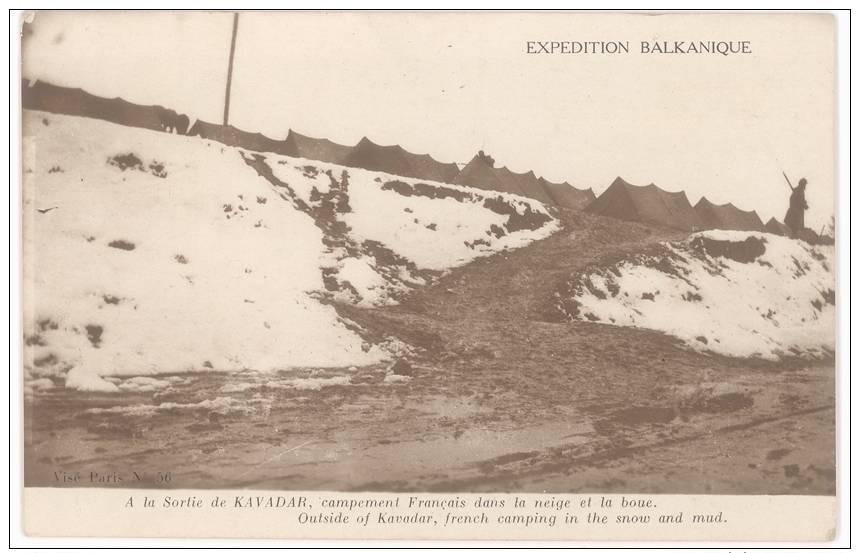
After Bulgaria entered the First World War on 1 October 1915 and advanced against Serbia, the First Bulgarian Army defeated Serbian troops in the Niš Operation, and the Second Army did so in the Ovche Pole Operation. Meanwhile, Entente units landed in Thessaloniki in early October and marched north to join Serbian troops that had withdrawn into Kosovo.
The Battle of Lithosoria
The Bulgarian rulers' unsuccessful campaigns in preceding years prompted the Byzantine emperor to launch another expedition into Danubian Bulgaria. The advance was halted somewhere near modern Varna, and Emperor Constantine V Kopronymos concluded a truce with Khan Telerig.

The Battle of Lüleburgaz–Bunarhisar
After the Bulgarian victory at Lozengrad, the Turks regrouped along the Lüleburgaz–Bunarhisar line. They had two groupings, one to halt the Bulgarians and the other to deliver a counterstroke.
The Battle of Marcellae
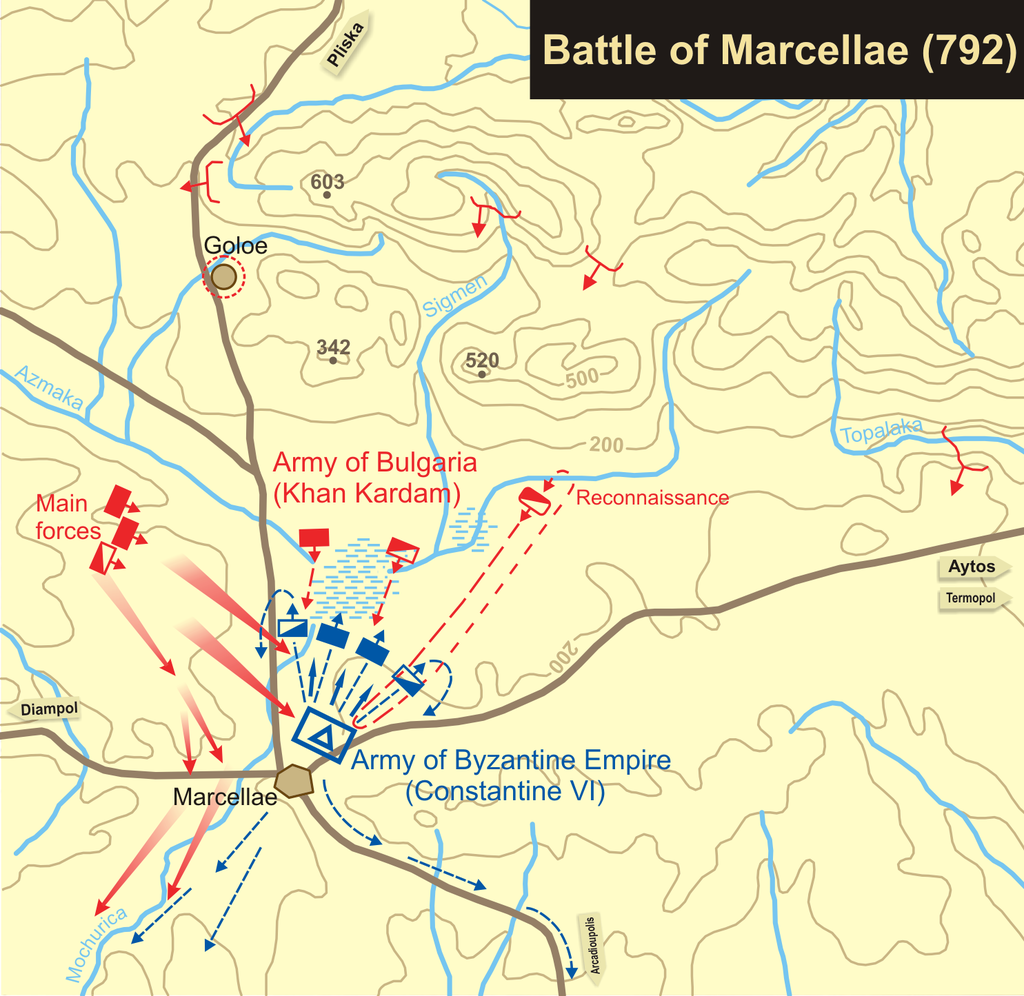
The forces of the Byzantine emperor Constantine VI reached Marcellae Fortress during their campaign against Bulgaria.
The Battle of Ongal
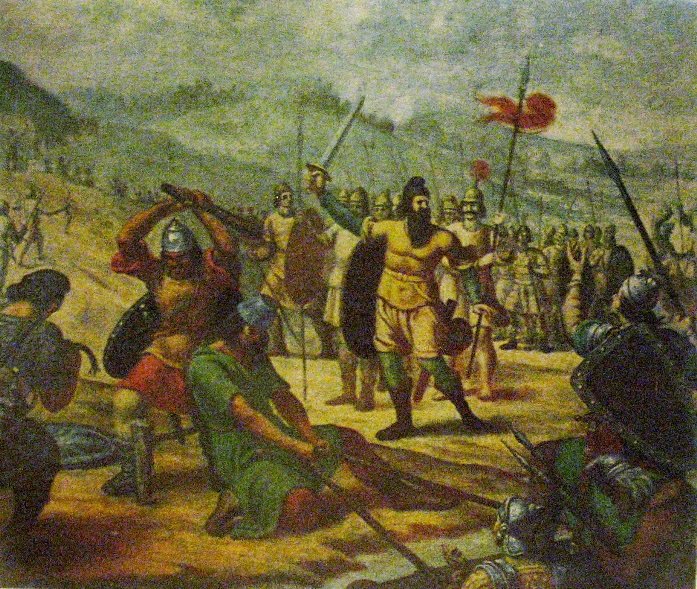
After crossing the Danube, the Bulgars settled along its lower course and built a fortified area covering around fifty square kilometres at Ongal. From this protected base, they gradually advanced into Dobruja, pushing the Byzantine presence southwards.
The Battle of Pelagonia
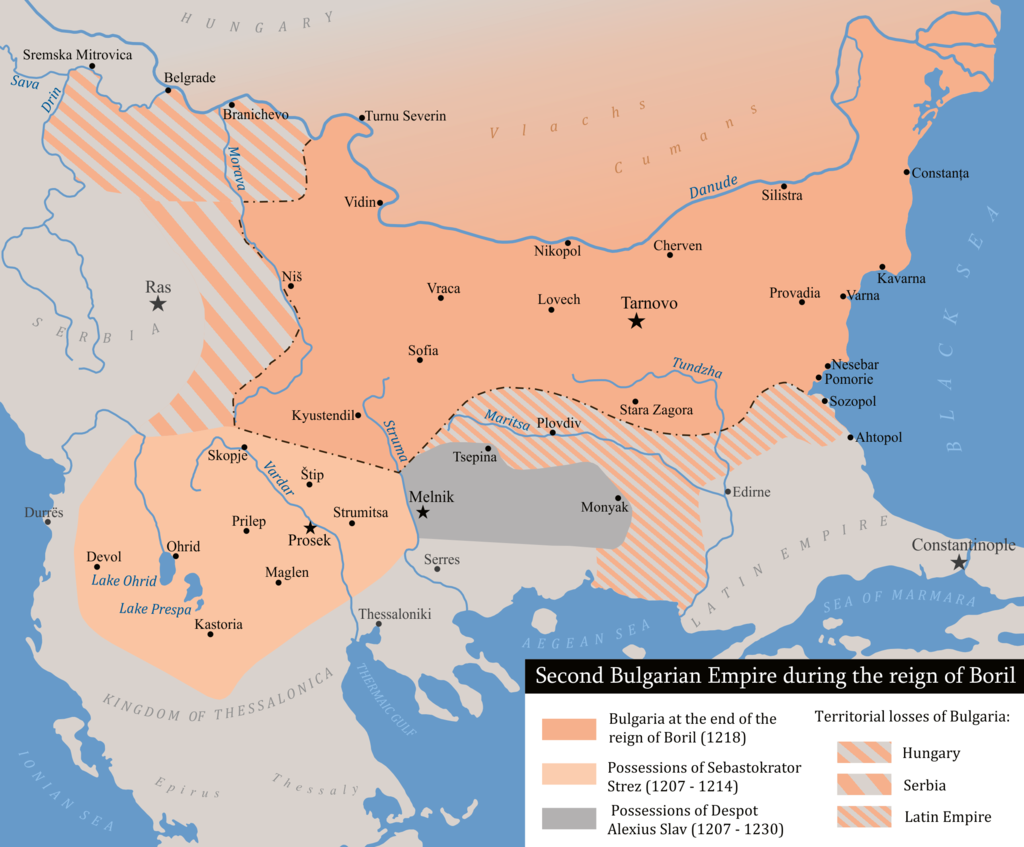
In 1211, Tsar Boril decided to renew his war against the Latin Empire and, with support from his brother, Sebastokrator Strez, attack the Kingdom of Thessalonica. The combined forces of the crusaders and Despot Alexios Slav, however, seized the initiative and advanced towards Prosek.
The Battle of Plovdiv
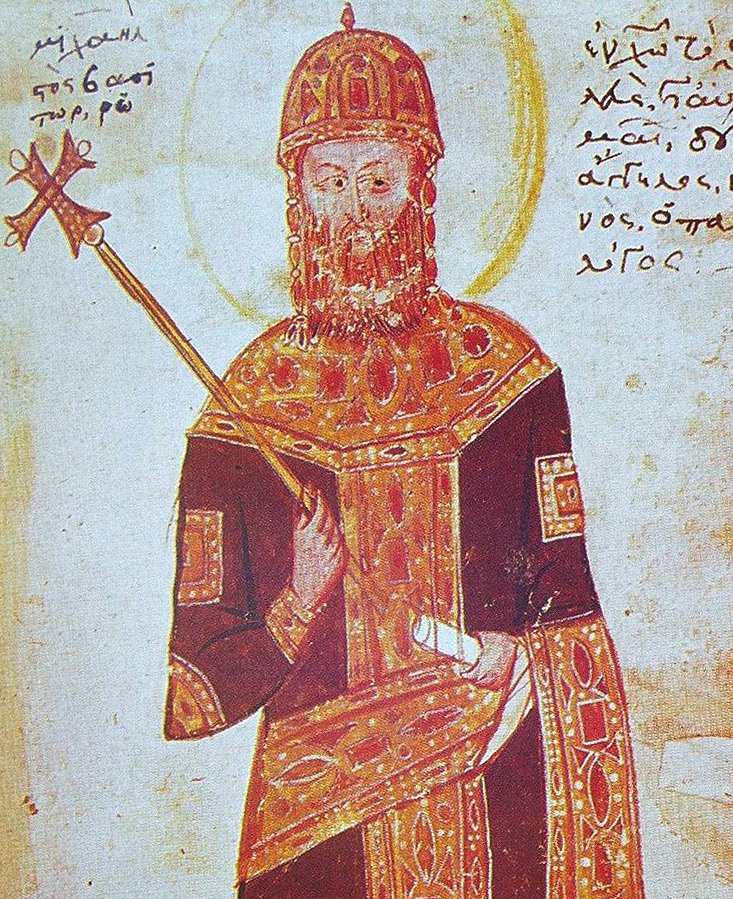
After Tsar Kaloyan was killed in a coup, Boril was proclaimed tsar. He began persecuting descendants of the Asen dynasty, some of whom escaped abroad, while attempting to consolidate the country.
The Battle of Rish Pass
Three years after the Bulgarian-Byzantine battle near Marcellae Fortress in 756, Emperor Constantine V organised nine campaigns against the Bulgarian state. Their aim was to subjugate the Bulgarian territories.

The Battle of Şarköy
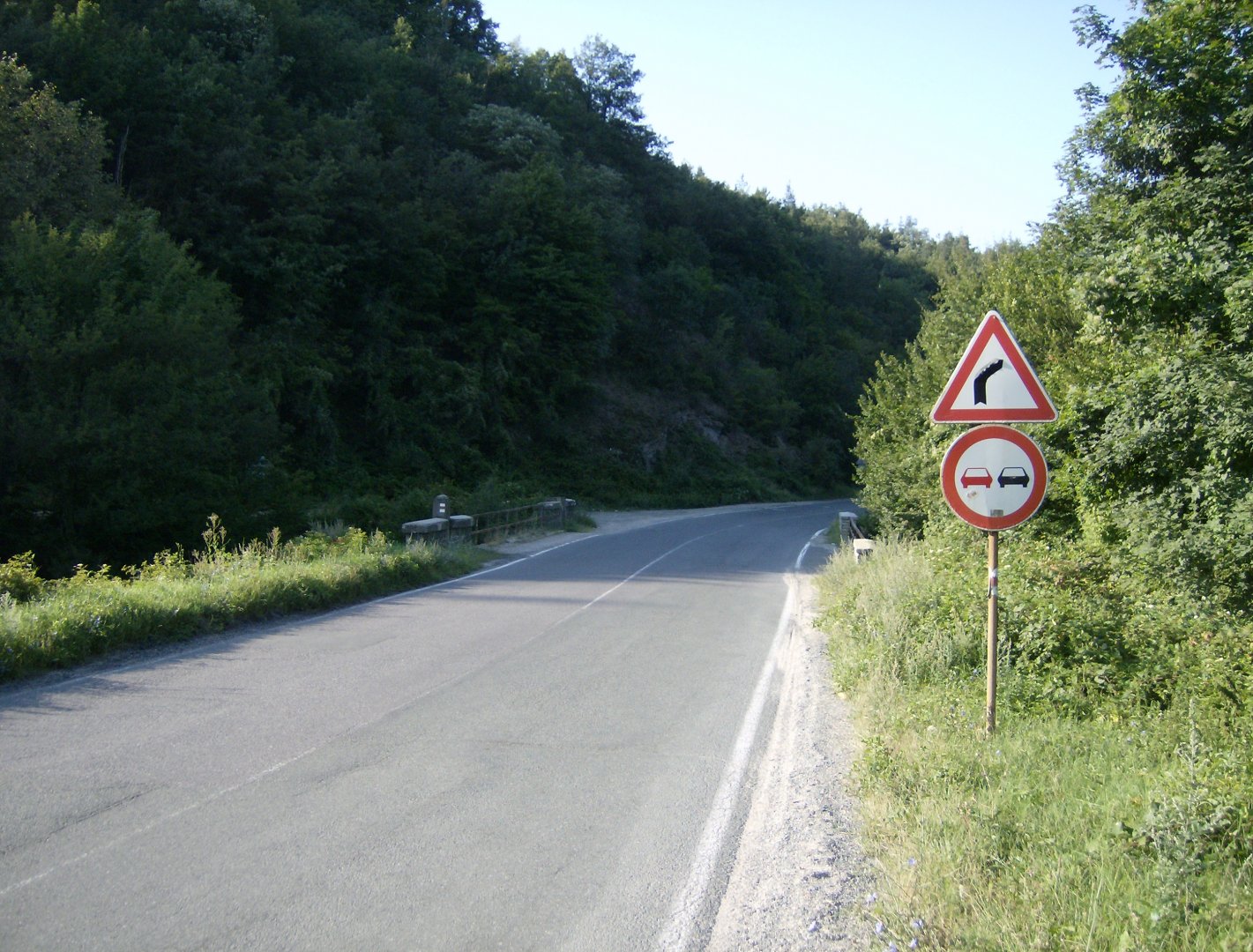
After the Young Turk coup of 29 January 1913, the Ottoman Empire resumed operations against Bulgarian forces in Eastern Thrace to lift the siege of Edirne. Plans included an amphibious landing at Şarköy on the Sea of Marmara, close to the rear of the 7th Rila Infantry Division.
The Battle of Serdica
Khan Krum ascended the throne in 803. His foreign policy aimed to incorporate further territories inhabited by Slavic tribes, particularly to the south-west along the Struma and in Macedonia.
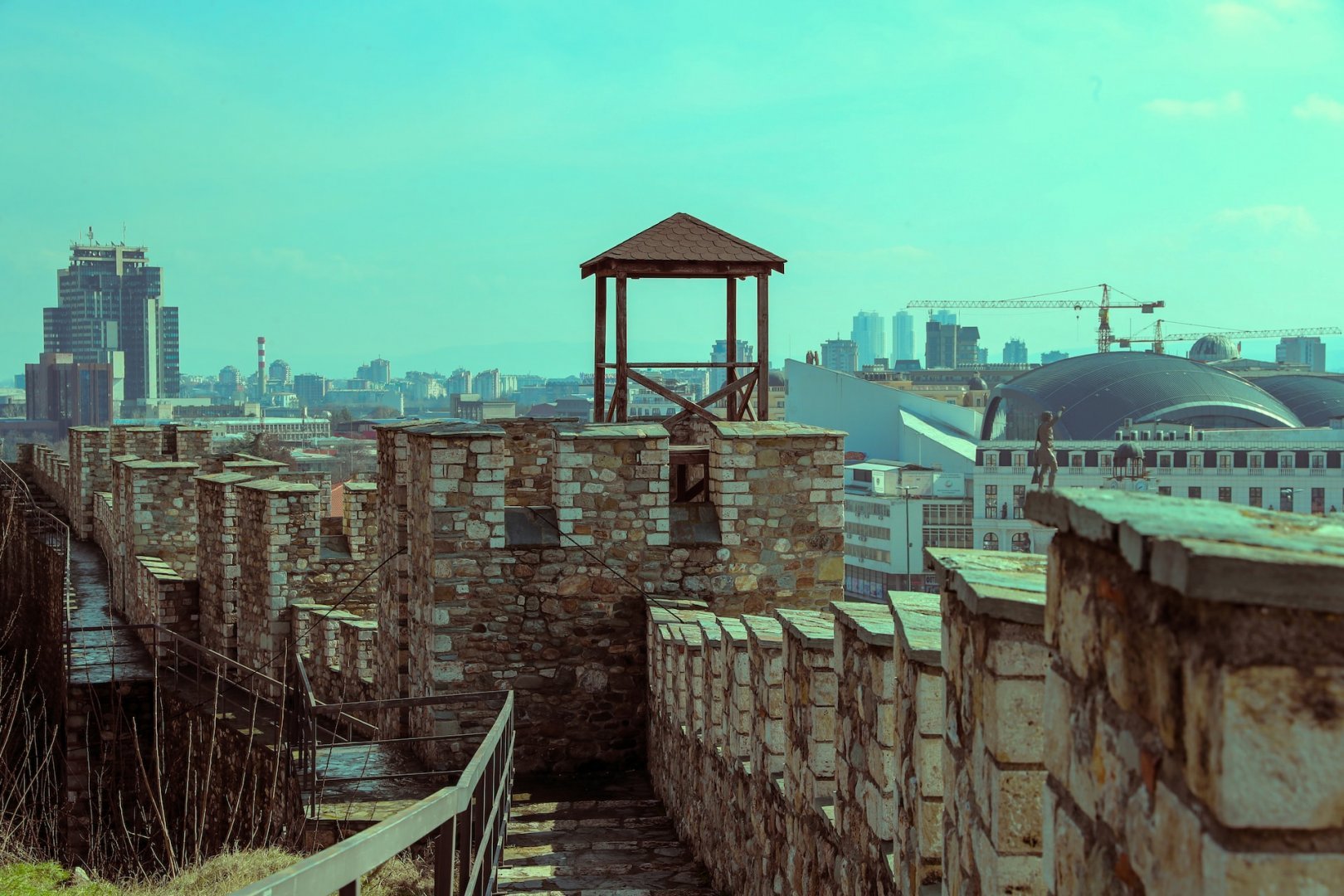
The Battle of Skopje
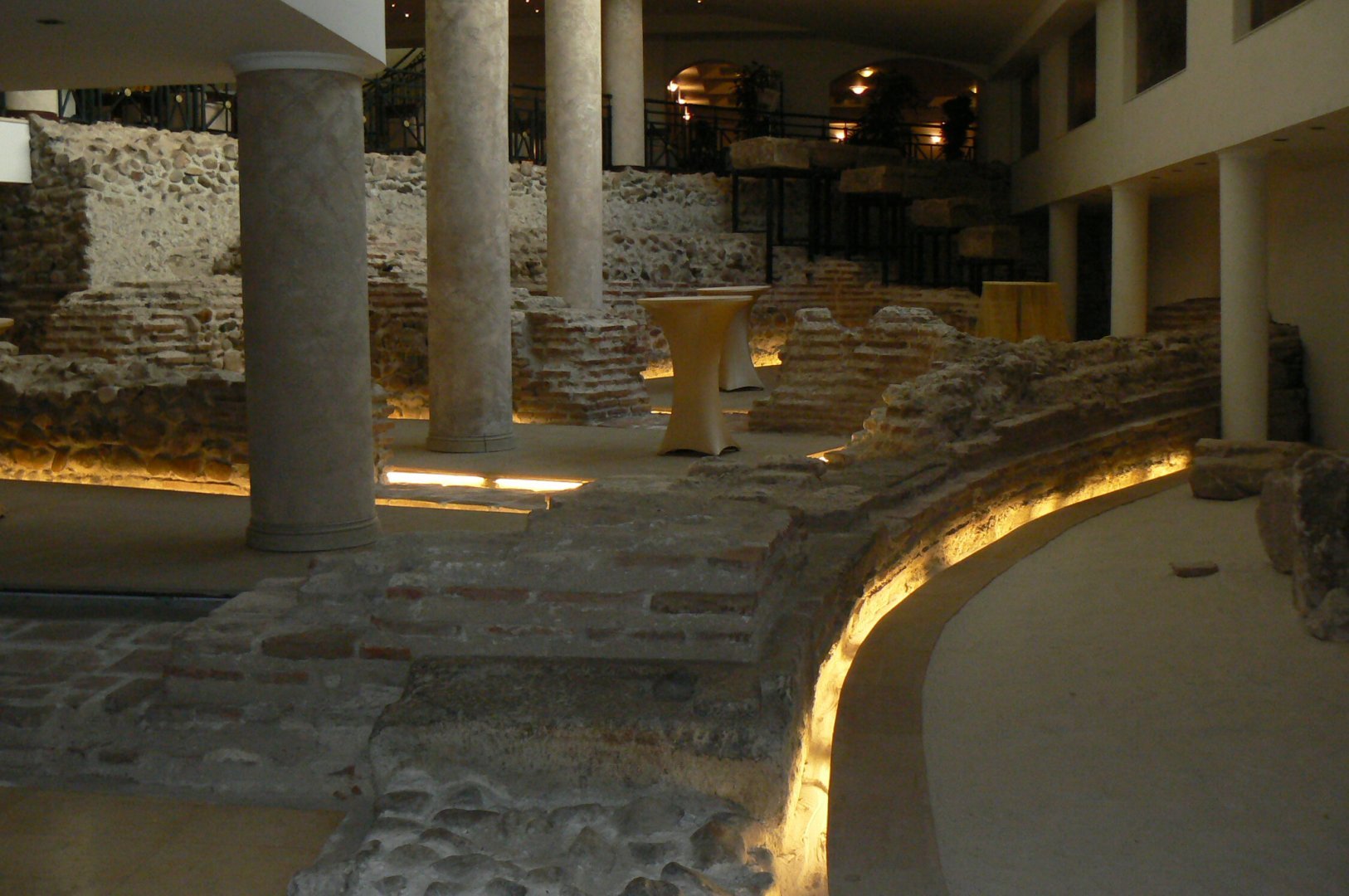
The Battle of Skopje in 1003, or 1004 according to other interpretations of the sources, was one of many clashes between Tsar Samuel and Emperor Basil II during their prolonged struggle. After capturing Vidin following a long siege, Basil II led his army south along the Morava and reached Skopje's surroundings, where he faced Samuel's Bulgarian forces.
The Battle of Slivnitsa
Immediately after the outbreak of the Serbo-Bulgarian War, a defensive position was established around Slivnitsa. The battle began on 5 November, with the Serbian side enjoying more than a two-to-one superiority in troops and equipment.

