The Battle of Lüleburgaz–Bunarhisar


The Battle of Lüleburgaz–Bunarhisar
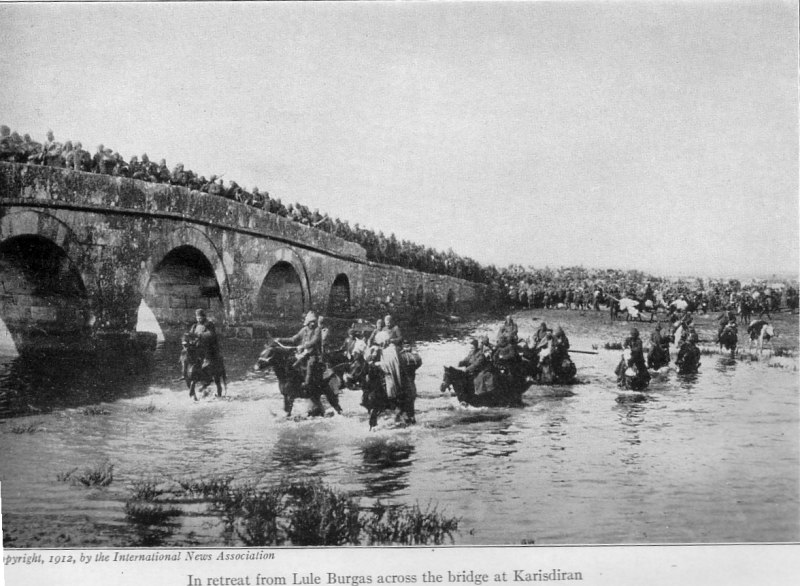
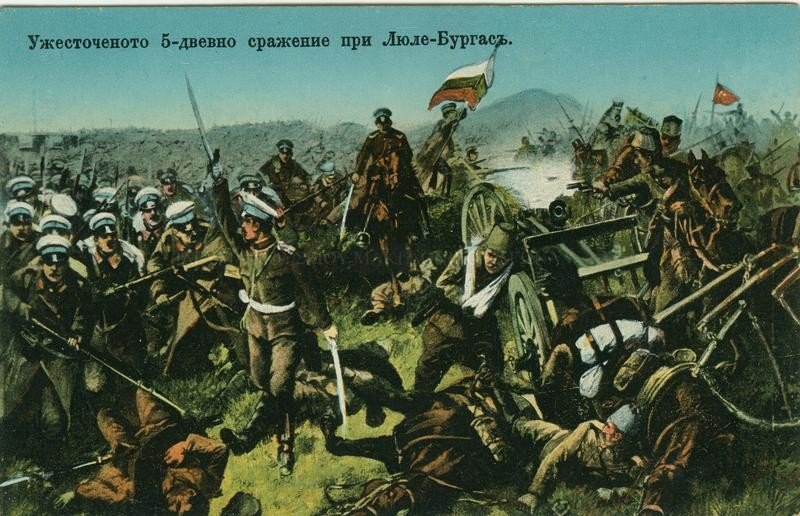
After the Bulgarian victory at Lozengrad, the Turks regrouped along the Lüleburgaz–Bunarhisar line. They had two groupings, one to halt the Bulgarians and the other to deliver a counterstroke. The Bulgarian command assigned the First Army to strike decisively in the Babaeski–Lüleburgaz sector. The Third Army was ordered to turn the enemy's right flank and prevent its withdrawal towards Çorlu and Constantinople. On 14 October 1912, after a two-day march, the two Bulgarian armies reached the Turkish positions. On 17 October, the offensive plan changed: the Third Army attacked frontally, while the First struck the left flank. The enemy began withdrawing on 18 October but regrouped for defence along the fortified Çatalca line. The Battle of Lüleburgaz–Bunarhisar is considered Europe's largest military clash between the end of the Franco-Prussian War and the beginning of the First World War.
The battle ended in a Bulgarian victory.
Share:


