Battle in Illyricum

Battle in Illyricum
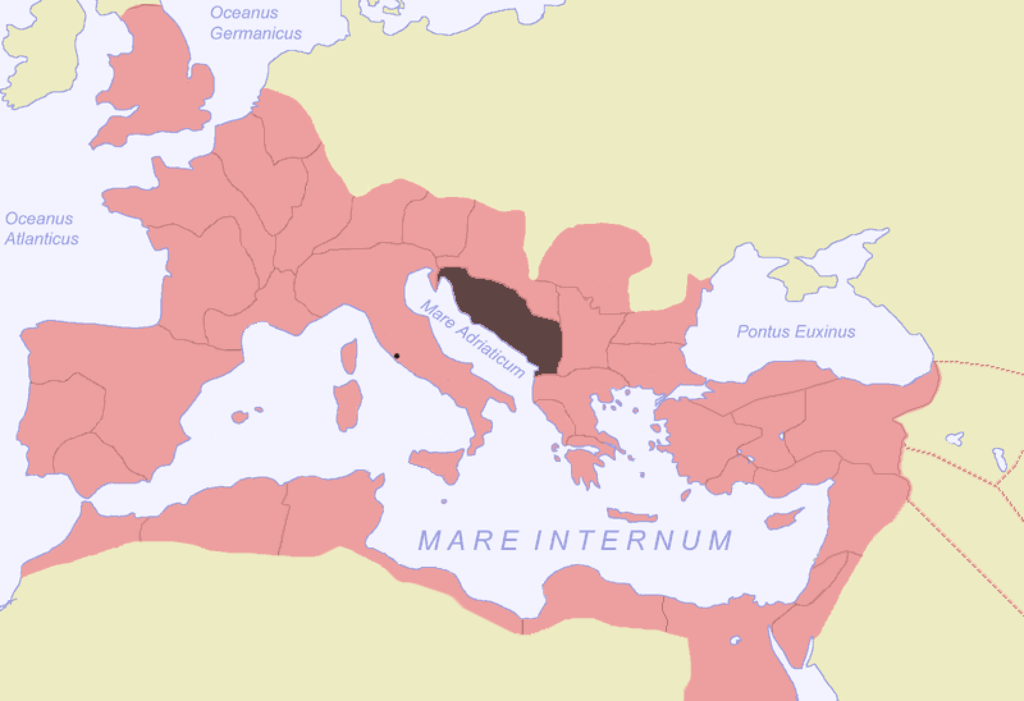
In 513–515, the Bulgars took part in the rebellion of Vitalian, commander of the foederati. This rebellion demonstrated the Bulgars' ties to the Balkan provinces of the Byzantine Empire. After the rebellion ended, the Bulgars immediately invaded the diocese of Illyricum, where they ravaged the land and routed the Byzantine detachments that opposed them.
The Bulgars devastated the Byzantine forces. According to John Zonaras, the Bulgars even cursed the Byzantine army with spells and magic and almost completely destroyed it.
This cooperation between Bulgars and Slavs, demonstrated in Vitalian's rebellion and the subsequent attack on Illyricum, marked the beginning of their joint military activity against the Byzantine Empire. This military alliance grew stronger during Emperor Justinian's reign, when Slavic and Bulgar attacks became an almost annual occurrence, as Procopius of Caesarea notes.
Apart from certain presumed contacts between Bulgars and Slavs within the Hunnic military-tribal confederation, their joint participation in Vitalian's rebellion and the subsequent attack on Illyricum, the western half of the Balkan Peninsula, marked the beginning of their military cooperation against the Byzantine Empire.
This military cooperation grew stronger during Emperor Justinian's reign, when Slavic and Bulgar attacks became an almost annual occurrence, as Procopius of Caesarea notes. This period was characterised by Byzantium's active imperial policy of recovering lost territories and controlling the Balkan provinces.
Cooperation between the Bulgars and Slavs developed on a broader scale and became a key factor in Balkan politics and warfare during this period, as they joined forces against their common enemy, the Byzantine Empire.
Share:


