Battle in Thrace, 548

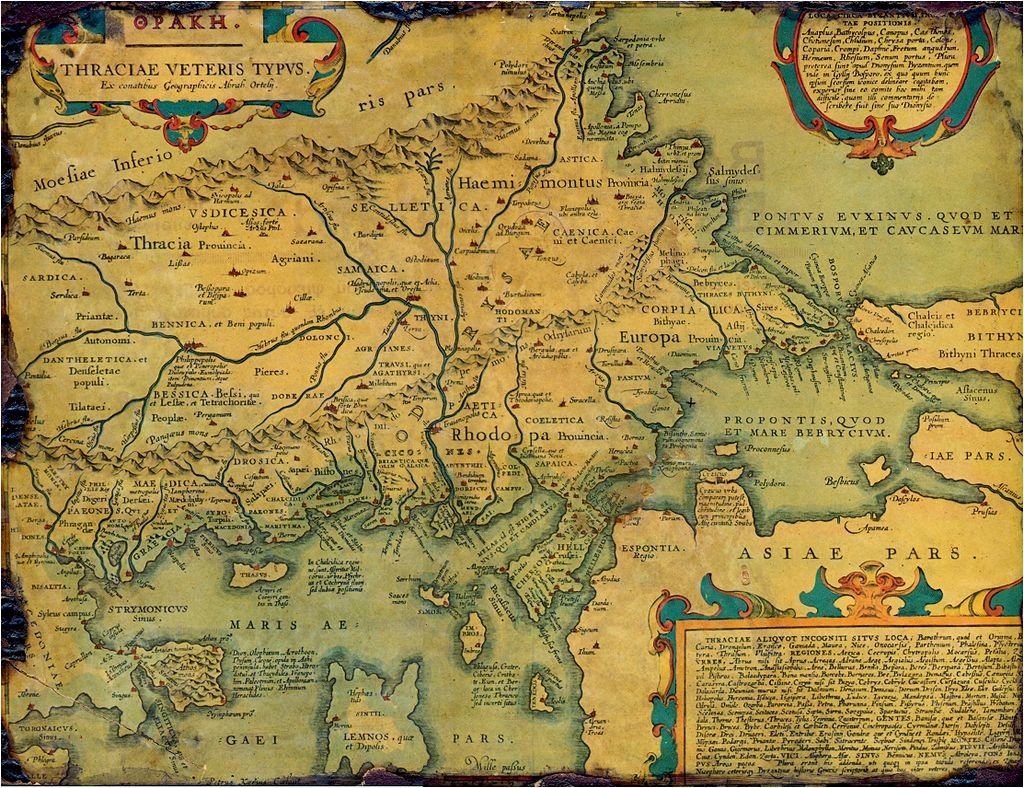
Battle in Thrace, 548
In the mid-sixth century, the Balkan Peninsula was a battlefield of major ethnic and military upheavals. In the spring of 548, the Slavs and Bulgars, led by their ruler Zaber, jointly organised an attack on Byzantine territories in Eastern Thrace.
Although surprised by this alliance, the Byzantines mobilised troops to defend their lands. The Slavs and Bulgars routed the Byzantine troops sent against them. They continued their advance until Constantinople itself was threatened. Their attack was halted, however, by the Byzantine commander Belisarius. His army defeated the Bulgar and Slavic forces, preventing any further advance into the city. Despite their defeat, the Slavs and Bulgars retained positions in Eastern Thrace. In August, having accumulated booty, they withdrew to the lands north of the Danube, preserving their forces and preparing for further military action.
The Battle in Thrace in 548 reflects the complex circumstances of the early medieval Balkans, where peoples such as the Bulgars and Slavs joined forces to challenge the power of the Byzantine Empire. Although they failed to capture Constantinople, their military operations demonstrated their potential to influence the regional balance of power. The skilful Byzantine manoeuvres under Belisarius temporarily halted their advance, but their continued presence in Thrace and subsequent withdrawal with substantial booty show that these conflicts marked the beginning of a prolonged process of change and adaptation rather than a definitive victory or defeat.
Share:


